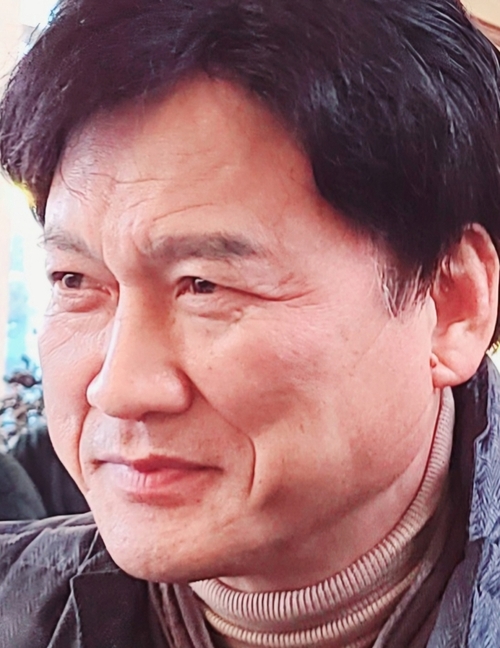
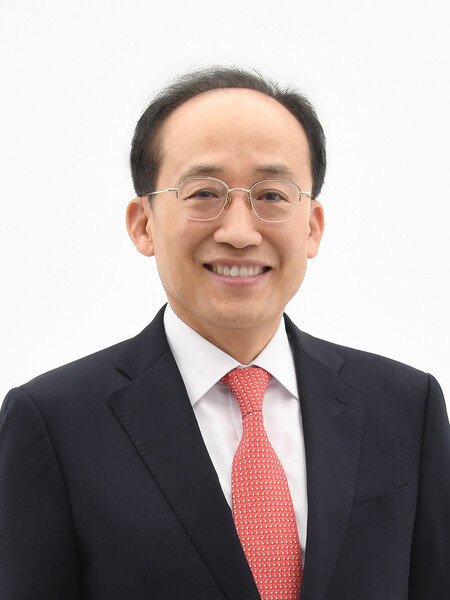
▲필자/ 권기환 박사. ©브레이크뉴스 |
병오년(丙午年) 설 연휴가 끝났다. 이제 각자는 연휴의 휴식을 끝내고 또다시 일상으로 되돌아간다. 그러나 약간의 여유가 있는 일부 사람들은 이틀을 휴가로 사용하면 주말까지도 쉴 수 있을 것이다. 특히 올해는 추석 4일 연휴를 제외하면 다른 연휴가 별로 없어서 이번 설 연휴야말로 달콤한 휴가인 셈이다. 필자는 이번 설 연휴를 보내면서 약간의 화두를 던지면서 올해의 철학적 담론을 생각해 보았다. 필자의 담론은 독백에서 소통으로의 길이라 하겠다. 각자의 독백이 이제 ‘나’ 자신의 견해나 의견에 머무는 것이 아니라 내가 아닌 타자와 서로 소통으로 나아가는 길로 향해야 한다. 그런데 주변을 보면 말로는 소통을 강조하면서도 실제로는 과연 각자가 소통을 제대로 하고 있는지는 의심스럽다. 왜 그럴까? 의외로 답변은 간단하다. 서로 소통하려면 두 가지가 전제되어야 한다. 하나는 타자 혹은 상대방에 대한 인격적 존중이다. 다른 하나는 상대방에 대한 서로의 신뢰다. 여기에서 중요한 것은 둘의 관계가 선후관계의 문제가 아니라 둘 가운데 하나라도 없으면 근본적으로 대화나 소통의 길은 막힌다는 점이다. 그렇게 되면 그 비어있는 자리에는 상대방에 대한 인격적 무시와 비하, 불신이 만연하게 되기 마련이다. 그런데 사실 각자는 누구든 낯선 타자 혹은 상대방에 대해 예외 없이 편견이나 선입견을 지니고 있어서 처음부터 이러한 두 전제를 제대로 인지하거나 행하지 못한다. 다만 각자가 두 전제를 염두에 두고 서로 노력하면서 언제나 이를 성찰한다면 어느 시점에서는 깨닫는 바가 있을 뿐이다.
그런데 과연 이렇게만 하면 서로 소통이 제대로 되는가? 안타깝게도 그렇지 않다. 이를 위해서는 각자는 또 다른 산을 넘어야 한다. 소통이 제대로 작동하기 위해서는 각자는 대화의 결과에 주목해야 한다. 소통은 그저 그럴 뿐인 내용을 공유하는 차원에 대화로 머무는 것이 아니라, 대화가 어떤 내용을 어떤 흔적으로 남겼는지의 문제다. 어떤 문제에 관해 대화를 통해 어떤 의미가 있거나 생산적이었다는 것은 언제든지 서로 대화로 이어지면서 소통도 원활하게 될 것이다. 이와 반대라면 소통은 고사하고 대화 자체도 어렵게 될 뿐만 아니라 단절과 불통으로 귀결될 것이다. 그런데 소통(疏通)과 대화(對話)는 차이가 있다. 대화는 상대방과 서로 말을 주고, 받는 것을 뜻한다. 이것은 전형적으로 언어적 표현을 통해, 서로 필요한 정보를 주거니 받거니 하는 차원이므로 대화하는 행위 자체가 중요할 뿐만 아니라, 언어가 수단인 것처럼 대화도 수단이 될 것이다. 보통 ‘Talking’, ‘Dialogue’, ‘Conversation’ 등이 ‘대화’에 해당하는데, 의미상 차이도 있다. ‘Talking’은 대체로 말하는 행위를 뜻하고, ‘Dialogue’는 대립 관계에 있는 개인(혹은 집단, 더 나아가 국가) 사이에 의미로 사용한다. ‘Conversation’은 두 사람 이상이나 소규모 집단에서 비격식적이거나 사적인 대화를 말하는데 회화(會話)라고 한다. 어떤 것이든 간에 대화는 언어를 매개로 해서 각자의 생각을 서로 이야기하면 될 것이다. 그런데 서로 대화를 자주 나누더라도 과연 소통이 잘 된다고 할 수 있을까? 물론 대화도 각자가 상대방과 언어적 소통을 통해 이해와 공감 그리고 신뢰를 쌓을 수 있겠지만, 주변을 돌아보면 그렇지 않은 경우가 많다. 분명히 서로 대화도 자주 나누고 함에도 불구하고, 뭔가 겉돌거나 지루함과 더불어 별다른 의미가 없다는 말이다. 이것은 서로 대화가 이루어지고 있지만, 사실 대화만을 통해 이해와 공감 그리고 신뢰가 언제나 생기지 않음을 보여 준다. 그런데 뒤집어 생각하면 서로 이해와 공감 그리고 신뢰가 전제된다면 대화의 결과보다 과정에 주목하게 될 것이다. 서로 대화를 하다 보면 서로 갈등이나 오해가 생기는 까닭은 사실 각자의 독백에 가까운 ‘나’의 생각이나 의견만을 서로 말하기 때문이다. 전형적인 형태가 독백이다. 사실 독백(Monologue)은 연극이나 영화 등에서 등장인물이 상대방 없이, 혼잣말하지만, 제3자인 관객에게 자신의 내면적 심리 상태를 전달하는 무대장치라 하겠다. 이 경우는 그래도 관객이라도 있으니 그나마 다행이겠지만, 만일 관객조차 없다면 등장인물은 결국 ‘나’ 자신과 또 다른 ‘나’를 설정할 수밖에 없을 것이다. 서로 대화가 원활하지 않을 때 각자의 입장만 고착하게 되기 마련이다. 이때 서로 대화라고 하지만 사실 서로 대화하는 척만 할 뿐 별다른 의미는 없다. 바로 이 지점에서 대화에서 소통(Communication)으로의 요구가 등장한다.
소통(疏通)은 막히지 않고 서로 통한다는 뜻이다. 무엇이 그러한가? 이에 관한 답변은 마음과 뜻이 서로 막힘이 없이 서로 통하니 오해가 생길 리 없다. 그 때문에 소통은 어쩌면 언어적 차원에서 의미 전달에 방점을 두기보다 서로의 상호이해와 공감을 강조한다. 바로 이 지점에서 우리가 서로 대화를 많이 하더라도 그것은 과정일 뿐 결과가 아니라는 점이다. 대화는 어쩌면 우리가 말하는 방법만 터득하면 별 무리가 없다. 그러나 ‘내’가 말하는 법을 기술적으로 터득했다고 해서 상대방과 공감대를 이루거나 상호이해를 할 수 없다. 왜냐하면 상대방은 언제든지 달리 생각할 수 있기 때문이다. 따라서 서로 대화만으로 어떤 결과를 도출하기 어렵다. 이에 반해 ‘나’의 생각이 우선이기 때문에, 상대방에게 이를 전달하는 방식과 달리 소통은 상대방의 생각을 일단 먼저 존중하고 경청하는 것에서 출발한다. 그렇게 되면 수직적 관계든 수평적 관계든 상관없이 ‘내’가 상대방의 존재를 인정하는 것이다. 더 나아가 ‘내’가 먼저 열린 태도로 서로의 다름을 인정하는 태도가 소통의 첫걸음이다. 소통이 잘 되면 대화는 전혀 문제가 없지만, 이와 반대로 아무리 서로 대화가 잘 되더라도 소통은 잘 된다는 보장이 없다. 소통은 언어적 차원을 넘어서 비언어적 차원도 포함하는데, 여기에서 중요한 것은 상대방, 즉 타자다. 소통의 담론에서 우리가 가장 경계해야 할 것은 독선·아집·기만이다. 불통과 대화 단절의 그늘에는 언제나 그와 같은 것들이 침투하기 마련이다. 거기에는 마치 아무런 관객도 없는 무대에서 혼자 대사를 읊조리는 독백의 목소리처럼 실로 공허하기 짝이 없다.
필자는 가장 소통하기 어려운 사람들 가운데 한 부류가 지식인이라고 생각한다. 특히 한국 학계는 서로의 장벽을 높고 두텁게 쌓아 올려서 별것도 아닌 얕은 지식으로 자신이 상당히 학식이 많고 뛰어남을 과시하려는 분위기가 형성되어 있다. 대표적인 사례를 들어 보면, 한국 학자들은 종종 상대방을 가르치려고 한다는 점이다. 상대방이 모른다고 하지도 않았는데 먼저 자신이 상대방을 무시하면서 이것도 몰라 저것도 몰라라고 하면서 자기 말만 하는 현상도 나타난다. 상대방은 그의 말을 듣는 척하거나 이해하는 척하지만, 실상은 전혀 그렇지 않다는 점이다. 그런데 이러한 현상은 사실 독백이나 다름없다. 그럴 바에는 차라리 혼자 골방에 앉아 책을 읽은 것과 과연 무엇이 다른지 의문이 간다. 한국 학자들은 대체로 그런 방식에 익숙해지다 보니 처음부터 유유상종(類類相從)에 따라 특정한 학맥이 이어지다 보니 소통은 고사하고 대화조차 힘들어질 수밖에 없다. 쉽게 말해 특정한 집단에 속하는 사람들 몇몇만이 내부적으로 대화 정도는 가능할지 모르겠지만, 소통은 하나 마나인 셈이다.
소통은 사실 서로 대화를 한 이후에 각자가 느끼는 감정 혹은 공감의 결과이기도 하다. 이때 중요한 것은 비언어적인 부분, 말보다 태도 및 행위가 더 중요할 수 있다. 그런데 우리는 흔히 이러한 비언어적인 부분을 인위적으로 시도하려고 할 때 뭐가 부자연스러움을 느낄 것이다. 이것은 그동안 독백에 익숙해 있는 사람들이 잘 모르는 사람들과 소통을 의도적으로 하려다 보니 뭔가 어색하기 때문이다. 각자의 서로 다른 습관과 사고가 이미 상당히 경험적으로 축적되어 있는데, 상대방을 서로 이해하기는 어렵다. 그러나 우리가 각자가 독백이 아니라 소통으로 상대방에게 정중히 먼저 다가설 때, 먼저 환대할 때, 상대방도 기꺼이 응답할 것이다. 소통의 정점은 바로 이것이 아니고 무엇이겠는가! 소통은 서로의 불필요한 오해를 줄이고 신뢰 관계를 형성하고 공감대를 유지하는데 목적이 있다. 이것은 대화보다 한 차원 더 높은 것이기도 하다. 그런데 그렇게 해도 안 되는 경우도 얼마든지 있을 수 있다. 그때 굳이 서로 소통할 필요는 없으며, 오히려 소통의 시기를 기다리는 편이 더 좋을 것이다. jgfichte@naver.com
*필자/권기환
철학박사. 동국대에서 석사학위를, 독일 지겐대 제 1학부(역사-철학과)에서 철학박사학위(Dr. phil.)를 취득했다. 경희대, 경기대, 명지대, 상명대, 강남대, 홍익대 등에서 강의를 했다. 현재는 가천대에서 강의를 하고 있다. 주요 관심사는 독일 관념론, 독일 초기 낭만주의, 프랑스 현상학, 해석학, 동서 비교 철학 등이다. 한국 헤겔학회, 한국칸트학회, 한국해석학회, 한국 현상학회(전 정보이사), 서양 근대철학회 등에서 활동하고 있다.
*아래는 위 기사를 '구글 번역'으로 번역한 영문 기사의 [전문]입니다. '구글번역'은 이해도 높이기를 위해 노력하고 있습니다. 영문 번역에 오류가 있을 수 있음을 전제로 합니다.<*The following is [the full text] of the English article translated by 'Google Translate'. 'Google Translate' is working hard to improve understanding. It is assumed that there may be errors in the English translation.>
Discourse of the Year of the Horse: From Monologue to Communication
- Kwon Ki-hwan, Columnist
The Lunar New Year holiday of the Year of the Horse has ended. Now, everyone is resuming their holiday rest and returning to their daily routines. However, some with some extra time will be able to use two days off, allowing them to relax even over the weekend. This year, with the exception of the four-day Chuseok holiday, there aren't many other holidays, making this Lunar New Year holiday a truly sweet one. While spending this Lunar New Year holiday, I've been pondering a few topics and reflecting on this year's philosophical discourse. My discourse is the path from monologue to communication. Each person's monologue should no longer remain confined to their own views or opinions, but rather move toward communication with others, not just themselves. However, looking around, I find myself questioning whether people are truly communicating effectively, even while emphasizing communication in words. Why is this? The answer is surprisingly simple: two prerequisites are necessary for communication. One is personal respect for the other or the counterpart. The other is mutual trust. The crucial point here is not the chronological order of the relationship between the two, but that if even one of them is absent, dialogue and communication are fundamentally blocked. Inevitably, personal disregard, contempt, and distrust will permeate that void. However, everyone, without exception, possesses prejudices and preconceived notions about unfamiliar others or counterparts, and thus fails to properly recognize or act upon these two presuppositions from the outset. However, if each person keeps these two presuppositions in mind, works together, and constantly reflects on them, they will eventually come to a realization.
But does this truly lead to effective communication? Unfortunately, it doesn't. To achieve this, each person must overcome another hurdle. For communication to function properly, each person must focus on the outcome of the conversation. Communication isn't simply about sharing content; it's about what content and what traces the conversation leaves behind. If a conversation on a given issue yields meaningful or productive results, it will always lead to further dialogue, further facilitating communication. If this were the opposite, communication, let alone conversation itself, would become difficult, and it would end up in isolation and a breakdown in communication. However, there is a difference between communication (疏通) and conversation (對話). Conversation refers to exchanging words with another person. Typically, this involves exchanging necessary information through verbal expression. Therefore, the act of conversation itself is important, and just as language is a means, conversation is also a means. Words like "talking," "dialogue," and "conversation" commonly refer to "conversation," but there are also semantic differences. "Talking" generally refers to the act of speaking, while "dialogue" is used to refer to individuals (or groups, or even nations) in conflict. "Conversation" refers to an informal or private conversation between two or more people or small groups, and is called "hwahwa." In any case, conversation involves exchanging thoughts through language. However, can communication truly be achieved even if people converse frequently? Of course, conversations can build understanding, empathy, and trust through verbal communication. However, looking around, this isn't often the case. Despite frequent exchanges, conversations often feel superficial, boring, and lacking meaning. This demonstrates that, while conversations are taking place, understanding, empathy, and trust aren't always achieved through conversation alone. However, if mutual understanding, empathy, and trust were prerequisites, we would focus on the process of conversation rather than its outcome. Conflicts and misunderstandings arise during conversations because each person only expresses their own thoughts and opinions, which are essentially monologues. The typical form is the monologue. In fact, a monologue is a stage setting in plays and films where characters speak to themselves, without the presence of a partner, yet convey their inner psychological state to a third party, the audience. While it's fortunate to have an audience in these cases, without one, the characters are forced to establish a separate "self" and a different "self." When communication is disrupted, each person tends to become fixated on their own perspective. Although we call it a conversation, in reality, it's merely a pretense of conversation, devoid of any real meaning. It's at this point that the demand for communication emerges.
Communication (疏通) means unimpeded communication. What is this? The answer is that since hearts and minds are connected without obstruction, misunderstandings are impossible. Therefore, communication emphasizes mutual understanding and empathy rather than simply conveying meaning through language. This is precisely why, even if we converse frequently, it's a process, not a result. Conversation might be straightforward if we simply master the art of speaking. However, simply mastering the art of speaking doesn't guarantee empathy or mutual understanding with the other person. This is because the other person can always think differently. Therefore, it's difficult to achieve any results through conversation alone. Conversely, because the "I" prioritizes my own thoughts, communication, unlike simply conveying them to the other person, begins with respecting and listening to the other person's thoughts. This allows the "I" to acknowledge the other person's existence, regardless of whether the relationship is vertical or horizontal. Furthermore, the first step toward communication is for "me" to first openly acknowledge each other's differences. If communication is good, conversation will proceed without any problems. However, conversely, even the most effective communication doesn't guarantee success. Communication extends beyond the verbal dimension, encompassing nonverbal aspects as well. The crucial element here is the other person, the other. In the discourse of communication, the things we must guard against most are self-righteousness, stubbornness, and deception. Such things always infiltrate the shadows of communication breakdown and communication breakdown. It's as hollow as a monologue reciting lines on a stage with no audience.
I believe intellectuals are among the most difficult groups to communicate with. Korean academia, in particular, has built a high and thick barrier between them, fostering an atmosphere where people often try to show off their considerable knowledge and excellence with mere superficial knowledge. A prime example is the frequent attempt by Korean scholars to teach others. Even when the other person hasn't said they don't know, the person who ignores them and claims to know nothing about them, often focusing solely on their own words. The other person pretends to listen or understand, but in reality, they're completely ignorant. This phenomenon, however, is essentially a monologue. In that case, one might wonder how it's any different from sitting alone in a closet and reading a book. Korean scholars are generally accustomed to this approach, and because of this, certain academic traditions are often linked by affinity. This makes communication, let alone conversation, difficult. Simply put, a few members of a particular group might be able to converse internally, but communication is essentially nonexistent.
Communication is also the result of the emotions or empathy each person feels after a conversation. Nonverbal elements, such as attitude and behavior, can be more important than words. However, when we attempt to artificially engage in this nonverbal behavior, we often feel something unnatural. This is because those accustomed to monologues feel awkward when they deliberately attempt to communicate with strangers. Each person's unique habits and way of thinking are already considerably accumulated through experience, making it difficult to understand each other. However, when we approach each other politely through communication rather than monologue, when we offer hospitality, the other person will respond willingly. What else could be more crucial than communication? The purpose of communication is to reduce unnecessary misunderstandings, build trust, and maintain a sense of empathy. This is a level higher than conversation. However, there are many instances where communication isn't possible. In those instances, there's no need to communicate; rather, it's better to wait for the right moment to do so. jgfichte@naver.com
*Author/Kwon Ki-hwan
Doctor of Philosophy. He received his master's degree from Dongguk University and his doctorate in philosophy (Dr. Phil.) from the Department of History and Philosophy at the University of Siegen in Germany. He has lectured at Kyung Hee University, Kyonggi University, Myongji University, Sangmyung University, Kangnam University, and Hongik University. He currently teaches at Gachon University. His main interests include German idealism, early German Romanticism, French phenomenology, hermeneutics, and Eastern-Western comparative philosophy. He is active in the Korean Hegel Society, the Korean Kant Society, the Korean Society for Hermeneutics, the Korean Phenomenological Society (former Director of Information), and the Society for Western Modern Philosophy.