브레이크뉴스 김충열 정치전문기자 = 더불어민주당이 미국의 통상 압박에 대응하기 위한 ‘대미투자특별법’ 처리를 고의로 지연시키고 있는 국민의힘을 향해 “국익을 정쟁의 볼모로 삼는 행태를 즉각 중단하라”고 강력히 촉구했다.
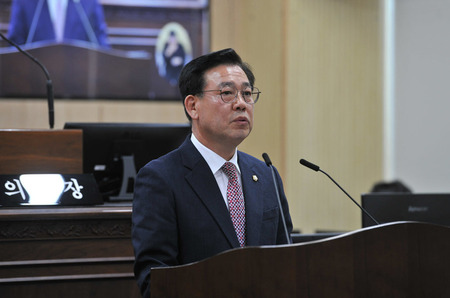
 ▲ 문금주 원내대변인은 “특위 일정 지연, 정부 관계자 출석 차단 등은 명백한 입법 방해”라며 “더불어민주당은 어떤 방해에도 굴하지 않고 기한 내 입법을 마무리해 우리 기업과 국가 경제를 지켜내겠다”고 강조했다. © 김충열 정치전문기자 |
문금주 민주당 원내대변인은 25일 서면 브리핑을 통해 “국민의힘은 대미투자특위 가동과 특별법 처리에 동의해 놓고도, 정작 위기 국면에서 특위 논의를 지연시키고 상임위 전면 불참을 통보했다”며 여당의 무책임한 태도를 비판했다.
■ 사법개혁안 대치가 부른 ‘입법 셧다운’
이번 국민의힘의 보이콧은 민주당이 추진 중인 검찰·사법개혁안에 대한 정면 반발에서 비롯됐다. 국힘은 민주당의 개혁안을 ‘사법부 장악 시도’로 규정하고 필리버스터와 상임위 거부로 맞서고 있다.
이에 문 원내대변인은 “사법개혁안 처리에 대한 불만을 국익 현안과 연계해 정쟁의 도구로 삼는 것이 과연 공당의 자세냐”고 반문하며, 국민의힘에 “국익보다 당리당략이 우선인가”라고 직격탄을 날렸다.
■ 입법 지연 시 반도체·자동차 ‘관세 폭탄’ 노출 우려
현재 미국의 트럼프 행정부는 한국 기업의 대미 투자 이행 여부를 관세와 연계하겠다는 압박을 강화하고 있다. ‘대미투자특별법’은 우리 기업의 현지 투자를 법적으로 뒷받침해 미국의 보복 관세를 방어하는 ‘최후의 보루’ 역할을 하도록 설계되어 있다.
■ 사법개혁안 둘러싼 극한 대치, ‘통상 안전판’ 실종 위기…기업들 발만 동동
법안 처리가 오는 3월 9일 특위 시한을 넘겨 표류할 경우, ▲반도체 보조금 환수 리스크 ▲자동차·철강에 대한 징벌적 관세 부과 등에 대해 정부와 기업이 공동 대응할 법적 근거가 약해져 수조 원대의 손실이 발생할 수 있다는 것이 민주당의 판단이다.
■ “특위 시한 3월 9일, 어떤 방해에도 완수할 것”
민주당은 여야가 합의한 대미투자특위 활동 종료 시한인 3월 9일을 마지노선으로 설정했다. 문 원내대변인은 “특위 일정 지연, 정부 관계자 출석 차단 등은 명백한 입법 방해”라며 “더불어민주당은 어떤 방해에도 굴하지 않고 기한 내 입법을 마무리해 우리 기업과 국가 경제를 지켜내겠다”고 강조했다.
■ “위기 앞 책임 회피, 국민이 심판할 것”
끝으로 문 원내대변인은 국민의힘을 향해 필리버스터(무제한 토론)와 상임위 보이콧을 즉각 철회하고 법안 논의에 복귀할 것을 요구했다. 그는 “위기 앞에서 책임을 회피하는 정당에 대해 국민은 분명히 심판할 것”이라며 야당의 태도 변화를 촉구했다.
한편, 도널드 트럼프 미국 행정부의 무역법 301조 조사 대상에 한국이 포함될 가능성이 크다는 관측이 나오고 있다. 이 과정에서 국내 수사를 받고 있는 쿠팡의 미국 투자자들이 USTR에 301조 조사를 요청한 상태다. 쿠팡의 경우 301조 조사의 핵심 요소로 꼽는‘디지털 상품·서비스에 대한 차별 여지’에 쿠팡 사례가 해당한다고 판단할 가능성이 제기된다.
무역법 301조는 대규모 개인정보 유출 사태로 국내 수사를 받고 있는 쿠팡의 미국 내 투자자들이 미 무역대표부(USTR)에 조사를 요청한 근거 조항이다.
우리 정부 입장에선 핵추진잠수함, 원자력 에너지 농축·재처리, 조선 협력 등 팩트시트에 담긴 안보 분야 합의의 경우 미국 측 협상단 구성이 다소 지연되고 있으나, 강경화 주미대사가 “트럼프 행정부의 후속조치 동향을 면밀히 파악하고, 대미 협의가 우호적 분위기 속에서 조성될 수 있도록 지원하겠다”고 밝혀 주목되고 있다.
결국 사법개혁을 둘러싼 여야의 극한 대치가 우리 기업들의 사활이 걸린 통상 현안까지 집어삼키고 있어, 정치권은 물론 경제계의 우려 섞인 시선이 국회로 향하고 있다. hpf21@naver.com
*아래는 위 기사를'구글 번역'으로 번역한 영문 기사의[전문]입니다. '구글번역'은 이해도 높이기를 위해 노력하고 있습니다.영문 번역에 오류가 있을 수 있음을 전제로 합니다.*The following is [the full text] of the English article translated by 'Google Translate'. 'Google Translate' is working hard to improve understanding. It is assumed that there may be errors in the English translation.
Moon Geum-joo, the Democratic Party's floor spokesperson, said, "The People Power Party is holding the US Investment Act hostage due to its opposition to judicial reform...an act of abandoning national interests."
Strongly condemns the special committee's disruption and boycott of standing committees..."We will complete the legislation by the March 9 deadline."
Break News political reporter Kim Choong-Lyoul strongly urged the People Power Party, which is deliberately delaying the passage of the "Special Act on US Investment" to counter US trade pressure, to "immediately cease using national interests as a political pretext."
In a written briefing on the 25th, Moon Geum-joo, the Democratic Party's floor spokesperson, criticized the ruling party's irresponsible attitude, stating, "The People Power Party agreed to the establishment of the Special Committee on US Investment and passage of the special law, but at a critical juncture, they delayed the special committee's discussions and announced a complete boycott of the standing committee."
■ Legislative Shutdown Caused by Standoff over Judicial Reform Bill
The People Power Party's boycott stemmed from a direct opposition to the Democratic Party's prosecution and judicial reform bill. The People Power Party has characterized the Democratic Party's reform bill as an "attempt to dominate the judiciary," and is countering it with filibusters and boycotts of standing committee meetings.
In response, floor spokesperson Moon Jae-in questioned, "Is it truly the attitude of a ruling party to use dissatisfaction with the judicial reform bill as a political tool by linking it to nationally important issues?" He also directly criticized the People Power Party, asking, "Is partisan interests prioritized over national interests?"
■ Concerns over exposure to tariffs on semiconductors and automobiles if legislative delays occur
Currently, the Trump administration is intensifying pressure on Korean companies to link their investment decisions in the US to tariffs. The "Special Act on Investment in the United States" is designed to serve as a "last bastion" to defend against US retaliatory tariffs by legally supporting Korean companies' local investments.
■ Extreme standoff over judicial reform bill threatens to eliminate 'trade safety valve'... Businesses are on edge
The Democratic Party believes that if the bill passes the special committee deadline on March 9th, the legal basis for a joint response between the government and businesses to issues such as the risk of semiconductor subsidy recovery and punitive tariffs on automobiles and steel will be weakened, resulting in trillions of won in losses.
■ "We will complete the special committee deadline on March 9th, regardless of any obstruction"
The Democratic Party has set March 9th, the deadline agreed upon by the ruling and opposition parties to conclude the activities of the Special Committee on US Investment, as its "Maginot Line." Floor spokesperson Moon Jae-in stated, "Delays to the special committee schedule and blocking government officials from attending constitute clear obstruction of legislation," emphasizing, "The Democratic Party of Korea will not yield to any obstruction and will complete the legislation by the deadline to protect our businesses and the national economy."
■ "Avoiding Responsibility in the Face of a Crisis: The People Will Judge"
Finally, floor spokesperson Moon demanded the People Power Party immediately withdraw its filibuster (unlimited debate) and boycott of standing committees and return to discussing the bill. He urged the opposition party to change its stance, saying, "The people will clearly judge a political party that shirks its responsibility in the face of a crisis."
Meanwhile, there is speculation that South Korea is likely to be included in the Trump administration's Section 301 investigation. In this process, US investors in Coupang, currently under investigation in Korea, have requested a Section 301 investigation from the US Trade Representative (USTR). There is a possibility that Coupang's case may fall under the "potential for discrimination against digital goods and services," a key element of the Section 301 investigation.
Section 301 is the basis for the request to the Office of the United States Trade Representative (USTR) by US investors in Coupang, which is currently under investigation in Korea for a large-scale personal information leak.
From the South Korean government's perspective, the formation of the US negotiating team for the security-related agreements contained in the fact sheet, including nuclear-powered submarines, nuclear energy enrichment and reprocessing, and shipbuilding cooperation, has been somewhat delayed. However, Ambassador to the US Kang Kyung-wha's statement that she will "closely monitor the Trump administration's follow-up measures and support efforts to foster a friendly atmosphere for negotiations with the US" has garnered attention.
Ultimately, the fierce confrontation between the ruling and opposition parties over judicial reform is engulfing trade issues critical to the lives of South Korean companies, leading to concerned attention from both the political and business communities toward the National Assembly. hpf21@naver.com