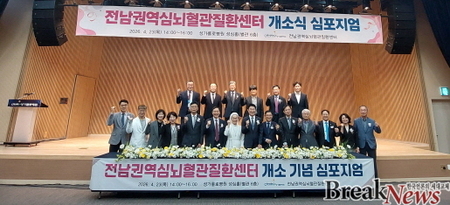
▲ 경찰청·한국도로교통공단·화학물질안전원, '화학사고 안전정보 연계 강화 업무협약식' 진행 모습=한국도로교통공단 제공 © 정지완 기자 |
화학사고 발생 때 주민 대피와 교통 통제를 보다 신속하게 연결하기 위한 공조 체계가 마련됐다. 한국도로교통공단과 경찰청, 화학물질안전원은 17일 서울 서대문구 경찰청 청사에서 업무협약을 맺고, 사고 발생 시 교통안전정보를 빠르게 제공하는 협력 기반을 구축하기로 했다.
이번 협약은 화학사고 정보를 관계기관 내부에 머무르게 하지 않고, 시민이 실제 이동 경로를 바꾸고 대피 판단을 할 수 있는 정보로 즉시 전환하는 데 초점이 맞춰졌다. 화학사고는 사고 자체의 위험도 크지만, 상황 전파가 늦어질 경우 차량 정체와 통제 혼선이 겹치면서 주민 대피가 지연되고 추가 피해로 이어질 가능성도 적지 않다. 세 기관은 이런 공백을 줄이기 위해 사고 대응과 교통 정보 전달을 하나의 흐름으로 묶는 방식을 택했다.
협약에 따라 화학물질안전원은 화학사고 정보와 대피장소, 통제 현황 등 안전정보를 제공한다. 경찰청은 민간 내비게이션사 등 관계기관과 협력해 사고 지점과 우회경로를 안내하고, 한국도로교통공단은 도시교통정보센터 플랫폼을 통해 관련 정보를 국민에게 전달하는 역할을 맡는다. 현장 상황과 교통 흐름을 동시에 관리해 사고 확산 가능성을 낮추겠다는 구상이다.
이번 조치는 재난 대응의 무게중심이 단순한 현장 통제에서 생활권 안전 관리로 넓어지고 있다는 점에서도 의미가 있다. 화학사고는 초기 수습만큼이나 주변 지역 주민이 어떤 정보를 얼마나 빨리 받느냐가 피해 규모를 좌우한다. 특히 도로 통제와 대피 안내가 늦어질 경우, 사고 지역과 무관한 시민까지 혼란에 휘말릴 수 있다는 점에서 정보 전달 체계의 정교함은 재난 대응의 핵심 요소로 꼽힌다.
김희중 한국도로교통공단 이사장은 대규모 화학사고 상황에서 신속한 사고 전파와 우회경로 안내가 2차 피해를 막는 중요한 수단이라는 점을 강조하며, 도시교통정보센터를 통한 실시간 안전정보 제공에 힘을 쏟겠다는 뜻을 밝혔다. 이번 협약은 단순한 기관 간 협조 선언에 그치기보다, 사고 발생 이후 시민이 실제로 체감할 수 있는 안내 체계를 어떻게 작동시킬 것인지에 초점이 맞춰져 있다는 점에서 실무적 성격이 짙다.
재난 대응은 현장의 통제선 안에서만 완성되지 않는다. 주민이 어느 길로 이동해야 하는지, 어떤 구간을 피해야 하는지, 대피와 통제 정보가 어디서 확인되는지가 분명해야 피해를 줄일 수 있다. 이번 협약은 화학사고 대응에 교통정보 체계를 결합해 그 빈틈을 메우려는 시도라는 점에서, 향후 실제 현장에서 얼마나 신속하고 정확하게 작동할지가 관건이 될 것으로 보인다.
*아래는 위 기사를 '구글 번역'으로 번역한 영문 기사의 [전문]입니다. '구글번역'은 이해도를 높이기를 위해 노력하고 있습니다. 영문 번역에 오류가 있을 수 있음을 전제로 합니다.<*The following is [the full text] of the English article translated by 'Google Translate'. 'Google Translate' is working hard to improve understanding. It is assumed that there may be errors in the English translation.>
"Navigation System Provides Detour Guidance During Chemical Accidents"… National Police Agency, Korea Road Traffic Authority, and Chemical Safety Institute Sign Agreement
Rapid Sharing of Accident Status, Control Zones, and Evacuation Information... Efforts to Minimize Delayed Resident Evacuation and Secondary Damage
A cooperative system has been established to more quickly coordinate resident evacuation and traffic control in the event of a chemical accident. The Korea Road Traffic Authority, the National Police Agency, and the Chemical Safety Institute signed a memorandum of understanding (MOU) on March 17 at the National Police Agency headquarters in Seodaemun-gu, Seoul, agreeing to establish a foundation for cooperation to rapidly provide traffic safety information in the event of an accident.
This agreement focuses on ensuring that chemical accident information does not remain within the agencies but is immediately converted into data that allows citizens to change their actual travel routes and make evacuation decisions. While chemical accidents pose significant risks in themselves, delays in disseminating information can lead to traffic congestion and confusion regarding traffic control, potentially delaying resident evacuation and resulting in significant additional damage. To bridge this gap, the three agencies adopted an approach that integrates accident response and traffic information delivery into a single streamline.
Under the agreement, the Chemical Safety Agency provides safety information, including details on chemical accidents, evacuation locations, and traffic control status. The National Police Agency collaborates with relevant organizations, such as private navigation companies, to guide the public to accident sites and detour routes, while the Korea Road Traffic Authority is responsible for delivering this information to the public through the Urban Traffic Information Center platform. The plan is to reduce the potential for the accident to spread by simultaneously managing on-site conditions and traffic flow.
This measure is also significant in that it shifts the focus of disaster response from simple on-site control to the management of safety in residential areas. In chemical accidents, the scale of damage is determined just as much by what information local residents receive and how quickly, as by initial containment efforts. In particular, the sophistication of the information delivery system is considered a key element of disaster response, as delays in road closures and evacuation guidance can cause confusion even among citizens unrelated to the accident area.
Kim Hee-joong, President of the Korea Road Traffic Authority, emphasized that rapid notification of accidents and guidance on detour routes are crucial measures to prevent secondary damage in the event of a large-scale chemical accident, and expressed his intention to focus on providing real-time safety information through the Urban Traffic Information Center. This agreement carries a strong practical character, as it focuses on how to operate a guidance system that citizens can actually experience after an accident occurs, rather than merely remaining a declaration of inter-agency cooperation.
Disaster response is not completed solely within the control lines at the scene. Damage can be minimized only when it is clear to residents which routes to take, which sections to avoid, and where to check evacuation and control information. As this agreement is an attempt to fill these gaps by integrating traffic information systems into chemical accident response, the key factor will likely be how quickly and accurately it operates in actual field situations in the future.
원본 기사 보기:브레이크뉴스대전세종충청