이재명 대통령은 용인술과 중도 실용 노선을 통해 국내 문제에서 일정한 성과를 거둔 측면이 있다. 그러나 외교는 전혀 다른 영역이다. 외교는 감각이 아니라 검증의 영역이다. 속도가 아니라 절제가 지배하는 분야다. 국가 간 발언은 되돌릴 수 없는 비용으로 이어진다. 간밤에 X를 통해 즉흥적으로 던지는 발언은 위험하다. 특히 국제 문제에서는 치명적이다. 검증 없이 생산된 메시지는 판단이 아니라 무모한 도박이다.
문제는 이번 이스라엘 관련 발언이 그 선(線)을 넘었다는 점이다. 사실 확인보다 결론이 앞섰고, 그 위에 한국 좌파 운동권적 도덕주의 접근이 덧씌워졌다. 복잡한 국제 질서를 선악의 구도로 단순화하고, 현실의 힘의 구조보다 규범적 판단을 앞세운 것이다. 이것은 단순한 실수가 아니다. 무지가 아니라 구조를 오판한 결과다.
 ▲ 이재명 대통령이 지난 4월9일 청와대에서 열린 수석보좌관회의에서 발언을 하고 있는 장면. (청와대통신사진기자단) ⓒ뉴시스 |
상대는 이스라엘이다. 안보, 역사, 종교, 정치가 중첩된 가장 민감한 축이다. 그런 상대를 향해 ‘학살(虐殺)’이라는 표현을 던지는 순간, 외교는 사실의 영역을 떠나 감정의 충돌로 이동한다. 외교는 감정을 자극하는 것이 아니라 통제하는 기술이다. 그 기본을 벗어난 발언이다.
더 중요한 것은 구조다. 이스라엘은 단순한 동맹이 아니다. 미국 외교와 안보 체계 안에 깊숙이 결합된 특수한 파트너다. 군사, 정보, 정치, 가치가 겹쳐 있는 관계이며, 일반적 동맹의 범주를 훨씬 넘어선다. 이스라엘을 향한 발언은 곧 미국을 향한 메시지로 해석된다. 이 구조를 읽지 못하면 외교는 출발부터 방향을 잃는다.
현실은 더 분명하다. 미국-이스라엘 공공정책위원회(AIPAC)를 중심으로 한 친이스라엘 네트워크는 의회, 선거자금, 여론, 정책을 연결하는 강력한 구조를 형성하고 있다. 이스라엘 관련 발언은 곧바로 정치적 리스크로 전환된다.
미국 내 유대인 공동체 역시 높은 정치 참여와 기부 문화, 전문직 중심 네트워크를 바탕으로 정계, 재계, 학계, 언론계 전반에서 강한 조직력을 보여 왔다. 특정 사안에서는 이 영향력이 빠르게 결집되고 압력으로 작동한다. 이스라엘과 반유대주의 문제는 그 대표적 사례다.
작년 미국 대학 캠퍼스 사태는 이를 극명하게 보여준다. 하버드대 클로딘 게이(Claudine Gay) 총장과 펜실베이니아대 리즈 매길(Liz Magill) 총장은 의회 청문회 발언 논란 이후 결국 자리에서 물러났다. 컬럼비아대 역시 지도부가 심각한 압박을 받았다. 나의 모교 뉴욕주립대 스토니브룩 모리 맥기니스(Maurie McInnis) 총장도 내부 불신임 압박 속에서 권위가 크게 흔들렸고, 결국 예일대 총장으로 자리를 옮겼다. 발언 하나가 개인을 넘어 기관 전체를 흔든 사례다.
미국 정치권에서는 더 직접적이다. 일한 오마르(Ilhan Omar) 하원의원은 이스라엘 관련 발언 이후 즉각적인 비판과 사과 압박, 징계 논의에 직면했다. 이 문제는 의견이 아니라 정치 생존과 직결된다.
유럽도 다르지 않다. 제러미 코빈(Jeremy Corbyn)이 이끌던 영국 노동당은 반유대주의 논란을 통제하지 못한 대가로 신뢰를 잃었고, 선거에서 붕괴 수준의 패배를 겪었다. 발언 하나가 정당 전체를 무너뜨린 사례다.
핵심은 단순하다. 사실과 맥락을 결여한 발언이 특정 집단에 대한 적대나 반유대주의의 묵인으로 해석되는 순간, 그 책임은 개인을 넘어 조직 전체로 확장되고 곧바로 제도적 압박으로 이어진다. 미국에서 이 문제는 의견이 아니라 구조적 리스크다.
그럼에도 이재명 대통령의 이번 발언에는 결정적인 결함이 있었다. 이스라엘을 비판할 수는 있다. 그러나 동시에 테러 위협과 안보 현실을 함께 언급해야 한다. 외교는 한쪽만 말하는 기술이 아니라 불리한 사실까지 포함해 전체를 말하는 기술이다. 이 균형이 무너지는 순간 메시지는 정의가 아니라 편향으로 전락한다.
문제는 발언 그 자체에 그치지 않는다. 이재명 대통령은 이스라엘과의 설전을 이어가며 충돌을 확대하고 있다. 외교적 긴장을 관리하고 출구를 설계해야 할 위치에서 반대로 움직이고 있는 셈이다.
한 번의 실수보다 더 위험한 것은 교정되지 않은 오판의 반복이며, 그 순간 리스크는 사건을 넘어 구조로 고착된다.
이 충돌은 양자 관계에 머물지 않는다. 파장은 미국과의 관계, 국제 금융시장, 에너지 가격, 외교적 신뢰로 연쇄 확산된다. 외교적 메시지는 단일 채널이 아니라 복합 시스템 위에서 작동하기 때문이다.
이번 발언은 외교적 판단이라기보다 국내 정치에 가까운 성격을 띤다. 중동 문제를 고유가와 환율, 민생 불안과 연결하고 이를 도덕적 언어로 포장했다. 그러나 외교를 국내 정치의 도구로 사용하는 순간 국익은 소모된다.
더 주목해야 할 지점은 그 이면의 의도다. 이번 발언은 단순한 실수를 넘어, 전후 중동 질서 재편을 염두에 둔 계산일 가능성이 있다. 이란과의 관계를 관리하고, 중국·러시아·북한으로 이어지는 축 속에서 전략적 공간을 확보하며, 복구 사업과 에너지·인프라 재편 과정에서 역할을 노리는 접근이다.
그러나 이러한 판단은 구조를 오판한 것이다. 중동의 전후 질서와 재건의 주도권은 결국 미국이 쥔다. 군사력, 금융, 제재 체계, 동맹 네트워크까지 모든 설계가 미국 중심으로 작동하며, 역사적으로도 전쟁 이후 재건은 질서 설계자가 주도해왔다.
이 구조를 외면한 채 미국과 충돌하거나 이스라엘 문제에서 일방적 메시지를 반복하는 것은 전략이 아니라 리스크다. 외교는 단발적 발언으로 끝나지 않고 누적되며, 그 축적은 곧 신뢰로 평가된다.
이러한 발언이 반복되는 순간 한국은 ‘예측 불가능한 파트너’로 인식된다. 그때부터 선택지는 줄어들고 협력의 문은 좁아지며, 배제의 비용은 커진다.
중동에서 영향력을 확보하는 길은 갈등이 아니라 균형이다. 신뢰를 축적하고 모든 당사자와 대화 가능한 위치를 확보하는 데 있다.
한국의 위치는 엄혹하다. 우리는 세계 질서를 주도하는 강대국이 아니다. 금융을 제외한 경제·통상 역량과 산업 경쟁력은 세계 10위권이지만, 종합 국력과 국제 무대에서의 영향력은 20위권에 머무는 중견국이다. 그렇기 때문에 더 정교하고 절제된 외교가 요구된다. 검증 없이 던진 말은 외교가 아니라 국가 리스크다.
결론은 분명하다. 무지는 판단을 흐리지만, 오판은 국가를 흔든다. 확인되지 않은 사실을 걸러내고, 불리한 맥락까지 포함시키며, 표현을 끝까지 절제하는 것—그것이 외교의 기본이다. 이 과정을 건너뛴 정의는 설득이 아니라 충돌을 낳는다. 이번 발언이 위험한 이유는 여기에 있다. 정의의 언어를 빌렸지만 외교의 문법을 무시했다. 대통령의 말은 선택이 아니라 결과이며, 그 결과는 결국 국가가 감당한다.
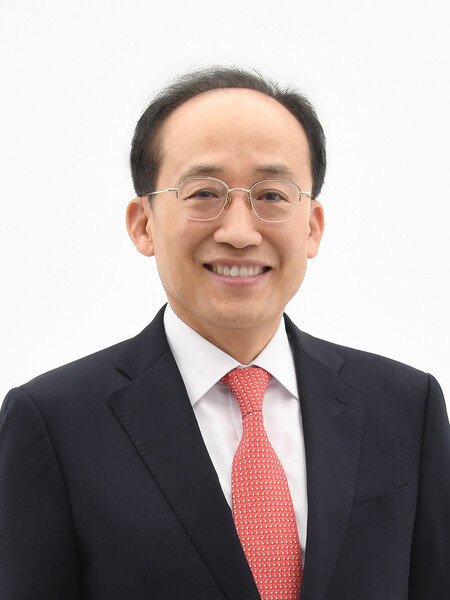
 ▲필자/ 김정기 '한국형 협상의 법칙(청년정신사)'의 저자. ©브레이크뉴스 |
*필자/김정기
● 학력- 뉴욕주립대학교(Stony Brook) 정치학과 수석 졸업- 마케트대학교(Marquette) 로스쿨 법학박사- 하버드대학교(Harvard) 케네디스쿨 최고위 과정- 베이징대학교(Peking) 북한학 연구학자
● 경력
세계스마트시티기구(WeGO) 사무총장 (현) -유엔 국제전기통신연합 (UN ITU) 가상세계 및 AI 글로벌 이니셔티브 집행위원(현) -제8대 주상하이 대한민국 총영사 -2010 상하이 세계 엑스표 대한민국관 정부대표 -법무법인 대륙아주 중국 총괄 미국변호사 -동국대학교 경영전문대학원 석좌교수 –숭실사이버대학교 총장 –칼럼니스트.
● 저서
1. 대학생을 위한 거로영어연구[전 10권](거로출판사) 2. 나는 1%의 가능성에 도전한다(조선일보사) 3. 한국형 협상의 법칙(청년정신사) 4. 대한민국과 세계 이야기 (도서출판 책미듬) 5. Korea and the World (Advance Reader Copy). Jeongkeekim@naver.com
[영문 칼럼]●President Lee Jae-myung’s Remarks on Israel — When Miscalculation Becomes National Risk
By Jeong-kee Kim, Political Columnist and Secretary General of the World Smart Sustainable Cities Organization(WEGO)
President Lee Jae-myung has, to some extent, demonstrated results in handling domestic issues through his use of political flexibility in personnel and a centrist, pragmatic approach. However, diplomacy is an entirely different domain.
Diplomacy is not a matter of instinct, but of verification. It is governed not by speed, bumt by restraint. Statements made between nations carry irreversible costs. A spontaneous remark posted overnight on X is inherently dangerous—especially in international affairs. A message produced without verification is not judgment; it is reckless speculation.
The problem is that his recent remarks regarding Israel crossed that line. Conclusions preceded facts, and were overlaid with a distinctly ideological moral framing rooted in activist-style progressivism. A complex international order was reduced to a binary of good and evil, with normative judgment placed above the realities of power. This is not a simple mistake. It is not ignorance—it is a structural misreading.
The counterpart is Israel—a nexus where security, history, religion, and politics converge. The moment the term “genocide” is invoked against such a state, diplomacy shifts from the realm of fact to that of emotional confrontation. Diplomacy is not about provoking emotion; it is about controlling it. This statement abandoned that fundamental principle.
More importantly, this is about structure. Israel is not merely an ally. It is a uniquely embedded partner within the American foreign policy and security architecture. Military, intelligence, political, and ideological dimensions are deeply intertwined—far beyond the scope of a conventional alliance. Any statement directed at Israel is, by extension, interpreted as a message to the United States. Failing to grasp this structure means losing direction from the outset.
The reality is even clearer. The American Israel Public Affairs Committee (AIPAC) and the broader pro-Israel network form a powerful structure linking Congress, campaign finance, public opinion, and policymaking. Remarks concerning Israel are rapidly converted into political risk.
The Jewish community in the United States, characterized by high political participation, strong philanthropic culture, and networks concentrated in professional sectors, exerts significant organizational influence across politics, business, academia, and media. On certain issues, this influence mobilizes rapidly and operates as tangible pressure. Israel-related discourse and accusations of antisemitism are prime examples.
Last year’s campus unrest in the United States illustrated this vividly. Claudine Gay of Harvard University and Liz Magill of University of Pennsylvania ultimately stepped down following controversy over congressional testimony. Leadership at Columbia University also faced severe pressure. At my alma mater, State University of New York at Stony Brook, President Maurie McInnis saw her authority significantly weakened amid internal no-confidence pressure and eventually moved on to lead Yale University. A single statement shook not only individuals, but entire institutions.
In American politics, the consequences are even more direct. Representative Ilhan Omar faced immediate backlash, demands for apology, and discussions of disciplinary action following remarks related to Israel. This issue is not a matter of opinion—it is a matter of political survival.
Europe is no different. Jeremy Corbyn and the Labour Party suffered a collapse in public trust after failing to contain antisemitism controversies, culminating in a devastating electoral defeat. One set of remarks brought down an entire political party.
The core point is simple: the moment a statement lacking factual grounding and contextual balance is interpreted as hostility toward a particular group—or as tolerance of antisemitism—the responsibility expands beyond the individual to the entire organization, triggering immediate institutional pressure. In the United States, this is not an opinion issue—it is a structural risk.
Yet President Lee’s remarks contained a critical flaw. Israel may be criticized. But such criticism must be accompanied by acknowledgment of terrorism threats and security realities. Diplomacy is not the art of speaking one side—it is the discipline of presenting the whole, including inconvenient truths. The moment this balance collapses, a message ceases to be justice and becomes bias.
The problem does not end with the statement itself. President Lee Jae-myung has continued his war of words with Israel, expanding the scope of the confrontation. He is moving in the opposite direction of where he should be—managing diplomatic tensions and designing an exit. More dangerous than a single mistake is persistence without correction; at that point, risk ceases to be an incident and hardens into structure.
This conflict does not remain confined to a bilateral relationship. Its repercussions cascade into relations with the United States, international financial markets, energy prices, and diplomatic credibility. Diplomatic messaging does not operate through a single channel but across a complex system.
This statement resembles domestic political signaling more than a diplomatic judgment. It links Middle East issues to high oil prices, exchange rates, and public anxiety, wrapping them in moral language. But the moment diplomacy is used as a tool of domestic politics, national interest is consumed.
What deserves closer attention is the underlying intent. This statement may go beyond a simple mistake and reflect a calculated move anticipating a postwar reordering of the Middle East. It may aim to manage relations with Iran, secure strategic space within the axis connecting China, Russia, and North Korea, and position Korea to play a role in reconstruction, energy, and infrastructure realignment.
However, such a judgment misreads the structure. The leadership of postwar order and reconstruction in the Middle East ultimately rests with the United States. Military power, financial systems, sanctions regimes, and alliance networks all operate within a U.S.-centered framework. Historically, postwar reconstruction has always been led by the architect of the order.
Ignoring this structure while clashing with the United States or repeating one-sided messages on Israel is not strategy—it is risk. Diplomacy does not end with isolated remarks; it accumulates, and that accumulation is ultimately measured as trust.
Once such statements are repeated, Korea risks being perceived as an “unpredictable partner.” At that point, options narrow, avenues of cooperation shrink, and the cost of exclusion rises.
The path to influence in the Middle East lies not in confrontation but in balance—building trust and maintaining a position that allows dialogue with all parties.
South Korea’s position is a sober one. We are not a great power that shapes the global order. While our economic, trade, and industrial capabilities rank within the world’s top ten—excluding finance—our overall national power and influence on the international stage remain at the level of a middle power, closer to the twentieth range. For that very reason, diplomacy demands greater precision and restraint. Words spoken without verification are not diplomacy; they are national risk.
The conclusion is clear. Ignorance clouds judgment, but miscalculation shakes the state. Filtering unverified facts, incorporating even unfavorable contexts, and exercising discipline to the very end—these are the fundamentals of diplomacy. Justice that bypasses this process does not persuade; it provokes conflict. That is why this statement is dangerous. It borrows the language of morality but ignores the grammar of diplomacy. A president’s words are not choices—they are outcomes. And it is the nation that ultimately bears the cost.
Jeongkeekim@naver.com
*Author / Jeong-kee Kim
● Education
-B.A. in Political Science (Summa Cum Laude), State University of New York at Stony Brook -Doctor of Jurisprudence, Marquette University Law School -Senior Executive Program, Harvard Kennedy School -Research Scholar in North Korean Studies, Peking University
● Professional Experience
-Secretary-General, World Smart Sustainable Cities Organization (Current) -Executive Committee Member, Virtual World & AI Global Initiative, International Telecommunication Union (Current) -8th Consul General of the Republic of Korea in Shanghai -Commissioner General, Korea Pavilion, Expo 2010 Shanghai China -Senior Attorney-at-Law, DR& Aju LLC -Distinguished Chair Professor, Graduate School of Business, Dongguk University -President, Soongsil Cyber University -Columnist
● Publications
-Georo English Studies Series for College Students (Georo Publishing) -I Challenge the Possibility of One Percent (Chosun Ilbo) -The Art of K-Negotiation (Cheongnyeonjeongsin Publishing) -Korea and the World (Chaekmideum Publishing)
*Email: Jeongkeekim@naver.com