정치는 선택이다. 어디에 서느냐가 곧 무엇을 하겠다는 선언이다. 그런 점에서 한동훈의 부산행은 단순한 출마지가 아니다. 그의 정치가 어디까지인지, 어디에서 멈추는지를 드러내는 결정적 장면이다.
지금 보수의 승부는 수도권에서 갈린다. 지방선거라고 해서 다르지 않다. 서울·경기·인천에서 밀리는 순간, 전체 판세의 흐름이 기운다. 선거는 지역을 더하는 싸움이 아니라, 민심의 방향이 어디로 움직이느냐의 문제다. 그리고 그 방향은 언제나 수도권에서 시작된다.
그럼에도 그는 이 전장을 떠났다. 대신 부산 북구을을 택했다. 선택은 분명하다. 어려운 정치 대신 유리한 판을 택한 것이다.
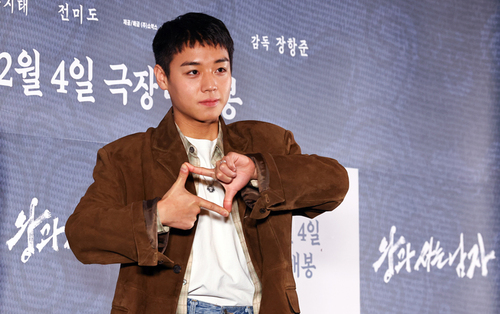
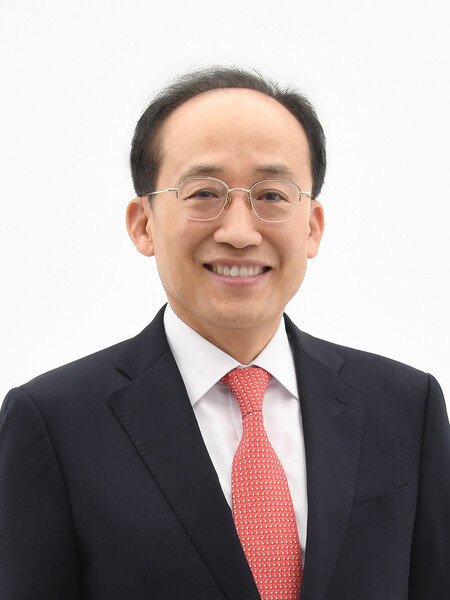
 ▲ 한동훈 전 국민의힘 대표. ©뉴시스 |
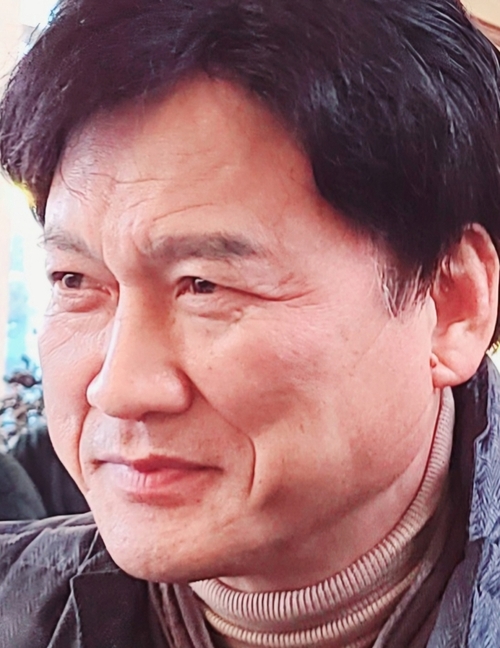
그러나 그 판단조차 안전하지 않다. 북구을은 빈 땅이 아니다. 이미 그곳에는 서사와 기반을 쌓아온 인물이 있다. 박민식이다. 그는 재선 국회의원이자 국가보훈부 장관을 지낸 정치인이다. 그러나 그의 본질은 이력에 있지 않다. 삶에 있다.
국가를 위해 전사한 아버지와 홀어머니 밑에서의 성장, 그의 서사는 개인의 경력을 넘어 한국 현대사의 한 단면과 맞닿아 있다. 유권자가 그를 지지하는 이유는 정책 이전에 그 삶의 무게에 있다.
이 지점에서 대비는 분명해진다. 한 사람은 수사 권력을 따라 형성된 경력이고, 다른 한 사람은 삶 속에서 축적된 이야기다. 이 차이는 단순한 이력의 차이가 아니라, 정치가 어디에서 출발하는가의 차이다.
이런 공간에 외부에서 들어가는 것은 가능하다. 그러나 명분 없는 진입은 도전이 아니라 침범에 가깝다. 분위기에 편승해 얻는 승리는 자산이 아니다. 정치는 자리를 차지하는 기술이 아니라 관계와 기억 위에 서는 일이기 때문이다.
더 큰 문제는 당 전체의 리스크다. 공천이 정리되지 않은 상태에서 유력 주자가 충돌하면 표는 갈린다. 이길 수 있는 선거를 스스로 무너뜨리는 구조, 이른바 ‘황금분할’이다. 이것은 개인의 판단을 넘어선 전략 실패다.
그리고 더 본질적인 문제는 지역에 대한 인식이다. 부울경은 단순한 영남이 아니다. TK가 군사정권의 기반이었다면, 부울경은 김영삼을 중심으로 반독재 민주화 투쟁을 이끌었던 공간이다. 이 지역은 정치적으로 깐깐하다. 외부 인사에 대한 검증은 냉정하고, 명분 없는 진입에는 결코 관대하지 않다.
여기서 반드시 짚고 넘어가야 할 것이 있다. 그가 김영삼을 언급했다는 점이다.
나는 내 고향 거제도의 선배인 김영삼 전 대통령을 존경한다. 30여 차례에 걸친 단독 오찬을 통해 나는 한국 현대 정치사를 직접 배웠다. 그것은 기록이 아니라 체험이었고, 지식이 아니라 전수였다. 그렇기에 감히 말한다. 김영삼을 입에 올리지 마라. 그의 정치 인생은 한 개인의 경력을 넘어선 역사 그 자체다.
그는 군사독재 정권에 맞서 목숨을 걸고 싸웠고, 3당 합당이라는 결단으로 권력 구조를 재편했으며, 대통령에 이르는 과정 자체가 한국 정치사의 한 축이었다. 대통령으로서도 그는 체제를 흔든 인물이었다. 하나회 숙청, 금융실명제 단행, 지방자치제 전면 실시, 고위공직자 재산공개 제도 도입과 같은 조치는 기득권과 정면 충돌하는 체제 전환이었다.
그렇다면 한동훈은 무엇을 했는가. 그에게 투쟁의 서사가 있는가. 정치검사로서 정권 초기에 수사 권력의 칼을 쥐고 앞장섰다가, 후반에는 등을 돌리는 방식으로 존재감을 유지해온 것 아닌가.
그의 승진 경로는 이를 분명히 보여준다. 2017년까지 검찰의 중간간부인 부장검사가 불과 5년 만에 법무부 장관에 올랐다. 중앙부처로 치면 과장에서 장관으로 직행한 셈이고, 군대로 치면 대령에서 대장까지 단숨에 뛰어오른 것과 다르지 않다. 이는 정상적인 노력의 결과라기보다 권력의 흐름 위에서 이루어진 초고속 도약이다. 그는 윤석열이 서울중앙지검장일 때 중앙지검 차장으로, 검찰총장 시절에는 중앙지검장으로, 대통령이 된 이후에는 법무부 장관으로 연이어 임명됐다. 이러한 후견인의 지원이 없었다면, 그는 조직 내 유능한 부장검사로 경력을 마쳤을 가능성이 크다.
문제는 그 이후다. 총선에서 당대표로서 참패를 경험하고도 정치적 책임과 성찰의 흔적이 보이지 않는다. 정치가 권력의 연장이 아니라 책임의 축적이라면, 이 공백은 치명적이다.
개인적 배경 또한 정치적 설득력으로 이어지지 않는다. 그는 안정된 검찰 경로를 따라왔고, 스스로 위험을 감수하며 기반을 만들어본 경험이 없다. 경제적으로도 독자적 성취의 서사는 빈약하다. 가족 배경은 설명이 될 수는 있어도 감동을 만들지는 못한다. 결국 남는 것은 하나다. 권력에 줄섰다가 돌아선 이력이지, 삶의 서사가 아니다.
결론은 분명하다. 이번 부산행은 스스로를 불사르는 도전이 아니라, 안전한 선택이다. 정치는 유리한 곳에서 이기는 기술이 아니다. 불리한 전장에서 판을 바꾸는 행위다. 선거는 결과로 평가되지만, 정치는 선택으로 기억된다. 그리고 그 선택은 이미 말해주고 있다. 그는 판을 바꾸러 간 것이 아니라, 판을 피해 간 것이다. Jeongkeekim@naver.com
 ▲필자/김정기 칼럼니스트. ©브레이크뉴스 |
*필자/김정기
● 학력- 뉴욕주립대학교(Stony Brook) 정치학과 수석 졸업- 마케트대학교(Marquette) 로스쿨 법학박사- 하버드대학교(Harvard) 케네디스쿨 최고위 과정- 베이징대학교(Peking) 북한학 연구학자
● 경력
세계스마트시티기구(WeGO) 사무총장 (현) -유엔 국제전기통신연합 (UN ITU) 가상세계 및 AI 글로벌 이니셔티브 집행위원(현) -제8대 주상하이 대한민국 총영사 -2010 상하이 세계 엑스표 대한민국관 정부대표 -법무법인 대륙아주 중국 총괄 미국변호사 -동국대학교 경영전문대학원 석좌교수 –숭실사이버대학교 총장 –칼럼니스트.
● 저서
1. 대학생을 위한 거로영어연구[전 10권](거로출판사) 2. 나는 1%의 가능성에 도전한다(조선일보사) 3. 한국형 협상의 법칙(청년정신사) 4. 대한민국과 세계 이야기 (도서출판 책미듬) 5. Korea and the World (Advance Reader Copy). Jeongkeekim@naver.com
[영문 칼럼]● A Critique of Han Dong-hoon’s Move to Busan — The Limits of Choosing Favorable Ground Over the Battleground
By Jeong-kee Kim, Political Columnist and Secretary General of the World Smart Sustainable Cities Organization(WEGO)
Politics is about choice. Where one stands is, in itself, a declaration of what one intends to do. In that sense, Han Dong-hoon’s move to Busan is not merely about a constituency. It is a defining moment that reveals the scope and limits of his politics.
The contest for conservatives is decided in the Seoul metropolitan area. Local elections are no exception. The moment they lose ground in Seoul, Gyeonggi, and Incheon, the overall balance of the race begins to tilt. Elections are not about adding up regions, but about which way public sentiment moves. And that direction is set in the capital region.
Yet he has left this battleground. Instead, he chose Busan’s Buk-gu Eul. The choice is clear: he opted for a favorable field over a difficult fight.
But even that calculation is not secure. Buk-gu Eul is not empty ground. It already has a figure with a deeply rooted narrative and base—Park Min-sik, a two-term National Assembly member and former Minister of Patriots and Veterans Affairs. Yet his essence does not lie in his résumé, but in his life.
Raised by a widowed mother after his father died in military service to the country, his story is not merely personal—it intersects with a chapter of modern Korean history. Voters are drawn to him not only for policy, but for the weight of that life.
Here, the contrast becomes unmistakable. One is a career shaped by proximity to power; the other is a life forged through experience. This is not just a difference in background—it is a difference in where politics begins.
Entering such a space from the outside is possible. But without justification, it is not a challenge—it is closer to intrusion. Victories gained by riding the mood of the moment do not become political assets. Politics is not the art of occupying positions, but of standing upon relationships and accumulated trust.
There is also a broader party-level risk. If nominations remain unsettled and leading figures collide, votes split. This creates a structure of self-inflicted defeat—the so-called “golden division.” It is not merely a personal misjudgment, but a strategic failure.
A deeper issue lies in the perception of the region itself. Busan, Ulsan, and Gyeongnam are not simply part of the broader Yeongnam bloc. While the TK region formed the backbone of past military regimes, this region was the center of pro-democracy resistance led by Kim Young-sam. It is politically discerning, rigorous in its scrutiny of outsiders, and never generous to those who enter without clear legitimacy.
This brings us to a critical point: Han invoked Kim Young-sam.
I hold deep respect for former President Kim Young-sam, a senior figure from my hometown of Geoje. Through more than thirty private luncheons, I learned modern Korean political history directly from him. It was not knowledge from books, but lived transmission. That is precisely why I must say this: do not invoke his name lightly. His political life transcends individual achievement—it is history itself.
He fought military dictatorship at the risk of his life, restructured the power order through the three-party merger, and his path to the presidency was itself a pillar of Korea’s political evolution. As president, he reshaped the system—purging the Hanahoe faction, implementing real-name financial transactions, introducing full-scale local autonomy, and mandating asset disclosure for high-ranking officials. Each measure was a direct confrontation with entrenched power.
What, then, has Han Dong-hoon done? Where is his narrative of struggle? Has he not built his presence as a political prosecutor—wielding the sword of power in the early phase of a regime, only to distance himself later?
His promotion trajectory makes this unmistakably clear. Until 2017, he was merely a mid-level prosecutor, yet within just five years he rose to become Minister of Justice. In bureaucratic terms, it is equivalent to jumping from a division director to a cabinet minister; in military terms, from colonel to four-star general in a single bound. This was not a normal progression, but a meteoric ascent driven by the currents of power. He was successively appointed by Yoon Suk-yeol as deputy chief prosecutor of the Seoul Central District Prosecutors’ Office when Yoon headed it, as chief prosecutor when Yoon became Prosecutor General, and as Minister of Justice after Yoon assumed the presidency. Without the backing of this patron, it is highly likely that his career would have concluded as that of a capable but ultimately conventional mid-ranking prosecutor.
The real issue lies in what followed. After leading his party to defeat in the general election, there has been no visible trace of political accountability or reflection. If politics is not an extension of power but an accumulation of responsibility, this absence is critical.
His personal background also fails to translate into political persuasion. He followed a stable prosecutorial path and has not demonstrated experience in building an independent base through risk. Economically, there is little narrative of self-made achievement. Family background may explain—but it does not inspire. What ultimately remains is not a life story, but a record of aligning with power and later turning away.
The conclusion is clear. This move to Busan is not expansion—it is evasion. It is not a challenge, but a selective landing. Politics is not about winning on favorable ground. It is about entering difficult arenas and reshaping the game. Elections are judged by results, but politics is remembered through choices. And this choice already tells us everything: he did not go to change the board—he went to avoid it.
*Author / Jeong-kee Kim
● Education
-B.A. in Political Science (Summa Cum Laude), State University of New York at Stony Brook -Doctor of Jurisprudence, Marquette University Law School -Senior Executive Program, Harvard Kennedy School -Research Scholar in North Korean Studies, Peking University
● Professional Experience
-Secretary-General, World Smart Sustainable Cities Organization (Current) -Executive Committee Member, Virtual World & AI Global Initiative, International Telecommunication Union (Current) -8th Consul General of the Republic of Korea in Shanghai -Commissioner General, Korea Pavilion, Expo 2010 Shanghai China -Senior Attorney-at-Law, DR& Aju LLC -Distinguished Chair Professor, Graduate School of Business, Dongguk University -President, Soongsil Cyber University -Columnist
● Publications
-Georo English Studies Series for College Students (Georo Publishing) -I Challenge the Possibility of One Percent (Chosun Ilbo) -The Art of K-Negotiation (Cheongnyeonjeongsin Publishing) -Korea and the World (Chaekmideum Publishing) *Email: Jeongkeekim@naver.com