한동훈 국민의힘 전 당대표가 부산에서 던진 “보수 재건의 동남풍을 일으키겠다”는 선언은 정치의 본질을 꿰뚫는 은유(隱喩)이다. 이 표현은 자연스럽게 적벽대전과 그 승부를 갈랐던 제갈량을 떠올리게 한다. 그는 제갈량이다?
적벽대전에서 조조는 압도적 전력과 체계적 전략으로 승리를 기약했다. 병사들의 멀미를 막기 위해 배를 쇠사슬로 묶는 ‘연환계’는 효율성과 안정성을 동시에 확보할 수 있었던 계책이었다. 하지만 제갈량이 '동남풍'을 일으키자 그게 오히려 치명적 약점으로 변했다. '불화살' 한방이 모든 배들을 태워버릴 수 있었기 때문이다.
지금의 정치 상황 역시 그 당시와 매우 유사하다. 민주당은 압도적 승리에 도취된 채 제도와 권력을 일체화시키고, 견제 장치를 스스로 약화시키고 있다. 그래도 아무 문제 없을 거라고 착각한다. 이는 더 이상 유연한 시스템이 아니라 하나의 “연환계”인 것이다.
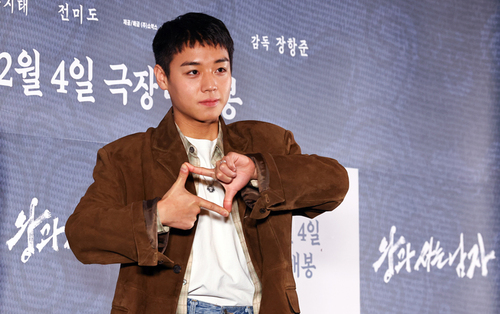
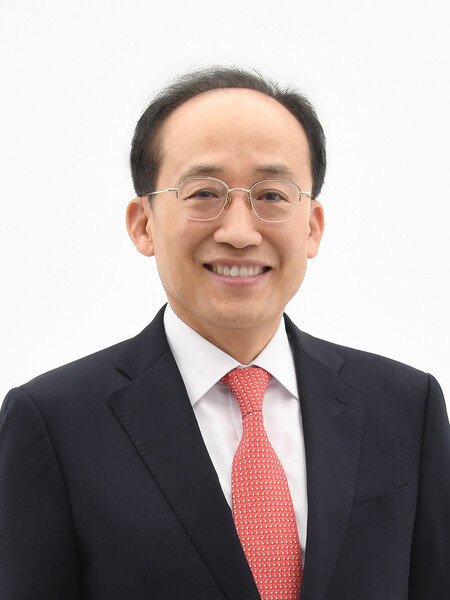
 ▲ 한동훈 전 국민의힘 대표. ©뉴시스 |
겉으로는 매우 견고해 보이지만, 내부적으로는 단발적 충격에도 무너질 수 있는 취약한 구조일 수 있다. 변화에 대한 대응 능력이 떨어지고, 내부의 긴장이 사라지기 때문이다. 명석하다는 조조도 '동남풍' 가능성은 생각해보지도 않았다.
여기에서 제갈량의 신묘함이 부각된다. 그는 병력도, 물자도 부족했지만 ‘바람’ 방향을 알았다. 나아가 결정적 순간에 바람을 만들어냈던 것이다. 모두가 북서풍을 당연하게 여길 때, 동남풍은 상상조차 하기 어려웠을 것이었다.
한동훈의 ‘동남풍’ 역시 이러한 맥락에서 해석할 수 있다. 단순한 지지율 반등이나 조직 재정비를 의미하는 것보다 정치 개혁 의지의 표현인 것이다. 특히 부산이라는 공간 선택은 상징적이다. 부산은 한국 정치에서 늘 변곡점의 역할을 해왔다. 익숙한 기반이 아닌 긴장과 경쟁이 존재하는 지역에서 변화를 시도하겠다는 것은, 안전한 길보다 결정적 승부를 택하겠다는 선언에 가깝다. 그렇기에 명분이 충분하다.
또한 그는 “정치는 대통령이 아니라 시민을 보고 해야 한다”고 강조했다. 이는 권력의 정당성이 어디에서 비롯되는지를 분명히 하는 발언이다. '연환계'의 본질이 권력의 집중이라면, '동남풍'의 본질은 권력의 분산과 재정렬이다. 상식이다. 시민을 향한 정치만이 경직된 구조를 흔들 수 있는 유일한 동력이라는 점을 짚은 것이다.
제갈량의 ‘동남풍’은 요술이지만, 한동훈의 '동남풍'은 민심이다. 진솔함이다. 그리고 신뢰다. 기존 권력이 스스로 경직되고, 시민들이 변화의 필요성을 체감하면 비로소 '동남풍'이 부는 것이다. 그 동남풍에 불화살을 실어 날리면 그 작은 불씨가 어마어마한 파괴력을 갖게 된다.
한국 보수가 지금 필요로 하는 건 억지주장이 아니라, 방향과 타이밍이다. 바로 한동훈의 '동남풍'에 편승하는 것이다. 국힘은 '부산 북갑 무공천'으로 방향을 잡아야 한다. 역사는 늘 바람의 편에 섰다. 바람을 기다릴 게 아니라 바람을 만들어 내야 한다. 그 바람은 민심이다. 제갈량도 동남풍을 기다라지 않고 만들어냈던 것이다. YS도 그랬다. 한동훈도 그럴 것이다. yslee1992@hotmail.com
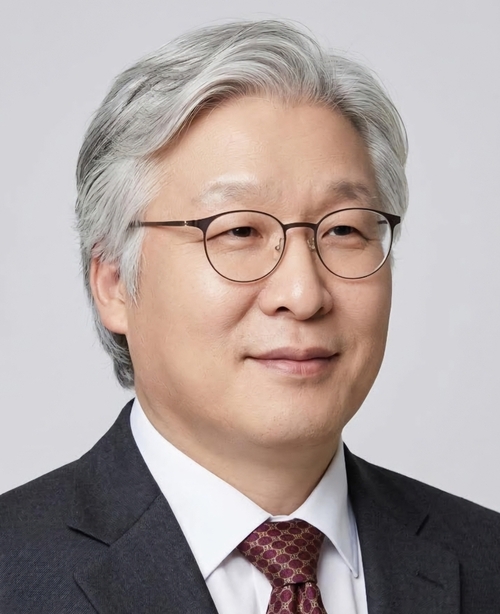
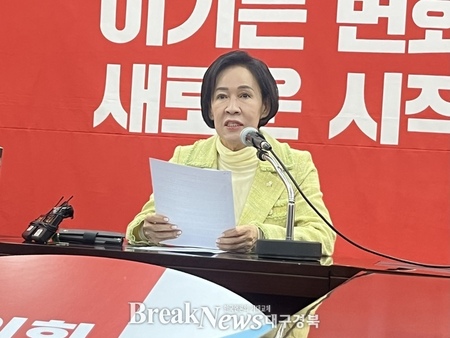
 ▲필자/ 이양승 군산대 교수. ©브레이크뉴스 |
*필자/이양승
군산대 교수. 국제경제, 게임이론 그리고 지역 발전전략에 대해 연구하는 학자이다. 현재 국립 군산대 무역학과 교수로 재직 중이다. 이전엔 캐나다 앨버타 대학교(University of Alberta) 경제학과에서 ‘게이임(gaming)’에 대해 연구와 강의를 했으며, 한국건설산업연구원에서 연구위원으로 근무했다.
전북 남원에서 출생해 전주한일고와 전북대 상과대학을 졸업했다. 이후 미국으로 건너가 노스 캐롤라이나 주립대학교 (North Carolina State University)에서 통계학과 경제학을 공부해 석사를 받았으며, 캔자스 대학교(The University of Kansas)에서 산업조직과 게임이론에 대한 연구로 경제학 박사를 받았다.
저서로는 '메트로 이코노미 (타임라인)'과 ‘와일드 게임이론 (박영사)’, ‘무역학개론(공저, 두남)’, ‘문화지체에 빠진 건설산업 (공저, 한국건설산업연구원)’ '자유무역론(박영사)' 등이 있고, 36편의 단독연구 학술논문이 있다.
*아래는 위 기사를 '구글 번역'으로 번역한 영문 기사의 [전문]입니다. '구글번역'은 이해도 높이기를 위해 노력하고 있습니다. 영문 번역에 오류가 있을 수 있음을 전제로 합니다.<*The following is [the full text] of the English article translated by 'Google Translate'. 'Google Translate' is working hard to improve understanding. It is assumed that there may be errors in the English translation.>
Zhuge Liang’s ‘Southeast Wind’ and Han Dong-hoon’s ‘Southeast Wind’: “Han Dong-hoon = Zhuge Liang”
- Lee Yang-seung, Professor at Kunsan National University
The declaration made by former People Power Party leader Han Dong-hoon in Busan—“I will raise a southeast wind for the reconstruction of conservatism”—is a metaphor that penetrates the essence of politics. This expression naturally brings to mind the Battle of Red Cliffs and Zhuge Liang, who decided the outcome of that battle. Is he Zhuge Liang?
At the Battle of Red Cliffs, Cao Cao promised victory through overwhelming military power and systematic strategy. The ‘Chain Stratagem,’ which involved chaining ships together with iron chains to prevent seasickness among soldiers, was a stratagem that could secure both efficiency and stability. However, when Zhuge Liang unleashed the ‘southeast wind,’ this actually turned into a fatal weakness. This was because a single ‘fire arrow’ could burn down all the ships.
The current political situation is also very similar to that era. Intoxicated by their overwhelming victory, the Democratic Party is integrating institutions with power and weakening its own checks and balances. Yet, they remain under the delusion that there will be no problems. This is no longer a flexible system, but a mere "chain stratagem."
While it may appear very solid on the surface, internally it could be a vulnerable structure capable of collapsing from even a single shock. This is because the ability to respond to change is diminishing, and internal tension is disappearing. Even Cao Cao, known for his brilliance, never considered the possibility of a "southeast wind."
This highlights the extraordinary nature of Zhuge Liang. Despite lacking troops and supplies, he knew the direction of the "wind." Furthermore, he created the wind at the decisive moment. When everyone took the northwest wind for granted, a southeast wind would have been unimaginable.
Han Dong-hoon's "southeast wind" can also be interpreted in this context. It signifies more than just a simple rebound in approval ratings or organizational restructuring; it is an expression of his will for political reform. The choice of Busan as the location is particularly symbolic. Busan has always served as a turning point in Korean politics. Attempting change in a region of tension and competition, rather than on a familiar ground, is akin to a declaration of choosing a decisive victory over a safe path. Therefore, the justification is sufficient.
Furthermore, he emphasized, “Politics must be conducted with the citizens in mind, not the President.” This statement clarifies where the legitimacy of power originates. If the essence of the ‘Chain Stratagem’ is the concentration of power, the essence of the ‘Southeast Wind’ is the dispersion and realignment of power. This is common sense. He pointed out that politics directed toward the citizens is the sole driving force capable of shaking a rigid structure.
While Zhuge Liang’s ‘Southeast Wind’ was a form of sorcery, Han Dong-hoon’s ‘Southeast Wind’ is public sentiment. It is sincerity. And it is trust. The ‘Southeast Wind’ blows only when the existing power becomes rigid and citizens tangibly feel the need for change. If a fire arrow is launched aboard that southeast wind, that small spark acquires tremendous destructive power.
What Korean conservatives need right now is not forced arguments, but direction and timing. It is precisely about riding the wave of Han Dong-hoon's "Southeast Wind." The People Power Party must set its course by deciding not to nominate a candidate in Busan Buk-gap. History has always stood on the side of the wind. We should not wait for the wind, but create it. That wind is public sentiment. Even Zhuge Liang did not wait for the Southeast Wind, but created it. YS did the same. Han Dong-hoon will likely do the same. yslee1992@hotmail.com
*Author/Lee Yang-seung
Professor at Kunsan National University. He is a scholar who researches international economics, game theory, and regional development strategies. He is currently a professor in the Department of International Trade at Kunsan National University. Previously, he conducted research and lectured on "gaming" at the Department of Economics at the University of Alberta in Canada and worked as a research fellow at the Korea Institute of Construction Industry Research.
Born in Namwon, Jeonbuk, he graduated from Jeonju Hanil High School and the College of Commerce at Jeonbuk National University. He later moved to the United States and earned a master's degree in statistics and economics from North Carolina State University, and a Ph.D. in economics from the University of Kansas with research on industrial organization and game theory.
His publications include *Metro Economy* (Timeline), *Wild Game Theory* (Park Youngsa), *Introduction to Trade* (co-authored, Dunam), *The Construction Industry in Cultural Lag* (co-authored, Korea Institute of Construction Industry Research), and *Free Trade* (Park Youngsa), as well as 36 academic papers based on his own research.