|
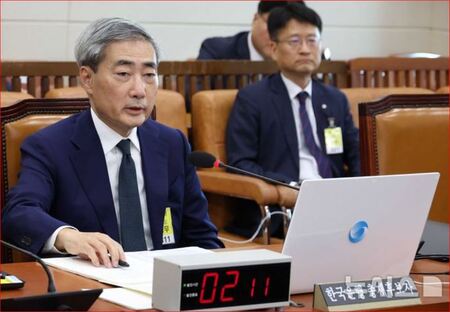
【충북 브레이크뉴스】임창용 기자=충주시의회 홍성억 의원이 제302회 임시회 본회의 자유발언을 통해 축산 악취 문제를 충주시 행정의 최우선 과제로 다뤄야 한다고 강하게 촉구했다.
홍 의원은 최근 5년간 민원 데이터를 분석하고 악취 민원이 집중된 5개 지역을 직접 방문한 결과를 토대로 이번 발언에 나섰다. 2021년부터 2026년까지 접수된 686건의 축산 악취 민원 중 중앙탑면이 25.4%로 가장 많았고, 신니면 22%, 주덕읍 18%가 뒤를 이었다. 특히 관내 전체 농장 가운데 단 5곳의 대형 축산 사업장이 전체 민원의 절반 가까이를 유발하고 있는 것으로 나타났다. 홍 의원은 이를 근거로 "행정력을 어디에 집중해야 하는지 명확히 보여주는 증거"라고 지적했다.
피해 실태도 구체적으로 제시됐다. 중앙탑면 용전리 일대에는 아파트 단지를 포함해 2,400여 세대 5,200여 명이 밀집해 있고, 신니면에서는 인근 학교까지 악취 영향권에 들어가 학부모들의 우려가 깊은 상황이다. 동량면 대전리에서는 지난해 12월 축사 분뇨 유출로 추정되는 소하천 물고기 집단 폐사까지 발생했다. 홍 의원은 5개 지역 피해 주민이 보수적으로 잡아도 약 2,700세대 7,400여 명에 달한다고 밝혔다.
민원 유형을 보면 주거지 악취 유입이 46%로 가장 많았고, 야간·새벽 등 취약 시간대 민원이 26%를 차지했다. 그러나 시의 대응은 현장점검과 행정지도가 60%, 민원 상담이 18%로 전체 조치의 약 80%가 사실상 계도 수준에 그쳤다. 실질적인 행정처분은 5%, 과태료 및 사법조치는 단 3%에 불과했다. 홍 의원은 "공무원이 점검만 하고 가면 끝이냐는 주민들의 목소리가 이 수치에 담겨 있다"며 보여주기식 행정의 한계를 날카롭게 짚었다.
이에 홍 의원은 네 가지 개선책을 제안했다. 먼저 실측 데이터를 기반으로 취약 시간대와 지역에 행정력을 전략적으로 집중하는 표적 관리 체계를 강화해야 한다고 밝혔다. 아울러 현재 수질환경과에 악취 전담 현장 감시 인력이 전무한 점을 들어, 1999년 제정된 충주시 환경 기본 조례에 근거한 명예환경감시원 제도를 조속히 활성화할 것을 촉구했다. 또한 명예환경감시원에게 휴대용 악취 측정기를 지급해 취약 시간대 현장 상황을 객관적 수치로 기록하고 신속한 행정 대처를 뒷받침할 수 있도록 해야 한다고 강조했다. 마지막으로 공기 차단막, 이중 출입문, 실시간 악취 감지기 등 현대화 시설 설치를 농가에 적극 지원함으로써 비용 절감과 주민 쾌적성을 동시에 달성하는 상생 구조를 만들어야 한다고 주장했다.
홍 의원은 "악취는 약품으로 가린다고 사라지지 않는다"며 "정확한 현장 측정과 첨단 장비 활용, 주민과의 긴밀한 협력이 맞물릴 때 비로소 지금의 고통이 실질적으로 개선될 수 있다"고 마무리했다.
아래는 위 기사를 '구글 번역'으로 번역한 영문 기사의 [전문]입니다. '구글번역'은 이해도 높이기를 위해 노력하고 있습니다. 영문 번역에 오류가 있을 수 있음을 전제로 합니다.
The following is [the full text] of the English article translated by 'Google Translate'. 'Google Translate' is working hard to improve understanding. It is assumed that there may be errors in the English translation.)
Chungju City Council Member Hong Seong-eok: "Livestock Odor Threatens the Livelihood of 7,400 Citizens... Administrative Response Must Be Completely Overhauled"
Chungju City Council Member Hong Seong-eok strongly urged that the issue of livestock odor be treated as the top priority of the Chungju City administration during his free speech at the plenary session of the 302nd extraordinary session.
Council Member Hong based his remarks on the results of analyzing complaint data from the past five years and personally visiting five areas where odor complaints were concentrated. Of the 686 livestock odor complaints received from 2021 to 2026, Jungangtap-myeon accounted for the highest percentage at 25.4%, followed by Sinni-myeon at 22% and Judeok-eup at 18%. In particular, it was found that just five large-scale livestock facilities within the jurisdiction were responsible for nearly half of all complaints. Based on this, Council Member Hong pointed out that this serves as "clear evidence showing where administrative resources should be concentrated."
The extent of the damage was also presented in detail. In the Yongjeon-ri area of Jungangtap-myeon, approximately 5,200 people across 2,400 households are densely concentrated, including apartment complexes. In Sinni-myeon, parents are deeply concerned as nearby schools are affected by the foul odor. In Daejeon-ri, Dongnyang-myeon, a mass fish kill occurred in a small stream last December, presumed to be caused by livestock manure leakage. Assemblyman Hong stated that, even with a conservative estimate, the number of affected residents across the five areas amounts to about 7,400 people from approximately 2,700 households.
Looking at the types of complaints, the influx of foul odors into residential areas was the most frequent at 46%, while complaints during vulnerable hours such as night and early morning accounted for 26%. However, the city's response consisted of 60% on-site inspections and administrative guidance, and 18% complaint consultations; effectively, about 80% of the total measures were limited to guidance. Substantive administrative sanctions accounted for only 5%, while fines and judicial actions amounted to a mere 3%. Representative Hong sharply pointed out the limitations of performative administration, stating, "These figures capture the voices of residents asking if it is enough for public officials to simply conduct inspections and leave."
In response, Representative Hong proposed four improvement measures. First, he stated that a targeted management system must be strengthened to strategically concentrate administrative resources on vulnerable times and regions based on actual measurement data. Furthermore, noting the complete lack of dedicated field monitoring personnel for odors within the Water Quality and Environment Division, he urged the prompt activation of the Honorary Environmental Monitor system, which is based on the Chungju City Environmental Basic Ordinance enacted in 1999. He also emphasized that portable odor meters should be provided to Honorary Environmental Monitors to record on-site conditions during vulnerable hours in objective numerical terms and support swift administrative responses. Finally, he argued that a mutually beneficial structure must be established to achieve both cost reduction and resident comfort simultaneously by actively supporting farms with the installation of modern facilities, such as air barriers, double doors, and real-time odor detectors.
Representative Hong concluded by stating, "Foul odors do not disappear simply by masking them with chemicals," adding, "Only when accurate on-site measurements, the use of advanced equipment, and close cooperation with residents are combined can the current suffering be substantially alleviated."
원본 기사 보기:충북 브레이크뉴스