▲ ‘일이관지(一以貫之)-‘조선춤방’ 포스터 / 자료제공 국립국악원 © 이일영 칼럼니스트 |
개화기 이후부터 일제 강점과 광복에 이어 전쟁을 겪은 1960년대까지의 역사 속에서 민족의 몸짓을 매만져 온 근현대 전통춤의 맥과 계보를 짚어보는 특별한 기획공연 ‘조선춤방’이 주목된다.
17일부터 6일간 국립국악원 풍류 사랑방에서 열리는 공연은 사상과 행동이 하나의 원리로 통일되어 꿰뚫고 있다는 뜻을 담은 ‘일이관지(一以貫之)-예술로 꿰뚫다’는 제목과 부제 ‘조선춤방’으로 펼치는 격동의 몸짓을 고스란히 품은 공연이다.
국립국악원(원장 김영운) 연중 기획 중 마지막 공연인 ‘조선춤방’은 기악, 성악, 무용을 아우르는 전통 예인들의 무대로 권번, 사설국악원, 고전무용학원을 중심으로 전승된 근현대 전통춤의 새로운 맥을 망라한 조선 팔도 춤방의 춤 잔치이다. 근현대 전통춤의 맥과 계보를 짚어보는 기획이다.
나아가 갑오개혁 당시 신분제도 폐지에 따라 관기가 폐지되면서 일제강점기에 등장한 권번(券番)에서 예기(藝妓) 또는 사범으로 지방마다 이름난 명무(名舞)들이 있었다. 광복 후 이들은 사설국악원으로, 한국전쟁 이후에는 고전무용학원을 열어 춤의 명맥을 이어갔다. 이들은 가무에 능한 명인들이었다.
이러한 역사를 품은 ‘조선춤방’ 공연은 맥과 계보의 이름에 ‘춤방’이라는 타이틀을 붙여, 우리나라 남북한 전 지역을 아우른 17개 춤방의 34개 전승 작품을 무대에 올린다. 공연은 권위적인 문화재 중심의 고정된 시각에서 벗어나 서민의 애환과 동행한 몸짓의 숨결을 헤아린 전통춤의 계보를 정리하고 있다.
이번 공연에서 특별하게 중시되는 내용은 각 춤방의 연습실에서 전승되고 있는 기본 무를 작품화한 점이다. 과거에 춤을 배우던 방식대로 선대 사범의 춤에서 특징적인 발디딤과 동작의 특성을 모아 춤 사범과 악사의 구음과 장구에 맞추어 기본 무를 작품처럼 선보이는 것이다.
이에 권번과 사설국악원에서 기본적으로 강습하는 ‘검무’, ‘승무’, ‘수건춤’의 다양성과 특성을 동시에 살펴볼 수 있는 소중한 공연이다.
 ▲ ‘일이관지(一以貫之)-‘조선춤방’ 공연 프로그램 안내 / 자료제공 국립국악원 © 이일영 칼럼니스트 |
필자는 보도자료를 받아 들고 방대하고 정통한 내용에 놀라웠다. 전문 기관인 국립국악원의 소명과 역할에 대한 소중함이 돋보이는 기획이 쉽게 느껴졌다, 나아가 무용 인류학자로 한국춤문화자료원을 이끌고 계시는 최해리 박사님의 경륜이 감지되어 연락하였더니 ‘조선춤방’ 공연의 기획 자문을 맡고 있었다.
살펴야 할 내용이 많아 인터뷰를 요청하였다. 최해리 박사님의 설명을 정리하면 격동의 역사 속에서 사설국악원과 고전무용학원을 바탕으로 민족의 몸짓전통춤을 전승하고 후학들을 양성하였던 춤 사범의 춤과 정신은 가족과 제자들에 의해 각 계보로 탄생하였다.
그러나 춤 사범들이 정재, 연희, 소리 등 어느 한 종목에 묶이게 되면서 춤의 계보가 희미해졌으며 문화재 비지정 춤은 그 전승이 단절되었다. 또한, 대학의 전통 예술교육을 통한 인재 양성 체제가 구축되면서 오랜 전승을 바탕으로 생성된 춤 사범 춤의 맥락은 물론 시대의 몸짓과 숨결이었던 예인들은 기억에서 사라져 갔다.
이러한 관점에서 시대를 관통한 전국의 춤방에서 활동한 춤 사범들의 소중한 문화적 유산을 헤아려 보는 공연에 중점을 두었다는 것이다. 이에 후계자들이 재현하는 춤은 우리의 삶과 동행한 숨결과 같은 의미에서 서민의 생활 속에서 다듬어 온 우리의 그림 민화와 같은 맥락이다.
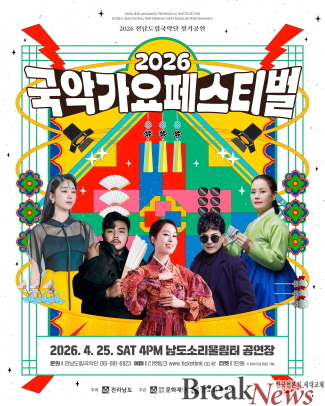
 ▲ ‘일이관지(一以貫之)-예술로 꿰뚫다’ 포스터 / 자료제공 국립국악원 © 이일영 칼럼니스트 |
최해리 박사는 이번 공연 ‘조선춤방’을 위하여 권번에서 사설국악원과 고전무용학원으로 이어진 역사에서 소문난 춤 사범과 제자들이 있는 전국 곳곳을 찾았다. 그러나 흔적마저 사라진 안타까운 빈 춤판이 많았다. 또한, 오랜 소외에 배어 대중 앞에 서기 두려워한 우리의 춤 사범과 후예들을 ‘조선춤방’ 무대에 꼭 초대하고 싶다.”는 바램을 쏟아냈다.
“문화재 중심의 시각에서 벗어나 이번 공연을 살펴보면 훨씬 더 풍성한 우리의 춤이 드러납니다. 그 속에서 각각의 춤을 바라보면 우리 춤의 정신과 가치가 새롭게 다가옵니다”라는 최 박사님의 열정을 되새겨 우리의 춤에 담긴 소중한 미학을 건져 올리는 계기가 되었으면 한다.
우리나라 남북한 전 지역을 아우른 17개 춤방의 34개 전승 작품 하나하나의 춤판이 역사를 품어온 숨결처럼 소중하다. 최해리 박사님의 도움을 받아 이어서 시리즈로 소개하려 한다. artwww@naver.com
필자: 이일영
한국미술센터 관장. 칼럼니스트. 시인
*아래는 위 기사를 '구글 번역'으로 번역한 영문 기사의 [전문]입니다. '구글번역'은 이해도 높이기를 위해 노력하고 있습니다. 영문 번역에 오류가 있을 수 있음을 전제로 합니다.<*The following is [the full text] of the English article translated by 'Google Translate'. 'Google Translate' is working hard to improve understanding. It is assumed that there may be errors in the English translation.>
Attention is drawn to the special planned performance "Joseon Dance Room," which points out the pulse and lineage of modern and contemporary traditional dances that have touched the gestures of the nation in the history of the 1960s following the Japanese occupation and liberation.
The performance, which will be held at the Pungryu Sarangbang of the National Gugak Center for six days from the 17th, is a performance with the title of "Iligwanji (one 以貫) - Through Art," which means that thoughts and actions are unified and penetrated by one principle, and the subtitle "Joseon Dance Room."
The last performance of the year-round plan of the National Gugak Center (Director Kim Young-woon), "Joseon Dance Room," is a stage for traditional artists covering instrumental, vocal, and dance, and is a dance feast of the Joseon Paldo Dance Room, which encompasses the new vein of modern and contemporary traditional dance passed down around Kwon Bon, private Gugak Center, and classical dance academy. It is a plan to examine the pulse and lineage of modern and contemporary traditional dance.
Furthermore, as government Gisaeng was abolished due to the abolition of the status system during the Gabo Reform, there were famous 舞 in each province as a 藝妓 or a master in Gwonbeon (券番), which appeared in the Japanese colonial era. After liberation, they opened a private Korean traditional music center and a classical dance academy after the Korean War to continue their dance history. These were masters of singing and dancing.
The "Joseon Dance Room" performance, which has this history, will feature 34 traditional works from 17 dance rooms covering all regions of South and North Korea, with the title "Dance Room" attached to the name of Mac and genealogy. The performance organizes the genealogy of traditional dance, which reflects the breath of gestures accompanied by the sorrows of the common people, away from a fixed perspective centered on authoritative cultural properties.
What is particularly important in this performance is that it is a work of basic dance that is handed down in the practice room of each dance room. In the way the dance was learned in the past, the characteristic footsteps and movements of the previous master are collected, and the basic dance is presented like a work in accordance with the old sound and janggu of the dance master and musician.
Therefore, it is a valuable performance that allows you to examine the diversity and characteristics of "Geommu", "Buddhist Dance", and "Towel Dance", which are basically taught by Kwon Bun and the Private Gugak Center.
I received the press release and was amazed by the vast and informed content. It was easy to feel the importance of the calling and role of the National Gugak Center, a professional organization, and I contacted Dr. Choi Ha-ry, who is leading the Korean Dance and Culture Institute as a dance anthropologist, because I felt the experience.
I asked for an interview because there was a lot to look at. To summarize Dr. Choi Harry's explanation, the dance and spirit of the dance teacher, who passed on the national body and traditional dance based on the private Gugak Center and classical dance academy in the turbulent history, were born by his family and disciples.
However, as dance masters were bound to any one event, such as Jeongjae, Yeonhui, and Sound, the genealogy of dance faded, and the transmission of non-designated dances as cultural assets was cut off. In addition, as the university's traditional art education system was established, not only the context of the dance teacher dance created based on the long tradition, but also the artists who were the gestures and breath of the times disappeared from memory.
From this point of view, the focus was on performances that looked at the precious cultural heritage of dance teachers who worked in dance rooms across the country throughout the times. Accordingly, the dance reproduced by the successors is in the same context as our painting folk paintings that have been refined in the lives of the common people in the same sense as the breath accompanying our lives.
Dr. Choi Harry visited various parts of the country where famous dance teachers and students are located in the history of Kwonbeon to private Gugak Center and classical dance academy for the performance "Joseon Dance Room." However, there were many unfortunate empty dance boards where even the traces disappeared. In addition, I want to invite our dance teachers and descendants, who are afraid to stand in front of the public due to long alienation, to the "Chosun Dance Room" stage.
"If you look at this performance away from the perspective of cultural properties, you can see our much richer dance. Looking at each dance in it, I hope it will serve as an opportunity to raise the precious aesthetics contained in our dance by reflecting on Dr. Choi's passion that the spirit and value of our dance come anew.
Each of the 34 traditional works of 17 dance rooms encompassing all regions of South and North Korea is as precious as the breath of history. With the help of Dr. Choi Harry, I would like to introduce it as a series. artwww@naver.com
Author: Lee Il Young
the director of the Korean Art Center. a columnist