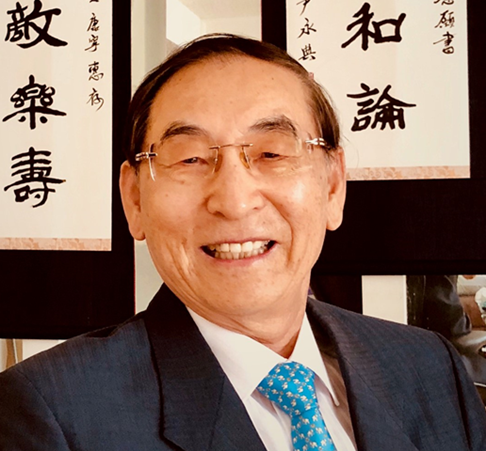
▲ 정길선 박사 ©브레이크뉴스 |
1944년 프리슈티나에서 출생한 루고바는 다수의 알바니아인들이 소수의 세르비아인들에 의해 지배되는 기형적인 환경에서 성장했다. 그는 파리에서 대학을 거친 뒤 코소보의 프리슈티나 대학에서 강의를 하면서 저서를 통해 이름을 떨쳤던 인물이다. 알바니아인들의 인권신장과 독립에 한평생을 바친 알바니아계 코소보 인들의 國父이기도 하다. 무장투쟁을 주창해 온 코소보 해방군 세력의 극단주의 노선을 가진 코소보 알바니아의 인권 운동가이자 코소바 독립 노동 조합 연합(BSPK)의 회장인 아김 하이리지(Agim Hajrizi, 1961~1999), 메헤 우카(Mehë Uka, 1962~1996)와는 달리 루고바는 평화주의적 노선의 기조를 지켜온 인물이었다.
그래서 루고바는 세르비아 정부나 국제기구에서 협상대상으로 가장 선호하는 인물이었다. 코소보 역사에 족적을 남긴 그의 역할 덕에 "조국의 아버지", "발칸의 간디"로 불리고 있다. 따라서 그는 1992년부터 2000년까지 코소바 공화국의 대통령을 지냈으며 2002년부터 2006년까지 코소보의 대통령을 지냈다. 1989년 민주동맹(LDK)을 창당했으며, 코소보 내 알바니아계 90%의 지지를 얻어 평화적인 독립을 추구했다. 예비 내각을 구성해 코소보 알바니아인들을 위한 교육, 복지제도를 확충했던 인물이다. 그러나 반면 메헤 우카는 알바니아 정신을 계몽하고 교육하는 교육자였으며 코소보의 학생들에게 독립정신을 심어 주었지만 그 방식은 매우 폭력적이고 잔혹했다.
아김 하이리지는 알바니아인들의 인권을 수호했던 인물로 유고슬라비아 산하에 있을 때부터 알바니아계 코소보 노동자들의 권익을 대표해왔었다. 그 또한 미국의 지원을 받아 베오그라드에서 폭동을 주도했다. 과격했던만큼 아김 하이리지나 메헤 우카의 최후는 좋지 못했다. 메헤 우카는 1996년 12월 29일 미트로비차 지방의 루슈테 마을에서 세르비아 군대의 매복 공격을 받아 그곳에서 살해되었다. 아김 하이리지는 코소보 전쟁 중에 1999년 3월 24일 미트로비차에 있는 그의 집에서 세르비아 민병대들에 의해 어머니 나즈미에(Nazmie)와 12세 아들 일리르(Ilir)와 함께 살해되었다.
그는 세르비아 군대에 의해 살해된 다른 저명한 알바니아계 코소보인과 같은 정치적으로 위험한 인물이라 판명되어 표적이 된 것으로 보인다. 한편 1989년 밀로셰비치 아래서 코소보의 자치가 폐지되었고 세르비아 민족주의가 부상하면서 알바니아인들은 대량 해고되었다. 세르비아 대통령 슬로보단 밀로셰비치가 1989년 코소보 자치를 축소한 후로 유고슬라비아 정부에 의한 가혹한 탄압이 코소보 전역에 걸쳐 행해져서 알바니아인들은 국영 기업과 기관에서 쫓겨났다. 코소보 해방군이 1996년부터 세르비아와 유고슬라비아군에 대해 공격을 시작했지만 프리슈티나는 1999년 3월의 코소보 전쟁 발발 때까지 대체로 잠잠했다.
프리슈티나는 세르비아 군에 심하게 당한 갸코바, 페치 같은 도시와 비교할 때 대규모 파괴를 면했다. 그러나 나토의 공중작전 동안 우체국, 경찰서, 군부대(코소보폴레 가는 길에 있는 오늘날의 아뎀야샤리 주둔지)를 포함, 프리슈티나에 있던 많은 군사 목표가 공습을 당했다. 이후 광범위한 폭력 사태가 프리슈티나에서 벌어졌다. 세르비아와 유고슬라비아 군대는 여러 지역에 포격을 가했고 무장단체와 연합해서 알바니아인들을 대규모로 추방했다. 이에 따라 1999년 6월 초에 처음 프리슈티나에 들어오기로 한 나토군은 노르웨이 특수부대와 영국 특수 항공대 군인들이었다. 그러나 러시아 군대가 먼저 공항에 도착했다.
군인들은 아파트들을 불법적으로 차지하고 시 공원 뒤의 로마 구역에 불을 질렀다. 프리슈티나의 전략 목표 몇 개가 나토에 의해 전쟁 중 공격을 받았으나 심각한 물리적 피해는 유고슬라비아 보안군의 공격을 받은 몇몇 특정 마을에 주로 한정됐다. 이후 KFOR이 코소보에 들어온다. 코소보 전쟁 이후 코소보의 군사안보를 목적으로 국제사회가 결성한 국제군이다. 1999년 6월 10일 UN은 전쟁 난민 귀환을 위한 안전한 공간을 마련하기 위해 결의안 1244를 통해 나토의 지휘 하에 이 군대를 구성하도록 요구했다.
군대의 지휘 본부는 코소보의 수도에 위치해 있다. 1999년에 조직한 KFOR 군단은 40개 국의 부대와 50,000명의 군사력으로 구성되었다. 이후 전쟁이 끝났을 때 세르비아 인들은 코소보의 알바니아 극단주의자들이 저지른 폭력의 희생자가 됐다. 많은 곳에서 세르비아인들은 공공장소에서 세르비아어를 말했거나 세르비아 인으로 밝혀졌다는 이유만으로 코소보 알바니아 극단주의자들에게 살해됐다. 폭력은 코소보 알바니아 극단주의자 무리들이 아파트 단지에서 아파트 단지로 옮겨다니며 남은 세르비아인들의 거처를 뒤졌던 2004년에 극에 달했다. 계속되는 폭력 때문에 45,000명의 세르비아 거주민들 거의 모두가 코소보를 도망쳐 나왔다. 그런 이유로 오늘날 소수의 세르비아인 만이 프리슈티나에 남아 있다.
*필자/ 정길선.
노바토포스 회원, 역사학자, 고고인류학자, 칼럼니스트, 러시아 과학아카데미 유라시아 고고인류학연구소 연구교수.
*아래는 위 기사를 '구글 번역'으로 번역한 영문 기사의 [전문]입니다. '구글번역'은 이해도 높이기를 위해 노력하고 있습니다. 영문 번역에 오류가 있을 수 있음을 전제로 합니다.<*The following is [the full text] of the English article translated by 'Google Translate'. 'Google Translate' is working hard to improve understanding. It is assumed that there may be errors in the English translation.>
Born in Pristina in 1944, Rugova grew up in a deformed environment where the majority Albanian population was dominated by a minority Serbian population. After graduating from university in Paris, he lectured at the University of Pristina in Kosovo and became famous through his writings. He is also the father of the Albanian Kosovo people who devoted his life to the promotion of Albanian human rights and independence. Unlike Agim Hajrizi (1961–1999) and Mehë Uka (1962–1996), who were extremist Kosovo Albanian human rights activists and presidents of the Confederation of Independent Trade Unions of Kosova (BSPK) who advocated armed struggle, Rugova maintained a pacifist stance.
That is why Rugova was the most preferred negotiating partner for the Serbian government and international organizations. He is called the "Father of the Nation" and the "Gandhi of the Balkans" for his role in the history of Kosovo. Therefore, he served as the President of the Republic of Kosova from 1992 to 2000 and as the President of Kosovo from 2002 to 2006. He founded the Democratic Alliance (LDK) in 1989 and pursued peaceful independence with the support of 90% of the Albanians in Kosovo. He formed a shadow cabinet and expanded the education and welfare system for the Albanians in Kosovo. However, on the other hand, Mehe Uka was an educator who enlightened and educated the Albanian spirit and instilled the spirit of independence in the students of Kosovo, but in a very violent and cruel way.
Akim Hirigi defended the human rights of Albanians and represented the rights of Albanian Kosovo workers since the time when the country was under Yugoslavia. He also led the uprising in Belgrade with the support of the United States. As radical as they were, the end of Akim Hayrizi and Mehe Uka was not good. Mehe Uka was ambushed and killed by Serbian forces in the village of Lušte in Mitrovica Province on 29 December 1996. Akim Hayrizi was killed by Serbian militias in his home in Mitrovica on 24 March 1999, along with his mother Nazmie and his 12-year-old son Ilir, during the Kosovo War. He was probably targeted because he was seen as a politically dangerous figure, like other prominent Kosovars of Albanian origin who were killed by Serbian forces. Meanwhile, Kosovo's autonomy was abolished under Milošević in 1989, and the rise of Serbian nationalism led to mass layoffs of Albanians. After Serbian President Slobodan Milosevic curtailed Kosovo's autonomy in 1989, a brutal crackdown by the Yugoslav government was carried out throughout Kosovo, with Albanians being forced out of state-owned businesses and institutions. Although the Kosovo Liberation Army began to attack Serbian and Yugoslav forces in 1996, Pristina remained largely quiet until the outbreak of the Kosovo War in March 1999. Pristina escaped widespread destruction compared to other cities such as Gjakova and Peć, which were heavily damaged by Serbian forces. However, during the NATO air campaign, many military targets in Pristina were bombed, including the post office, police station, and a military base (present-day Ademjashari Garrison on the road to Kosovo Polje). Widespread violence followed in Pristina. The Serbian and Yugoslav forces shelled several areas and, in conjunction with armed groups, expelled large numbers of Albanians. Accordingly, the first NATO forces to enter Pristina in early June 1999 were Norwegian special forces and British Special Air Service soldiers. However, the Russian troops arrived at the airport first.
The soldiers illegally occupied apartments and set fire to the Roma area behind the city park. Several strategic targets in Pristina were attacked by NATO during the war, but serious physical damage was mainly limited to a few specific villages attacked by the Yugoslav security forces. Later, KFOR entered Kosovo. This is an international force formed by the international community after the Kosovo War with the aim of ensuring military security in Kosovo. On 10 June 1999, the UN passed Resolution 1244, requesting the formation of this force under NATO command in order to create a safe space for the return of war refugees.
The command center of the force is located in the capital of Kosovo. The KFOR Corps, organized in 1999, consisted of units from 40 countries and 50,000 soldiers. After the war, Serbs became victims of violence perpetrated by Kosovo Albanian extremists. In many places, Serbs were killed by Kosovo Albanian extremists simply for speaking Serbian in public or for being Serbian. The violence reached its peak in 2004, when groups of Kosovo Albanian extremists moved from apartment complex to apartment complex, ransacking the remaining Serbs. The ongoing violence caused almost all of Kosovo's 45,000 Serb residents to flee. As a result, only a small number of Serbs remain in Pristina today.