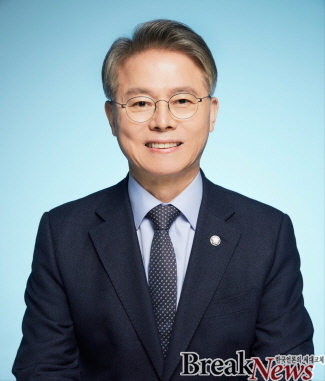
▲ 필자/곽인옥 교수. 통일경제사회 연구소 소장. ©브레이크뉴스 |
새로운 남북경제협력 비즈니스 모델
2025년, 한반도는 새로운 경제협력의 지평을 맞이하고 있다. 오랜 시간 반복되어온 남북경협의 중단과 재개, 그리고 불확실성의 악순환은 이제 과거의 유산으로 남아야 한다. 지금 우리에게 필요한 것은 단순한 교류 재개의 차원을 넘어, 지속가능하고 글로벌 경쟁력을 갖춘 혁신적 비즈니스 모델이다.
이 칼럼은 시대적 요구에 부응하는 남북경제협력의 새로운 청사진을 제시한다. 그 중심에는 바로 ‘파주 통일경제특구’가 있다. 파주는 남한의 첨단 산업 인프라와 국제적 네트워크, 그리고 북한 개성공단의 인적 자원과 생산 역량이 만나는 남북 상생의 전략적 거점이다.
이제 우리는 파주 통일경제특구를 통해, 한반도 경제의 새로운 패러다임을 선언하고자 한다. 남과 북이 손을 맞잡고, 미래를 향해 함께 나아가는 ‘광활한 한반도 시대’의 서막이 열리고 있다.
파주와 개성, 남북 상생의 경제 거점
파주 통일경제특구는 남한의 자본력, 첨단기술, 브랜드 파워, 마케팅 역량 등 선진 산업 인프라를 바탕으로 생산제품의 기획과 글로벌 투자 유치, 디자인 개발, 유통까지 담당한다. 반면, 개성공단은 저렴하면서도 충성도 높은 노동력을 바탕으로 가공품 생산, 근로자 교육, 기계설비와 인사·제품관리 등 생산현장의 핵심 역할을 맡는다.
파주와 개성은 이미 오랜 기간 개성공단을 통해 실질적인 협력 경험과 운영 노하우를 축적해왔다. 개성공단 운영 노하우는 남북이 함께 쌓아온 소중한 자산이다. 생산관리, 인사, 현장 운영, 갈등 조정 등 다양한 분야에서 실무적 경험이 쌓여 있어, 새로운 특구 사업 추진 시 시행착오를 최소화하고 빠른 안착이 가능하다. 기존 인프라의 활용도 큰 강점이다. 개성공단의 생산설비, 물류 시스템, 각종 지원시설 등 이미 구축된 인프라를 적극적으로 활용하면, 초기 투자비용을 줄이고 사업의 효율성과 속도를 높일 수 있다.
같은 언어 사용의 이점도 무시할 수 없다. 남북은 언어적 장벽이 없기 때문에, 의사소통이 원활하고, 현장 지시와 협업, 교육훈련, 품질관리 등 모든 경영활동에서 높은 효율성을 기대할 수 있다. 이는 해외 진출형 협력 모델과는 차별화되는 한반도만의 독보적 경쟁력이다.
이 두 경제 거점이 유기적으로 연결될 때, 남북은 각자의 강점으로 서로를 보완하며 생산성과 글로벌 경쟁력을 극대화할 수 있다. 남측의 자본과 기술, 북측의 인적 자원이 결합하면, 글로벌 시장에서도 통할 수 있는 경쟁력 있는 제품과 서비스가 탄생한다. 이는 남북 모두에게 실질적인 경제적 이익과 성장의 기회를 제공하는 ‘윈윈’ 협력 모델이다.
파주 통일경제특구와 같은 남북경제협력 사업의 성공을 위해서는 북한 내부 사정에 대한 깊은 이해와 현실적 감각이 필수적이다. 이를 위해 북한을 직접 경험한 탈북민과 북한학 박사 등 북한 전문 인재들이 사업 현장에 적극 투입되어야 한다.
탈북민은 북한 사회의 실제 구조, 문화, 제도, 주민의 생활양식까지 몸소 겪은 경험을 바탕으로, 남북 협력사업의 실질적 문제와 위험 요소를 사전에 파악하고 현실적인 해법을 제시할 수 있는 강점을 지닌다.
또한 북한학 박사 등 관련 전문가들은 체계적인 연구와 분석 역량을 바탕으로, 정책 수립과 사업 기획, 현장 운영 전반에 걸쳐 과학적이고 전략적인 방향을 제시할 수 있다.
이들의 참여는 사업의 실행 가능성과 지속 가능성을 높이는 핵심 동력이며, 남북 상생의 경제협력 모델을 한층 더 현실적이고 효과적으로 구현하는 데 반드시 필요하다.
통일부에서 내 놓은 권역별 발전단계를 보면 첨단산업 및 AI 단지, 지식정보, R&D 단지, 관광문화, 생태환경 단지 등을 계획하고 있다.
 ▲새로운 남북경제협력 비즈니스 모델. ©브레이크뉴스 |
■ 단기적인 발전전략은 ▶스마트 팩토리 및 AI 신기술 ▶ICT 부품 제조 ▶민간기업 유치 인센티브 제공 ▶소프트웨어 개발, 바이오 R&D ▶전기차 배터리 기술 등 시범사업 ▶지역 대학, 연구소와 협력 ▶농촌 체험 관광과 지역 축제 ▶DMZ 및 해양관광콘텐츠 개발 ▶생태 복원 프로젝트 실행이다.
■ 중장기적인 발전전략은 ▶로봇, 첨단부품제조업 강화 ▶글로벌 빅테크 기업 유치 ▶첨단 산업단지 간 연계 강화 ▶유전자 편집, 탄소중립 기술 ▶첨단 바이오테크 클러스터 ▶글로벌 R&D 네트워크 강화 ▶DMZ 생태관광지 및 접경지역 국제관광지화 ▶해양 레저 및 물류 복합단지 조성이다.
다자간 투자, 한반도 경제의 안전판
남북경협의 가장 큰 장애물은 정치적 불확실성이다. 정권 교체나 한반도 정세 변화에 따라 사업이 중단되는 악순환은, 국내외 투자자들에게 큰 불안요소로 작용해왔다.
이제 우리는 이 악순환을 끊기 위한 해법으로 ‘다자간 투자’ 모델을 제안한다.
중국, 일본, 미국 등 주요 국가들이 참여하는 다자간 투자 구조는, 특정 국가나 정권의 변화에 흔들리지 않는 안정적 운영을 가능하게 한다. 여기에 UN 등 국제기구가 중재와 감시 역할을 수행하면, 국제사회가 신뢰하는 투명한 운영 시스템이 구축된다.
이러한 구조는 투자자 보호와 법적 안정성을 보장함으로써, 파주 특구가 ‘평화경제의 안전판’으로 자리잡는 데 결정적 역할을 하게 된다.
다자간 투자는 단순한 자본 유입을 넘어, 기술·노하우·글로벌 네트워크의 동반 유입을 의미한다. 이는 파주 특구의 국제경쟁력을 비약적으로 높이고, 한반도 경제의 안정성과 지속가능성을 담보하는 든든한 버팀목이 될 것이다.
제도적 안정성과 법적 장치의 필요성
파주 통일경제특구가 정치적 변동성에 흔들리지 않고 지속가능한 발전을 이루려면, 법적·제도적 안정성이 반드시 확보되어야 한다.
이를 위해서는 국제적 합의를 바탕으로 한 다자간 투자 협정이 마련되어야 하며, 외국인 투자자 보호 장치도 필수적이다. 또한 UN과 같은 국제기구가 중재와 감시 역할을 수행함으로써 투명하고 공정한 운영이 보장되어야 한다.
이러한 법적·제도적 장치는 투자자들의 신뢰를 높이고, 특구 운영의 연속성을 담보한다. 특히, 남북관계의 특수성을 감안할 때, 국제사회의 신뢰와 법적 보호는 파주 특구가 남북관계의 정치적 변수에도 흔들리지 않는 ‘평화경제의 안전판’으로 자리잡는 데 핵심적인 역할을 할 것이다.
국제도시로 도약하는 파주
파주는 이미 경의선 철도, GTX-A 등 우수한 교통 인프라와 첨단산업단지, 풍부한 관광·문화 자원을 보유하고 있다. 이러한 인프라는 파주를 동북아시아 경제의 핵심 거점으로 성장시킬 수 있는 든든한 기반이다.
여기에 글로벌 자본과 기술, 그리고 국제기구의 참여가 더해지면 파주는 단순한 지역 경제특구를 넘어 동북아 경제 허브, 나아가 글로벌 투자처로 도약할 수 있다. 실제로 파주시는 주한미국상공회의소와 협력 업무협약을 체결하는 등 다자간 투자 유치에 적극 나서고 있으며, 이러한 국제 협력은 파주의 국제도시화를 가속화할 것이다.
파주는 미래 한반도의 경제·문화 중심지로 자리매김할 잠재력을 충분히 갖추고 있다. 파주 통일경제특구가 한반도 평화와 번영의 전진기지가 되기 위해서는 남북협력뿐 아니라 다자간 투자와 국제적 협력, 제도적 안정성 확보가 필수적이다. 또한 개성공단과의 경제적 상호보완 관계를 강화해 남북 윈윈 모델을 실현해야 한다.
여기에 해외 동포 사회와 민간단체의 따뜻한 관심과 실질적 지원이 더해진다면, 파주는 남북뿐 아니라 세계가 함께 만드는 ‘글로벌 평화경제특구’로 도약할 수 있다. 남북이 서로의 강점을 살려 경제협력의 새로운 지평을 열고, 통일을 향한 희망의 불씨를 더욱 힘차게 지피는 그날, 우리는 ‘광활한 한반도 시대’의 진정한 주역이 될 것이다. 이제, 파주 통일경제특구와 함께 한반도는 평화와 번영의 새로운 시대, ‘광활한 한반도 시대’를 힘차게 선포한다.
*필자/곽인옥 교수. 통일경제사회 연구소 소장.
북한, 특히 평양의 시장경제와 사회 구조를 심층적으로 연구하는 대표적인 북한 경제 전문가이다. 10년 이상 탈북자 100여 명을 대상으로 장기간 심층 면접을 진행하고, 다양한 자료를 수집하여 평양의 시장경제 작동 시스템과 내부 계층 구조, 생활상을 분석해왔다. 주요 연구 분야는 다음과 같다. 평양의 시장경제와 비공식 경제 활동 분석, 북한 상류층과 '돈주' 등 계급 구조 연구, 북한 약초 및 건강식품 유통 구조 조사, 평양의 도시 구조 및 교육, 주거, 문화 환경 탐구 등.
곽 소장의 연구는 폐쇄적인 북한 내부의 실상을 객관적이고 구체적으로 밝히는 데 중점을 두고 있으며, 다양한 언론과 칼럼, 리포트를 통해 대중에게 북한 사회의 변화상을 알리고 있다.
*아래는 위 기사를 '구글 번역'으로 번역한 영문 기사의 [전문]입니다. '구글번역'은 이해도 높이기를 위해 노력하고 있습니다. 영문 번역에 오류가 있을 수 있음을 전제로 합니다.<*The following is [the full text] of the English article translated by 'Google Translate'. 'Google Translate' is working hard to improve understanding. It is assumed that there may be errors in the English translation.>
2025 New Inter-Korean Economic Cooperation Business Model 'Paju Unified Economic Special Zone'
-Professor Kwak In-ok
New Inter-Korean Economic Cooperation Business Model
In 2025, the Korean Peninsula is entering a new horizon of economic cooperation. The long-standing suspension and resumption of inter-Korean economic cooperation, as well as the vicious cycle of uncertainty, should now be a legacy of the past. What we need now is not simply the resumption of exchanges, but an innovative business model that is sustainable and globally competitive.
This column presents a new blueprint for inter-Korean economic cooperation that meets the needs of the times. At the center of it all is the 'Paju Unified Economic Special Zone'. Paju is a strategic base for inter-Korean coexistence where South Korea's advanced industrial infrastructure and international network meet with North Korea's human resources and production capacity of the Kaesong Industrial Complex.
Now, we would like to declare a new paradigm for the Korean Peninsula economy through the Paju Unified Economic Special Zone. The prelude to the 'vast Korean Peninsula era' in which the South and the North join hands and move forward together toward the future is opening. Paju and Gaeseong, economic hubs of mutual prosperity between the South and the North
The Paju Unified Economic Zone is responsible for planning products, attracting global investment, design development, and distribution based on South Korea’s advanced industrial infrastructure, including capital, cutting-edge technology, brand power, and marketing capabilities. On the other hand, the Kaesong Industrial Complex plays a key role in the production site, including processing production, worker education, machinery and equipment, and personnel and product management, based on a low-cost but highly loyal labor force.
Paju and Gaeseong have already accumulated practical cooperation experience and operational know-how through the Kaesong Industrial Complex for a long time. The operational know-how of the Kaesong Industrial Complex is a valuable asset that the South and the North have built together. Practical experience in various fields, such as production management, personnel, field operations, and conflict resolution, has been accumulated, allowing for minimizing trial and error and rapid settlement when promoting new special zone projects. Utilizing existing infrastructure is also a great strength. If the Kaesong Industrial Complex’s production facilities, logistics systems, and various support facilities are actively utilized, initial investment costs can be reduced and the efficiency and speed of the project can be increased.
The advantage of using the same language cannot be ignored. Since there is no language barrier between the South and the North, communication is smooth and high efficiency can be expected in all management activities such as on-site instructions, collaboration, education and training, and quality control. This is a unique competitiveness of the Korean Peninsula that is different from overseas expansion cooperation models.
When these two economic bases are organically connected, the South and the North can complement each other with their own strengths and maximize productivity and global competitiveness. When the capital and technology of the South and the human resources of the North are combined, competitive products and services that can also work in the global market are created. This is a ‘win-win’ cooperation model that provides both the South and the North with real economic benefits and opportunities for growth.
In order for inter-Korean economic cooperation projects such as the Paju Unification Economic Special Zone to succeed, a deep understanding of the internal situation in North Korea and a realistic sense are essential. To this end, North Korean defectors who have experienced North Korea firsthand and North Korean studies experts such as doctors should be actively deployed to the business site.
Based on their first-hand experience with the actual structure, culture, systems, and lifestyles of North Korean society, defectors have the strength to identify the real problems and risks of inter-Korean cooperation projects in advance and present realistic solutions. In addition, experts in North Korean studies, such as doctors, can provide scientific and strategic directions for policymaking, business planning, and field operations based on their systematic research and analysis capabilities.
Their participation is a key driving force that increases the feasibility and sustainability of the project, and is absolutely necessary to implement the economic cooperation model of inter-Korean coexistence more realistically and effectively.
Looking at the regional development stages presented by the Ministry of Unification, they are planning advanced industry and AI complexes, knowledge information, R&D complexes, tourism culture, and ecological environment complexes.
■ Short-term development strategies are ▶smart factories and new AI technologies ▶ICT parts manufacturing ▶providing incentives to attract private companies ▶software development, bio R&D ▶pilot projects such as electric vehicle battery technology ▶cooperation with local universities and research institutes ▶rural experience tourism and local festivals ▶DMZ and marine tourism content development ▶implementation of ecological restoration projects. ■ The mid- to long-term development strategy is ▶ strengthening robot and advanced parts manufacturing ▶ attracting global big tech companies ▶ strengthening connections between advanced industrial complexes ▶ gene editing, carbon neutral technology ▶ advanced biotech clusters ▶ strengthening global R&D networks ▶ transforming DMZ eco-tourism sites and border areas into international tourist sites ▶ creating marine leisure and logistics complexes.
Multilateral investment, a safety net for the Korean Peninsula economy
The biggest obstacle to inter-Korean economic cooperation is political uncertainty. The vicious cycle of projects being suspended due to regime changes or changes in the Korean Peninsula situation has been a major source of anxiety for domestic and foreign investors.
Now, we propose a ‘multilateral investment’ model as a solution to break this vicious cycle.
A multilateral investment structure involving major countries such as China, Japan, and the United States enables stable operation that is not shaken by changes in specific countries or regimes. If international organizations such as the UN play a mediating and monitoring role, a transparent operating system that the international community can trust will be established. This structure will play a decisive role in establishing the Paju Special Economic Zone as a ‘safety net for the peace economy’ by ensuring investor protection and legal stability.
Multilateral investment means not only simple capital inflow, but also the accompanying inflow of technology, know-how, and global networks. This will dramatically increase the international competitiveness of the Paju Special Economic Zone and become a strong support that guarantees the stability and sustainability of the Korean Peninsula economy.
Need for institutional stability and legal mechanisms
In order for the Paju Unified Economic Zone to achieve sustainable development without being shaken by political volatility, legal and institutional stability must be secured.
To this end, a multilateral investment agreement based on international agreements must be prepared, and foreign investor protection mechanisms are also essential. In addition, transparent and fair operation must be guaranteed by having international organizations such as the UN play a mediating and monitoring role.
Such legal and institutional mechanisms increase investor trust and ensure the continuity of the special economic zone’s operation. In particular, considering the special nature of inter-Korean relations, the trust and legal protection of the international community will play a key role in establishing the Paju Special Economic Zone as a ‘safety net for the peace economy’ that is not shaken by political variables in inter-Korean relations.
Paju leaping forward as an international city
Paju already possesses excellent transportation infrastructure such as the Gyeongui Line railroad and GTX-A, as well as advanced industrial complexes and abundant tourism and cultural resources. These infrastructures are a solid foundation for growing Paju into a key economic hub in Northeast Asia.
If global capital, technology, and the participation of international organizations are added to this, Paju can leap beyond a simple regional economic special zone to become a Northeast Asian economic hub and even a global investment destination. In fact, Paju City is actively seeking to attract multilateral investment, such as by signing a business cooperation agreement with the American Chamber of Commerce in Korea, and such international cooperation will accelerate Paju’s transformation into an international city.
Paju has ample potential to establish itself as the economic and cultural center of the future Korean Peninsula. In order for the Paju Unified Economic Zone to become a forward base for peace and prosperity on the Korean Peninsula, not only inter-Korean cooperation but also multilateral investment, international cooperation, and securing institutional stability are essential.
In addition, we must strengthen the economic mutually complementary relationship with the Kaesong Industrial Complex to realize a win-win model between the South and the North.
If the warm interest and practical support of overseas Korean communities and civic groups are added to this, Paju can leap forward as a ‘global peace economic zone’ created not only by the South and the North but also by the world.
On the day when the South and the North open a new horizon of economic cooperation by utilizing each other’s strengths and further ignite the spark of hope for unification, we will become the true protagonists of the ‘vast Korean Peninsula era. ’
Now, together with the Paju Unified Economic Zone, the Korean Peninsula powerfully proclaims a new era of peace and prosperity, the ‘vast Korean Peninsula era. ’
*Author/Professor Kwak In-ok. Director of the Institute for Unification Economy and Society.
▲ Author/Professor Kwak In-ok of Sookmyung Women’s University. ©Break News
He is a leading North Korean economic expert who studies the market economy and social structure of North Korea, especially Pyongyang. He has conducted long-term in-depth interviews with over 100 defectors for over 10 years and collected various data to analyze the market economy operation system, internal class structure, and lifestyle of Pyongyang. His main research areas are as follows: Analysis of Pyongyang's market economy and unofficial economic activities, study of class structure such as the upper class and 'money owners' in North Korea, investigation of the distribution structure of North Korean medicinal herbs and health foods, and exploration of Pyongyang's urban structure, education, housing, and cultural environment.
Director Kwak's research focuses on objectively and specifically revealing the reality of the closed North Korea, and informs the public of the changes in North Korean society through various media, columns, and reports.