1. 북한 시장경제를 이끄는 실질적인 주역
1990년대 중반, 북한 땅에는 어둠이 짙게 깔렸다. ‘고난의 행군’이라는 이름 아래, 수많은 사람들이 굶주림과 추위, 희망의 상실 속에서 하루하루를 버텨야 했다. 국가는 더 이상 모든 것을 책임질 수 없었고, 배급은 멈췄으며, 공장과 기업소, 상점과 식당, 버스사업소, 약국 등 일상과 삶의 터전들이 하나둘씩 문을 닫았다. 거리에는 사람들의 한숨과 절망이 가득했고, ‘사회주의 계획경제’라는 이름은 점점 빛을 잃어갔다.
 ▲ 북한의 돈주. ©브레이크뉴스 |
하지만 바로 그 절망의 한가운데에서, 새로운 움직임이 시작되었다. 국가가 손을 놓은 자리에, 개인의 생존 본능과 혁신이 자리 잡기 시작했다. 누군가는 장마당에 나가 작은 물건을 팔았고, 누군가는 남몰래 쌀을 사고팔며 가족의 생계를 이어갔다. 그리고 그 속에서, 더 큰 자본과 모험심을 가진 이들이 등장했다. 이들이 바로 ‘돈주(錢主)’이다. 그들은 단순한 부자가 아니었다. 멈춰선 공장에 자본을 넣어 다시 기계를 돌리고, 텅 빈 상점에 물건을 채워 넣었으며, 무너진 서비스업에 활력을 불어넣었다. 돈주(錢主)들은 북한 경제의 숨통을 틔운 신흥 자본가 세력으로, 시장경제라는 새로운 질서를 북한 사회에 조용히, 그러나 강력하게 심기 시작했다.
오늘날 북한의 경제를 이야기할 때, 더 이상 돈주(錢主)를 빼놓고 설명할 수 없다. 그들은 절망 속에서 기회를 찾았고, 혼돈 속에서 질서를 만들었다. 이제 돈주(錢主)들은 북한의 시장경제를 이끄는 실질적 주역이자, 변화의 상징으로 자리 잡고 있다.
2. 북한 경제에 돈주(錢主)들이 투자하는 다양한 분야
최근 북한 경제는 공식적인 사회주의 시스템 이면에서 실질적인 변화를 겪고 있다. 이러한 변화의 중심에는 ‘돈주(錢主)’로 불리는 신흥 부유층이 있다. 이들은 사금융, 제조업, 건설, 서비스업, IT 등 다양한 분야에서 자본을 공급하며, 북한 경제의 시장화와 민간 자본의 확대를 이끌고 있다. 이 글에서는 돈주(錢主)를 중심으로 한 북한 경제의 다양한 변화 양상과 그 의미를 살펴보고자 한다.
● 사(私)금융과 대부업무
북한에서는 공식 금융기관의 자금 부족과 경직된 거래 관행 때문에 사금융과 고리대금업이 빠르게 성장하고 있다. ‘돈주(錢主)’라고 불리는 신흥 부유층이 사금융 시장을 주도하면서, 주민들의 예금이나 대출, 물자 대금 결제 등 실질적인 금융 기능을 담당하고 있다.
고리대금업은 연 이자율이 50~60%에 이를 정도로 고율의 이자가 일반적이다. 돈을 빌릴 때는 오토바이, 냉장고, 집 등 다양한 실물 자산이 담보로 활용되고, 채무를 갚지 못할 경우 경찰이나 정부 관료가 개입하는 사례도 있다. 돈주(錢主)들은 전당포 운영, 아파트 건설, 국가사업 투자 등 여러 분야에 자금을 공급하며 부를 축적하고 있다.
농촌이나 어촌에서도 돈주(錢主)들이 소규모 자금을 빌려주고 수확기에 갚게 하는 등, 남한의 농협이나 수협과 비슷한 역할을 하고 있다. 하지만 고리대금업은 북한 법상 불법으로 규정되어 있어 법적 불안정성이 크다. 최근에는 북한 당국이 ‘대부법’을 제정해 불법 사금융 단속을 강화하고 있다. 이처럼 사금융 시장의 확대는 북한 경제의 흐름을 실질적으로 변화시키고, 사회주의 금융 시스템에도 근본적인 변화를 일으키고 있다.
● 공장, 기업소 재가동 및 민관 파트너십
북한의 돈주(錢主)들은 국영기업의 명의를 빌리거나 국가 소유 건물을 임대해 직접 사업체를 운영하고 있다. 이들은 고난의 행군 이후 멈춘 공장과 기업소에 자본을 투입해 생산을 재개시키고, 국유기업과의 민관 파트너십을 통해 제조업과 서비스업을 활성화하는 주체이다.
돈주(錢主)는 국영기업의 설비와 노동력을 활용해 자본을 투입하고, 국영기업 명의로 제품을 생산하거나 운영자금을 빌려주고 그 대가를 현물로 받는 등 금융자본의 역할도 하고 있다. 국가 명의를 활용하기 때문에 돈주(錢主)의 활동은 일정 부분 합법성을 인정받고 있다. 원자재 조달부터 생산, 유통까지 전 과정에 돈주(錢主)가 주도적으로 참여하며, 국영기업과의 협력을 통해 새로운 사업 모델을 만들어내고 있다. 이러한 구조는 자본주의적 민관 협력((Public-Private Partnership, PPP)과 유사한 형태로, 북한 경제의 시장화와 민간 자본의 확대를 보여주는 사례이다.
대표적인 예로 중앙당 조직부 산하 대성담배공장이 있다. 이 공장은 고난의 행군 시기 가동이 중단되었으나, 20명의 돈주(錢主)가 각 50만 달러씩 합작 투자해 재가동에 성공했다. 싱가포르에서 원재료를 수입해 생산한 담배는 10%가 공장 지분으로, 90%가 투자자에게 돌아가며, 현금과 유사한 기능을 하거나 뇌물로도 사용되었다. 이는 국가 소유 시설과 민간 자본의 협력이 막대한 수익을 창출한 대표적 성공 사례이다.
● 주택 및 국가 건설사업 투자
북한에서 돈주(錢主)(신흥 부유층)의 건설사업 투자는 최근 들어 중요한 변화가 나타나고 있다. 과거에는 돈주(錢主)가 직접 투자 기회를 찾아다녔으나, 이제는 국가기관이나 건설단위가 자금난을 해결하기 위해 돈주(錢主)를 먼저 찾아가 투자 계약을 제안하는 경우가 많아졌다. 돈주(錢主)는 아파트나 상가 등 대형 건설사업에 자금을 투입하고, 완공 후에는 일정 부분의 분양권(대여권) 등 실질적인 이익을 보장받는다.
이러한 구조에서 국가는 건축물을 정치 선전이나 경제성과를 과시하는 수단으로 활용하고, 돈주(錢主)는 투자금 이상의 수익을 얻을 수 있어 양측 모두에게 이익이 돌아간다. 돈주(錢主)의 자본력은 북한 경제, 특히 건설·제조·서비스업 성장의 핵심 동력이 되고 있다. 국가기관이 돈주(錢主)에게 투자를 요청하는 구조로 변화하면서 돈주(錢主)의 위상도 크게 높아졌다.
하지만 돈주(錢主)의 투자는 공식적으로 국가 소유 사업에 참여하는 형태이기 때문에 재산권이 완전히 보장되지 않는다는 한계가 있다. 또한 투자 규모가 지나치게 커질 경우 당국의 견제 대상이 될 수 있다.
돈주(錢主)의 활약은 북한 경제의 시장화와 사금융 활성화, 그리고 신흥 부유층의 성장으로 이어지고 있다. 그럼에도 불구하고 돈주(錢主)는 여전히 국가의 통제 아래 있으며, 자본가로서의 완전한 독립성을 확보하지는 못하고 있다. 결국 돈주(錢主)와 국가는 대형 건설사업을 매개로 상호 협력하는 구조를 형성하고 있지만, 국가의 통제와 재산권 보장 문제 등 여러 한계도 분명히 존재한다.
● 서비스업, 상점, 식당, 교통 투자
북한의 돈주(錢主)들은 최근 평양, 신의주, 함흥 등 주요 도시에 다양한 음식점과 상점을 열고 있다. 일부 식당에서는 중국, 일본, 서양 음식 등 외국식 메뉴도 선보이며, 고급스러운 분위기를 내세우는 곳도 늘고 있다. 슈퍼마켓, 편의점, 잡화점 등 여러 소매점이 생기면서 주민들은 필요한 생필품을 더욱 쉽게 구입할 수 있게 되었다.
또한, 의약품 공급이 원활하지 않은 현실에서 돈주(錢主)가 운영하는 약국은 주민 건강을 지키는 데 큰 역할을 하고 있다. 미용실과 사설 병원 등 미용과 건강을 다루는 다양한 서비스업에도 투자가 활발히 이루어지면서, 주민들은 일상생활에서 더 많은 편의를 누릴 수 있게 되었다. 특히 자생적시장화로 인한 교통(시외버스와 기차)의 발달에도 돈주(錢主)들의 투자가 이루어져 자생적 물류체계가 형성되었다.
이처럼 서비스업이 확대되면서 일자리가 늘어나고, 주민들의 소득도 함께 증가하고 있다. 상품과 서비스가 다양해지면서 선택의 폭이 넓어지고, 생활의 질도 점차 높아지고 있다. 경쟁이 생기면서 가격이 안정되고, 공급망도 점차 개선되고 있다. 가까운 곳에서 다양한 상품과 서비스를 이용할 수 있게 되면서 생활이 한층 편리해졌고, 외식이나 미용 등 새로운 소비문화도 빠르게 확산되고 있다. 약국과 병원 등 보건 서비스에 대한 접근성이 높아지면서, 주민들의 건강과 위생 수준도 나아지고 있다.
결과적으로 돈주(錢主)들의 서비스업 투자는 북한 주민들의 일상에 긍정적인 변화를 가져오고 있으며, 시장경제 활성화와 생활수준 향상에도 크게 기여하고 있다. 다만, 이러한 변화가 모든 지역과 계층에 고르게 미치지는 않아, 제도적 한계와 불평등 문제는 여전히 남아 있다.
● IT, 신산업 투자
최근 북한 내 돈주(錢主)(신흥 자본가)들이 IT 산업과 신산업 분야에 투자를 확대하고 있는 추세이다. 과거에는 주로 유통, 식품 등 전통 산업에 집중했던 돈주(錢主)들이 이제는 첨단 기술과 신산업 분야로 투자 영역을 넓히고 있다. 이러한 변화의 중심에는 북한 MZ세대의 등장이 있다. MZ세대를 중심으로 휴대전화 보급률이 높아지면서 휴대전화 액세서리, 모바일 서비스 등 관련 시장이 빠르게 성장하고 있다. 이에 따라 돈주(錢主)들은 휴대전화 판매, 액세서리 유통, 수리 서비스 등 다양한 방식으로 IT 및 신산업 분야에 적극적으로 진출하고 있다.
이러한 현상은 북한 사회의 소비 트렌드 변화와도 밀접하게 연관되어 있다. 과거에는 생필품 소비가 중심이었으나, 최근에는 정보기술 제품과 전자기기 등 첨단 소비재에 대한 수요가 늘어나고 있다. 돈주(錢主)들은 이러한 변화에 맞춰 신기술, 전자제품, IT 서비스 등 신산업 분야를 주요 투자처로 삼고 있다.
특히 휴대전화와 관련된 시장이 빠르게 성장하면서, 충전기, 케이스, 이어폰 등 부가상품 시장도 함께 확대되고 있다. 돈주(錢主)들은 이러한 트렌드를 선도하며 새로운 소비문화를 만들어가고 있다. 돈주(錢主) 자본은 북한 내 시장 확대와 기술 혁신을 촉진하는 주요 동력으로 작용하고 있으며, 앞으로도 그 영향력은 더욱 커질 것으로 전망된다.
결국 돈주(錢主)들은 북한 경제의 다양한 분야에서 실질적인 변화를 주도하는 핵심 주체로 자리 잡고 있다. 이들의 활약은 사금융 활성화, 기업소 재가동, 건설·서비스업 성장, 신산업 진출 등 경제 전반에 걸쳐 나타나고 있다. 물론 국가의 통제와 법적 불안정성이라는 한계도 존재하지만, 돈주(錢主)들의 등장은 북한 사회 내부에서 시장경제적 요소와 민간 자본의 힘이 점차 확대되고 있음을 보여주고 있다. 이는 앞으로 북한 경제의 구조적 변화와 주민 생활의 질적 향상에 중요한 영향을 미칠 것으로 전망된다.
4. 북한 시장경제변화의 중심에 서있는 돈주(錢主)
북한의 돈주(錢主)는 절망의 땅에서 피어난 기적의 씨앗이다. 한때 모든 것이 멈추고 희망마저 사라졌던 그 땅에서, 돈주(錢主)는 누구도 예상하지 못한 새로운 질서를 만들어낸 주인공이다. 배급이 끊기고, 공장이 멈추고, 거리마다 절망이 가득할 때, 돈주(錢主)는 생존을 넘어 변화를 선택한 존재이다. 그들의 자본과 도전정신, 그리고 국가와의 미묘한 긴장과 협력 속에서 북한 경제는 조용히, 그러나 힘차게 다시 뛰기 시작한 것이다.
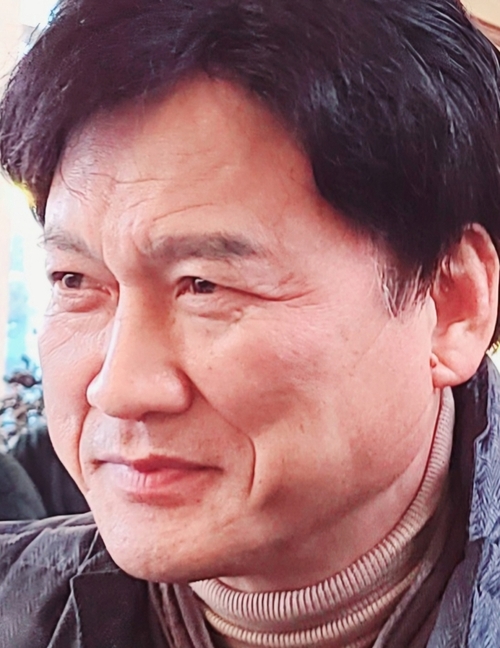
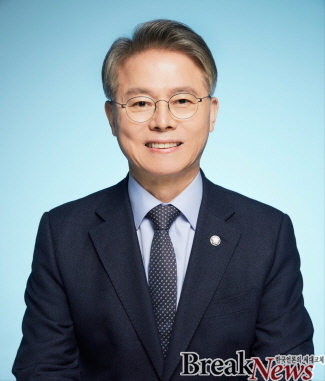
 ▲ 필자/곽인옥 교수. ©브레이크뉴스 |
이제 평양의 장마당에는 활기가 넘치고, 새로 지어진 아파트와 늘어나는 상점, 스마트폰을 손에 쥔 젊은이들 속에서 돈주(錢主)의 흔적을 쉽게 발견할 수 있는 시대이다. 돈주(錢主)의 손길이 닿은 곳마다 새로운 기회가 싹트고, 주민들의 삶에는 다시 온기가 돌고 있다. 물론 불평등과 갈등, 국가의 통제라는 한계도 분명 존재하지만, 돈주(錢主)가 없었다면 오늘의 북한 경제는 상상할 수 없는 현실이다.
돈주(錢主)는 절망의 끝에서 희망의 불씨를 지핀 존재이다. 그들은 북한 경제의 심장을 다시 뛰게 했고, 변화의 물결을 일으킨 원동력이다. 이제 그들의 이야기는 북한 사회의 내일을 밝히는 등불이자, 새로운 희망의 신호탄이다. 변화의 중심에 선 돈주(錢主)야말로, 앞으로 북한 경제와 사회가 나아갈 길을 밝히는 가장 강렬한 빛이다.
*필자/곽인옥 교수
*아래는 위 기사를 '구글 번역'으로 번역한 영문 기사의 [전문]입니다. '구글번역'은 이해도 높이기를 위해 노력하고 있습니다. 영문 번역에 오류가 있을 수 있음을 전제로 합니다.<*The following is [the full text] of the English article translated by 'Google Translate'. 'Google Translate' is working hard to improve understanding. It is assumed that there may be errors in the English translation.>
[Pyongyang Market Economy Report] North Korea’s Money Master = The Heart of the Market Economy
-Professor Kwak In-ok
1. The Real Leading Force of North Korea’s Market Economy
In the mid-1990s, darkness fell over North Korea. Under the name of the ‘Arduous March,’ countless people had to endure each day in hunger, cold, and loss of hope. The state could no longer take responsibility for everything, distribution stopped, and factories, enterprises, stores, restaurants, bus companies, pharmacies, and other basic necessities of daily life and life closed one by one. The streets were filled with people’s sighs and despair, and the name ‘socialist planned economy’ gradually lost its luster.
However, right in the midst of that despair, a new movement began. Individual survival instincts and innovations began to take hold in the place where the state had let go. Some people went to the market to sell small items, and others secretly bought and sold rice to support their families. And within that, those with greater capital and a sense of adventure emerged. These are the ‘money masters’. They were not simply rich people. They invested capital in factories that had stopped operating, re-established machinery in empty stores, and revitalized the collapsed service industry. The money masters are the new capitalist class that breathed life into the North Korean economy, and they began to quietly but powerfully plant a new order called the market economy in North Korean society.
Today, when talking about the North Korean economy, it is no longer possible to talk about the money masters without mentioning them. They found opportunities in despair and created order in chaos. Now, the money masters are the real leaders of the North Korean market economy and have established themselves as symbols of change.
2. Various sectors in which the money masters invest in the North Korean economy
Recently, the North Korean economy has been undergoing real changes behind the official socialist system. At the center of these changes is the newly emerging wealthy class called the ‘money masters’. They provide capital in various fields such as private finance, manufacturing, construction, service industry, and IT, and are leading the marketization of the North Korean economy and the expansion of private capital. In this article, we will examine the various changes in the North Korean economy centered on the money lenders and their implications.
● Private finance and loan business
In North Korea, private finance and loan sharking are growing rapidly due to the lack of funds and rigid transaction practices of official financial institutions. The newly wealthy class called ‘money lenders’ are leading the private finance market, and are responsible for practical financial functions such as deposits, loans, and payment for goods for residents.
The interest rate in loan sharking is high, reaching 50-60% per year. When borrowing money, various real assets such as motorcycles, refrigerators, and houses are used as collateral, and in cases where debts cannot be repaid, the police or government officials sometimes intervene. Money lenders are accumulating wealth by providing funds in various fields such as operating pawn shops, building apartments, and investing in national projects. In rural areas and fishing villages, money lenders are playing a role similar to that of agricultural cooperatives and fisheries cooperatives in South Korea, lending small amounts of money and demanding repayment at harvest time. However, as usury is illegal under North Korean law, there is great legal uncertainty. Recently, North Korean authorities have enacted the ‘Loan Law’ to strengthen crackdowns on illegal private lending. In this way, the expansion of the private lending market is substantially changing the flow of the North Korean economy and fundamentally changing the socialist financial system.
● Restarting factories and enterprises and public-private partnerships
North Korean money lenders are directly operating businesses by borrowing the names of state-owned enterprises or leasing state-owned buildings. They are the ones who reinvest capital in factories and enterprises that stopped production after the Arduous March and revitalize manufacturing and service industries through public-private partnerships with state-owned enterprises. Money lenders invest capital by utilizing the facilities and labor of state-owned enterprises, and also play the role of financial capital by producing products or lending operating funds in the name of state-owned enterprises and receiving payment in kind. Because they use the name of the state, money lenders’ activities are recognized as having some legality. Money lenders actively participate in the entire process from procurement of raw materials to production and distribution, and create new business models through cooperation with state-owned enterprises. This structure is similar to a capitalist public-private partnership (PPP), and is an example of the marketization of the North Korean economy and the expansion of private capital.
A representative example is the Daesong Cigarette Factory under the Organization Department of the Central Party. This factory was shut down during the Arduous March, but 20 money owners each invested $500,000 to restart it. The cigarettes produced by importing raw materials from Singapore were used as a 10% share of the factory and 90% went to the investors, and served a function similar to cash or as a bribe. This is a representative successful case of cooperation between state-owned facilities and private capital generating enormous profits.
● Investment in housing and national construction projects
In North Korea, money owners (newly wealthy class) have recently shown significant changes in their investment in construction projects. In the past, money owners directly sought investment opportunities, but now government agencies or construction units are There are many cases where money owners are approached first to propose investment contracts. Money owners invest money in large-scale construction projects such as apartments or commercial buildings, and are guaranteed substantial profits such as a certain portion of the sale rights (rental rights) after completion.
In this structure, the state uses the buildings as a means of political propaganda or to show off economic performance, and money owners can earn profits greater than the investment amount, so both parties benefit. Money owners’ capital power is becoming a key driving force behind the growth of the North Korean economy, especially the construction, manufacturing, and service industries. As the structure has changed to one where state agencies request money owners to invest, the status of money owners has also risen significantly.
However, money owners’ investments are limited in that property rights are not completely guaranteed because they officially participate in state-owned projects. In addition, if the scale of investment becomes excessively large, they can become targets of government control.
Money owners’ activities are linked to the marketization of the North Korean economy, the activation of private finance, and This is leading to the growth of the newly wealthy class. Nevertheless, the money owners are still under the control of the state and have not secured complete independence as capitalists. Ultimately, the money owners and the state are forming a structure in which they cooperate with each other through large-scale construction projects, but there are clear limitations such as the state’s control and property rights protection issues.
● Investment in service industries, stores, restaurants, and transportation
North Korea’s money owners have recently been opening various restaurants and stores in major cities such as Pyongyang, Sinuiju, and Hamheung. Some restaurants also offer foreign menus such as Chinese, Japanese, and Western food, and the number of places that boast a luxurious atmosphere is increasing. With the opening of various retail stores such as supermarkets, convenience stores, and general stores, residents can purchase necessary daily necessities more easily.
In addition, in a reality where the supply of medicine is not smooth, pharmacies run by the money owners play a large role in protecting the health of residents. As investments are actively being made in various service industries that deal with beauty and health such as beauty salons and private hospitals, residents are able to enjoy more convenience in their daily lives. In particular, the development of transportation (intercity buses and trains) due to the spontaneous marketization led to the investment of money owners, which led to the formation of a spontaneous logistics system.
As the service industry expands in this way, jobs are increasing and residents' income is also increasing. As products and services become more diverse, the range of choices is expanding and the quality of life is gradually improving. As competition arises, prices are stabilizing and the supply chain is gradually improving. As various products and services can be used nearby, life has become more convenient, and new consumer cultures such as eating out and beauty are rapidly spreading. As accessibility to health services such as pharmacies and hospitals increases, the health and hygiene levels of residents are also improving.
As a result, money owners' investment in the service industry is bringing about positive changes to the daily lives of North Korean residents, and is greatly contributing to the revitalization of the market economy and the improvement of living standards. However, since these changes are not evenly distributed across all regions and classes, institutional limitations and inequality issues still remain.
● Investment in IT and new industries
Recently, money owners (new and emerging industries) in North Korea have Capitalists are expanding their investments in the IT industry and new industries. In the past, money owners, who mainly focused on traditional industries such as distribution and food, are now expanding their investment areas to advanced technologies and new industries. At the center of this change is the emergence of the MZ generation in North Korea. As the mobile phone penetration rate increases, especially among the MZ generation, related markets such as mobile phone accessories and mobile services are growing rapidly. Accordingly, money owners are actively entering the IT and new industries in various ways such as mobile phone sales, accessory distribution, and repair services.
This phenomenon is also closely related to changes in consumption trends in North Korean society. In the past, consumption of daily necessities was the focus, but recently, demand for advanced consumer goods such as information technology products and electronic devices is increasing. Money owners are focusing on new industries such as new technologies, electronic products, and IT services as their main investment areas in response to these changes.
In particular, as the market related to mobile phones grows rapidly, the market for additional products such as chargers, cases, and earphones is also expanding. Money owners are leading this trend and creating a new consumer culture. There is. Money owners’ capital is acting as a major driving force in promoting market expansion and technological innovation within North Korea, and its influence is expected to grow even more in the future.
Ultimately, money owners are positioned as key players driving real changes in various sectors of the North Korean economy. Their activities are manifested across the economy, including the revitalization of private finance, the resumption of enterprises, the growth of the construction and service industries, and the advancement of new industries. Of course, there are limitations due to state control and legal instability, but the emergence of money owners shows that the power of market economic elements and private capital is gradually expanding within North Korean society. This is expected to have a significant impact on the structural changes in the North Korean economy and the qualitative improvement of the lives of its residents in the future.
4. The Money Master at the Center of Change in North Korea’s Market Economy
North Korea’s money master is a miraculous seed that bloomed in the land of despair. In a land where everything once stopped and even hope disappeared, the money master is the protagonist who created a new order that no one expected. When rations were cut off, factories stopped, and despair filled the streets, the money master is the one who chose change beyond survival. With their capital, spirit of challenge, and subtle tension and cooperation with the state, the North Korean economy quietly but powerfully began to bounce back.
Now, Pyongyang’s market is full of energy, and traces of the money master can easily be found in newly built apartments, the growing number of stores, and young people holding smartphones. New opportunities are sprouting wherever the money master touches, and warmth is returning to the lives of the residents. Of course, there are clear limitations such as inequality, conflict, and state control, but today’s North Korean economy would be unimaginable if there were no money lords.
Money lords are the ones who lit the spark of hope at the end of despair. They made the heart of the North Korean economy beat again and are the driving force behind the wave of change. Now, their story is a beacon that illuminates the future of North Korean society and a signal of new hope. Money lords at the center of change are the strongest light that illuminates the path that the North Korean economy and society will take in the future.
*Author/Professor Kwak In-ok