1. 생명이 살아 있는 계곡과 같은 북한 시장경제연구
북한 연구를 등산에 비유하면, 많은 연구자들이 산의 정상, 즉 핵, 권력, 지도자 연구(김일성, 김정일, 김정은 등)에 집중해 왔다고 할 수 있다. 정상에 오르면 탁 트인 시야와 성취감이 있지만, 실제로 그곳엔 죽은 나무와 돌만 남아 있다. 북한학에서 정상에 해당하는 주제들은 이미 수많은 연구와 논쟁으로 닳고 닳아, 새로운 생명력이나 현장감이 부족한 경우가 많다.
반면, 계곡은 등산로에서 자주 외면 받지만, 그곳엔 이름 모를 꽃, 새, 짐승, 물고기 등 생명이 살아 숨 쉰다. 북한학에서 이 계곡에 해당하는 것이 바로 시장경제 연구이다. 북한의 시장화 현상은 1990년대 경제난 이후 암시장(장마당)에서 시작되어, 현재는 전국적으로 400여 개의 공식 시장이 운영되고 있을 정도로 확산되었다. 시장은 북한 주민들의 생존, 부의 축적, 사회 변화의 중심축이 되었고, 국가도 시장의 힘을 완전히 통제하지 못해 제도적으로 수용하는 방향으로 변화하고 있다.
시장경제 연구는 북한 내부의 다양한 경제 주체(돈주, 상인, 농민 등)와 비공식 경제, 생존 전략, 사회적 변화를 다루며, 북한 사회의 역동성과 미래 변화 가능성을 보여준다. 이는 정상에서 보지 못하는 북한 주민들의 진짜 삶과 움직임을 포착할 수 있는 영역이다.
“북한경제의 시장화에 대한 연구는 시장화 확산 자체가 북한 당국의 통제력 약화와 직결된다는 점에서 북한체제의 변화를 평가, 판단하는 데 매우 중요한 기초자료가 될 수 있다.”
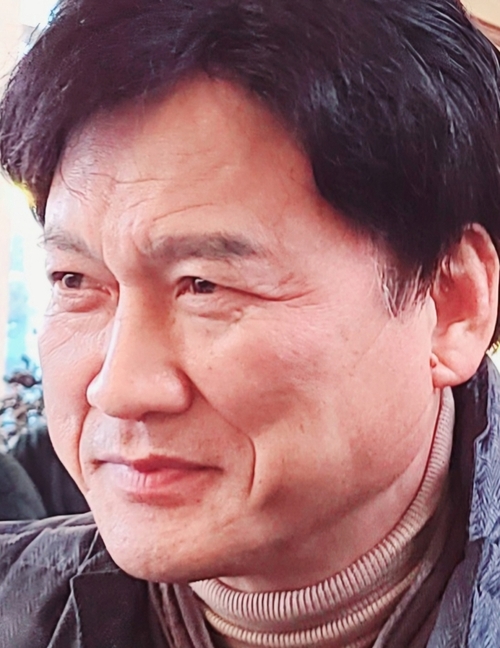
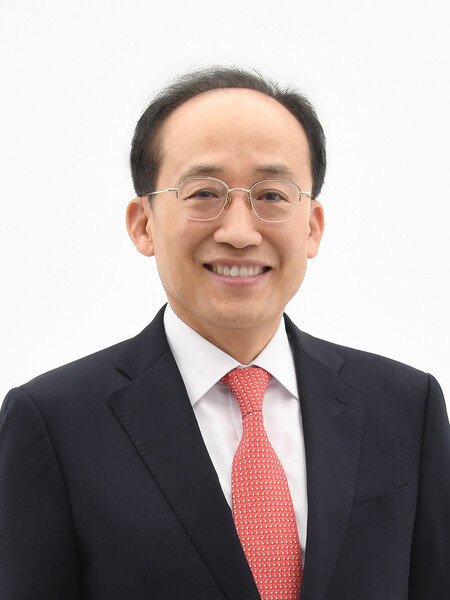
 ▲ 곽인옥 ©브레이크뉴스 |
따라서 북한 연구의 진정한 생명력, 미래의 변화 동력은 정상(권력 연구)이 아니라 계곡(시장경제 연구)에서 발견할 수 있다. 앞으로 북한학이 진정으로 북한 사회의 내면과 변화를 이해하고자 한다면, 정상만을 목표로 하지 말고 계곡을 따라가며 생명의 현장을 들여다보는 노력이 적실히 필요하다. 평양의 시장경제는 단순한 상거래를 넘어, 북한 주민들의 생존과 변화, 그리고 사회의 역동성을 보여주는 살아 있는 경제 생태계이다. 이 글에서는 평양 시장경제의 주체와 구조, 그리고 그 안에서 피어나는 생명력과 변화의 의미를 살펴보고자 한다.
2. 평양의 경제주체
① 국가
평양의 경제는 여전히 국가라는 거대한 톱니바퀴가 중심을 잡고 있다. 중앙당 청사와 내각 건물, 군부대가 자리한 평양의 중심가는 ‘계획경제’라는 이름 아래 자원과 인력이 배분되고, 각종 정책이 내려오는 곳이다. 하지만 이 국가라는 주체도 이제는 시장의 힘을 무시할 수 없다. 국가가 직접 장마당을 관리하거나, 공식적으로 시장세를 걷는 모습은, 평양의 경제가 더 이상 한 방향으로만 흐르지 않는다는 증거이다.
아침 7시, 평양의 중심가 김일성광장. 회색 양복을 입은 남성들과 단정하게 머리를 묶은 여성들이 줄지어 중앙당 청사로 들어선다. 그들의 얼굴엔 긴장감이 흐른다. 이곳은 평양 경제의 심장, 모든 정책과 자원이 설계되는 곳이다. 중앙당 청사에선 오늘도 ‘생산계획’이 내려온다. “만경대 트랙터 공장, 이번 달 1,000대 생산!” 하지만 회의가 끝나고 건물을 나서는 간부들의 속삭임엔 현실의 무게가 담겨 있다. “배급이 줄었는데, 공장 사람들 다 나올 수 있을까?” 이렇게 국가라는 톱니바퀴가 경제를 돌리지만, 그 거대한 기계에도 틈이 생기고 있다.
② 무역회사
평양 시내에는 ‘XX무역회사’라는 간판이 붙은 건물들이 곳곳에 있다. 이들은 국가기관 산하에서 운영되지만, 실상은 외화벌이와 물자 조달, 수출입 등에서 민간기업 못지않은 활력을 보인다. 대형 무역회사는 수출입을 통해 외화를 벌어들여 국가경제의 숨통을 틔우고, 중소 무역회사는 평양 시민들의 생필품과 사치품을 공급한다. 이 과정에서 ‘돈주’로 불리는 신흥 부자들이 등장하고, 무역회사와 결탁해 새로운 경제 네트워크를 형성한다.
평양 보통강구역, ‘광명무역회사’라는 간판이 붙은 3층 건물. 이곳엔 매일같이 고급 승용차가 드나든다. 건물 안, 30대 남성 김철수(가명)는 중국 바이어와 영상통화를 한다. “이번엔 스마트폰 500대, 쌀 10톤 부탁하오.” 그의 책상엔 달러 뭉치와 중국산 담배가 놓여 있다. 김철수는 이름뿐인 ‘국영회사’ 직원이지만, 사실상 돈주(신흥 부자)와 손잡고 외화벌이에 나선다. 그가 조달한 쌀과 스마트폰은 곧바로 장마당으로 흘러들고, 평양 시민들의 생필품이 된다. 무역회사와 돈주의 결탁, 이것이 평양 경제의 새로운 혈관이다.
③ 노동자
평양의 노동자들은 더 이상 국가가 정해준 일터에만 머물지 않는다. 아침마다 공장으로 출근하는 이들도 있지만, 많은 이들이 장마당에서 물건을 팔거나, 가내수공업에 종사한다. 어떤 이들은 택시 운전, 식당 운영, 심지어 집에서 케이크를 만들어 파는 등, 다양한 방식으로 가족의 생계를 꾸려간다. 이들의 손끝에서 평양의 시장경제는 하루하루 살아 움직인다.
새벽, 대동강변의 한 아파트. 40대 여성 라영희(가명)는 부엌에서 국수를 삶는다. “오늘은 100그릇은 팔아야 해!”, 남편은 국영공장에 출근하지만, 월급으론 생계가 어렵다. 라영희는 집에서 국수를 만들어 장마당 좌판에 내다 판다. 장마당에선 또 다른 풍경이 펼쳐진다. 20대 청년 리철민(가명)은 중고 자전거를 수리해 판다. 택시기사 곽성호(가명)는 손님을 태우고, 손님이 건네는 달러에 미소 짓는다.
한편, 퇴직 군인 김기남(가명)은 중국산 휴대폰을 팔며 “이거 남조선 드라마도 볼 수 있다오!”라고 자랑한다. 이렇게 평양의 노동자들은 각자의 방식으로 ‘시장경제’의 주인공이 되어간다.
④ 소비자
평양 시민들은 이제 배급소보다는 시장을 더 자주 찾는다. 장마당에는 중국산 의류, 전자제품, 식료품, 심지어 남한산 드라마 DVD까지 진열되어 있다. 소비자들은 가격을 흥정하고, 품질을 따지며, 현금이나 달러, 위안화로 결제한다. 시장에서의 소비는 단순한 생존이 아니라, 작은 사치와 일상의 즐거움, 정보 교환의 장이 되었다.
평양 락랑구역의 토성새벽시장’. 이른 새벽부터 50여 개 좌판이 늘어서고, 주부들은 손에 쥔 위안화와 달러를 번갈아 세어본다. “이 옷 중국산 맞아요? 더 깎아줘요! “이 고기는 어제 들어온 거라오, 오늘 다 팔릴 거요!” 시장 한켠에선 10대 소녀들이 몰래 남한 드라마 DVD를 흥정한다. “언니, 이거 ‘사랑의 불시착’ 맞아요?” 소비자들은 이제 배급소보다 시장에서 더 많은 선택과 자유를 누린다. 이곳은 생존의 공간이자, 작은 사치와 정보 교환의 장이다.
3. 평양의 이중경제구조
① 계획경제
평양의 주요 산업, 대형 공장, 국영기업, 군수공장 등은 여전히 국가의 손아귀에 있다. 국가가 정한 생산계획에 따라 움직이고, 배급과 임금도 국가가 책임진다. 하지만 배급량은 줄고, 임금은 생활비에 턱없이 부족하다. 그래서 사람들은 ‘계획경제의 강’을 건너, 다른 강으로 발을 들여놓는다.
만경대 트랙터 공장, 평양 제철소, 대동강 맥주공장. 이곳에선 여전히 국가가 정한 생산계획에 따라 기계가 돌아간다. 하지만, 공장장 이태호(가명)는 말한다. “계획대로 만들라지만, 자재도 부족하고, 사람도 부족하오. 배급은 줄고, 월급으론 쌀 한 포대도 못 사오.” 그래서 공장 노동자들은 점심시간마다 몰래 장마당에 들러 쌀과 반찬거리를 산다. 국가의 강을 건너, 시장의 물결에 발을 담그는 것이다.
② 시장경제
1990년대 ‘고난의 행군’ 이후, 평양에도 장마당이 생겼다. 처음엔 몰래, 나중엔 공식적으로. 이제는 평양 시내 곳곳에 수십 개의 장마당이 들어서고, 공식 시장뿐 아니라 골목마다 ‘메뚜기 시장’이 펼쳐진다. 시장에서는 돈주, 상인, 여성, 청년, 심지어 퇴직한 군인들까지 다양한 사람들이 물건을 사고판다. 공식과 비공식, 국가와 민간의 경계는 흐릿해지고, 두 경제구조가 한 도시에서 공존한다.
오늘날 평양의 시장경제는 국가와 민간, 공식과 비공식의 경계가 점차 흐려지는 가운데, 신흥 자본가의 부상, 정보 네트워크의 확산, 유통 체계의 복합화 등 다양한 변화가 맞물리며 역동적으로 진화하고 있다. 이 시스템은 억압과 제약 속에서도 스스로 적응하고 진화하는 힘을 보여주며, 북한 경제의 구조적 변동과 새로운 질서 창출의 중심축으로 자리매김하고 있다.
4. 평양 시장경제 21가지 요소
① 여성
북한에서 남성은 전통적으로 국영공장, 기업소 등 국가가 지정한 일터에 출근하는 경우가 많으며, 국가의 통제와 감시가 상대적으로 강하게 적용된다. 반면에 여성은 국가의 공식 경제영역에서 벗어나 시장, 가내수공업, 도매·소매, 비공식 거래 등 다양한 방식으로 가계수입의 대부분을 책임지고 있다.
평양을 비롯한 북한의 시장경제에서 진짜 주인공은 여성이다. 장마당 좌판에 앉아 채소를 팔고, 가내에서 국수를 뽑아 내다팔고, 도매상과 협상하는 이들도 대부분 여성이다. 라영희(가명)는 말한다. “남편 월급으론 살 수가 없어요. 내가 장마당에서 번 돈이 집안 살림의 전부라오.” 경제난 이후 여성의 경제활동은 가족의 생존을 넘어, 사회적 지위와 영향력까지 확대시키고 있다.
② 부(富)
부(富)의 축척은 북한 사회주의 경제 시스템이 약화되고 시장 경제 요소가 확산되는 과정에서 자연스럽게 등장했다. 국가의 통제와 제재, 공급 부족, 제도적 허점, 권력 구조의 변화 등이 맞물리면서, 비공식 경제와 사적 이익 추구가 부의 주요경로로 자리 잡은 것이다.
부(富)의 7가지 종류로는 돈주, 무역회사, 부동산, 운송업, 합의제식당, 밀수, 뇌물이 있다. 돈주라는 신흥 자본가 계층이 등장하면서, 평양에는 고급 아파트, 수입 자동차, 고가의 전자제품이 하나둘 늘어나고 있다. 이들은 무역회사, 국영기업, 권력기관과 결탁해 부를 축적하고, 때로는 시장의 룰을 바꾸기도 한다. 평양 모란봉구역, 고급 아파트 단지. 검은색 벤츠가 들어서고, 40대 남성 김철수(가명)가 내린다. 그는 무역회사와 결탁해 외화를 벌고, 고급 아파트와 수입 전자제품, 심지어 남한산 스마트폰까지 소유한다. 이들이 바로 평양의 ‘돈주’, 신흥 자본가 계층이다.
③ 권력
북한의 권력 구조는 통제를 중심으로 여러 공식 및 비공식 조직이 얽혀 있으며, 각각의 조직이 체제 유지와 사회 통제에 핵심적 역할을 하고 있다. 주요 권력기반은 다음과 같다. 7가지 권력의 종류를 보면, 중앙당, 안전원, 교육, 비공식경제, 거간꾼, 농장, IT가 있으며, 시장경제의 성장과 함께, 권력과 신흥자본가가 결합하여 정경유착을 만든다.
돈주 김철수는 가끔 권력기관 간부에게 뇌물을 건넨다. “이번에 새 시장 진입 허가 좀 부탁하오.” 이렇게 경제적 부와 권력이 결합하며, 시장 진입장벽과 새로운 규칙이 만들어진다. 하지만 그 속에서도 새로운 기회를 찾는 이들이 끊임없이 등장한다.
5. 평양 시장경제의 미래와 그 의미
평양의 시장경제를 바라볼 때마다 한 도시의 변화가 얼마나 놀랍고도 강인한 인간의 의지에서 비롯될 수 있는지 새삼 느낀다. 오랫동안 ‘계획’과 ‘통제’라는 이름 아래 숨죽여 있던 경제의 맥박은, 이제 장마당이라는 새로운 심장에서 다시 뛰기 시작했다. 국가라는 거대한 톱니바퀴가 여전히 돌아가고 있지만, 그 틈새마다 시장의 힘이 스며들고, 그 안에서 평양 사람들의 삶은 조용히, 그러나 힘차게 변하고 있다.
평양의 시장경제가 단순히 생존을 위한 임시방편이 아니라고 생각한다. 오히려 그것은 억압과 통제의 벽을 스스로 허물며, 새로운 질서와 가능성을 만들어내는 창조적 에너지의 발현이다. 여성들이 장마당에서 가족의 생계를 책임지고, 돈주들이 과감하게 자본을 굴리며, 청년들이 디지털 기기를 통해 정보와 꿈을 교환하는 모습은, 평양이 더 이상 과거에 머물러 있지 않다는 강력한 증거이다.
앞으로 평양의 시장경제는 더욱 복잡하고 역동적으로 진화할 것이다. 공식과 비공식, 국가와 민간의 경계는 점점 흐려지고, 정보와 자본, 물류의 흐름은 더욱 자유로워질 것이다. 물론 국가는 여전히 통제와 감시, 세금이라는 무기로 시장을 조절하려 하겠지만, 이미 시장의 힘은 그 어떤 억압보다도 더 깊고 넓게 평양 시민들의 일상에 스며들고 있다.
이 변화의 파도가 단순히 경제적 풍요만을 의미한다고 생각하지 않는다. 그것은 곧 평양 시민 한 사람 한 사람의 꿈, 도전, 그리고 자존의 서사가 새롭게 쓰이고 있다는 뜻이다. 오늘도 누군가는 장마당에서 새로운 거래를 성사시키고, 누군가는 집에서 만든 국수 한 그릇에 가족의 희망을 담아 시장에 내다 판다. 이 작은 움직임들이 모여 평양이라는 도시 전체에 생명의 기운을 불어넣고 있는 것이다.
 ▲필자/곽인옥 교수. ©브레이크뉴스 |
평양의 시장경제는 더 이상 그림자 속의 존재가 아니다. 그것은 오늘도 수많은 사람들의 땀과 열정, 그리고 미래를 향한 소망이 어우러진 살아 있는 ‘경제의 숲’이다. 이 숲이 앞으로 더욱 울창해지고, 그 안에서 평양 시민들이 진정한 자유와 번영을 향해 힘차게 나아가길 진심으로 바란다. 이 변화의 물결이 결국 평양을, 그리고 북한 전체를 더 밝고 역동적인 내일로 이끌어갈 것임을 믿어 의심치 않는다. 그 변화의 중심에 바로 오늘을 살아가는 평양의 보통 사람들이 있다는 사실이, 우리의 가슴을 뜨겁게 만든다.
*필자/곽인옥 교수
*아래는 위 기사를 '구글 번역'으로 번역한 영문 기사의 [전문]입니다. '구글번역'은 이해도 높이기를 위해 노력하고 있습니다. 영문 번역에 오류가 있을 수 있음을 전제로 합니다.<*The following is [the full text] of the English article translated by 'Google Translate'. 'Google Translate' is working hard to improve understanding. It is assumed that there may be errors in the English translation.>
[Pyongyang Market Economy Report] Analysis of Pyongyang Market Economy System Model
- Professor Kwak In-ok
1. North Korean Market Economy Research, Like a Valley Full of Life
If we compare North Korean studies to mountaineering, many researchers have focused on the peak of the mountain, that is, nuclear weapons, power, and leader studies (Kim Il-sung, Kim Jong-il, Kim Jong-un, etc.). When you reach the peak, you have a wide view and a sense of accomplishment, but in reality, there are only dead trees and rocks left there. In North Korean studies, the topics corresponding to the peak have already been worn down by numerous studies and debates, and often lack new vitality or a sense of presence.
On the other hand, valleys are often ignored on hiking trails, but there are living, breathing lives such as unknown flowers, birds, animals, and fish. In North Korean studies, this valley corresponds to market economy research. The marketization phenomenon in North Korea began in the black market (jangmadang) after the economic crisis in the 1990s, and has expanded to the point where there are currently about 400 official markets operating nationwide. The market has become the center of survival, wealth accumulation, and social change for North Korean residents, and the state is changing in the direction of institutional acceptance as it cannot completely control the power of the market.
Market economy research deals with various economic entities (money lenders, merchants, farmers, etc.) within North Korea, informal economy, survival strategies, and social changes, and shows the dynamism of North Korean society and the possibility of future change. This is an area where we can capture the real lives and movements of North Korean residents that cannot be seen from the top.
“Research on the marketization of the North Korean economy can be very important basic data for evaluating and judging changes in the North Korean system, as the spread of marketization itself is directly linked to the weakening of the North Korean government’s control.”
Therefore, the true vitality of North Korean studies and the driving force for future change can be found not in the top (power research), but in the valley (market economy research). If North Korean studies truly wants to understand the inner workings and changes of North Korean society in the future, it is necessary to follow the valley and look into the scene of life, not just aiming at the top. Pyongyang’s market economy is a living economic ecosystem that goes beyond simple commerce and shows the survival and change of North Korean residents, as well as the dynamism of society. In this article, we will examine the subjects and structure of Pyongyang’s market economy, as well as the meaning of the vitality and change that blossoms within it.
2. Pyongyang’s economic subjects
① State
Pyongyang’s economy is still centered on the giant cogwheel called the state. The central city of Pyongyang, where the central party headquarters, cabinet buildings, and military units are located, is where resources and manpower are distributed and various policies are handed down under the name of the ‘planned economy.’ However, even this state as a subject can no longer ignore the power of the market. The sight of the state directly managing the market or officially collecting market taxes is evidence that Pyongyang’s economy is no longer flowing in one direction.
7 a.m., Kim Il-sung Square, the center of Pyongyang. Men in gray suits and women with neatly tied hair line up to enter the central party headquarters. Tension flows from their faces. This is the heart of Pyongyang’s economy, where all policies and resources are designed. Today, too, the ‘production plan’ is handed down from the central party headquarters. “Mangyongdae Tractor Factory to produce 1,000 units this month!” But the whispers of executives leaving the building after the meeting are filled with the weight of reality. “Rations have been reduced, so will all the factory workers be able to come out?” This is how the state’s cogs turn the economy, but even that huge machine is starting to crack.
② Trading Company
There are buildings with signs that say “XX Trading Company” everywhere in downtown Pyongyang. Although they are operated under state agencies, they actually show just as much vitality as private companies in earning foreign currency, procuring materials, and importing and exporting. Large trading companies earn foreign currency through importing and exporting, thereby stimulating the national economy, while small and medium-sized trading companies supply daily necessities and luxury goods to Pyongyang citizens. In the process, nouveau riche, called “money lords,” emerge and form new economic networks by colluding with trading companies.
A three-story building with a sign that says “Gwangmyeong Trading Company” in Pyongyang’s Pothonggang District. Luxury cars come and go here every day. Inside the building, Kim Cheol-su (pseudonym), a man in his 30s, is on a video call with a Chinese buyer. “This time, please give me 500 smartphones and 10 tons of rice.” On his desk are bundles of dollars and Chinese cigarettes. Kim Cheol-su is an employee of a “state-owned company” in name only, but in reality, he is working with money lords (new rich people) to earn foreign currency. The rice and smartphones he procures flow straight into the market and become necessities for Pyongyang citizens. The collusion between trading companies and money lords is the new blood vessel of Pyongyang’s economy.
③ Workers
Workers in Pyongyang no longer stay at workplaces assigned by the state. Some go to work at factories every morning, but many sell goods at the market or engage in home-based handicrafts. Some make a living for their families in various ways, such as driving taxis, running restaurants, or even making and selling cakes at home. Pyongyang’s market economy comes alive every day at their fingertips.
Early morning, an apartment along the Taedong River. Ra Young-hee (pseudonym), a woman in her 40s, boils noodles in the kitchen. “I have to sell 100 bowls today!” Her husband goes to work at a state-run factory, but it’s hard to make a living with his salary. Ra Young-hee makes noodles at home and sells them at a market stall. Another scene unfolds at the market. Lee Cheol-min (pseudonym), a young man in his 20s, repairs and sells used bicycles. Taxi driver Kwak Seong-ho (pseudonym) picks up customers and smiles at the dollars they hand him.
Meanwhile, retired soldier Kim Ki-nam (pseudonym) sells Chinese cell phones and boasts, “You can even watch South Korean dramas with these!” In this way, Pyongyang’s workers are each becoming the protagonists of the ‘market economy’ in their own way.
④ Consumers
Pyongyang citizens now visit the market more often than the distribution center. The market displays Chinese clothing, electronic products, groceries, and even South Korean drama DVDs. Consumers negotiate prices, consider quality, and pay in cash, dollars, or yuan. Consumption in the market is not simply about survival, but has become a place for small luxuries, everyday pleasures, and information exchange. The Saturn Dawn Market in Pyongyang’s Nakrang District. Around 50 stalls line up from the early morning, and housewives alternately count the yuan and dollars in their hands. “Are these clothes made in China? Lower the price!” “This meat came in yesterday, it’ll all sell out today!” In one corner of the market, teenage girls are secretly bargaining for South Korean drama DVDs. “Sister, is this ‘Crash Landing on You’?” Consumers now enjoy more choice and freedom in the market than in the distribution center. This is a place for survival, small luxuries, and information exchange.
3. Pyongyang’s Dual Economic Structure
① Planned Economy
Pyongyang’s major industries, large factories, state-run enterprises, and military factories are still under the control of the state. They operate according to the production plan set by the state, and the state is also responsible for distribution and wages. However, the amount of distribution is reduced, and wages are not enough to cover living expenses. So people cross the ‘river of the planned economy’ and step into another river.
Mangyongdae Tractor Factory, Pyongyang Iron and Steel Works, Taedonggang Beer Factory. In these places, machines still operate according to the production plan set by the state. However, factory manager Lee Tae-ho (pseudonym) says, “They tell us to make it according to the plan, but we lack materials and people. Distribution is reduced, and we can’t even buy a bag of rice with our monthly wages.” So factory workers sneak into the market every lunchtime to buy rice and side dishes. They cross the river of the nation and dip their feet into the waves of the market.
② Market Economy
After the ‘Arduous March’ in the 1990s, markets appeared in Pyongyang as well. At first, they were secret, and later, they were officially. Now, dozens of markets have opened up all over Pyongyang, and in addition to the official markets, ‘grasshopper markets’ are spread out in every alley. In the markets, people of all kinds buy and sell goods, including money lenders, merchants, women, young people, and even retired soldiers. The boundaries between the official and the unofficial, the state and the private sector are blurred, and the two economic structures coexist in one city.
Today, Pyongyang’s market economy is dynamically evolving as the boundaries between the state and the private sector, the official and the private sector, are gradually blurring, and various changes such as the rise of new capitalists, the spread of information networks, and the complexification of distribution systems are intertwined. This system shows the power to adapt and evolve on its own even under oppression and restrictions, and is positioned as the central axis of structural change and the creation of a new order in the North Korean economy. There are.
4. 21 elements of Pyongyang’s market economy
① Women
In North Korea, men traditionally often go to state-run factories, enterprises, and other state-designated workplaces, and the state’s control and surveillance are relatively strong. On the other hand, women are responsible for most of their household income in various ways, such as markets, home-based handicrafts, wholesale and retail, and informal transactions, outside the official economic sphere of the state.
The real protagonists of the market economy in Pyongyang and North Korea are women. Most of those who sit at stalls in the market and sell vegetables, make and sell noodles at home, and negotiate with wholesalers are women. Ra Young-hee (pseudonym) says, “I can’t live on my husband’s salary. The money I earn at the market is all we have for our household.” Since the economic crisis, women’s economic activities have expanded beyond the survival of their families to include social status and influence.
② Wealth
The accumulation of wealth has naturally emerged as the North Korean socialist economic system has weakened and market economy elements have spread. As state control and sanctions, supply shortages, institutional loopholes, and changes in the power structure have intertwined, the informal economy and the pursuit of private interests have become the main channels for wealth.
The seven types of wealth include money lenders, trading companies, real estate, transportation, restaurants run by agreements, smuggling, and bribery. With the emergence of the new capitalist class called money lenders, luxury apartments, imported cars, and expensive electronic products have been increasing in Pyongyang. They accumulate wealth by colluding with trading companies, state-run enterprises, and power organizations, and sometimes even change the rules of the market. Moranbong District, Pyongyang, luxury apartment complex. A black Benz has pulled in, and a man in his 40s, Kim Cheol-su (pseudonym), gets out. He colludes with trading companies to earn foreign currency and They own apartments, imported electronics, and even South Korean smartphones. These are Pyongyang’s ‘money lords’, the new capitalist class.
③ Power
North Korea’s power structure is centered on control, with various formal and informal organizations intertwined, and each organization plays a key role in maintaining the system and controlling society. The main power bases are as follows. The seven types of power are the Central Party, Security Agency, Education, Unofficial Economy, Brokers, Farms, and IT. With the growth of the market economy, power and new capitalists combine to create collusion between politics and business.
Donjoo Kim Cheol-su sometimes bribes executives in power organizations. “Please allow me to enter the new market this time.” In this way, economic wealth and power combine, creating market entry barriers and new rules. However, even within this, those who seek new opportunities constantly emerge.
5. The Future of Pyongyang’s Market Economy and Its Meaning
Every time I look at Pyongyang’s market economy, I am reminded of how amazing and strong human will can be for a city to change. The pulse of the economy, which had been silenced under the names of ‘planning’ and ‘control’ for a long time, has now begun to beat again in the new heart of the market. The huge cogwheel of the state is still turning, but the power of the market is seeping into every crack, and within it, the lives of the people of Pyongyang are quietly but powerfully changing.
I do not think that Pyongyang’s market economy is simply a stopgap measure for survival. Rather, it is a manifestation of creative energy that breaks down the walls of oppression and control and creates new order and possibilities. The sight of women taking responsibility for their families’ livelihoods in the market, money lenders boldly managing capital, and young people exchanging information and dreams through digital devices is strong evidence that Pyongyang is no longer stuck in the past.
In the future, Pyongyang’s market economy will evolve into something more complex and dynamic. The boundaries between official and unofficial, state and private, will become increasingly blurred, and the flow of information, capital, and logistics will become freer. Of course, the state will still try to control the market with the weapons of control, surveillance, and taxes, but the power of the market has already penetrated the daily lives of Pyongyang citizens more deeply and widely than any oppression.
I do not think that this wave of change simply means economic prosperity. It means that the stories of dreams, challenges, and self-esteem of each and every Pyongyang citizen are being rewritten. Today, someone makes a new deal at the market, and someone sells a bowl of homemade noodles filled with the hopes of their family. These small movements come together to breathe life into the entire city of Pyongyang.
Pyongyang’s market economy is no longer a shadowy entity. It is a living “economic forest” where the sweat, passion, and hopes for the future of countless people come together. I sincerely hope that this forest will become even more lush in the future, and that Pyongyang citizens will move forward vigorously toward true freedom and prosperity. I have no doubt that this wave of change will ultimately lead Pyongyang and the entire North Korea to a brighter and more dynamic tomorrow. The fact that ordinary people living in Pyongyang today are at the center of this change warms our hearts.
*Author/Professor Kwak In-ok