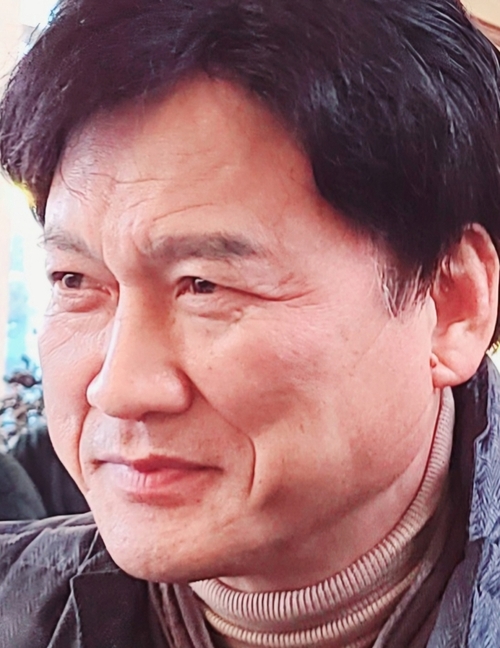
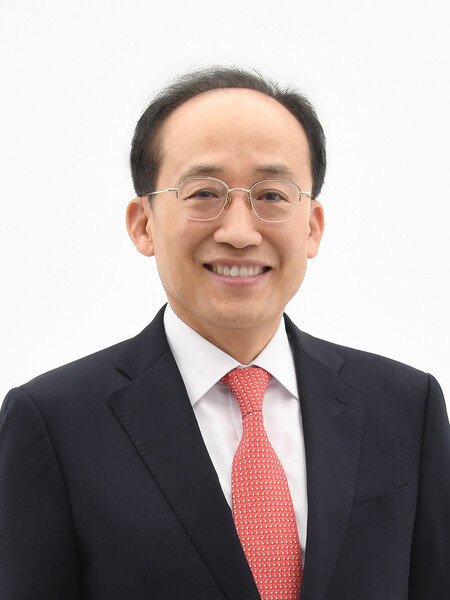
▲ 필자/곽인옥 교수. ©브레이크뉴스 |
1. 생활형 실증 연구의 시작
곽 교수는 기존 북한 연구가 주로 권력구조, 핵·군사 전략, 지도자 중심의 정치분석에 치중해왔다는 한계를 인식했습니다. 이에 그는 국가 차원의 거시담론이 아닌, 주민들의 실제 생활세계에 주목하는 ‘생활형 실증 연구’를 독자적으로 추진했습니다.
그는 약 10여 년간 평양 출신 탈북민 100여 명을 심층 면담하며, 이들의 경제 활동 경험, 생존 전략, 일상적 거래 방식 등을 구체적으로 기록했습니다. 또한 면담 자료를 위성사진, 장마당 가격 동향, 물류 경로 데이터와 교차 검증하여 북한 내부의 비공식 경제를 구조화했습니다. 이처럼 질적·양적 자료를 융합한 독창적 방법론은 학계와 정책 현장에서 모두 주목을 받았습니다.
2. ‘이중 경제’ 구조의 발견과 이론화
면담과 자료 분석을 거치면서, 곽 교수는 기존의 ‘계획경제 vs 시장화’라는 이분법적 분석이 현실을 충분히 설명하지 못한다는 점을 확인했습니다.
국가는 여전히 배급, 행정 통제, 국가 기업소를 통한 계획적 구조를 유지하고 있었지만, 동시에 주민 주도의 장마당, 돈주(신흥 자본가), 여성 상인, 국경 무역 네트워크가 활발히 작동하고 있었습니다.
곽 교수는 이 두 체계가 단순히 충돌하는 것이 아니라, 긴장과 협력을 반복하면서 주민 생존을 위한 동력으로 기능한다는 점을 포착했습니다. 이를 자동차에 비유하여, **계획경제는 ‘내연기관’, 비공식 시장경제는 ‘전기모터’**로 동시에 작동하는 **‘하이브리드 생존경제’**라는 개념을 창안했습니다.
3. 21가지 핵심 요소 체계화
연구는 한 단계 더 나아가 북한 경제를 **세 영역(국가 제도, 민간 주체, 경제 구조)**으로 분류하고, 그 안에 내재된 21가지 핵심 요소를 추출했습니다.
▶국가 영역: 당·군·보위부 등 권력기관의 통제, 국가 기업소의 외화벌이, 제도적 배급체계의 잔존
▶민간 주체: 돈주와 여성 경제인의 부상, 신흥 중산층의 형성, 사채시장의 성장
▶구조적 요소: 불법과 합법의 모호성, 외화 의존, 사회 불평등 확대, 신분 상승 가능성, 권력-시장 간 결탁 등 이를 통해 단순히 “시장화”가 아니라, 주민 생존을 매개로 한 국가와 시장의 복잡한 상호작용을 이론적으로 구조화했습니다. 이는 곽 교수 연구의 가장 독창적 성과라 할 수 있습니다.
4. 학술적·정책적 신뢰와 영향력 확보
곽 교수의 연구는 AI 기반 학술평가 시스템(Semantic Scholar, Scopus 등)에서 실증성, 독창성, 구조화 가능성 측면에서 높은 평가를 받으며 국제적으로 인정받았습니다.
특히 이 연구는 ▶통일 정책 수립, ▶남북 경제협력 모델 설계, ▶국제기구 인도적 지원 프로그램 기획 등 다양한 정책 현장에 활용될 수 있는 실질적 적용 가능성을 보여주었습니다. 무엇보다 북한 연구의 초점을 ‘국가 중심’에서 **‘생활경제 중심’**으로 전환시켰다는 점에서 새로운 패러다임을 제시했다는 평가를 받습니다.
5. 민족공훈적 학문 성취
곽 교수는 열악한 연구 환경 속에서도 끈기 있게 자비로 연구를 이어가며 북한 주민들의 목소리를 학문적으로 복원해냈습니다. 이는 민족 통합과 상생, 통일 기반 마련에도 기여한 뜻깊은 성과로 민족공훈대상 등의 수상으로도 인정받았습니다.
곽인옥 교수의 연구 여정은 ▶현장 심층 면담과 실증 자료의 융합, ▶기존 연구 패러다임에 대한 비판적 문제의식, ▶주민 생존 중심의 경제구조 분석, 그리고 이를 이론적 개념으로 승화한 독창성에 기반해 ‘평양 하이브리드 생존경제’**라는 새로운 분석틀을 정립한 과정이었습니다. 이는 북한 경제 연구의 한계를 넘어, 학문적·정책적 모두에서 중요한 기준점이자 전환점으로 자리매김했습니다.
*필자/곽인옥 교수.
*아래는 위 기사를 '구글 번역'으로 번역한 영문 기사의 [전문]입니다. '구글번역'은 이해도 높이기를 위해 노력하고 있습니다. 영문 번역에 오류가 있을 수 있음을 전제로 합니다.<*The following is [the full text] of the English article translated by 'Google Translate'. 'Google Translate' is working hard to improve understanding. It is assumed that there may be errors in the English translation.>
[Pyongyang Market Economy Report] The Process of Developing the "Pyongyang Hybrid Survival Economy" Theory
- Professor Kwak In-ok
1. Beginning of Empirical Research on Lifestyle
Professor Kwak recognized the limitations of existing North Korean studies, which primarily focused on power structure, nuclear and military strategies, and leader-centered political analysis. He therefore independently pursued "Empirical Research on Lifestyle," focusing on the actual lives of residents rather than on macro-economic discourses at the national level.
For approximately ten years, he conducted in-depth interviews with over 100 North Korean defectors from Pyongyang, meticulously documenting their economic experiences, survival strategies, and everyday transaction patterns. He also cross-checked the interview data with satellite imagery, market price trends, and logistics route data to structure North Korea's informal economy. This unique methodology, which merges qualitative and quantitative data, has garnered attention from both academia and policymakers.
2. Discovery and Theorization of the "Dual Economy" Structure
Through interviews and data analysis, Professor Kwak confirmed that the existing dichotomous analysis of "planned economy vs. marketization" did not adequately explain the reality.
The state still maintained a planned structure through rationing, administrative control, and state-run enterprises, but at the same time, resident-led markets, donju (new capitalists), female merchants, and border trade networks were actively operating.
Professor Kwak recognized that these two systems were not simply in conflict, but rather, through a cycle of tension and cooperation, functioning as a driving force for the people's survival. Using this as an analogy to a car, he coined the concept of a "hybrid survival economy," where the planned economy operates as an "internal combustion engine" and the informal market economy as an "electric motor."
3. Systematization of 21 Core Elements
The research went a step further, categorizing the North Korean economy into three areas (state institutions, private entities, and economic structure) and extracting 21 core elements embedded within them. ▶State sphere: Control by power organs such as the Party, military, and Ministry of State Security, foreign currency earning by state enterprises, and the remnants of the institutional distribution system. ▶Private actors: The rise of donju (donju) and female entrepreneurs, the formation of a new middle class, and the growth of the private loan market. ▶Structural factors: Ambiguity between legal and illegal, dependence on foreign currency, widening social inequality, the possibility of upward mobility, collusion between power and the market, etc.
Through this, Professor Kwak theoretically structured the complex interactions between the state and the market, mediated by the survival of the people, rather than simply "marketization." This is arguably the most original achievement of Professor Kwak's research.
4. Securing Academic and Policy Trust and Influence
Professor Kwak's research has been internationally recognized, receiving high marks for its empirical validity, originality, and structural feasibility in AI-based academic evaluation systems (Semantic Scholar, Scopus, etc.).
In particular, this research has demonstrated practical applicability in diverse policy areas, including: ▶Establishing unification policies,
▶Designing inter-Korean economic cooperation models,
▶Planning humanitarian aid programs for international organizations,
and more. Above all, he is recognized for presenting a new paradigm in North Korean research, shifting its focus from a "state-centered" approach to a "subsistence economy-centered" approach.
5. Academic Achievements of National Merit
Despite challenging research environments, Professor Kwak persevered and dedicated his research, academically restoring the voices of North Korean residents. This significant achievement, which contributed to national unity, coexistence, and the establishment of a foundation for unification, was recognized with awards such as the National Merit Award.
Professor Kwak In-ok's research journey involved the integration of in-depth field interviews and empirical data, a critical awareness of existing research paradigms, an analysis of the economic structure centered on the survival of residents, and the originality of elevating this to theoretical concepts. This process led to the establishment of a new analytical framework, the "Pyongyang Hybrid Subsistence Economy." This approach transcended the limitations of North Korean economic research and established itself as a significant benchmark and turning point in both academic and policy circles.
*Author: Professor Kwak In-ok.