▲ 리바이어던 ©브레이크뉴스 |
1. 서론 – 사회계약, 그리고 북한이라는 질문
국가란 왜 존재하는가? 개인은 왜 국가를 받아들이는가?
서양 정치사상의 고전적 질문은 언제나 사회계약론으로 귀결된다. 인간은 홀로 서기 어렵기에 일부 자유를 국가에 위임하고, 그 대가로 생존과 안전을 보장받는다는 아이디어다.
홉스(Thomas Hobbes)는 무질서를 피하기 위해 절대권력이 필요하다고 했고, 로크(John Locke)는 생명·자유·재산권 보장을 사회계약의 핵심으로 보았다. 루소(Jean-Jacques Rousseau)는 공동체의 합의를 ‘일반의지’로 규정하며 집단적 정당성을 강조했다. 결은 달라도 물음은 같다.
“국가는 무엇을 보장하고, 시민은 무엇을 내어주는가?”
그렇다면 북한에서의 사회계약은 무엇일까?
북한의 최고 지도자는 단순한 정치적 통치자가 아니다. 그는 세속 권력을 장악한 왕이자, 주체사상이라는 ‘국가 종교’를 주도하는 교황을 동시에 겸한 인물이다. 다시 말해 북한의 지도자는 절대주의 시대, 세속과 종교 권위가 결합된 **리바이어던(Leviathan)**에 가깝다.
그러나 1990년대 중반 ‘고난의 행군’은 이 리바이어던의 정당성에 금을 냈다. 배급 체계가 붕괴하며 국가는 더 이상 주민의 생존을 보장하지 못했다. 그 순간 주민들이 직면한 물음은 단순했다.
“국가가 우리를 먹여 살리지 못한다면, 무엇을 국가와 교환할 수 있는가?”
그 답은 시장이었다. 장마당은 억압과 단속을 받으면서도 동시에 묵인과 타협의 공간이 되었다. 이때부터 북한의 사회계약은 계획경제적 배급 사회계약에서 시장 묵인 체제라는 새로운 균형으로 전환되었다.
2. 본론 – 북한 시장경제의 계약 구조
(1) 배급 붕괴와 ‘묵인 계약’의 출현
배급망 붕괴는 국가–주민 간 암묵적 사회계약의 해체를 의미했다. 지도자는 왕이자 교황으로서 절대권을 유지했으나, 주민의 생존이라는 최소한의 의무는 이행하지 못했다.
결국 주민들은 스스로 생존을 개척했다. 장마당은 가내 수공업과 식량 거래, 국경 밀수품 교환의 장으로 성장했고, 주민들의 삶은 점차 국가보다 시장에 의해 규정되기 시작했다.
이 과정에서 새로운 비공식 계약이 형성되었다.
국가는 시장을 불법으로 규정하되 필요에 따라 묵인한다.
주민은 뇌물·상납·비공식 세금을 제공하며 활동 공간을 ‘구입’한다.
권력기관은 단속 대신 이익을 공유한다.
리바이어던이 전능성을 상실한 자리에, 단속과 타협이 교차하는 묵인 계약 체제가 북한 사회를 지탱하게 된 것이다.
(2) 돈주와 권력기관: 상호 의존적 계약
2000년대에 등장한 돈주는 북한 경제의 새로운 주역이다. 자본 축적을 통해 건설·운송·무역을 장악하며 사실상 국가 기능을 대체했다. 그러나 그들의 지위는 개인 재산만으로 확보된 것이 아니다. 권력기관과 맺는 계약이 그들의 안전망이었다.
돈주는 보위부·경찰 등 권력기관에 자금과 특권을 제공한다.
권력기관은 법 집행을 유예하고 경제 활동을 보호한다.
이는 일종의 사적-공적 파트너십이다. 국가의 권위는 여전히 존재하지만, 그 국가는 민간 자본가와 협력·거래해야만 기능할 수 있다.
사회계약론 틀로 본다면, 이는 홉스적 강제가 아니라 로크적 권리 보장과 루소적 공동체 연대가 뒤섞인 혼합 계약 구조라 할 수 있다.
(3) 국가–시장 하이브리드 계약 체제
오늘날 북한에서 시장은 단순한 생존 수단을 넘어 국가 체제 유지의 필수 자원이 되었다.
국가는 시장을 통해 외화와 세수를 확보한다.
주민은 장마당에서 생존과 삶의 안정성을 확보한다.
권력기관은 단속비·투자·공생 관계 속에서 경제 이익을 얻는다.
이로써 형성된 북한의 구조는 억압과 묵인, 공생과 경쟁이 뒤섞인 하이브리드 계약 체제다. 국가는 더 이상 전능한 리바이어던이 아니라, 시장과 주민, 돈주와 권력기관 사이에서 타협하는 파트너로 변화하고 있다.
3. 결론 – 하이브리드 사회계약의 귀결: 홉스에서 로크, 그리고 루소로
북한의 현실은 여전히 홉스적 압제 위에 서 있다. 지도자는 왕이자 교황으로서 군사력과 이념을 독점하며 리바이어던적 존재로 기능한다. 주민은 통제 속에서 생존을 강요받는다.
그러나 시장이 일상화되면서 주민들은 로크적 권리, 즉 제한적 자유와 재산권을 경험하고 있다. 만약 국가가 이 권리를 다시 억누르거나 계약을 파기한다면, 주민들 속에서 저항권의 발동 가능성이 싹틀 수 있다. 생존경제적 사회계약은 억압 속에서도 저항의 잠재성을 품고 있는 것이다.
하지만 북한 사회의 변화를 이끌 핵심 동력은 개인적 저항보다 집단적 연대다. 장마당 네트워크와 지역 협력망은 이미 공동체적 조직 원리로 작동하며, 새로운 사회 질서를 조금씩 형성하고 있다. 북한 사회가 장차 진입할 변화의 무대는 결국 루소적 일반의지, 공동체적 합의의 방식일 가능성이 크다.
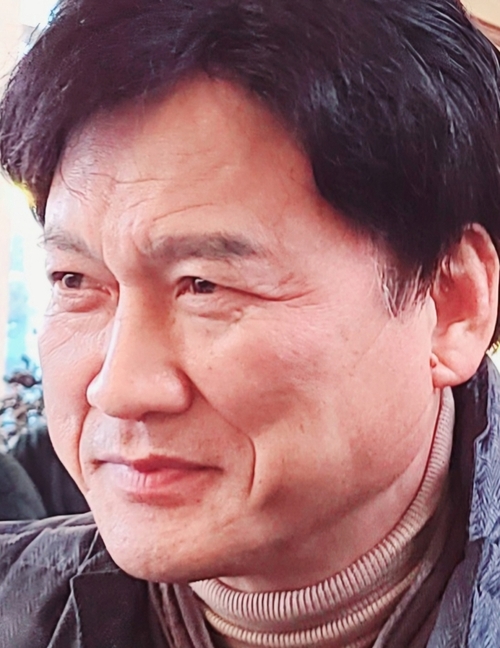
 ▲ 필자/곽인옥 교수. ©브레이크뉴스 |
따라서 북한의 사회계약은 홉스적 억압에서 로크적 저항의 가능성을 거쳐, 궁극적으로 루소적 합의로 나아가는 하이브리드 과정 속에 있다.
즉, 북한의 사회계약은 완결된 헌법이 아니라 매일 협상되고 재작성되는 현실의 계약이며, 동시에 그 끝자락에서는 공동체 일반의지라는 새로운 사회계약의 가능성을 향해 흘러가고 있다.
*필자/곽인옥 교수.
*아래는 위 기사를 '구글 번역'으로 번역한 영문 기사의 [전문]입니다. '구글번역'은 이해도 높이기를 위해 노력하고 있습니다. 영문 번역에 오류가 있을 수 있음을 전제로 합니다.<*The following is [the full text] of the English article translated by 'Google Translate'. 'Google Translate' is working hard to improve understanding. It is assumed that there may be errors in the English translation.>
The Evolution of the Social Contract Theory in North Korea: A New Balance of Governance and Survival
- Professor Kwak In-ok
1. Introduction – The Social Contract and the Question of North Korea
Why do states exist? Why do individuals accept the state?
The classic question in Western political thought always boils down to the social contract theory. It's the idea that humans, unable to stand alone, delegate some of their freedoms to the state, in exchange for the guarantee of survival and security.
Thomas Hobbes argued that absolute power is necessary to avoid disorder, while John Locke saw the guarantee of life, liberty, and property rights as the core of the social contract. Jean-Jacques Rousseau defined the community's consensus as the "general will," emphasizing collective legitimacy. While the conclusions differ, the question remains the same:
"What does the state guarantee, and what do citizens give up?"
So, what is the social contract in North Korea?
North Korea's supreme leader is not simply a political ruler. He simultaneously held secular power and the pope who spearheaded the "state religion" of Juche ideology. In other words, the North Korean leader was akin to a Leviathan, a combination of secular and religious authority from an era of absolutism.
However, the "Arduous March" of the mid-1990s undermined the legitimacy of this Leviathan. The rationing system collapsed, and the state could no longer guarantee the survival of its citizens. The question facing the people at that moment was simple:
"If the state cannot feed us, what can we exchange for it?"
The answer was the market. The market, while subject to oppression and crackdowns, simultaneously became a space of acquiescence and compromise. From this point on, North Korea's social contract shifted from the planned rationing social contract to a new equilibrium of market acquiescence.
2. Main Text – The Contractual Structure of the North Korean Market Economy
(1) The Collapse of Distribution and the Emergence of the “Acquiescent Contract”
The collapse of the distribution system signified the dissolution of the implicit social contract between the state and the people. While the leader maintained absolute power as both king and pope, he failed to fulfill the minimum obligation of the people's survival.
Ultimately, the people took matters into their own hands. The marketplace grew into a venue for home-based crafts, food trade, and the exchange of smuggled goods across the border, and the lives of the people increasingly became governed by the market rather than the state.
In this process, a new informal contract was formed.
The state deems the market illegal, but tolerates it when necessary.
The people “purchase” space for activity through bribes, kickbacks, and unofficial taxes.
Instead of cracking down, the authorities share in the profits.
In place of the Leviathan's omnipotence, a system of acquiescent contracts, intertwined with crackdowns and compromises, has come to sustain North Korean society.
(2) Donju and Power Agencies: Interdependent Contracts
Donju, which emerged in the 2000s, are a new driving force in the North Korean economy. Through capital accumulation, they have taken control of construction, transportation, and trade, effectively replacing state functions. However, their status is not secured solely through personal wealth. Contracts with power agencies serve as their safety net.
Donju provide funds and privileges to power agencies such as the Ministry of State Security and the police.
Power agencies suspend law enforcement and protect economic activity.
This constitutes a kind of private-public partnership. While the state's authority remains, it can only function through cooperation and transactions with private capitalists.
From a social contract perspective, this is not Hobbesian coercion, but rather a hybrid contractual structure that blends Lockean rights protection and Rousseauian community solidarity.
(3) State-Market Hybrid Contractual System
In North Korea today, the market has become more than just a means of survival; it has become an essential resource for maintaining the state system.
The state secures foreign currency and tax revenue through the market.
Residents secure their survival and stability in the marketplace.
Power organizations derive economic benefits from regulatory fees, investment, and symbiotic relationships.
The resulting North Korean structure is a hybrid contractual system, a mixture of oppression and acquiescence, symbiosis and competition. The state is no longer an omnipotent Leviathan, but rather a compromising partner between the market and the people, the money lenders and the power organizations.
3. Conclusion – The Outcome of the Hybrid Social Contract: From Hobbes to Locke and Rousseau
North Korea's reality remains rooted in Hobbesian oppression. The leader, as both king and pope, monopolizes military power and ideology, functioning as a Leviathan. Residents are forced to survive under control.
However, as markets become routine, residents experience Lockean rights, namely limited freedom and property rights. If the state represses these rights or breaks the contract, the potential for resistance can sprout within the population. The survival-economic social contract harbors the potential for resistance even amidst oppression.
However, the core driving force behind change in North Korean society is collective solidarity, rather than individual resistance. Market networks and regional cooperative networks already operate on communal organizational principles, gradually forming a new social order. The stage of change that North Korean society will eventually enter is likely to be a Rousseauian general will and communal consensus.
Therefore, North Korea's social contract is a hybrid process, moving from Hobbesian oppression to the possibility of Lockean resistance, ultimately leading to Rousseauian consensus.
In other words, North Korea's social contract is not a finalized constitution, but rather a real contract negotiated and rewritten daily. Simultaneously, at its end, it flows toward the possibility of a new social contract, the general will of the community.
*Author: Professor Kwak In-ok