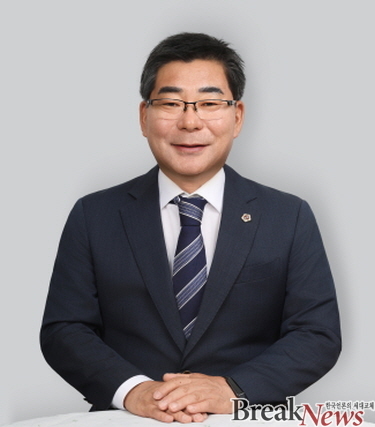
▲ 국민의힘 박성훈 의원(부산 북구을) ©배종태 기자 |
[브레이크뉴스=배종태 기자] 해외 도피사범을 국내로 송환한 뒤 수사기관이 ‘48시간 내 구속영장 청구’ 요건을 맞추지 못해 영장이 기각되거나 석방되는 사례가 반복되면서, 제도 개선을 요구하는 목소리가 커지고 있다.
이에 국민의힘 박성훈 의원(부산 북구을)이 피의자 송환 실무의 현실을 반영한 형사소송법 개정안을 2일 대표 발의했다. 개정안은 대한민국 영역 밖에서 체포된 피의자에 한해 구속영장 청구 기산점을 ‘체포 시점’이 아닌 ‘입국심사 완료 시점’으로 바꾸는 내용을 담고 있다.
현행법은 피의자 체포 후 48시간 이내에 구속영장을 청구하도록 하고 있지만, 장거리 항공 이송과 입국 절차, 조사 준비 등을 고려하면 현실적으로 이 요건을 충족하기 어렵다는 지적이 제기돼 왔다.
실제 경찰청에 따르면 2024년 해외도피사범 송환자는 총 691명으로, 전년(470명) 대비 47% 급증하며 최근 6년 새 가장 많은 수치를 기록했다. 범죄 유형으로는 ▲사기(383명) ▲도박(79명) ▲마약(41명) ▲횡령·배임(31명) 등이 주를 이뤘다.
문제는 체포 시점부터 기산되는 ‘48시간’이 수사기관에겐 지나치게 촉박하다는 점이다. 예컨대 뉴욕에서 피의자를 넘겨받아 기내에서 체포영장을 집행하면, 비행시간만 13~14시간이 소요된다. 이후 간소화된 입국심사를 거치더라도 유치장까지의 이동과 기초 조사 시간까지 포함하면 영장 청구 시한 내 수사를 완료하기란 사실상 불가능에 가깝다.
이로 인해 충분한 조사가 이루어지지 않은 채 영장을 청구하거나, 방어권 보장을 제대로 하지 못한 상태에서 구속 여부가 결정되는 등 형사절차 전반에 혼란이 발생하고 있다.
박성훈 의원은 “국제 공조와 인터폴 협력으로 송환은 늘고 있지만, 제도가 현실을 따라가지 못해 수사 공백과 인권 침해라는 이중 문제가 생기고 있다”며 “이번 개정안은 수사기관의 실질적 수사권을 확보하면서도 피의자의 방어권을 보장해, 형사사법 절차의 균형을 맞추는 제도적 장치가 될 것”이라고 설명했다.
[Here is the English translation of article] Rep. Park Sung-hoon Proposes Bill to Start 48-Hour Detention Clock After Entry Inspection for Overseas Fugitives
With the number of extradited fugitives on the rise, South Korea’s rigid 48-hour rule for requesting detention warrants is drawing criticism for being out of step with reality—particularly in cases involving long-haul flights and complex repatriation procedures.
On September 2, Rep. Park Sung-hoon of the People Power Party (Buk-gu-eul, Busan) introduced a proposed amendment to the Criminal Procedure Act, aimed at addressing this issue. The bill stipulates that when a suspect is apprehended outside the country, the 48-hour window for requesting a detention warrant should begin after immigration procedures are completed—not from the moment of arrest.
Currently, South Korean law mandates that investigators must file for a detention warrant within 48 hours of arrest, regardless of where the arrest takes place. But law enforcement agencies argue that this timeline is often unworkable when suspects are extradited from abroad.
According to the Korean National Police Agency, 691 fugitives were repatriated to South Korea in 2024—a 47% increase from 470 in 2023, and the highest number in six years. Fraud topped the list of charges with 383 cases (55.4%), followed by illegal gambling (79), drug offenses (41), and embezzlement or breach of trust (31).
But in many cases, extraditions involve long flights—such as from New York to Seoul, which takes 13 to 14 hours—followed by immigration clearance and the transport of suspects to detention facilities. These time-consuming processes often leave investigators with only a few hours to complete preliminary questioning and file for a warrant.
As a result, investigators are sometimes forced to apply for a warrant before any meaningful interrogation takes place, increasing the risk of dismissal by the courts. In other cases, suspects are detained without a proper opportunity to defend themselves, raising concerns over the violation of due process rights.
“The number of fugitive extraditions is increasing thanks to international cooperation and Interpol, but our current 48-hour rule creates both investigative delays and human rights risks,” said Rep. Park. “This amendment is a minimum legal safeguard that ensures both effective law enforcement and the protection of suspects' rights.”
원본 기사 보기:부산브레이크뉴스