▲ 장동혁 국민의힘 대표. ©뉴시스 |
제1야당인 국민의힘엔 분열(分裂) 메커니즘이 깔려 있다. 사익추구 때문이다. 물론 누구나 사익을 추구한다. 하나 지적할 건, 게임이론 시각에서 볼 때 공직을 맡을 이들은 따로 정해져 있다는 사실이다. 공직에 적성이 맞아야 한다. 그 경우, 사익추구 행태가 자연스레 공익에 부합한다. 계약으로 돌아가는 나라에서 공익과 부합한 사익추구는 문제될 게 없다. 예를 들면, 검사도 변호사도 사익을 추구한다. 그 사익추구 행태가 사회에 기여한다. 악당을 잡아 벌을 주고 누군가의 억울함을 풀어 준다.
정치인도 사익을 챙기겠지만 공익에 부합해야 한다. 정당도 마찬가지다. 당의 이익도 중요하지만 그 이익이 국익에 부합해야 할 것이다. 문제는 국민의힘과 같은 정당이다. 극단주의자들은 사익추구를 위해 보수 진영 전체를 틈새시장으로 몰아가는 격이다. 그건 진영의 이익에도 국익에도 부합하지도 않는다. 누구의 잘잘못을 따질 때가 아니다. 지금 국민의힘은 누가 당대표가 되어도 갈등이 있을 수밖에 없다. 역설적이게도 승리의 비전 제시를 위해선 갈등이 필연적이다. ‘중도확장’ 때문이다.
이런 식이다. 누가 당권을 쥐더라도 그는 중도확장을 모색할 수밖에 없는데, 중도확장에 나서면 당권에 욕심낸 다른 정치 세력이 그를 ‘배신’으로 몬다. 밉건 곱건 한동훈도 배신자로 몰렸고 그 주위 인사들도 배신자로 몰리는 중이다. 전북대 강준만 명예교수는 그 ‘배신’ 프레임이 역겹다고까지 표현했다. 그렇게 누군가를 ‘배신’으로 몰기 시작하면, 발전을 위해 제언을 할 수조차 없다.
신임 장동혁 당대표 또한 내심 중도확장 쪽으로 마음을 굳혔을 테지만 ‘배신’ 프레임을 두려워할 수도 있다. 분명한 건, 극단주의는 틈새시장으로의 쏠림을 의미한다. 필패공식이다. 장동혁을 ‘배신자’로 몰면, 국민의힘은 ‘배신 도미노’ 현상이 일어날 수밖에 없다. 생각해보라. ‘중도확장’이 배신이면, 역설적이게도 승리 비전을 제시하는 모든 이들이 ‘배신자’가 된다. 이게 말이 될까?
산수다. 선거는 표 싸움이다. 표를 더 얻어야 이긴다. 수학 공식이 신념이 아니듯 중도 확장도 신념이 아니다. 승리공식인 것이다. 만년 야당 할 거 아니라면 싫건 좋건 선거전에서 이겨야 한다. 이기려면 중도확장 밖에 없다. 패배가 뻔한 선거전을 고집하는 걸 두고 ‘자기 열등화’ 전략이라고 한다. 솔직히 말해, 선거전은 이겨야 의미가 있다.
지금 국민의힘이 돌아가는 상황을 보면 선거전을 포기하는 것 같다. 승리를 위해 노력하는 이들이 무조건 배신자 누명을 뒤집어쓰는 판이다. 국민의힘은 엉뚱한 공식이 횡행한다. ‘중도확장=배신자’. 망하는 공식이기도 하다. 더 황당한 건 이거다. 장동혁을 ‘배신자’로 몰아 그가 물러나고 다른 이가 당대표가 된다고 해보자. 그는 딜레마에 또 빠지고 만다. 그가 선거전 승리를 모색한다면, ‘극단주의’는 ‘계륵’일 수밖에 없다. 그는 당연히 ‘중도확장’을 꾀할 수밖에 없다. 그리고 다시 ‘배신자’로 내몰린다. ‘배신 도미노’다. 결국 당은 배신자 색출에만 몰입하고 민주당에 더 큰 힘이 실리게 된다.
당이 망하지 않으려면 배신 도미노가 있어야 하고, 배신 도미노가 없으면 당이 망하는 것이다. 이게 얼마나 황당한 메커니즘인지 극단주의자들만 모르는 것 같다.
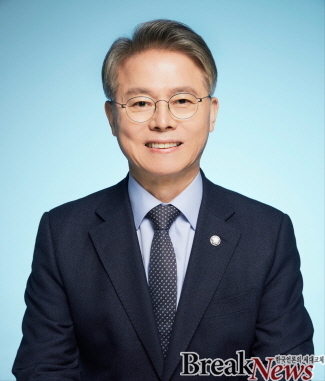
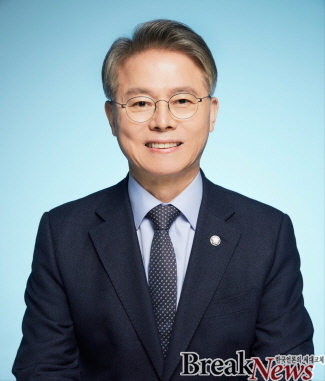
 ▲필자/ 이양승 군산대 교수. ©브레이크뉴스 |
틈새시장으로 들어가면 망한다. 넓은 시장을 지향해야 한다. 중원이 중도고 중도가 중원이다. 수권정당의 면모는 다른 게 아니다. 집권 가능성이다. 국민들에게 신뢰를 주기 위해서도 그렇다. 극단주의자들 중에 트럼프를 잘못 이해하고 있는 이들이 많다. 트럼프는 보수주의자이지만 그가 추구하는 정책은 중도확장 효과가 크다. 보호주의를 통해 리쇼어링을 유도하고 좋은 일자리들을 창출해 서민, 노동자, 저소득층의 큰 지지를 끌어내고 있기 때문이다. 중도확장 전략과 맥이 닿는다.
한국 보수 진영 내 극단주의자들은 반대다. 표를 더욱 줄어들게 한다. 국민의힘은 틈새시장에서 나와 넓은 시장으로 나아가야 한다. yslee1992@kunsan.ac.kr
*필자/이양승
군산대 교수. 국제경제, 게임이론 그리고 지역 발전전략에 대해 연구하는 학자이다. 현재 국립 군산대 무역학과 교수로 재직 중이다. 이전엔 캐나다 앨버타 대학교(University of Alberta) 경제학과에서 ‘게이임(gaming)’에 대해 연구와 강의를 했으며, 한국건설산업연구원에서 연구위원으로 근무했다.
전북 남원에서 출생해 전주한일고와 전북대 상과대학을 졸업했다. 이후 미국으로 건너가 노스 캐롤라이나 주립대학교 (North Carolina State University)에서 통계학과 경제학을 공부해 석사를 받았으며, 캔자스 대학교(The University of Kansas)에서 산업조직과 게임이론에 대한 연구로 경제학 박사를 받았다.
저서로는 '메트로 이코노미 (타임라인)'과 ‘와일드 게임이론 (박영사)’, ‘무역학개론(공저, 두남)’, ‘문화지체에 빠진 건설산업 (공저, 한국건설산업연구원)’ '자유무역론(박영사)' 등이 있고, 36편의 단독연구 학술논문이 있다.
*아래는 위 기사를 '구글 번역'으로 번역한 영문 기사의 [전문]입니다. '구글번역'은 이해도 높이기를 위해 노력하고 있습니다. 영문 번역에 오류가 있을 수 있음을 전제로 합니다.<*The following is [the full text] of the English article translated by 'Google Translate'. 'Google Translate' is working hard to improve understanding. It is assumed that there may be errors in the English translation.>
The People Power Party must move beyond its niche market and into a broader market!
The People Power Party's Divisive Mechanism
-Lee Yang-seung, Professor at Kunsan National University
The main opposition People Power Party, the largest party, is inherently divided. This stems from the pursuit of self-interest. Of course, everyone pursues self-interest. One thing to note is that, from a game theory perspective, those who hold public office are specifically selected. They must be suited to public office. In such cases, self-interest-seeking behavior naturally aligns with the public interest. In a country governed by contract, self-interest-seeking that aligns with the public interest is not problematic. For example, prosecutors and lawyers also pursue self-interest. This self-interest-seeking behavior contributes to society. It catches and punishes villains and clears the wrongs of others.
Politicians may pursue self-interest, but they must also serve the public interest. The same applies to political parties. While the party's interests are important, those interests must also align with the national interest. The problem lies with political parties like the People Power Party. Extremists are essentially pushing the entire conservative camp into a niche market for their own self-interest. This serves neither their own interests nor the national interest. This is no time to judge who is right or wrong. The People Power Party is bound to face conflict no matter who becomes its leader. Ironically, conflict is inevitable if they are to present a vision for victory. This is due to "centrist expansion."
It's like this. Whoever takes power, they inevitably seek centrist expansion. However, if they do, other political forces, eager for power, will accuse them of "betrayal." Whether they like it or not, Han Dong-hoon has been branded a traitor, and those around him are also being branded as such. Professor Emeritus Kang Joon-man of Chonbuk National University even described the "betrayal" framing as disgusting. Once someone is branded a "betrayer" in this way, it's impossible to offer suggestions for progress.
Newly appointed party leader Jang Dong-hyuk may also be deeply committed to centrist expansion, but he may fear the "betrayal" framing. What's clear is that extremism means focusing on niche markets. It's a surefire formula for defeat. If Jang Dong-hyuk is branded a "traitor," the People Power Party will inevitably experience a "domino effect of betrayal." Think about it. If "centrist expansion" is betrayal, then paradoxically, everyone who proposes a vision for victory becomes a "traitor." Does this make sense?
It's arithmetic. Elections are a battle of votes. Winning is about winning. Just as a mathematical formula isn't a belief, centrist expansion isn't a belief. It's a winning formula. Unless you're going to be a perpetual opposition party, you have to win the election, whether you like it or not. The only way to win is centrist expansion. Insisting on a campaign where defeat is certain is called a "self-inferiorization" strategy. Frankly, winning is the only way to win an election.
Looking at the current state of the People Power Party, it seems like they're giving up on the campaign. Those who strive for victory are being branded traitors. The People Power Party is running on absurd formulas. "Central expansion = traitor." This is a formula for failure. What's even more absurd is this: let's say Jang Dong-hyuk is branded a "traitor," forcing him to step down and replacing him with someone else as party leader. He'll be caught in another dilemma. If he seeks election victory, "extremism" is bound to be a "weakling." He'll naturally seek "central expansion." And then he'll be driven back to being a "traitor." It's a "domino effect of betrayal." Ultimately, the party will become obsessed with identifying traitors, and the Democratic Party will gain even more power.
For a party to survive, there must be a domino effect of betrayal, and without it, the party will fail. Only the extremists seem to understand how absurd this mechanism is.
Entering a niche market will lead to failure. We must aim for a broad market. The center is the center, and the center is the center. The essence of a ruling party is nothing other than the possibility of taking power. It's also about building public trust. Many extremists misunderstand Trump. Trump is a conservative, but the policies he pursues have a significant centrist expansionist effect. By encouraging reshoring and creating good jobs through protectionism, he is attracting significant support from ordinary citizens, workers, and low-income earners. This aligns with the centrist expansionist strategy.
Extremists within the Korean conservative camp oppose this, saying it will further reduce their votes. The People Power Party must move beyond niche markets and into broader markets. yslee1992@kunsan.ac.kr
*Author/Yangseung Lee
Professor at Kunsan National University. He is a scholar specializing in international economics, game theory, and regional development strategies. He currently serves as a professor in the Department of International Trade at Kunsan National University. Previously, he researched and lectured on "gaming" in the Department of Economics at the University of Alberta, Canada, and served as a research fellow at the Construction and Economy Research Institute of Korea.
Born in Namwon, North Jeolla Province, he graduated from Jeonju Hanil High School and the College of Commerce at Chonbuk National University. He later moved to the United States, where he studied statistics and economics at North Carolina State University, earning a master's degree. He also received a doctorate in economics from the University of Kansas, focusing on industrial organization and game theory.
His publications include "Metro Economy (Timeline)," "Wild Game Theory (Parkyoungsa)," "Introduction to Trade Studies (co-authored, Doonam), "The Construction Industry in Cultural Lag (co-authored, Korea Construction Economy Research Institute)," and "Free Trade Theory (Parkyoungsa)," and he has published 36 independent academic papers.