▲ 정길선 박사 ©브레이크뉴스 |
1922년 캄보디아 왕족의 한 집안인 노로돔 가문의 장남으로 태어난 시아누크는 시와 음악을 사랑하는 감수성이 예민한 문학인으로써 당시 왕이 될 적임자는 아니었던 인물이다. 그러한 점이 식민통치를 하던 프랑스의 입장에서는 최고 적격자로 보였다. 하지만 왕로 즉위하자마자 주변의 예상을 깨고 정략적 외교술을 유감없이 발휘하면서 동남아시아 근대사에 일대 파란을 일으켰다. 시아누크는 캄보디아뿐만 아니라 동남아시아 현대사를 정면으로 돌파한 현실 정치인으로 제2차 세계대전 때부터 캄보디아 등 인도차이나 전역에 발생한 식민과 독립, 열전과 냉전, 혁명과 반혁명, 쿠데타와 내전, 전쟁과 협상, 학살과 화해 등 상상 가능한 모든 정치적 격변에서 때로는 주역으로, 때로는 패배자로, 종국적으로 중재자로서의 삶을 살았다 해도 과언이 아니다.
시아누크는 이 과정에서 주변 강대국은 물론이고 국내 정치세력을 상대로 동맹과 투쟁, 연대와 배신을 번갈아가며 결국 협상으로써 약소국인 조국 캄보디아의 독립과 자주를 지키려 노력했다. 1953년 프랑스 보호국이던 캄보디아의 독립을 이끌었으며, 1954년 제네바 회의에서는 군사 동맹 불 체결 조약을 선언했다. 1957년 영세중립법을 공포하고 1961년 라오스 국제회의를 제창하는 등 국가의 중립화에 공헌했다. 시아누크는 가난한 나라의 군주였지만, 향락적이고 사치스런 생활도 많이 했다. 뜬금없는 정치 행보와 교묘한 말 바꾸기로 인해 종종 국제사회의 비웃음을 사기도 했다. 그는 여러 명의 부인을 거느렸고, 공식 발표된 아들의 수만도 14명에 이를 정도로 문란한 생활을 했다. 장남인 라나리드 왕자는 첫 부인의 소생이지만, 현 시하모니 왕의 어머니인 모니크(Monik) 왕대비는 공식적으로는 6번째 부인이다. 결혼 당시 이미 여러 명의 부인들이 있음에도 불구하고 자신이 심사위원으로 나서고 있는 미인 대회 입상자를 지금의 왕비로 삼았다.
모니크 상왕비는 프랑스계 이탈리아 사업가와 캄보디아 왕족 사이에서 태어난 혼혈이다. 시아누크는 서방 문화와 동양 왕실 문화에 물든 국제 외교가의 대표적 호사가이기도 했다. 프랑스 와인과 음식 애호가로 시아누크가 주선하는 연회는 당시 외교가의 대표적 사교장이었다. 1967년 방문한 케네디 대통령의 미망인 재클린(Jacqueline Kennedy Onassis)은 시아누크의 주관 하에 연일 이어지는 서양식 연회에 질려 했을 정도다. 독립 이후, 1955년 아버지에게 왕위를 물려주고 시아누크는 “인민사회주의공동체”라는 정당을 창설하여 89%의 압도적인 지지를 바탕으로 국회 전 의석을 석권하는 등 첫 총선을 대승으로 장식했고, 국가 주석, 총리, 외교 장관을 겸임하는 자애로운 전제군주로 군림했다. 그의 인생에서 있어서 최대 전성기였다. 시아누크는 1960년대 냉전 상황에서 제3 세계 비동맹 운동의 한 주역으로 활약하며, 캄보디아를 한 강대국의 일방적 세력권으로 만들지 않으려고 했다.
하지만 1960년대 이후 가열되는 베트남 전쟁은 시아누크와 캄보디아를 쇠퇴일로로 안내했다. 호치민이 이끄는 북베트남은 시아누크의 묵인 하에 캄보디아 영내를 호치민 루트로 잘 알려진 병참 수송로로 활용했고, 1970년 미국은 친미 정치인 론 놀 장군을 부추겨 베트남 전쟁에 비협조적이던 시아누크를 축출하는 쿠데타가 발생하게 만들었다. 베이징으로 망명한 시아누크는 그 이후 영욕이 교차하는 고단한 인생을 살게 된다. 그나마 망명객을 친구로서 맞아주던 중공의 총리 주은래(周恩來)가 1976년 지병으로 죽자, 그는 의형제를 맺고 지내던 북한 김일성 주석의 도움으로 북한에서 망명생활을 시작하게 된다. 시아누크를 위해 주석궁을 차용하여 지은 별장식 궁전도 평양 인근에 아직 존재하고 있으며, 말년에는 평양을 자주 방문해 요양을 했다. 시아누크는 생전 북한 김일성 주석, 김정일 국방위원장과 친밀한 관계를 유지했다. 1965년 인도네시아에서 열린 비동맹 회의에서 처음 만나 북한을 적극 지지해준 것이 인인이 되어 친밀한 유대관계를 맺었다.
북한은 시아누크의 망명 생활 중 장수원(長壽院)이라는 궁전을 지어주어 우정을 과시하기도 했다. 프놈펜 도심에는 현재에도 김일성 대원수 거리가 있으며, 시아누크는 2012년 1월 김일성 탄생 100주년 태양절을 즈음하여 국제 김일성 상을 수상하기도 했다. 그는 망명객의 신세로 전락했지만, 그에게도 미국의 베트남 전쟁에서 패배 이후 친미 정권인 론 놀 정부가 붕괴되고 1975년 캄보디아가 공산주의 낙원을 주창한 크메르 루주에 의해 장악되자, 폴 포트가 이끄는 정권의 상징적인 국가수반이 되어 복귀하게 된다. 하지만 그는 자신이 탄압했던 공산 세력인 폴 포트가 이끄는 크메르 루주의 이름뿐인 군주에 지나지 않았다. 공산주의자인 폴 포트는 시아누크를 다시 왕으로 추대해 절대 왕정 국가로 회귀할 생각은 추호도 없었다. 폴 포트는 다만 시아누크의 명성과 인기를 적절히 정치적으로 이용하고 싶었을 뿐이다. 시아누크는 철저히 이용만 당한 채 결국 1년 만에 크메르 루주에 의해 직위를 찬탈당하고 정치적인 은퇴를 강요당했다.
사실상 연금 상태에 처해 목숨마저 위태로운 상황이었으나, 중공의 도움으로 극적으로 살아남게 된다. 1979년 베트남이 캄보디아를 침공해 크메르 루주 정권을 타도했으나, 캄보디아의 베트남 속국 화를 우려한 시아누크는 베이징을 거점으로 하여, 국제 사회를 상대로 한 활발한 외교 활동을 펼쳤다. 12년 동안의 시아누크의 외교 활동으로 인해 캄보디아는 1991년 결국 유엔 중재로 파리평화협정을 맺고 4개 정파가 모인 가운데 종전 협상을 타결 지었다. 시아누크는 캄보디아 국민들의 열렬한 환영을 받으며 귀국하여 캄보디아 과도 정부 수반에 선출됐으며, 2년 뒤 유엔(UN) 감시 감독 하에 총선을 실시해, 새로운 정부를 구성했다. 첫 총선에서 큰아들 노로돔 라나리드 왕자가 이끄는 정당이 예상을 깨고 압승하자, 실력자 훈 센은 내전 재발을 협박했다. 이에 시아누크는 아들에게 공동 총리 제도를 설득해 제1총리 직은 라나리드 왕자가, 제2총리 직은 훈 센이 나누어 가지는 등 양두 체제로 국정을 운영하게 되었다. 그리고 1993년 9월 입헌군주제로 헌법을 개정해 시아누크는 왕위에 복귀했다.
그 이후 1997년 훈 센 측과 라나리드 진영의 권력 다툼 속에 무력 충돌이 발생하여 결국 왕당파인 라나리드 진영이 훈 센이 이끄는 군대에게 패배했다. 그는 더 이상 정치적 재기는 어려울 것으로 판단하여 비공식적으로 정치 일선에서 물러나, 그의 장기인 캄보디아 정파들의 중재로 소일하며 시간을 보냈다. 노인이 된 시아누크 왕은 전립선암을 겪었으며, 전해진 바에 의하면 1996년에는 가벼운 뇌졸중 증세를 보였다고 한다. 그리고 2012년 10월 15일 시아누크는 건강 악화로 인하여 사망하였다.
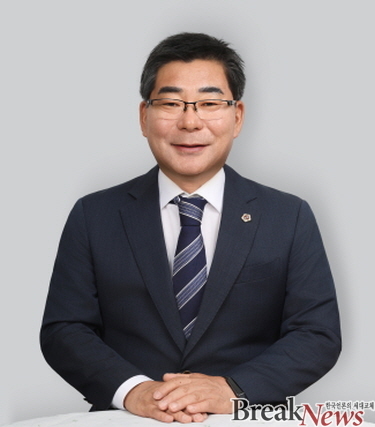
*필자/ 정길선.
노바토포스 회원, 역사학자, 고고인류학자, 칼럼니스트, 러시아 과학아카데미 유라시아 고고인류학연구소 연구교수.
*아래는 위 기사를 '구글 번역'으로 번역한 영문 기사의 [전문]입니다. '구글번역'은 이해도 높이기를 위해 노력하고 있습니다. 영문 번역에 오류가 있을 수 있음을 전제로 합니다.<*The following is [the full text] of the English article translated by 'Google Translate'. 'Google Translate' is working hard to improve understanding. It is assumed that there may be errors in the English translation.>
The Life of Cambodia's King Norodom Sihanouk
Columnist Jeong Gil-seon
Born in 1922 as the eldest son of the Norodom family, a member of the Cambodian royal family, Sihanouk was a sensitive man of letters with a love of poetry and music. However, this made him an unlikely candidate for the throne at the time. From the perspective of the colonial French, he seemed the most qualified. However, upon ascending to the throne, he defied expectations and demonstrated his strategic diplomacy, unleashing a profound shift in modern Southeast Asian history. Sihanouk was a pragmatic politician who confronted modern history not only in Cambodia but also in Southeast Asia. It is no exaggeration to say that he lived his life as a leading figure, a loser, and ultimately a mediator in every imaginable political upheaval that has unfolded throughout Indochina, including Cambodia, since World War II: colonization and independence, hot and cold wars, revolutions and counter-revolutions, coups and civil wars, wars and negotiations, massacres and reconciliations.
Throughout this process, Sihanouk alternated between alliances and struggles, solidarity and betrayal with not only surrounding powers but also domestic political forces, ultimately striving to preserve the independence and autonomy of his small homeland, Cambodia, through negotiation. In 1953, he led Cambodia, then a French protectorate, to independence, and in 1954, at the Geneva Conference, he declared a non-conclusion of military alliances. He contributed to the country's neutrality by promulgating the Permanent Neutrality Law in 1957 and initiating the Laos International Conference in 1961. Although a monarch of a poor nation, Sihanouk often enjoyed a hedonistic and extravagant lifestyle. His unexpected political moves and manipulative rhetoric often drew international ridicule. He led a promiscuous life, with multiple wives and an officially announced number of 14 sons. While his eldest son, Prince Ranariddh, is the son of his first wife, Queen Dowager Monique, mother of the current King Sihamoni, is officially his sixth wife. Despite already having several wives at the time of his marriage, he chose the winner of a beauty pageant, for which he was a judge, as his current queen.
Queen Monique of the Former Kingdom, born to a French-Italian businessman and a Cambodian royal family, is of mixed descent. Sihanouk was also a leading figure in the international diplomacy, a man of luxury steeped in Western and Eastern royal culture. A lover of French wine and cuisine, Sihanouk's banquets were a prime example of social gatherings for diplomats of the time. Jacqueline Kennedy Onassis, the widow of President Kennedy, visited in 1967 and was reportedly disgusted by the Western-style banquets Sihanouk hosted. After independence, Sihanouk abdicated the throne to his father in 1955 and founded the People's Socialist Community, a political party that won a landslide victory in the first general election, securing all seats in the National Assembly with an overwhelming 89% of the vote. He reigned as a benevolent despot, holding the concurrent posts of President, Prime Minister, and Minister of Foreign Affairs. This was the pinnacle of his life. During the Cold War in the 1960s, Sihanouk played a leading role in the Third World Non-Aligned Movement, striving to prevent Cambodia from becoming a unilateral sphere of influence for any one great power.
However, the intensifying Vietnam War in the 1960s led Sihanouk and Cambodia into a downward spiral. North Vietnam, led by Ho Chi Minh, used Cambodia as a logistics route, known as the Ho Chi Minh Trail, with Sihanouk's tacit approval. In 1970, the United States instigated a coup d'état led by pro-American politician General Lon Nol, ousting Sihanouk, who had been uncooperative in the Vietnam War. Sihanouk, who fled to Beijing, lived a difficult life of ups and downs. When Chinese Premier Zhou Enlai, who had welcomed the exile as a friend, died of a chronic illness in 1976, Sihanouk began his life in exile in North Korea with the help of his sworn brother, North Korean President Kim Il-sung. The villa-style palace built for Sihanouk, borrowing the Presidential Palace, still stands near Pyongyang, and he frequently visited Pyongyang in his later years to recuperate. Sihanouk maintained close relationships with North Korean President Kim Il-sung and National Defense Commission Chairman Kim Jong-il throughout his life. They first met at the 1965 Non-Aligned Conference in Indonesia, and their close relationship stemmed from their active support for North Korea.
North Korea even built a palace for Sihanouk in exile, called Jangsoowon, as a gesture of friendship. Kim Il-sung Street still stands in downtown Phnom Penh, and Sihanouk received the International Kim Il-sung Award in January 2012, marking the 100th anniversary of Kim Il-sung's birth. Although he was reduced to exile, he returned to Cambodia as a symbolic head of state under Pol Pot after the collapse of the pro-American Lon Nol government following the US defeat in the Vietnam War and the subsequent takeover of Cambodia by the Khmer Rouge, which advocated a communist paradise. However, he remained a mere figurehead of the Khmer Rouge, the communist group he had oppressed. Communist Pol Pot had no intention of reinstating Sihanouk as king and restoring an absolute monarchy. Pol Pot simply hoped to exploit Sihanouk's fame and popularity for political gain. Thoroughly exploited, Sihanouk was ultimately usurped from his position by the Khmer Rouge within a year and forced into political retirement.
De facto under house arrest, his life in jeopardy, he was miraculously saved with the help of the Chinese Communist Party. In 1979, Vietnam invaded Cambodia and overthrew the Khmer Rouge regime. However, Sihanouk, fearing Cambodia's vassalization, used Beijing as a base and actively engaged in diplomatic activities with the international community. Sihanouk's twelve years of diplomatic engagement ultimately led to the 1991 UN-brokered Paris Peace Accords, bringing together the four political factions to conclude a peace treaty. Sihanouk returned to Cambodia to a rapturous welcome and was elected as the head of the interim government. Two years later, he held general elections under UN supervision and formed a new government. In the first election, the party led by his eldest son, Prince Norodom Ranariddh, unexpectedly won a landslide victory. However, the powerful Hun Sen threatened a resurgence of civil war. In response, Sihanouk persuaded his son to adopt a joint prime minister system, with Prince Ranariddh sharing the First Prime Minister position and Hun Sen sharing the Second Prime Minister position, effectively establishing a two-headed government. In September 1993, the constitution was amended to establish a constitutional monarchy, and Sihanouk was restored to the throne.
Following this, in 1997, a power struggle between Hun Sen and the Ranariddh faction erupted into armed conflict, ultimately resulting in the defeat of the royalist Ranariddh faction by Hun Sen's forces. He unofficially withdrew from the political scene, judging that further political revival would be difficult, and spent his time mediating between Cambodian political factions, his specialty. The aging King Sihanouk suffered from prostate cancer and reportedly suffered a mild stroke in 1996. On October 15, 2012, Sihanouk died from declining health.