브레이크뉴스 김충열 정치전문기자 = 민주공화국에서 부의 세습이 점점 고착화 되고있다. 부와 가난의 대물림을 해소하고 불평등을 줄일 수는 정녕 없는가? 국회 기획재정위원회 소속 최기상 의원(더불어민주당)이 보건복지부로부터 받은 자료에 의하면 기초생활수급자는 2018년 1,743,690명(전체 인구 중 3.38%), 2019년 1,881,357명(3.63%), 2020년 2,134,186명(4.12%), 2021년 2,359,672명(4.56%), 2022년 2,451,458명(4.74%), 2023년 2,554,627명(4.94%)으로 매년 증가했고, 2024년에는 2,673,485명(5.2%), 2025년 8월 기준 2,777,460명(5.4%)로 2024년 이후 전체 인구 대비 5%를 넘었다.
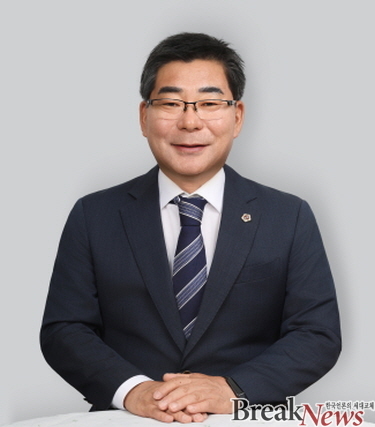
 ▲ 최기상 의원은 “민주공화국에서 부와 가난의 ‘세습’은 국가의 존재이유를 묻게 된다. 개인의 노력보다 물려받은 부가 자산 형성을 결정하는 미성년자의 부의 세습은 다음 세대에게 공정한 출발선을 물려줘야 하는 우리의 중요한 해결 과제이다”며, “부와 가난의 대물림을 해소하고 불평등을 줄이기 위한 정책적 노력을 더욱 강화해야 한다. 나아가 빈곤을 개인의 책임 이라기보다 사회 구조적 맥락에서 바라보는 인식 전환이 절실히 필요한 시점이다”라고 강조했다. © 김충열 정치전문기자 |
특히 청소년기(12~19세), 청년기(20~39세), 중년기(40~64세), 노년기(65세 이상) 기초생활수급자는 2022년부터 2025년까지 계속 증가한 것으로 나타났다. 이 중 2022년 대비 2025년 8월에 노년기 기초생활수급자가 25.4% 증가해 가장 큰 폭이었다. 이어 청년기가 9.7% 증가했다.
기초생활수급자 ‘18년 이후 계속 증가 ‘24년 270만여명 전체 인구 5.2% 차지
한편, 최기상 의원이 받은 국세청 자료를 보면, 2023년 이자소득과 배당소득을 포함한 금융소득이 있는 미성년자는 5,009,883명으로 총액은 6,482억 원이 넘었다. 2019년 4,485억 원에서 44.5% 증가한 수치이다. 2023년 금융소득이 있는 12세 이상 미성년자는 2,568,570명으로 금융소득이 있는 미성년자 전체의 51.3%를 차지했다. 청소년기(12세~19세) 기초생활수급자가 2022년 이후 매년 증가하고 있는 것과 극명하게 대비된다.
미성년자 금융소득액 6,482억 원 넘고 임대소득액은 593억 원 넘어
2023년 임대소득이 있는 미성년자는 3,313명이었고 그 금액은 593억 6800만 원으로 나타났다. 12세 이상 미성년자는 전체의 65.8%(2180명)이다.
1인당 GDP가 3만 6천 달러(2024년)인 시대를 살고 있지만 생활고를 겪는 기초생활수급자 수는 2025년 약 278만 명 규모인 반면에, 미성년자 금융소득과 임대소득은 매년 증가하고 있다.
 ▲ 2023년 임대소득이 있는 미성년자는 3,313명이었고 그 금액은 593억 6800만 원으로 나타났다. 12세 이상 미성년자는 전체의 65.8%(2180명)이다.1인당 GDP가 3만 6천 달러(2024년)인 시대를 살고 있지만 생활고를 겪는 기초생활수급자 수는 2025년 약 278만 명 규모인 반면에, 미성년자 금융소득과 임대소득은 매년 증가하고 있다. © 김충열 정치전문기자 |
최기상 의원은 “민주공화국에서 부와 가난의 ‘세습’은 국가의 존재이유를 묻게 된다. 개인의 노력보다 물려받은 부가 자산 형성을 결정하는 미성년자의 부의 세습은 다음 세대에게 공정한 출발선을 물려줘야 하는 우리의 중요한 해결 과제이다”며, “부와 가난의 대물림을 해소하고 불평등을 줄이기 위한 정책적 노력을 더욱 강화해야 한다. 나아가 빈곤을 개인의 책임 이라기보다 사회 구조적 맥락에서 바라보는 인식 전환이 절실히 필요한 시점이다”라고 강조했다. hpf21@naver.com
* 아래는 위 기사를 '구글 번역'으로 번역한 영문 기사의 [전문]입니다. '구글번역'은 이해도 높이기를 위해 노력하고 있습니다. 영문 번역에 오류가 있을 수 있음을 전제로 합니다. *The following is [the full text] of the English article translated by 'Google Translate'. 'Google Translate' is working hard to improve understanding. It is assumed that there may be errors in the English translation.
Choi Ki-sang: "Basic livelihood security recipients exceed 5% of the total population, and the financial income of minors from wealthy backgrounds exceeds 648.2 billion won."
Minors' financial income exceeds 648.2 billion won, and their rental income exceeds 59.3 billion won.
Break News Political Reporter Kim Choong-lyoul = In democratic republics, the inheritance of wealth is becoming increasingly entrenched. Is it truly impossible to eliminate the intergenerational transmission of wealth and poverty and reduce inequality? According to data received from the Ministry of Health and Welfare by Representative Choi Ki-sang (Democratic Party of Korea), a member of the National Assembly Planning and Finance Committee, the number of basic livelihood security recipients increased every year: 1,743,690 in 2018 (3.38% of the total population), 1,881,357 in 2019 (3.63%), 2,134,186 in 2020 (4.12%), 2,359,672 in 2021 (4.56%), 2,451,458 in 2022 (4.74%), and 2,554,627 in 2023 (4.94%), and is expected to reach 2,673,485 in 2024 (5.2%), and 2,777,460 as of August 2025 (5.4%), with a total increase of 2024 and thereafter. It exceeded 5% of the population.
In particular, the number of basic livelihood security recipients in adolescence (ages 12-19), youth (ages 20-39), middle age (ages 40-64), and elderly (ages 65 and older) continued to increase from 2022 to 2025. Among these, elderly basic livelihood security recipients saw the largest increase, increasing by 25.4% in August 2025 compared to 2022. The next largest increase was in the youth age group, increasing by 9.7%.
The number of basic livelihood security recipients has continued to increase since 2018, reaching approximately 2.7 million in 2024, accounting for 5.2% of the total population.
Meanwhile, according to National Tax Service data obtained by Representative Choi Ki-sang, the number of minors with financial income, including interest and dividend income, in 2023 was 5,009,883, totaling over 648.2 billion won. This represents a 44.5% increase from KRW 448.5 billion in 2019. In 2023, the number of minors aged 12 and older with financial income reached 2,568,570, accounting for 51.3% of all minors with financial income. This contrasts sharply with the annual increase in the number of basic livelihood security recipients among adolescents (ages 12-19) since 2022.
Minors' financial income exceeded KRW 648.2 billion, and their rental income exceeded KRW 59.3 billion.
In 2023, there were 3,313 minors with rental income, totaling KRW 59.368 billion. Minors aged 12 and older accounted for 65.8% (2,180) of the total.
We live in an era where the per capita GDP is projected to reach $36,000 (2024), yet the number of basic livelihood security recipients struggling to make ends meet is projected to reach approximately 2.78 million by 2025. Meanwhile, the financial and rental income of minors continues to increase annually.
Representative Choi Ki-sang stated, "In a democratic republic, the 'inheritance' of wealth and poverty calls into question the very existence of the state. The inheritance of wealth among minors, where inherited wealth rather than individual effort determines asset formation, is a critical challenge for us to address, ensuring a fair starting point for the next generation." He emphasized, "We must further strengthen policy efforts to address the intergenerational transmission of wealth and poverty and reduce inequality. Furthermore, a shift in perspective is urgently needed, viewing poverty not as an individual responsibility but rather as a structural issue within society." hpf21@naver.com