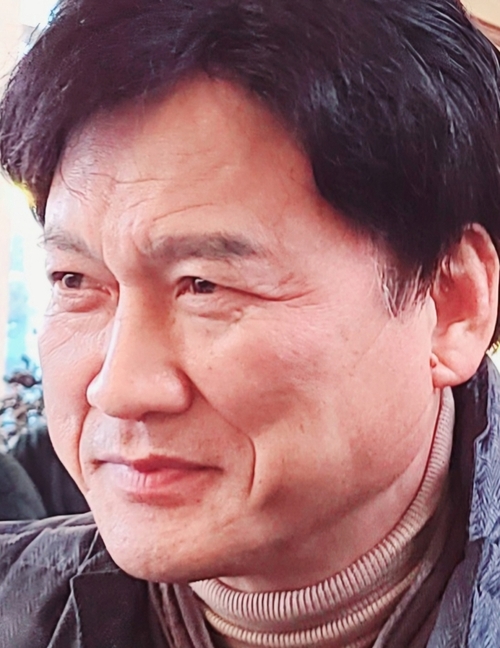
▲필자/ 이래권 작가. ©브레이크뉴스 |
나는 평생 노동자, 그것도 막일꾼을 40여 년 했다. 노령연금만 기다릴 뿐 아무것도 없지만 부끄럽지 않고 스스로 추억의 자긍심을 갖고 있다. 7세에 부친이 병사하고 8세부터 어린 동생들을 위해 소나무 가지로 밥을 시작한 농촌 출생이다. 시궁창 출신이지만 이 사회에 조금은 깨끗하게 기여했다고 본다.
17개 기술을 익혔는데, 그중 하나가 비계공이고 약 7년간 일했다. 1989년 1991년 등록금 벌러 일본 지바현 사쿠라시 향정건설에서 철제 비계를 시작 일본인보다 하루 2만 원을 더 받았다. 공고 공전 대학을 거치면서 다 근로 고학생으로 하다 보니 휴학이 재학보다 많았다.
이번 홍콩 대나무 비계를 이용한 가연성 위험물질 속에서 중국식 대약진 이익 남기기 공사는 결국 노약자 위주로 일순간에 제삿날을 하루에 정해준 관제 관리감독 소흘이 빚은 참극이다.
일본은 비계는 부품이 모두 철제다. 조코 즈자이 아무르꾸 엑스반도 안따 아시바이따 등 35년 지난 지금 귀에 쟁쟁하다. 군산 동양정밀 화학공장 건설 시엔 80% 이상이 대형 사각목재(산승각)와 철사(반생)를 이용 비계를 사용하고 일부는 조립식 철제 비계를 병행했다. 1992년부턴 경기도 광주 퇴촌면 소재 팔당대교~부산 위 언양대교 보수공사 비계팀장으로 수십 미터 다리 밑으로 밧줄 타고 내려가 파이프와 합판, 앵글 앙카를 이용한 복합비계 설치방법을 사용했다.
비계업체에 들어가 일주일도 안 돼 팀장으로 발탁 모든 권한과 책임을 줬을 때, 나는 감사보다는 엄청난 압박과 의무감을 안고 일을 시작했다. 잘 훈련된 특전사 시절에도 동료들이 팔다리가 잘리는 사고를 적잖이 봐서 나는 냉혈한처럼 생각 행동해야 했다. 나는 알지만, 따르는 동료들은 잘 몰랐으며, 그들은 누군가의 귀한 가족이고 자식들이었기 때문이다. 항상 불안하고 초조했다. 일종의 신성하고도 무거운 책임감을 안고 긴장을 풀지 않았다. 다행히 내 시야 안에서는 일을 놓을 때까지 사고는 일어나지 않았다.
멀리 홍콩에서 비계현장에서 참상이 일어났다. 강 건너 불구경이 아니다. 우리도 아파트가 고층화되고 밧줄 하나에 목숨 걸고 일하는 설치 청소 노동자가 부지기수로 늘어나고 있다. 일당이 높은 대신 떨어지면 천만 원 월급 모아 산 아파트와 가족 놔두고 황천길로 아프게 가는 경우가 점증하고 있다. 해서, 그간 비계공으로서 일한 경험과 문제점이 뭔지 작게나마 알리고 그 분야를 생업 삼고 있는 노동자와 사용자, 관리감독 공무원들 모두에게 경각심을 줬으면 한다.
먼저, 홍콩 비계 시설 대형화재와 대량인명 살상 원인을 몇 가지로 추론해 볼 수 있다. 반 사회주의자(안티 쇼우셜리스트)가 첫째인데, 공안(公安) 특경(特警)이 서슬퍼런 중국에서 소수민족이나 혹은 서방의 사회 혼란 조장 측면에서 테러는 대가가 커서 일단 후위로 놓는다. 둘째, 행인이나 노숙자가 잠시 거류하며 기존 거주민의 눈초리를 피해 숙박하다 휴대용 버너를 사용키도 어렵다. 외부인이 침입, 장기 점거사용 실화(失火)도 사실상 불가능하다.
결과적으로 화재의 원인은 리모델링 현장 내부 거주민 아니면 거의 수의계약형 일회성 대공사에 여러 협력업체가 동원됐고, 충분한 안전교육을 받지 못한 오합지졸 여러 기술자로 팀을 꾸렸을 것이다. 지휘통제가 일원화 속달되지 못하고, 바벨탑이 무너지듯 안전 무시 소통 부재로 일꾼들이 따로국밥으로 메뉴얼도 숙지 못하고 마천루에서 층마다 담배를 피우다 여기저기 던졌을 가능성이 농후하다. 그중 하나가 스티로폼 뇌관에 용융열로 석유 부산물 결속선 스티로폼 등에 급속히 연쇄 확산번짐으로 이어진 것은 분명하다. 동시다발이지만, 최초 한곳에서 실화 된 담배꽁초 하나가 지연신관이 되어 급기야 감시 사각지대에서 불폭풍을 일으켜 임대주택 거주 저소득 홍콩인들을 대량 살상시킨 것이다. 10년의 비계 반장으로서의 진단이다.
담배꽁초로 비계 재료인 대나무를 태우거나 추락 방지 그물을 녹여 발화시키기엔 점화 열량이 부족하다. 밤에 고소(高所)에서 작업을 위해 전기선을 배열해서 전등불로 야간작업을 한다는 것 또한 고소작업 특성상 세계 어디에도 없다. 안전사고 방지 최고단계인 비계는 보통 5~50미터까지 고공에서 이루어지기 때문에 야간작업은 없다. 즉, 전선이 화재 원인이 될 수 없단 뜻이다.
128명이 죽고 200여 명이 실종된 참사는 어디에서부터 시작됐는가? 수사가 길어지겠지만, 최초 발화 원인은 감히 담뱃불이라 단언한다. 최초 발화시 거기에 있었던 노동자는 분명 자신의 실화임을 인지했을 것이고, 무심코 버린 담배꽁초가 크게 비화되자 엄청난 공포에 휩싸였을 것이다. 도망갔고, 침묵의 공포 속에 실화자가 떨고 있을 수도 있다. 경찰이 과학수사로 밝힐 일이다.
비계는 보통 수평 지지대로 수직 공간을 확보하며 수십 미터까지 올라간다. 홍콩 비계는 대나무라 사선으로 흔들림을 방지하는 결속 한다. 일본에선 그걸 엑스반도(X-BAND)라 하여 층층의 사각 프레임이 흔들리지 않도록 네 모서리 돌출연결구에 능지처참 모양으로 사지를 펼쳐 연결한다고 보면 된다. 이런 연결부위 결속은 일본의 비계처럼 규격화된 철제 결속장치를 사용할 수 없다. 해서 화학재료 결속밴드나 동남아 식물성 밧줄 등을 결속해야 단단하고 유격이 없다. 이 연결부위 결속 밧줄 부스러지 뭉침 부위 또한 담뱃불의 열량을 키울 연소 재료로서 작용했을 가능성도 올려놓아야 한다.
티브이에서 화면이 전부 비계와 추락방지망만 보여줬는데, 누가 봐도 화재가 일어날 착화가 어려운 비교적 안전한 비계 시설물로 보인다. 이미 불이 확산돼 화재규모를 키우는 부속 가연재로서 역할은 분명하다.
실찰(失察)일 수 있겠지만, 언듯 내 눈에는 기존 거주민 베란다 창과 외부 비계 사이에 스티로폼으로 소음 분진을 막으려는 가림막이 보였다. 합판으로 해야 했었는데 시간과 비용 소음 등으로 스티로폼 수천장을 칼이나 톱으로 너무 쉽게 방음 방진 하려는 안일함이 이번 참상의 큰 원인이 아닌지 조심스레 진단해 본다.
유체 열 공기 운동역학을 공부한 입장으로선 공기 열역학을 전공 안 한, 중국 노동계의 물량 성과주의 채근 독촉으로, 웃통 벗고 빨리빨리 감독 시스템 부실 방기가 참상을 자초한 것이 아닌가 추측한다.
북극에선 화재가 일어나지 않는다. 열역학, 즉 열 손실이 빠르게 이뤄지기 때문에 점화 발열 화재로 일어나기 어렵다. 비행기는 보통 만 미터 이상 제트기류를 타고 운행되는데 외부온도가 보통 영하 50도를 넘어 애당초 화재가 일어날 수 없다. 비행기 내부도 추워져 담요를 덮고 포도주를 서너 잔 마시며 장거리 여행에 잠을 청한다. 이착륙 시 사고는 보통 대형화재로 이어져 비행기가 추락하지 않아도 동체가 녹아 승객이 전기 통닭구이가 되는 등 인명 살상을 피하기 어렵다. 즉, 이륙 시 지상 온도와 만 미터 이상에서 자동운항 시스템 운용고도에서의 온도 차는 보통 60~90도 차이가 나기도 한다. 화재발화와 번짐이 지상 온도와 결합 폭탄이 되는 것이다. 발화조건에서 홍콩은 상온이 30도를 넘었고, 담뱃불이나 실화로 가연성 결속재료인 화학재 결속끈, 아파트 외부와 내부 사이 차단재를 스티로폼으로 쓴 것은 휘발류 통에 성냥을 던진 격이다. 작업장 진입 시 라이터 색출 압수를 법제화해서 홍콩 화재 답습을 정부 당국 기업은 막을 책임을 느끼고 작업지침을 복창시킨 후 개시해야 한다. 난 2년간 일본 현장에서 안전구호를 매일 체조 후 외치고 나서야 일을 시작해서 단 한건의 안전사고도 없었다.
홍콩은 뜨거운 저위도에 있어서 에어컨은 필요하지만, 난방이 필요 없다. 동남아 국가에 가보면 건물들 방온공사를 생략해서 건물골조가 대부분 얇다. 얼어 죽을 사람이 없단 뜻이다. 일사병 열사병 환자는 생기지만, 견딜만하고 또 막대한 단열공사로 건축비를 낭비하지 않는다. 베란다에 줄을 걸어 빨래를 말리는 정도다. 물론 고급 아파트나, 태국의 샹그릴라 호텔(문재인 대통령이 방문해서 묵었던) 정도는 냉난방 공사를 고위도 선진국처럼 한다. 나머진 냉난방 공사를 생략한다. 서민들은 17만 원 월세방에 서너 명씩 동거하며 문을 열어놓고 산다. 에어컨 난방비를 감당하지 못하기 때문이다. 동남아에서 빈부는 외국 담배 피우고 에어컨 틀고 사는 사람은 부자다. 또 술값이 비싸 인도차이나에서 러시아까지 밀주를 마시다 사망하는 사람이 적지 않다. 기후와 온도는 이처럼 사람들 생활방식에 크게 다르게 적응토록 만든다.
홍콩 화재는 저위도 국가라 상온(常溫)이 높아 실화 점이 주변의 도움을 받아 화력이 급속히 팽창된다. 불이나 핵폭탄이나 폭발 시 거대한 상승기류를 만들고 주변의 산소를 빨아들여 화력이 커지고 하늘로 치솟아 끄기 어렵다. 검은 구름이 생겨 하늘로 치솟고, 핵폭탄의 경우 태양을 가려 저기압ㅈ과 함께 검은비가 내린다. 이게 죽음의 비다. 비닐이 유익한 싸고 빠른 보호구다. 고층이라 소방서 사다리가 닿지 않고, 또 그 드세진 화마를 잡긴 애당초 불가능해서 희생자가 많이 생긴 원인이다.
이번 홍콩 화재 현장은 임대아파트 저소득층이 거주해서 원래 골조 밖에 단열재를 넣고 다시 마감재로 이중 마감하는 공사가 애초에 없었다. 해서, 외부 노후화가 빨랐고, 외부 철조 벗겨진 페인트 균열 부분 화학제로 덧칠하기 등 공사가 필요했을 것이다. 이 공사 중에 첫째 단가가 싸니 노동자 자격도 웃통 벗고 빨리빨리 채근당하다가 스트레스로 담배를 뻐끔거리다 가림막 밖으로 던지지 못해 문제가 생긴 것 아닌가? 반 확신한다. 외부 뜨거운 온도가 담뱃재 냉각 시간을 늦춰 아래 스티로폼에 떨어진 것이 파고들어가 녹아들면서 화학 반응열을 보존 상승시켜 화라락 반 가스 불에 육박하는 급작스러운 불꽃을 솟구치게 하지 않았나 예상을 하게 한다.
즉, 담뱃불 하나가 홍콩의 30도 온도와 담뱃불과 결합한 스티로폼의 화학 반응열 급작스러운 상승, 마침 불어오는 외부 바람이 비계를 감싼 비닐 가림막을 녹이고 나아가 가연성인 대나무와 합세 순식간에 아비규환으로 바꿨을 개연성이 아주 높다.
외부 테러와 전깃줄 합선은 가능성이 작다. 건물과 비계 사이에 있던 노동자의 무(無) 개념 안전의식으로 인한 실화가 틀림없다.
두 번째 원인으론, 스티로폼에 내던진 담뱃불 실화 외에 대나무 비계를 사용하는 중국 전통이 빚은 참극일 가능성도 있다. 대나무 비계 결속 부위는 고무 밴드나 열대 식물에서 추출한 식물성 밧줄 연결부위가 착화점이 되어 마른 섶에 숯불형으로 지연신관식 화재로 발전됐을 가능성도 높다.
나는 지난 2018년 7월 9일 자 브레이크 뉴스 칼럼난에 “발암물질 석면 들어있는 건축자재-화재 취약 자재 없애야”란 글을 실었었다. 충남 보령산이 주축인 학교 조경석이 석면이 많이 함유된 유해한 줄 알면서도 채취와 가공이 쉬워 쓰는 것을 지양해야 한다고 강조했다. 또한 모든 화재 시 대형화재 직해인 스티로폼과 샌드위치 패널 대체재를 개발해야 된다고 주장한 바 있다. 백년하청 아직도 그렇다. 우리도 타산지석으로 삼아 한해 2천 명 넘게 산재사고 살상자를 방지하기 위해 관행적 위험 묵인 공사현장을 즉각 중지 안전사항을 재검토해야 한다.
난 7세에 부친이 죽고, 그 후 어린 노동자로 한평생 일당 막일 건축 전 분야를 두어 바퀴 돈 철의 노동자다. 알바가 아니었다. 내 스스로 못 지키면 그걸로 생존이 막힐 중상해자로 전락하기 때문에 분야별 기술에 관한 연구를 여러모로 했다. 신성한 생존조건을 끌려다니나 죽거나 장애인 된 노동자를 많이 봐왔다. 두어 군데 수술했지만, 아직 노동력을 상실친 않았다.
17개 기술 중 가장 일당이 센 직종은 비계공이었다. 1898년 1991년 등록금 벌러 일본 지바현 향정건설에 2년간 일당 일인보다 2만 원 더 받고 일했다. 1992년 1993년 경기도 광주 소재 신특수건설에 입사 일주일 만에 비계 반장이 되어 팔당대교~언양대교 수리 보수공사 총감독으로 초고속 책임자가 되기도 했다. 작업조건은 보통 80년대 건설된 20~30미터 다리 밑에 밧줄을 타고 내려가 작업대를 설치하는 목숨 건 일이었다. 특전사에서 생활한 담력이 크게 도움 됐다. 용기만으론 안 된다. 계획 공지 예행연습 자재 준비 지원확보 돌발사태 대응책 안전요원 배치 등 많은 과정이 필요하다. 회사가 인건비를 들어 이 중 하나만 빼면 그 누군가는 죽는다. 대부분 인건비 절감하려 부분을 빼고 재 하청을 줘서 노동자가 죽는 것이다.
역시, 이 회사에서 고속도로 상판 연결부위 교체 작업하다 안전요원 미비치, 원가절감 속임으로 현장에 내몰았다. 노동자 두 명이 새벽 고속도로에서 차에 치여 죽었다. 난 공구를 던지고 욕설했고, 월급 안 받을 테니 잘살아 보라 폭언했다. 내 생애 동안 너희 회사를 끝까지 추적하겠다고 허튼소리도 했다. 그 후로 나는 비계공을 그만뒀다. 수년 전 소문으론 그 회사 없어졌다 들었다.
비계에다 노후화된 다리를 화학재료로 충전하는 작업을 오래 했다. 추락과 폐가 망가지는 직업이었다. 경화제 신나 에폭시 중독으로 구미순천향병원에 해독제 맞으러 입원도 집단으로 했다. 회사가 노동자를 죽인 것이다. 필요 노동자 축소와 노동강도 채근은 자본주의 이익창출의 기본원리라 회사는 그 유혹에 빠져 씻지 못할 죄악을 반복한다. 홍콩도 아마 회사 80% 노동자 20% 책임으로 화재가 발생됐는데, 중국당국은 희생양 노동자 담뱃불 실화자로 돌릴 것이다.
결과적으로, 이번 홍콩 화재 사건은 당국의 관리·감독 부실 회사의 인건비 절감 차원에서 무자격 노동자 날림 채용, 리모델링 건물과 비계 사이의 가연성 스티로폼, 연결부위 고무 밴드나 식물성 밧줄 부위 발화, 무사안일한 노동자의 담뱃불 투기가 아니라면 딴 이유를 찾기가 힘들다.
수년 전 수색 저유조 기름증기(油蒸氣) 쪽으로 날린 풍등이 대형 기름 저장조를 연쇄 폭발시킨 것을 똑똑히 기억하고 있다. 열 바람 고온의 날씨 사이에 담뱃불이나 전기적 작은 스파크 하나가 수백 명의 인명을 단숨에 앗아간 것을 거울삼아 당국과 회사는 종합 안전교육과 위험방지책을 만들 것을 촉구한다. 그 노동자가 당신의 가족 친구 이웃이 될 수 있음을 뼈에 새길 일이다. 미리 막는 것이 사후약방문보다 비용이 적게 들고, 날벼락 맞아 침통 속에 평생 살 국민의 고통을 막는 의무의 주체인 국가 회사는 이번 기회에 잠시 숨을 돌리고 국민 계몽에 나설 일이다. 2024년 산재 사고사망자 수는 2천98명이다. 중상자는 세 배 잡으면 된다. 너무 많다. 한해 3인 가구 추정하면 6,300여 명이 죽거나 다치거나 평생 고통 속에 살아야 한다는 뜻이다. 국가의 존재 의무 제일번은 국민의 생명과 재산을 보호화는 일이다. 대통령이 다 들여다볼 순 없다. 수족들이 사방팔방으로 다니며 현장의 목소리를 귀담아 들어라. 현장보다 더 큰 승은 없다. samsohun@naver.com
*필자/이래권 작가.
*아래는 위 기사를 '구글 번역'으로 번역한 영문 기사의 [전문]입니다. '구글번역'은 이해도 높이기를 위해 노력하고 있습니다. 영문 번역에 오류가 있을 수 있음을 전제로 합니다.<*The following is [the full text] of the English article translated by 'Google Translate'. 'Google Translate' is working hard to improve understanding. It is assumed that there may be errors in the English translation.>
What Caused the Hong Kong Scaffolding Site Fire?... "Korea Will Also See 2,098 Industrial Accident Deaths by 2024"
- Writer Lee Rae-kwon
I've been a laborer all my life, a day laborer at that, for over 40 years. I'm just waiting for my old-age pension, and I have nothing left, but I'm not ashamed and take pride in my memories. I was born in a rural area, where my father died when I was seven, and I started making rice with pine branches for my younger siblings at eight. Despite my humble origins, I believe I've made a small, positive contribution to society.
I learned 17 skills, one of which was scaffolding, and I worked there for about seven years. In 1989 and 1991, to earn tuition, I started working on steel scaffolding at Kogyo Construction in Sakura City, Chiba Prefecture, Japan. I earned 20,000 won more per day than my Japanese counterparts. Because I worked as a work-study throughout my technical high school, college, and university, I took more breaks than I did.
This project, using Hong Kong bamboo scaffolding amidst flammable hazardous materials, aimed at profiting from China's Great Leap Forward, is ultimately a tragedy caused by the government's negligence in management and supervision, which suddenly assigned a single ancestral rite day to the elderly and the infirm.
In Japan, scaffolding components are all made of steel. Even 35 years later, the sound of Joko Zizai, Amurku, Xbando, Anta, and Asibai Ta is still ringing in my ears. During the construction of the Gunsan Dongyang Precision Chemical Plant, over 80% of the scaffolding used large square timbers (sanseungak) and wire (bansaeng), with some using prefabricated steel scaffolding. Beginning in 1992, as the scaffolding team leader for the repair project between the Paldang Bridge and the Eonyang Bridge in Toechon-myeon, Gwangju, Gyeonggi Province, I descended dozens of meters under the bridge, using ropes to install composite scaffolding using pipes, plywood, and angle anchors.
When I joined a scaffolding company less than a week ago and was promoted to team leader, given full authority and responsibility, I began my work with immense pressure and a sense of duty, rather than gratitude. Even as a well-trained special forces soldier, I witnessed countless accidents where my colleagues lost limbs, forcing me to think and act with a cold-blooded determination. I knew, but my colleagues didn't. They were someone's precious family and children. I was constantly anxious and nervous. I held a sacred and heavy sense of responsibility, and I couldn't relax. Fortunately, no accidents occurred in my sights until I let go of my work.
A tragedy occurred at a scaffolding site in Hong Kong. This isn't just a passing fad. As apartment buildings become taller, the number of installation and cleaning workers risking their lives by a single rope is increasing. While daily wages are high, they're also falling. More and more cases are emerging of people abandoning their ten million won apartments and families, leaving them to suffer and die. Therefore, I hope to share my experience and the challenges I've encountered as a scaffolder, even if only a little, and serve as a warning to all workers, employers, and supervisors who make a living in this field.
First, several possible causes of the massive fire and mass casualties at Hong Kong's scaffolding facilities can be inferred. Anti-socialists are the first. In China, where the Public Security Special Forces are fiercely guarded, terrorism is often considered a secondary threat, as it carries a high price for causing social unrest among ethnic minorities or Westerners. Second, it's difficult for passersby or the homeless to use portable burners while temporarily staying, avoiding the scrutiny of existing residents. Intrusion by outsiders, long-term occupancy, and accidental fires are virtually impossible.
Ultimately, the cause of the fire was likely the residents of the remodeling site, or the multiple subcontractors mobilized for a one-time, large-scale project under a private contract, and the ragtag team of technicians who lacked adequate safety training. With command and control failing to be unified and swiftly disseminated, and with a lack of communication and safety concerns, like the Tower of Babel collapsing, it's highly likely that workers, ignoring safety guidelines and even learning manuals, smoked cigarettes on every floor of the skyscraper and threw them here and there. One of these incidents clearly triggered a chain reaction, with the heat from the melting of the Styrofoam detonator rapidly spreading the fire through the Styrofoam and other petroleum byproducts. While the fires were simultaneous, a single cigarette butt that initially ignited in one location became a delay fuse, ultimately triggering a firestorm in an unsupervised area, killing and injuring low-income Hong Kong residents living in rental housing. This is my assessment as a scaffolding foreman for 10 years.
Cigarette butts lack the ignition heat to ignite bamboo, the material used for scaffolding, or melt and ignite fall prevention nets. The practice of laying electrical wires and using flashlights for nighttime work at high altitudes is a global phenomenon, a practice unheard of in high-altitude work. Scaffolding, the highest level of safety, typically operates at heights of 5 to 50 meters, so nighttime work is unheard of. In other words, wires could not have been the cause of the fire.
Where did the disaster begin, killing 128 people and leaving over 200 missing? The investigation will be lengthy, but I dare say the initial ignition was a cigarette. The worker present at the time of the initial ignition would have undoubtedly recognized his own ignition, and he would have been gripped by utter terror as the carelessly discarded cigarette butt ignited. He would have fled, and the real culprit may be trembling in silent terror. This is something the police will have to uncover through forensic investigation.
Scaffolding typically uses horizontal supports to secure vertical space, reaching up to tens of meters. Hong Kong scaffolding is made of bamboo, and is tied diagonally to prevent swaying. In Japan, this is called an X-band, where limbs are connected to the four corner protruding connectors in a slashing motion to prevent the swaying of the multi-layered square frame. This type of connection cannot be secured using standardized steel fasteners like those used in Japanese scaffolding. Therefore, chemical binding bands or Southeast Asian vegetable ropes must be used to secure the connection and prevent any gaps. It's also possible that the clumps of rope fragments at these connections served as combustible material, increasing the heat output of the cigarette.
The TV screen only showed scaffolding and fall arrest netting, which, to anyone's eye, appear to be relatively safe scaffolding structures, making it difficult to ignite a fire. It clearly serves as a secondary combustible material, increasing the fire's size once it has spread.
This may be an oversight, but I briefly noticed a Styrofoam barrier between the existing resident's balcony window and the external scaffolding, intended to block noise and dust. Plywood should have been used, but due to time, cost, and noise concerns, I cautiously suspect that the overly easy attempt to soundproof and dampen thousands of sheets of Styrofoam with knives or saws may have been a major cause of this tragedy.
As someone who studied fluid, thermal, and air dynamics, I suspect that the tragedy was brought on by the Chinese labor movement's demand for high-volume, performance-based hiring, and the lack of a topless, fast-paced supervisory system.
Fires don't occur in the Arctic. Because of the rapid thermodynamics of heat loss, ignition and exothermic fires are difficult to ignite. Airplanes typically fly in jet streams above 10,000 meters, where the outside temperature typically exceeds -50 degrees Celsius, making fires impossible to start in the first place. Even the cabin is cold, so people sleep on long journeys, covered in blankets and drinking three or four glasses of wine. Accidents during takeoff and landing typically result in massive fires. Even if the plane doesn't crash, the fuselage melts, leaving passengers with a potentially fatal outcome, such as a fried chicken. The temperature difference between the ground temperature at takeoff and the temperature at the autopilot operating altitude above 10,000 meters can be as much as 60-90 degrees Celsius. The ignition and spread of fire, combined with the ground temperature, creates a devastating effect. In terms of ignition conditions, Hong Kong's room temperature exceeded 30 degrees Celsius. Using chemical ties, which are flammable materials for cigarette butts or accidental fires, and Styrofoam as a barrier between the interior and exterior of apartment buildings is like throwing a match into a can of gasoline. Government authorities should legislate the search and confiscation of lighters upon entry to work sites. Companies should feel responsible for preventing repeating the Hong Kong fires. They should also require workers to re-enforce work instructions before starting work. For two years, I worked at a Japanese construction site, practicing daily safety exercises and shouting safety slogans before starting work, and I haven't had a single safety accident.
Hong Kong's hot, low-latitude location requires air conditioning, but heating is unnecessary. In Southeast Asia, buildings often have thin frames, as insulation is omitted. This means no one freezes to death. While heatstroke does occur, it's manageable, and extensive insulation isn't required to waste construction costs. Laundry can be hung on a line on the balcony to dry. Of course, luxury apartments and the Shangri-La Hotel in Thailand (where President Moon Jae-in visited and stayed) are equipped with heating and cooling systems like those in advanced, high-latitude countries. The rest of the world skips the heating and cooling system. The working class lives in apartments rented for 170,000 won a month, with three or four people sharing, leaving the door open because they can't afford the air conditioning. In Southeast Asia, the rich are those who smoke foreign cigarettes and live with the air conditioning on. Furthermore, alcohol is so expensive that many people die from drinking bootleg liquor from Indochina to Russia. Climate and temperature, in this way, force people to adapt significantly to their lifestyles.
The Hong Kong fire, due to its low latitude and high ambient temperature, rapidly expands with the help of its surroundings. A fire, nuclear bomb, or explosion creates a massive updraft, sucking in oxygen from the surrounding area, increasing the firepower and sending it skyward, making it difficult to extinguish. Black clouds form and soar into the sky, and in the case of a nuclear bomb, the sun is obscured, creating a low-pressure area and black rain. This is the rain of death. Vinyl is a useful, cheap, and quick form of protective gear. Because it was a high-rise building, fire department ladders couldn't reach it, and the intense flames were impossible to extinguish, leading to so many casualties.
The Hong Kong fire scene was a low-income rental apartment complex, so there was no insulation or finish work to be done outside the original frame. Consequently, the exterior deteriorated quickly, and work such as repainting cracked paint on the exterior metalwork with chemicals would have been necessary. First, because of the low unit price, workers were hired shirtless and in a hurry. Stress caused them to puff on cigarettes and prevent them from throwing them outside the screen, leading to the fire. I'm half-convinced. The hot exterior temperature likely slowed the cooling of the cigarette ash, allowing it to penetrate the Styrofoam below and melt, preserving the heat of the chemical reaction and causing a sudden surge of flames that resembled a gas fire. In other words, it's highly probable that a single cigarette, combined with the 30-degree temperature of Hong Kong and the sudden rise in chemical heat of the Styrofoam combined with the cigarette, and the wind blowing outside, melted the plastic covering covering the scaffolding, which then combined with the flammable bamboo, instantly turning the building into a conflagration.
External terrorism and a short circuit are unlikely. The accident was undoubtedly caused by a worker's lack of safety awareness between the building and the scaffolding.
A second possible cause, in addition to the accidental ignition of a cigarette thrown into Styrofoam, could also be the tragedy caused by the Chinese tradition of using bamboo scaffolding. It's highly likely that the bamboo scaffolding's bindings, made of rubber bands or plant-based ropes extracted from tropical plants, ignited the fire, which then ignited in the dry brushwood, creating a delayed-fuse fire.
On July 9, 2018, I published a column in Break News titled, "Building Materials Containing Carcinogenic Asbestos: Fire-Prone Materials Must Be Eliminated." I emphasized that the use of asbestos-containing construction materials, primarily in Boryeong Mountain in South Chungcheong Province, should be avoided despite the knowledge that it contains a high level of asbestos, making it easy to mine and process. I also argued for the development of alternatives to Styrofoam and sandwich panels, which are directly responsible for major fires. Baeknyeon Subcontracting remains in this state. We too must use this lesson as a lesson to prevent the over 2,000 fatal industrial accidents that occur every year. We must immediately halt construction sites that routinely tolerate dangerous risks and reexamine safety measures.
My father died when I was seven, and since then, as a child laborer, I've worked my entire life, working daily wages in all construction fields. I wasn't a part-timer. If I couldn't protect myself, I would have been reduced to a severely injured person, whose survival would be impossible. So, I've researched various techniques in each field. I've seen many workers who have died or become disabled because they were dragged away from the sacred conditions of survival. I've had a couple of surgeries, but I haven't lost my ability to work yet.
Of the 17 crafts, the highest-paying job was scaffolding. From 1898 to 1991, to earn tuition, I worked for two years at Kyojo Construction in Chiba Prefecture, Japan, earning 20,000 won more than the average daily wage. In 1992 and 1993, I joined Shin Special Construction in Gwangju, Gyeonggi Province. Within a week, I was promoted to scaffolding foreman and supervised the repair and maintenance project between Paldang Bridge and Eonyang Bridge. The work involved climbing ropes under 20-30 meter-tall bridges, typically built in the 1980s, to set up work platforms—a life-threatening task. My experience in the Special Forces was a huge help. Courage alone isn't enough. It requires numerous steps, including publicizing plans, rehearsing, preparing materials, securing support, and deploying safety personnel to respond to emergencies. If the company were to cut even one of these costs, someone would die. Most workers die because they cut out parts and re-subcontracted work to cut labor costs.
Similarly, this company, while replacing a highway deck joint, failed to provide safety personnel and deceived them into working on the site by claiming cost savings. Two workers were hit by a car on the highway in the early morning hours and died. I threw tools, swore at them, and told them to live well without receiving their paycheck. I even boasted that I would pursue your company for the rest of my life. After that, I quit my job as a scaffolder. I heard rumors years ago that the company had gone out of business.
I worked for a long time filling aging bridges with chemicals on scaffolding. It was a job that often resulted in falls and lung damage. We were even hospitalized en masse at Gumi Soonchunhyang Hospital for antidotes due to epoxy resin thinner poisoning. The company killed its workers. Reducing the number of workers needed and demanding intense labor are fundamental principles of capitalist profit-making, and companies succumb to this temptation and repeat their unforgivable sins. In Hong Kong, a fire was probably caused by 80% of the company and 20% of the workers, but the Chinese authorities will likely blame the scapegoat, a worker who lit a cigarette.
In conclusion, it's difficult to find any other explanation for the recent Hong Kong fire unless it was caused by poor management and oversight by the government, the company's labor-saving efforts to cut costs, the hiring of unqualified workers, the ignition of flammable Styrofoam, rubber bands, or vegetable ropes between the remodeled building and the scaffolding, or the negligent worker's cigarette butt.
I vividly remember the explosion several years ago of a large oil storage tank caused by a sky lantern hurled into the oil vapor of a Suseok oil tank. Learning from the fact that a single cigarette or electrical spark in the scorching heat and high temperatures could instantly claim hundreds of lives, I urge authorities and companies to develop comprehensive safety education and risk prevention measures. We must remember that those workers could be your family, friends, or neighbors. Prevention is cheaper than remedies after the fact, and the government and companies, which are responsible for preventing the suffering of citizens who are struck by lightning and live a lifetime in despair, should take this opportunity to take a breather and educate the public. The number of industrial accident deaths in 2024 is projected to be 2,098. The number of serious injuries is three times that. This is far too many. Assuming a three-person household per year, this means that approximately 6,300 people will die, be injured, or face lifelong suffering. The first and foremost duty of a nation is to protect the lives and property of its citizens. The president cannot oversee everything. Let your people roam the ground, listening intently to the voices of the field. There is no victory greater than the field itself. samsohun@naver.com
*Author: Lee Rae-kwon.