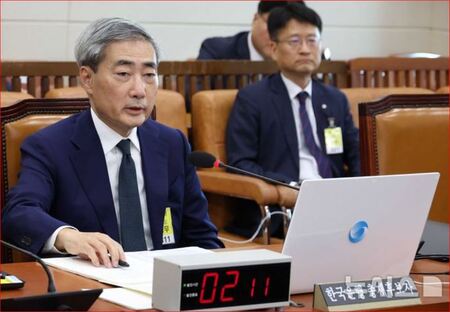
▲ 한국은행. |
최근 고환율 국면이 장기화되면서 한국 중소기업들의 어려움이 가중되고 있다. 흔히 원화 약세는 수출기업에 유리하다고 말하지만, 현실은 다르다. 상당수 중소기업은 수출기업이면서 동시에 원자재 중간재를 수입에 의존하는 구조를 갖고 있다. 환율이 상승하면 수출 단가 인상 효과보다 원가 상승 부담이 더 크게 작용한다. 문제는 손익 자체보다도, 환율 변동성이 기업의 투자와 공급계획을 마비시킨다는 점이다.
대기업은 다르다. 이들은 선물환, 통화스왑 등 다양한 수단으로 환율 위험을 관리한다. 반면 중소기업에게 환헤지는 사실상 ‘가까이 하기엔 너무 먼 금융 서비스’다. 거래 규모가 작아 수수료가 높고, 신용도 요구와 증거금 부담이 커 서비스 이용이 쉽지 않다. 결과적으로 환율 리스크는 기업 간 경쟁력의 문제가 아니라 금융 서비스 접근성의 격차라고 볼 수 있다.
여기서 질문이 생긴다. 환율은 과연 개별 기업이 책임져야 할 위험일까? 환율은 한 기업의 경영 판단이 아니라 거시경제, 통화정책, 지정학적 불안, 글로벌 금융 여건이 복합적으로 작용한 결과다. 개별 중소기업이 통제하기 어려운 리스크인 것이다. 그런 위험을 그대로 방치하면 충격은 고스란히 중소기업의 투자 위축, 고용 감소, 도산으로 이어지고, 결국 실물경제 전체의 불안정성으로 확산된다.
이 지점에서 정부의 역할을 다시 생각할 필요가 있다. 정부가 고정환율을 보장하거나 환율 변동으로 인한 손실을 세금으로 메워주자는 주장이 아니다. 시장을 왜곡하지 않으면서도 중소기업에게 최소한의 위험 관리 수단을 제공하는 ‘제도 설계’가 충분히 가능함을 지적하려는 것이다.
예를 들어 중소기업들의 외화 수요를 모아 공공 환헤지 풀(pool)을 구성하는 방식이 있다. 정책금융기관이 규모의 경제를 활용해 대규모로 환헤지를 수행하고, 개별 기업은 소액 그리고 표준화된 계약으로 참여하는 구조다. 거래 비용을 낮추면서도 투기적 거래는 차단할 수 있다. 또는 환율 급변 시 일정 구간의 손실을 완화해주는 환율 보험 방식도 고려할 수 있다. 기업이 보험료의 일부를 부담하도록 설계하면 도덕적 해이를 줄이면서 위험 분산 효과를 얻을 수 있다.
가장 보수적인 접근방식은 정부가 은행의 중소기업 환헤지 거래를 간접 지원하는 것이다. 은행이 선물환을 제공할 때 정부가 일정 손실 구간을 보증하면 민간 금융시장의 기능을 유지하면서 공급을 확대할 수 있다. 이는 시장을 대체하는 정책이 아니라, 시장이 작동하지 못하는 영역을 보완하는 장치다.
물론 원칙은 분명해야 한다. 환헤지는 수익 창출 수단이 아니라 위험 관리 수단이어야 하며, 전액 보전은 금물이다. 실수요에 기반한 단기 거래, 일정 수준의 기업 자기 부담, 명확한 한도 설정이 필수다.
중소기업 환헤지는 단순한 기업 지원 정책이 아니다. 환율 충격이 실물경제로 번지는 경로를 차단하는 사회적 안전장치이자 경제적 방어책이다. 환율의 모든 비용을 가장 약한 고리에게 떠넘기는 구조를 방치한다면, 결국 그 비용은 고용과 성장 둔화라는 형태로 사회 전체가 부담하게 된다. 지금 필요한 것은 환율 논쟁이 아니라, 환율 리스크를 관리할 수 있는 제도적 상상력이다. yslee1992@hotmail.com
*필자/이양승
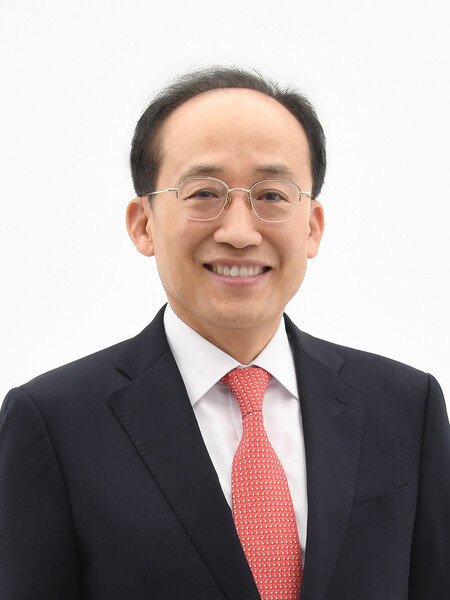
 ▲ 필자/이양승 군산대 교수. ©브레이크뉴스 |
군산대 교수. 국제경제, 게임이론 그리고 지역 발전전략에 대해 연구하는 학자이다. 현재 국립 군산대 무역학과 교수로 재직 중이다. 이전엔 캐나다 앨버타 대학교(University of Alberta) 경제학과에서 ‘게이임(gaming)’에 대해 연구와 강의를 했으며, 한국건설산업연구원에서 연구위원으로 근무했다.
전북 남원에서 출생해 전주한일고와 전북대 상과대학을 졸업했다. 이후 미국으로 건너가 노스 캐롤라이나 주립대학교 (North Carolina State University)에서 통계학과 경제학을 공부해 석사를 받았으며, 캔자스 대학교(The University of Kansas)에서 산업조직과 게임이론에 대한 연구로 경제학 박사를 받았다.
저서로는 '메트로 이코노미 (타임라인)'과 ‘와일드 게임이론 (박영사)’, ‘무역학개론(공저, 두남)’, ‘문화지체에 빠진 건설산업 (공저, 한국건설산업연구원)’ '자유무역론(박영사)' 등이 있고, 36편의 단독연구 학술논문이 있다.
*아래는 위 기사를 '구글 번역'으로 번역한 영문 기사의 [전문]입니다. '구글번역'은 이해도 높이기를 위해 노력하고 있습니다. 영문 번역에 오류가 있을 수 있음을 전제로 합니다.<*The following is [the full text] of the English article translated by 'Google Translate'. 'Google Translate' is working hard to improve understanding. It is assumed that there may be errors in the English translation.>
Institutional Imagination: Foreign Exchange Hedging Support for SMEs
- Professor Lee Yang-seung, Kunsan National University
The recent prolonged period of high exchange rates has exacerbated the difficulties faced by Korean SMEs. While a weak won is often said to be beneficial to exporters, the reality is different. Many SMEs are exporters and also rely on imports for raw materials and intermediate goods. A rising exchange rate has a greater impact on cost increases than the increased export price. The problem, rather than profit or loss itself, is that exchange rate volatility paralyzes corporate investment and supply plans.
Large corporations are different. They manage exchange rate risk through various means, such as forward exchange rates and currency swaps. For SMEs, however, foreign exchange hedging is essentially a financial service too remote to approach. High fees, high credit rating requirements, and high margin requirements hinder access to the service due to small transaction volumes. Ultimately, exchange rate risk is not a matter of competitiveness between companies, but rather a gap in access to financial services.
This raises the question: Is exchange rate risk truly something that individual companies should bear? Exchange rates are not the result of a single company's management decisions, but rather the result of a complex interplay of macroeconomics, monetary policy, geopolitical instability, and global financial conditions. This represents a risk that is difficult for individual SMEs to control. If such risks are left unchecked, the impact will directly lead to a decline in investment, job losses, and bankruptcies among SMEs, ultimately contributing to instability across the entire real economy.
At this point, we need to rethink the role of the government. This isn't to suggest that the government should guarantee a fixed exchange rate or compensate for losses from exchange rate fluctuations through taxes. Rather, it's to point out that it's entirely possible to design a system that provides SMEs with minimal risk management tools without distorting the market.
For example, one approach is to pool the foreign currency demand of SMEs to create a public foreign exchange hedging pool. Policy finance institutions leverage economies of scale to perform large-scale hedging, while individual companies participate with smaller, standardized contracts. This structure can lower transaction costs while preventing speculative trading. Alternatively, we could consider exchange rate insurance, which mitigates losses for a certain period in the event of a sudden exchange rate fluctuation. By requiring companies to pay a portion of the insurance premium, we can reduce moral hazard and achieve risk diversification.
The most conservative approach would be for the government to indirectly support banks' foreign exchange hedging transactions for small and medium-sized enterprises (SMEs). If the government guarantees a certain loss level when banks provide forward exchange, it can maintain the functioning of the private financial market and expand supply. This is not a policy that replaces the market, but rather a mechanism to supplement areas where the market fails.
Of course, the principles must be clear. Foreign exchange hedging should be a risk management tool, not a profit-generating tool, and full coverage is prohibited. Short-term transactions based on actual demand, a certain level of corporate self-sufficiency, and clear limits are essential.
SME foreign exchange hedging is not simply a corporate support policy. It is a social safety net and economic defense that prevents exchange rate shocks from spreading to the real economy. If we neglect a structure that shifts all the costs of exchange rate fluctuations to the weakest link, society as a whole will ultimately bear the burden in the form of employment and slowed growth. What is needed now is not a debate over exchange rates, but institutional imagination to manage exchange rate risk. yslee1992@hotmail.com
*Author: Yangseung Lee
Professor at Kunsan National University. He researches international economics, game theory, and regional development strategies. He is currently a professor in the Department of International Trade at Kunsan National University. Previously, he researched and lectured on "gaming" at the Department of Economics at the University of Alberta, Canada, and served as a research fellow at the Korea Construction and Economy Research Institute.
Born in Namwon, North Jeolla Province, he graduated from Jeonju Hanil High School and the College of Commerce at Chonbuk National University. He later moved to the United States, where he earned a master's degree in statistics and economics from North Carolina State University and a doctorate in economics from the University of Kansas for his research on industrial organization and game theory.
His publications include "Metro Economy" (Timeline), "Wild Game Theory" (Parkyoungsa), "Introduction to International Trade" (co-authored, Doonam), "The Construction Industry in Cultural Lag" (co-authored, Construction and Economy Research Institute of Korea), and "Free Trade" (Parkyoungsa). He has also published 36 independent academic papers.