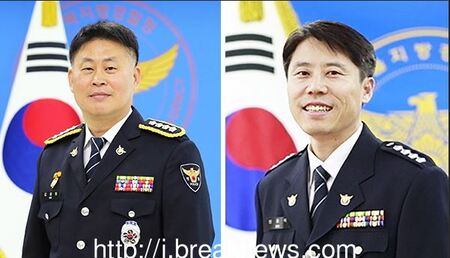
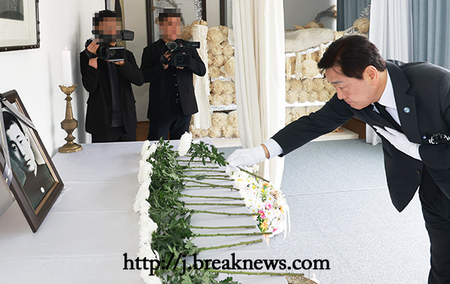
▲ 김일성(왼쪽)-김정일(오른쪽). |
1. 서론 : 절대 권력은 어떻게 살아남는가?
절대 권력은 무너지는 것이 아니라, 변형된다. 우리는 흔히 절대왕정이 시민혁명으로 종언을 고했다고 배운다. 왕권신수설은 계몽사상 앞에서 붕괴되었고, 상비군과 관료제는 국민국가의 제도로 흡수되었으며, 중상주의는 자유주의 경제로 대체되었다. 이 서술은 역사 교과서로서 틀리지 않다. 그러나 한 가지 중요한 질문을 남긴다.
절대권력 그 자체는 과연 사라졌는가? 북한을 바라보는 순간, 이 질문은 추상적 사유가 아니라 현실 정치의 문제로 다가온다. 북한은 사회주의 국가를 표방하지만, 실제로는 한 개인에게 권력이 집중된 체제이며, 그 집중도는 근대 유럽의 어떤 절대군주보다도 강력하다. 문제는 이 체제가 단순한 공포나 세뇌만으로 유지되지 않는다는 점이다. 북한의 절대권력은 정교한 ‘유지 시스템’을 갖추고 있다.
 ▲ 북한 김정은 국무위원장. (사진=조선중앙TV 캡처) 2023.12.28. ©브레이크뉴스 |
절대왕정이 왕권신수설·상비군·관료제·중상주의라는 네 개의 기둥 위에 서 있었다면, 북한 체제 역시 주체사상·호위사령부·계획경제·그리고 오늘날의 하이브리드 생존경제라는 네 개의 축 위에서 작동하고 있다. 이는 우연이 아니다. 권력이 절대화될수록, 그 권력은 반드시 사상·폭력·행정·경제라는 네 영역을 동시에 장악하려는 경향을 보인다.
그러나 북한 체제는 여기서 한 걸음 더 나아간다. 절대왕정이 경제를 국가의 품으로 끌어안으려 했다면, 북한은 오히려 주민의 생존을 시장에 떠넘긴다. 국가가 먹여 살리지 않으면서도, 먹고사는 방식은 철저히 통제한다. 바로 이 지점에서 ‘하이브리드 생존경제’라는 개념이 등장한다. 이는 단순히 계획경제의 실패를 보완한 비공식 시장의 확산이 아니다. 체제가 의도적으로 방치하고, 관리하고, 수탈하는 통치 기술의 진화다.
이 칼럼은 북한을 도덕적으로 비난하거나 이념적으로 재단하려는 글이 아니다. 오히려 북한 체제를 통해 우리는 하나의 불편한 진실을 마주하게 된다. 절대권력은 시대에 맞게 스스로를 업데이트한다는 사실, 그리고 오늘날 그 업데이트의 핵심이 ‘시장과 생존의 관리’라는 점이다.
북한은 과거의 왕정이 아니라, 21세기형 절대권력의 실험장이다.
2. 왕권신수설과 주체사상의 닮은 구조
절대 권력은 스스로를 설명하지 못하면 오래 버티지 못한다. 힘은 두려움을 만들 수는 있어도, 복종을 지속시키지는 못한다. 그래서 모든 절대 권력은 반드시 하나의 정당화 서사를 필요로 한다. 유럽 절대왕정에서 그 역할을 했던 것이 왕권신수설이라면, 북한에서는 주체사상이 그 자리를 차지한다.
왕권신수설의 핵심은 단순했다. 왕의 권력은 신으로부터 부여되었으며, 왕에게 저항하는 것은 곧 신의 질서에 도전하는 행위라는 논리다. 이 사상은 왕을 정치적 존재가 아니라 초월적 존재로 격상시켰다. 왕은 잘못할 수 있지만, 왕권 그 자체는 오류를 범하지 않는 것으로 설정되었다. 비판은 허용되지 않았고, 충성은 도덕이자 신앙이었다.
주체사상 역시 비슷한 구조를 지닌다. 겉으로 보면 주체사상은 인간 중심, 자주·자립·자위라는 근대적 언어로 포장되어 있다. 그러나 그 인간은 추상적 개인이 아니다. 주체사상에서 ‘인민의 의지’를 가장 완벽하게 구현하는 존재는 수령이며, 수령은 혁명과 민족의 유일한 대표자로 설정된다. 결국 인간 중심 사상은 수령 중심 사상으로 수렴된다.
중요한 점은, 두 사상 모두 권력을 논쟁의 대상에서 제거한다는 데 있다. 왕권신수설에서 왕권은 토론할 수 없는 신의 영역이었고, 주체사상에서 수령의 노선은 수정할 수 없는 혁명의 진리다. 이때부터 권력은 정치가 아니라 신념이 된다. 반대는 의견 차이가 아니라 배신이 되고, 비판은 토론이 아니라 적대 행위로 규정된다.
차이점도 분명하다. 왕권신수설은 외부의 신을 호출했지만, 주체사상은 신을 내부화했다. 북한 체제에서 신은 하늘에 있지 않고, 역사·민족·혁명이라는 이름으로 체제 내부에 내재화되어 있다. 이것이 주체사상이 종교보다 더 강력한 이유다. 신앙은 의심할 수 있지만, ‘역사적 필연’은 의심하기 어렵다.
 ▲ 곽인옥 ©브레이크뉴스 |
 ▲ 곽인옥 ©브레이크뉴스 |
 ▲ 곽인옥 ©브레이크뉴스 |
이처럼 주체사상은 왕권신수설의 현대적 변주다. 신의 이름만 사라졌을 뿐, 절대 권력을 성역화하는 구조는 그대로 남아 있다. 그리고 이 성역화는 이후의 모든 통치 장치―군대, 관료, 경제 통제―를 정당화하는 출발점이 된다.
절대권력은 총과 감시카메라로만 유지되지 않는다. 사람들의 머릿속에서 먼저 승리할 때, 비로소 오래 지속된다. 북한 체제가 보여주는 것은 바로 이 점이다. 신은 사라졌지만, 절대자는 살아 있다.
3. 상비군과 호위사령부, 권력의 심장을 지키는 방식
절대 권력은 늘 스스로를 이렇게 말한다. “우리는 보호한다.”그러나 그 보호의 대상이 국가인지, 인민인지, 아니면 권력 그 자체인지를 묻는 순간, 체제의 본질이 드러난다.
유럽 절대왕정에서 상비군은 왕권 강화의 결정적 도구였다. 봉건 귀족의 사병을 해체하고, 무력의 독점을 왕에게 집중시킨 상비군은 ‘국가의 군대’라는 외형을 띠었지만, 실제로는 왕권의 안정 장치였다. 반란을 억제하고, 질서를 유지하며, 왕의 통치가 일상에 관철되도록 만드는 물리적 기반이었다.
북한에도 군대는 존재한다. 그러나 북한 절대권력의 핵심을 지키는 무력은 일반적인 의미의 군대가 아니다. 바로 호위사령부다. 이 조직의 임무는 국토 방위가 아니라, 수령과 권력 핵심의 절대적 안전 보장이다. 여기서 폭력은 국가를 위한 수단이 아니라, 체제를 위한 목적 그 자체가 된다.
상비군과 호위사령부의 차이는 미묘하지만 결정적이다. 상비군은 ‘왕이 지배하는 국가’를 전제로 한다면, 호위사령부는 ‘국가 위에 선 권력’을 전제로 한다. 다시 말해, 군대가 국가를 보호하는 것이 아니라, 국가가 권력을 보호하기 위해 존재하는 구조다. 이 순간부터 군사력은 공공재가 아니라 사유화된 폭력이 된다.
흥미로운 점은, 이 폭력이 언제나 노골적으로 드러나지는 않는다는 사실이다. 오히려 가장 강력한 폭력은 사용되지 않을 때 완성된다. 호위사령부의 존재 자체가 메시지다. “권력에 접근하는 것은 불가능하다”, “권력에 도전하는 것은 상상조차 할 수 없다.” 이 침묵의 위협은 공개 처벌보다 훨씬 효율적이다.
절대왕정 말기의 상비군이 시민혁명 앞에서 무력화되었던 이유도 여기에 있다. 군대가 더 이상 왕만의 군대가 아니라 ‘국민의 군대’라는 인식이 싹트는 순간, 폭력의 정당성은 균열을 일으켰다. 그러나 북한의 호위 체계는 그 균열을 원천적으로 차단한다. 권력의 심장부는 외부로부터 격리되고, 내부에서는 철저한 충성과 감시가 반복적으로 재생산된다.
결국 상비군과 호위사령부는 같은 질문을 다른 방식으로 답한다. “누구를 위해 총은 존재하는가?” 절대왕정의 상비군이 왕권과 국가 사이의 긴장 속에 있었다면, 북한의 호위사령부는 그 긴장을 제거한다. 총은 오직 하나의 방향만을 향한다. 권력의 안쪽을 향해 서 있고, 바깥을 향해 겨누어진다.
이렇게 폭력은 더 이상 일시적 수단이 아니라, 체제의 일상적 조건이 된다. 그리고 바로 이 조건 위에서, 다음 장에서 다룰 경제와 생존의 문제, 즉 하이브리드 생존경제가 가능해진다.
먹고사는 문제를 시장에 떠넘길 수 있는 이유는, 그 시장의 바깥을 폭력이 단단히 봉인하고 있기 때문이다.
 ▲ 곽인옥 ©브레이크뉴스 |
 ▲ 곽인옥 ©브레이크뉴스 |
 ▲ 곽인옥 ©브레이크뉴스 |
4. 중상주의와 하이브리드 생존경제, 권력의 마지막 기술
절대권력의 완성은 총이 아니라 밥그릇에서 이루어진다. 사람은 총 앞에서는 침묵하지만, 생존 앞에서는 체제를 내면화한다. 그래서 권력은 언제나 마지막으로 경제를 관리하려 한다. 절대왕정의 중상주의와 북한의 하이브리드 생존경제는 바로 이 지점에서 만난다.
중상주의는 국가가 경제의 주체가 되는 체제였다. 국가는 무역을 통제하고, 산업을 보호하며, 금과 은을 축적했다. 그 목적은 명확했다. 강한 국고, 강한 군대, 그리고 흔들리지 않는 왕권. 경제는 자율의 영역이 아니라 국가 권력의 연장선이었다. 백성은 생산자였고, 국가는 배분자였다.
그러나 북한의 경제는 이와 전혀 다른 길을 택한다. 공식적으로는 계획경제를 유지하지만, 실제 생활의 바닥에서는 시장이 생존을 떠받치고 있다. 문제는 이 시장이 체제를 위협하지 않는다는 점이다. 오히려 체제를 지탱한다. 바로 여기서 ‘하이브리드 생존경제’라는 개념이 등장한다.
하이브리드 생존경제란, 국가가 주민의 생존을 직접 책임지지 않으면서도, 생존의 조건과 한계는 철저히 관리하는 체제다. 국가는 배급을 포기했지만, 통제는 포기하지 않았다. 시장은 허용되지만 제도화되지 않고, 장사는 가능하지만 권리는 부여되지 않는다. 사람들은 먹고살 수는 있지만, 잘 살 수는 없다.
이 구조의 교묘함은 체제 비용의 외주화에 있다. 주민은 스스로 벌어 먹고살아야 하며, 국가는 그 과정에서 발생하는 위험과 실패에 책임지지 않는다. 그러나 시장에서 벌어들인 부는 각종 명목의 세금, 충성자금, 권력 네트워크를 통해 다시 흡수된다. 이는 중상주의가 국가가 경제를 움켜쥐었다면, 하이브리드 생존경제는 경제를 풀어놓은 채 수확만 거두는 방식이라 할 수 있다.
더 중요한 점은, 이 경제가 저항을 낳지 않는다는 사실이다. 생존이 개인의 책임이 되는 순간, 분노는 체제가 아니라 이웃과 경쟁자, 그리고 자기 자신을 향한다. 가난은 구조의 문제가 아니라 능력의 문제로 오해된다. 이는 절대권력이 가장 원하는 상태다. 사람들은 굶지 않기 위해 바쁘고, 바쁘기 때문에 질문하지 않는다.
중상주의가 국가의 부를 축적했다면, 하이브리드 생존경제는 체제의 시간을 축적한다. 하루하루를 버티는 삶은 변화를 요구할 여유를 허락하지 않는다. 시장은 자유의 공간이 아니라, 체제가 허락한 생존의 완충지대로 기능한다.
이 지점에서 북한은 과거의 실패한 사회주의가 아니다. 오히려 북한은 권력이 시장을 적으로 보지 않고, 통치의 도구로 흡수한 21세기형 절대체제다. 그리고 이 체제의 작동 원리를 가장 정확히 설명하는 개념이 바로 하이브리드 생존경제다.
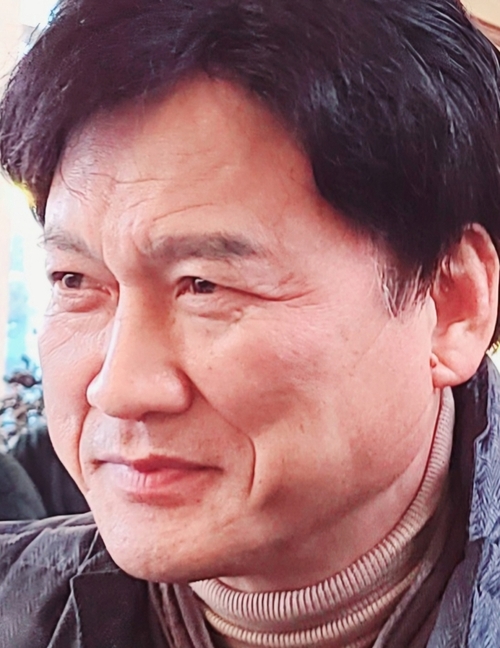
 ▲ 필자/곽인옥 교수. ©브레이크뉴스 |
5. 결론 : 절대 권력은 끝나지 않았다
절대왕정은 무너졌지만, 절대 권력은 사라지지 않았다. 다만 그 얼굴과 기술이 바뀌었을 뿐이다.
왕권신수설은 계몽사상 앞에서 퇴장했지만, 주체사상은 역사와 민족의 언어로 자신을 재구성했다. 상비군은 국민군으로 전환되었지만, 호위사령부는 권력의 심장을 지키는 사유화된 폭력으로 남았다. 중상주의는 자유주의 경제에 자리를 내주었지만, 북한의 하이브리드 생존경제는 시장을 적이 아니라 통치의 하부 구조로 흡수했다.
이 비교가 말해주는 것은 단순한 유사성이 아니다. 절대 권력은 시대가 요구하는 방식으로 스스로를 진화시킨다는 사실이다. 더 이상 신을 내세우지 않고, 더 이상 전면적 배급을 약속하지 않으며, 더 이상 노골적인 폭력에만 의존하지 않는다. 대신 절대권력은 생각을 관리하고, 폭력을 봉인하며, 생존을 개인에게 위임한다.
북한 체제가 오래 지속되는 이유도 여기에 있다. 이 체제는 주민을 완전히 굶기지 않으면서도, 충분히 살게 두지 않는다. 시장을 허용하되 권리를 주지 않고, 자율을 허락하되 책임은 개인에게 돌린다. 그 결과 사람들은 체제에 맞서기보다 체제 안에서 버티는 법을 배우게 된다. 이것이 바로 북한 하이브리드 생존경제의 정치적 효과다.
그래서 북한은 과거의 유물이 아니다. 실패한 사회주의의 잔재도 아니다. 북한은 절대권력이 시장과 결합했을 때 어떤 모습으로 살아남는지를 보여주는 현재진행형 사례다. 이 점을 보지 못하면, 우리는 북한을 설명할 수 없고, 변화도 예측할 수 없다.
절대 권력은 더 이상 왕관을 쓰지 않는다. 대신 사람들의 하루를 관리한다. 생각하게 두지 않고, 굶기지 않으며, 그러나 벗어나지도 못하게 한다. 이 칼럼이 던지는 질문은 단순하다. 절대 권력은 정말 과거의 이야기인가, 아니면 지금도 다른 이름으로 우리 앞에 서 있는가. 북한은 그 질문에 가장 불편한 방식으로 답하고 있다.
*필자/곽인옥 교수
*아래는 위 기사를 '구글 번역'으로 번역한 영문 기사의 [전문]입니다. '구글번역'은 이해도 높이기를 위해 노력하고 있습니다. 영문 번역에 오류가 있을 수 있음을 전제로 합니다.<*The following is [the full text] of the English article translated by 'Google Translate'. 'Google Translate' is working hard to improve understanding. It is assumed that there may be errors in the English translation.>
[Pyongyang Hybrid Survival Economy Theory] A Comparative Analysis of the Absolute Monarchy and North Korea's Absolute Power
- Professor Kwak In-ok
1. Introduction: How Does Absolute Power Survive?
Absolute power does not collapse, but rather transforms. We are often taught that absolute monarchy ended with a citizen revolution. The doctrine of the divine right of kings collapsed under the influence of Enlightenment ideology, the standing army and bureaucracy were absorbed into the institutions of the nation-state, and mercantilism was replaced by a liberal economy. This narrative is accurate as a history textbook. However, it leaves one crucial question open:
Has absolute power itself truly disappeared? When we look at North Korea, this question becomes less an abstract thought and more a matter of real politics. North Korea claims to be a socialist state, but in reality, power is concentrated in a single individual, a concentration far more intense than that of any absolute monarch in modern Europe. The problem is that this system cannot be maintained simply through fear or brainwashing. North Korea's absolute power is equipped with a sophisticated "maintenance system." If absolute monarchies rested on four pillars—the divine right of kings, a standing army, bureaucracy, and mercantilism—the North Korean system also operates on four axes: Juche ideology, the Guard Command, a planned economy, and today's hybrid survival economy. This is no coincidence. As power becomes more absolute, it inevitably seeks to simultaneously control all four domains: ideology, violence, administration, and the economy.
However, the North Korean system goes a step further. While absolute monarchies sought to embrace the economy within the state, North Korea instead relegates its citizens' survival to the market. While the state does not provide for them, it thoroughly controls how they make a living. This is where the concept of a "hybrid survival economy" emerges. This is not simply the proliferation of informal markets to compensate for the failures of the planned economy. It is the evolution of the regime's governing techniques, which the regime intentionally neglects, manages, and exploits.
This column is not intended to morally condemn or ideologically judge North Korea. Rather, the North Korean system confronts us with an inconvenient truth. Absolute power updates itself to suit the times, and today, the core of that update is "management of the market and survival."
North Korea is not the monarchy of the past, but a testing ground for 21st-century absolute power.
2. Similar Structures of the Divine Right of Kings and Juche Ideology
Absolute power cannot endure long if it cannot explain itself. Power can create fear, but it cannot sustain obedience. Therefore, all absolute power inevitably requires a justification narrative. While the Divine Right of Kings served this role in European absolute monarchies, Juche Ideology occupies this role in North Korea.
The core of the Divine Right of Kings theory was simple: the king's power was granted by God, and to resist the king was to challenge the divine order. This ideology elevated the king from a political being to a transcendent being. While the king could err, royal authority itself was considered infallible. Criticism was prohibited, and loyalty was a moral and religious principle.
Juche Ideology shares a similar structure. On the surface, Juche ideology appears to be centered on people, and is packaged in modern language—independence, self-reliance, and self-defense. However, this person is not an abstract individual. In Juche ideology, the leader is the entity that most perfectly embodies the "will of the people," and the leader is established as the sole representative of the revolution and the nation. Ultimately, human-centered ideology converges with leader-centered ideology.
The crucial point is that both ideologies remove power from debate. In the theory of the divine right of kings, kingly power was the undisputed domain of God, while in Juche ideology, the leader's line is the unchangeable truth of the revolution. From this point on, power becomes not politics but belief. Opposition becomes not disagreement but betrayal, and criticism is defined as hostility rather than debate.
The differences are also clear. While the theory of the divine right of kings invoked an external god, Juche ideology internalizes God. In the North Korean regime, God does not reside in heaven, but is internalized within the system under the names of history, the nation, and revolution. This is why Juche ideology is more powerful than religion. While faith can be questioned, "historical inevitability" is difficult to question. In this way, Juche ideology is a modern variation of the divine right of kings. While the name of God has disappeared, the structure that sanctifies absolute power remains. And this sanctification becomes the starting point for justifying all subsequent mechanisms of rule—the military, bureaucracy, and economic control.
Absolute power is not maintained solely by guns and surveillance cameras. It only endures when it first triumphs in the minds of the people. This is precisely what the North Korean regime demonstrates. God has disappeared, but the absolute being lives on.
3. The Standing Army and the Guard Command: How to Protect the Heart of Power
Absolute power always proclaims itself, “We protect.” However, the moment we ask whether the object of its protection is the state, the people, or power itself, the true nature of the system is revealed.
In European absolute monarchies, the standing army was a crucial tool for strengthening royal authority. Disbanding the private armies of the feudal nobility and concentrating the monopoly of military power in the hands of the king, the standing army masqueraded as a “state army,” but in reality, it served as a stabilizing mechanism for royal authority. It was the physical foundation for suppressing rebellion, maintaining order, and ensuring the king's rule was enforced in daily life.
North Korea also has an army. However, the force that protects the core of North Korea's absolute power is not an army in the conventional sense. It is the Guard Command. This organization's mission is not territorial defense, but the absolute security of the leader and the core of power. Here, violence is not a means to the state, but an end in itself for the system.
The difference between the standing army and the Guard Command is subtle but crucial. While the standing army presupposes a "state ruled by the king," the Guard Command presupposes "power above the state." In other words, the military does not protect the state, but rather the state exists to protect power. From this point on, military power ceases to be a public good and becomes privatized violence.
Interestingly, this violence is not always overt. Rather, the most powerful violence is achieved when it is not used. The very existence of the Guard Command is a message: "Approaching power is impossible," "Challenging power is unthinkable." This silent threat is far more effective than public punishment.
This is why the standing army of the final days of absolute monarchy was rendered powerless in the face of a civil revolution. The moment the perception that the army was no longer the king's alone but the "people's army" began to emerge, the legitimacy of violence cracked. However, North Korea's guard system prevents this rift from its source. The heart of power is isolated from the outside, and within, rigorous loyalty and surveillance are repeatedly reproduced.
Ultimately, the standing army and the guard command answer the same question in different ways: "For whom do guns exist?" While the absolute monarchy's standing army was entrenched in the tension between the crown and the state, North Korea's guard command eliminates that tension. The gun points in only one direction: it stands inward against power and is aimed outward.
Thus, violence is no longer a temporary measure; it becomes a daily condition of the system. And it is precisely on this very condition that the question of economy and survival, discussed in the next chapter—the hybrid survival economy—becomes possible. The reason why the problem of making a living can be transferred to the market is because violence tightly seals off the outside of that market.
4. Mercantilism and the Hybrid Subsistence Economy, the Final Technique of Power
Absolute power is perfected not by guns, but by the rice bowl. People remain silent before guns, but when faced with survival, they internalize the system. Therefore, power always seeks to manage the economy as a last resort. This is precisely where the mercantilism of absolute monarchies and North Korea's hybrid subsistence economy intersect.
Mercantilism was a system in which the state was the main player in the economy. The state controlled trade, protected industry, and accumulated gold and silver. Its objectives were clear: a strong national treasury, a strong military, and unshakable royal authority. The economy was not a domain of autonomy, but an extension of state power. The people were producers, and the state was the distributor.
However, the North Korean economy takes a completely different path. Officially, it maintains a planned economy, but in reality, the market sustains survival. The problem is that this market does not threaten the system; rather, it upholds it. This is where the concept of a "hybrid subsistence economy" comes into play.
A hybrid subsistence economy is a system in which the state, while not directly responsible for the survival of its citizens, meticulously manages the conditions and limits of that survival. The state has abandoned rationing, but not control. Markets are permitted but not institutionalized; trade is permitted but rights are not granted. People can eat, but they cannot live well.
The ingenuity of this structure lies in the outsourcing of systemic costs. Citizens must earn their own living, and the state bears no responsibility for the risks and failures that arise in the process. However, wealth earned in the market is reabsorbed through various taxes, loyalty funds, and power networks. While mercantilism was a state that controlled the economy, a hybrid subsistence economy allows the economy to be unleashed while reaping the harvest.
More importantly, this economy does not breed resistance. The moment survival becomes the responsibility of the individual, anger is directed not at the system, but at neighbors, competitors, and even at oneself. Poverty is misunderstood as a problem of ability, not structure. This is the state most desired by absolute power. People are busy trying to avoid starvation, and because they are busy, they don't ask questions.
If mercantilism accumulated national wealth, the hybrid subsistence economy accumulates the system's time. A life lived from day to day leaves no room for demanding change. The market is not a space of freedom, but rather functions as a buffer zone for survival permitted by the system.
In this respect, North Korea is not the failed socialism of the past. Rather, it is a 21st-century absolute system in which the powers that be do not view the market as an enemy, but rather as a tool of rule. And the concept that most accurately explains the operating principles of this system is the hybrid subsistence economy.
5. Conclusion: Absolute Power Has Not Ended
The absolute monarchy has collapsed, but absolute power has not disappeared. Its face and techniques have simply changed.
The doctrine of the divine right of kings has been eclipsed by the Enlightenment, but Juche ideology has reconstituted itself in the language of history and nation. The standing army has been transformed into a national army, but the Guard Command remains a privatized force protecting the heart of power. Mercantilism has given way to a liberal economy, but North Korea's hybrid survival economy has absorbed the market not as an enemy but as the infrastructure of governance.
This comparison reveals more than mere similarity. It shows that absolute power evolves in ways the times demand. It no longer invokes God, no longer promises universal rationing, and no longer relies solely on overt violence. Instead, absolute power manages thought, suppresses violence, and delegates survival to the individual.
This explains the longevity of the North Korean regime. It neither starves its people nor allows them to fully survive. Markets are permitted but not given rights, autonomy is permitted but responsibility is placed on individuals. As a result, people learn to endure within the system rather than oppose it. This is the political effect of North Korea's hybrid survival economy.
So, North Korea is not a relic of the past, nor is it a remnant of failed socialism. It is a living example of how absolute power, combined with the market, can survive. Without seeing this, we cannot explain North Korea or predict its changes.
Absolute power no longer wears a crown. Instead, it manages people's days. It doesn't let them think, it doesn't starve, but it also doesn't allow them to escape. The question this column poses is simple: Is absolute power truly a thing of the past, or does it still stand before us under a different name? North Korea is answering this question in a most uncomfortable way.
*Author/Professor Kwak In-ok