한동훈 대표의 ‘당 게시판 댓글’ 논란은 겉으로 보기에 단순한 진위 공방처럼 보인다. 정말 본인과 가족이 실명으로 대통령 부부를 향해 거친 표현을 썼는가, 아니면 제3자의 조작인가. 그러나 이 사안을 조금만 거리를 두고 보면, 핵심은 사실 여부 자체가 아니라 정당 내부가 어떤 전략적 게임을 하고 있는가에 있다.
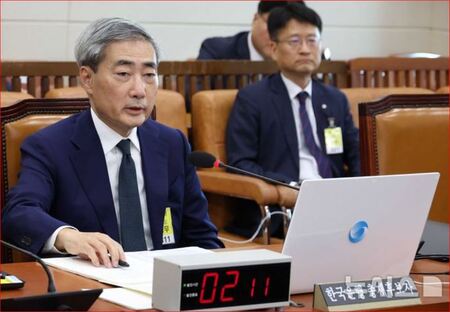
 ▲ 한동훈 전 국민의힘 대표. ©뉴시스 |
이 논란은 전형적인 불완전 정보 게임이다. 댓글의 실제 작성자는 오직 당사자만 알고 있고, 나머지는 단편적 신호—실명, 가족 계정, 게시판 캡처—만을 보고 추론한다. 이런 상황에서 합리적 행위자는 어떻게 행동할까. 게임이론은 “도덕적으로 옳은 행동”이 아니라 비용과 위험이 최소화되는 전략을 택한다고 말한다.
한동훈의 대응이 모호하다는 점이 곧잘 의심의 근거로 제시된다. 그러나 신호게임의 관점에서 보면, 이는 오히려 자연스럽다. 강력한 부인과 법적 대응은 ‘안 썼을 경우’에는 비교적 낮은 비용이지만, ‘실제로 썼을 경우’에는 치명적인 비용을 동반한다. 반대로 모호한 침묵은 두 경우 모두에서 비용이 낮다. 이런 구조에서는 진실 여부와 무관하게 행위자들이 침묵이라는 동일한 전략으로 수렴하는 ‘풀링(pooling) 균형’이 발생한다. 침묵이 반드시 유죄의 신호는 아니라는 뜻이다.
더 중요한 것은 유인의 문제다. 정말 한동훈 국민의힘 대표가 가족까지 동원해 실명 욕설 댓글을 달 유인이 있었을까. 당 게시판 댓글이 여론을 좌우할 가능성은 극히 낮은 반면, 발각될 경우 정치적 손실은 치명적이다. 기대효용 관점에서 보면 순손실이 명확하다. 반면, 제3자가 이를 조작했을 경우 얻는 편익은 크다. 내부 분열, 리더십 신뢰 붕괴, 그리고 책임 없는 관전. 게임이론적으로 보자면, 이 구조는 조작 가설이 훨씬 ‘유인 양립적(incentive compatible)’이다.
그럼에도 불구하고 당내에서는 빠르게 단정과 비난이 확산됐다. 이는 ‘역선택(adverse selection)’의 전형적 모습이다. 신중한 인사일수록 침묵하고, 확신에 찬 발언은 정보가 부족한 쪽에서 나온다. 결국 가장 강경한 목소리가 당 전체의 판단을 대표하게 된다. 이는 시장에서 ‘나쁜 상품’만 남는 레몬시장과 다르지 않다.
이 모든 과정에서 가장 큰 이익을 얻는 플레이어는 따로 있다. 외부 행위자다. 직접 공격하지 않아도, 내부의 불신과 경쟁만 자극하면 된다. 이는 고전적인 '반간계' 게임이다. 상대가 스스로 최악의 균형을 선택하도록 유도하는 전략. 지금 국민의힘이 빠져 있는 균형이 바로 그것이다.
한동훈을 반대하는 쪽도 논리적으로 모순된다. 그들은 해킹에 의한 부정선거를, 그리고 외국인으로 구성된 댓글부대가 국내외에서 전방위적으로 활동한다고 주장한다. “댓글 부대원의 어마어마한 수”와 그들의 “가공할만한 해킹능력” 등을 감안할 때, ‘한동훈과 그 가족이 썼다는 글’들에 대해선 그 진위를 한 번도 의심하지 않는다는 것도 매우 이상해 보인다.
정당은 본래 ‘반복게임’을 한다. 오늘의 공격은 내일 나에게 돌아올 수 있기에, 절제와 규범이 작동해야 한다. 그러나 단기 정치적 보수에 집착하는 순간, 게임은 1회성으로 변하고 협력 균형은 붕괴된다. 지금의 ‘당 게시판 댓글’ 논란은 누가 댓글을 썼느냐의 문제가 아니라, 정당이 스스로 신뢰라는 공공재를 어떻게 소모하고 있는가를 보여주는 사례다.
결국 이 논란의 교훈은 분명하다. 확실치 않은 신호, 왜곡 가능성이 있는 신호를 사실로 단정하는 순간, 외부의 적이 없어도 정당은 무너진다는 것이다. 게임이론의 언어로 말하면, 지금 필요한 것은 승부수가 아니라 나쁜 균형에서 벗어나려는 집단적 자제다. 그렇지 않다면, 다음 ‘댓글’은 또 다른 이름으로 반복될 뿐이다. yslee1992@hotmail.com
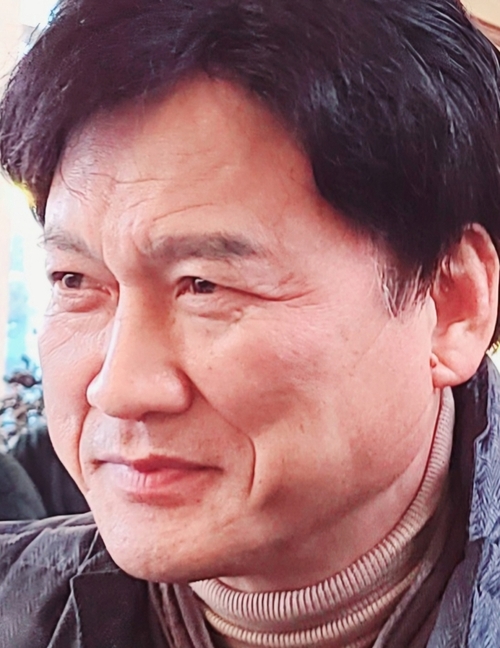
*필자/이양승
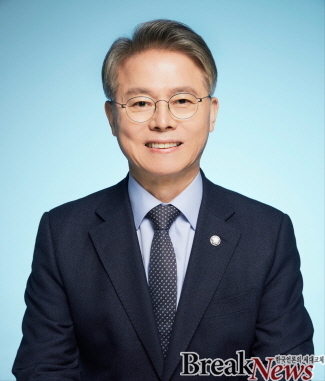
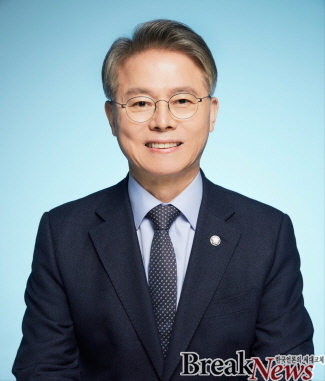
 ▲필자/ 이양승 군산대 교수. ©브레이크뉴스 |
군산대 교수. 국제경제, 게임이론 그리고 지역 발전전략에 대해 연구하는 학자이다. 현재 국립 군산대 무역학과 교수로 재직 중이다. 이전엔 캐나다 앨버타 대학교(University of Alberta) 경제학과에서 ‘게이임(gaming)’에 대해 연구와 강의를 했으며, 한국건설산업연구원에서 연구위원으로 근무했다.
전북 남원에서 출생해 전주한일고와 전북대 상과대학을 졸업했다. 이후 미국으로 건너가 노스 캐롤라이나 주립대학교 (North Carolina State University)에서 통계학과 경제학을 공부해 석사를 받았으며, 캔자스 대학교(The University of Kansas)에서 산업조직과 게임이론에 대한 연구로 경제학 박사를 받았다.
저서로는 '메트로 이코노미 (타임라인)'과 ‘와일드 게임이론 (박영사)’, ‘무역학개론(공저, 두남)’, ‘문화지체에 빠진 건설산업 (공저, 한국건설산업연구원)’ '자유무역론(박영사)' 등이 있고, 36편의 단독연구 학술논문이 있다.
*아래는 위 기사를 '구글 번역'으로 번역한 영문 기사의 [전문]입니다. '구글번역'은 이해도 높이기를 위해 노력하고 있습니다. 영문 번역에 오류가 있을 수 있음을 전제로 합니다.<*The following is [the full text] of the English article translated by 'Google Translate'. 'Google Translate' is working hard to improve understanding. It is assumed that there may be errors in the English translation.>
More Important Than Who Wrote It... "The Theoretical Essence of Han Dong-hoon's 'Party Bulletin Board Comments' Game"
- Professor Lee Yang-seung, Kunsan National University
The controversy surrounding Han Dong-hoon's "party bulletin board comments" appears, on the surface, to be a simple dispute over the truth. Did he and his family really use harsh language against the President and his wife under their own names, or was it manipulated by a third party? However, a closer look reveals that the core issue lies not in the truth itself, but in the strategic game being played within the party.
This controversy is a classic example of an imperfect information game. Only the person who wrote the comment knows the true author, while others infer it based solely on fragmentary signals—their real names, family accounts, and screenshots of the bulletin board. How would a rational actor behave in such a situation? Game theory suggests that they choose strategies that minimize costs and risks, rather than pursuing "morally correct actions."
The ambiguity of Han Dong-hoon's response is often cited as grounds for suspicion. However, from the perspective of a signaling game, this is rather natural. Strong denial and legal action are relatively inexpensive if not used, but carry a catastrophic cost if actually used. Conversely, ambiguous silence carries a low cost in both cases. This structure creates a "pooling equilibrium," where actors converge on the same strategy of silence regardless of the truth. This means silence is not necessarily a sign of guilt.
More importantly, the issue of incentives is crucial. Did People Power Party leader Han Dong-hoon really have the incentive to mobilize his family to post abusive comments using real names? While the likelihood of party bulletin board comments swaying public opinion is extremely low, the political consequences of being discovered are devastating. From an expected utility perspective, the net loss is clear. On the other hand, if a third party manipulates this, the benefits are significant: internal division, a breakdown in trust in leadership, and irresponsible spectatorship. From a game-theoretic perspective, this structure is far more incentive-compatible with the manipulation hypothesis.
Nevertheless, the accusations and accusations quickly spread within the party. This is a classic example of "adverse selection." The more cautious a person is, the more silent they become, while the most confident statements come from those with less information. Ultimately, the most assertive voices represent the party's overall judgment. This is no different from the market for lemons, where only "bad products" remain.
Throughout this entire process, there is a player who benefits the most: an external actor. They don't need to directly attack, but simply stimulate internal distrust and competition. This is a classic "counter-deception" game, a strategy that forces the opponent to choose the worst possible balance. This is precisely the balance the People Power Party currently lacks.
Those who oppose Han Dong-hoon are also logically contradictory. They claim election fraud through hacking and that a foreign-led online comment army is operating across borders, both domestically and internationally. Given the "enormous number of online commenters" and their "formidable hacking capabilities," it seems highly bizarre that they have never questioned the authenticity of the "articles attributed to Han Dong-hoon and his family."
Political parties inherently engage in "repetitive games." Today's attacks can come back to haunt us tomorrow, so moderation and norms must be in place. However, the moment we become obsessed with short-term political conservatism, the game becomes a one-time event, and the cooperative equilibrium collapses. The current controversy over "party bulletin board comments" isn't about who wrote the comments, but rather an example of how political parties are consuming the public good of trust.
Ultimately, the lesson of this controversy is clear: the moment we assume uncertain or potentially distorted signals are true, a political party will collapse even without an external enemy. In the language of game theory, what's needed now is not a decisive move, but collective self-restraint to escape a bad equilibrium. Otherwise, the next "comment" will simply repeat itself under a different name. yslee1992@hotmail.com
*Author/Lee Yang-seung
Professor at Kunsan National University. He is a scholar who studies international economics, game theory, and regional development strategies. He is currently a professor in the Department of International Trade at Kunsan National University. Previously, he researched and lectured on gaming at the Department of Economics at the University of Alberta, Canada, and served as a research fellow at the Korea Construction and Economy Research Institute.
Born in Namwon, North Jeolla Province, he graduated from Jeonju Hanil High School and Chonbuk National University's College of Commerce. He later moved to the United States, where he earned a master's degree in statistics and economics from North Carolina State University and a doctorate in economics from the University of Kansas for his research on industrial organization and game theory.
His publications include "Metro Economy" (Timeline), "Wild Game Theory" (Parkyoungsa), "Introduction to Trade" (co-authored, Doonam), "The Construction Industry in Cultural Lag" (co-authored, Construction and Economy Research Institute of Korea), and "Free Trade" (Parkyoungsa). He has also published 36 independent academic papers.