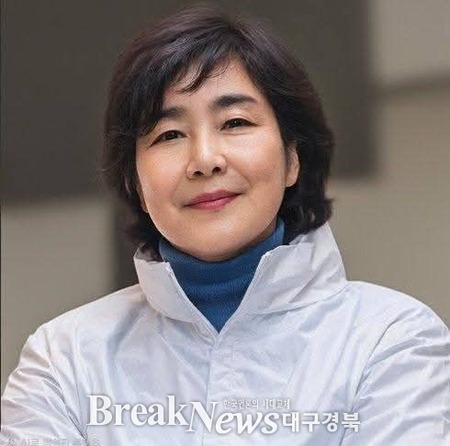
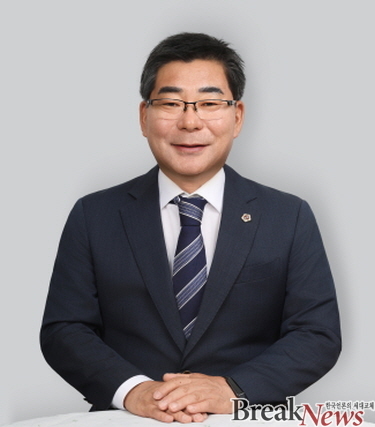
▲필자/ 정길선 박사 ©브레이크뉴스 |
몇몇 사람들이 마두로가 잡혀갔다고 베네수엘라 국민들이 거리로 쏟아져 나와 국기를 흔들며 기뻐하는 것을 이해 못한다면서 국제법이니 정의니 이런 것에 매몰되어 있다고, 없어본 자들의 설움을 모른다며 한탄하던데 그런 얘기에 필자는 웃으며 넘겨버린다. 왜냐하면 90~2000년 초중반까지 러시아를 경험해봤기 때문에 그 마음을 너무 잘 알기 때문이다. 그 당시 러시아를 여행만 가본 사람들은 왜 그런지 이해를 못할 것인데 소련이 붕괴된 후, 엄청난 인플레이션으로 러시아 경제는 최악의 바닥을 찍었었다. 세계 최강국이었던 소련이, 그렇게 급속도로 추락할 줄은 아무도 몰랐을 것이다. 당시 1인당 GDP 1,600불까지 찍어 본적이 있다. 당시 러시아는 유럽 내 아프리카 후진국과 어깨를 나란히 했었던 것이다. 지금으로 보면 시리아, 예멘, 소말리아 수준과 똑같았다.
당시 나이 많은 할아버지는 보드카에 취해 서로 싸우고 아무한테 시비거는게 일상이었고, 할머니들은 빵 한 조각이라도 얻기 위해 빵집에 줄을 섰다. 그 모습은 마치 북한의 배급받는 유사했다고 표현했을 정도다. 식재료가 너무 비싸 할머니들이 음식 쓰레기를 뒤지며 풀 한 포기를 찾는 모습 또한 많았다. 러시아에서 한국의 "초코파이"가 인기가 많았던 이유는 달달한게 열량이 많아 추위를 이길 수 있고, 초코파이 1개가 밀가루 값이 폭등한 러시아 사람들의 배를 든든 채워줄 수 있기 때뭉이었다. 당시 한국에서 "초코파이" 광고하면 러시아 사람이 배경으로 나왔을 정도다. 당시 한국 사람들한테는 그게 신기하게 보였을 것이고, 한편으로 러시아에 우리 제품 팔아먹게 되니 매우 좋아했을테지만 당시 모스크바를 여행했던 한국인들 얘기 듣기론 어린애들이 "빵 한 개 사주세요" 라며 손 벌렸을 정도라고 한다.
보통 거지들은 돈을 달라 할텐데 좀 큰 아이들이면 1달러만!, 작은 어린 아이면 빵 하나만! 이랬었다고 한다. 한 때 세계 최강대국이던 쏘련이 당시 빵 하나 먹기 힘들어 어린 아이가 돈 주세요가 아닌 빵 하나 주세요! 라고 구걸했다는 것이 믿어지나? 굶어 죽고, 얼어 죽는 자도 뉴스에 속속 보도까지 되며 당시 러시아를 취재했던 기자들은 불과 10년 전에 세계를 쥐락펴락 했던 최강대국 소련이 맞나?하고 의심했을 정도였다. 러시아 젊은 남자들이 일자리를 구하지 못해 직업 소개소에서 허탕만 치기 일쑤였고, 오히려 서방 국가와 동남아시아, 중국, 한국, 일본까지 와서 막노동에 일용직 노동 등으로 고용해서 일을 했다. 당시 한국에 러시아 젊은이들이 일용직으로 많이 와서 일을 했었고, 한국에 있는 우리 어머니 집이 이사할 때 힘 좋은 러시아인들이 무거운 책과 가구를 들어 날랐다.
내가 이들에 대한 기억은, "한 때 그래도 세계 최강대국 소련이었는데 한국에 와서 왜 이런 일을 하냐?" 하고 물어봤던 적이 있다. 그러자 그들의 대답은 "우리 로씨야! 돈없어! 그래서 내가 왔어!" 이거 한 마디였다. 이 한 마디는 내 기억에 오랜 잔상으로 남아있었다. 젊은 여자들 또한 일자리 구하지 못하는 것은 마찬가지였다. 이들 단돈 5달러면 어느 누구에게 숏타임으로 몸을 팔았다. 10달러 주면 하룻밤 뎃고 잘 수 있었다. 그러다가 실수로 아이가 들어선 여자들이 많았다. 당시 러시아에서는 그런 여성들에게서 태어난 아이들을, 루마니아 차우셰스쿠 정권 당시 무모한 산아정책으로 태어난 아이들이 버려진 것에 빗대어 "옐친의 아이들"이라고 붙었다. 나이가 어리면 해외 원정 성매매도 통했다. 한국에서 러시아 여자들이 술집, 노래방 등에 많이 들어왔다. 그 때 한국에서는 "백마를 탄다"는 말이 유행처럼 번졌다.
내가 있었던 일본에서도 또래 젊은 대학생들이 유흥을 즐기기 위헤 가부키초로 가는데 얘들 사이에서도 "너희 백마(러시아 여자) 타봤냐? 적토마 (베네수엘라 여자) 타봤냐?" 가 유행이었다. 한 때 세계 최강대국이었던 소련의 여성들은 전 세계에서 대놓고 성적인 희롱 대상이 되었다. 그 고통을 러시아 서민들은 묵묵히 받아냈다. 반면 위에 정치권이나 경제권에는 올리가르흐들의 부패 소식이 도배를 했다. 위에서 아래까지.. 공무원들 중 안 받아 먹은 공무원이 없다. 러시아인들은 경찰을 вор (도둑놈)이라 부를 정도로 치를 떨었다. 꽂아주는 액수의 크기에 따라 행정 절차도 느렸다. 게다가 러시아는 체첸과 1차 전쟁에서 패배하여 국제적 망신을 당했다. 군 내 비리도 만만치 않아, 적군인 체첸군과 뒷공간에서 무기까지 거래한 장성도 있었을 정도였다. 이런 군대의 규율 또한 좋을 리가 없다.
군사 숫자만 많았고 핵만 갖고 있던, 오합지졸이었던 것이다. 세계는 나라조차 없는 작은 부족에 지나지 않았던 체첸마저 이기지 못한다고 러시아를 조롱했다. 필자는 그런 시기에 러시아에 왔다. 그리고 그들의 어려움과 고통을 보았고 그러면서 이를 딛고 성장하여 오늘날 세계 3극강 중 하나인 최강국 러시아가 된 과정을 현지에서 지켜본 산 증인이다. 최악이었던 러시아가 어떻게 지금처럼 미국이나 서구와 자웅을 겨룰 정도로 회복했는지, 필자나 러시아 교민들 중 러시아에서 20년 이상 사람들은 산 증인들이기 때문에 책 10권이라도 쓸 수 있다. 러시아는 베네수앨라 못지 않게 바닥이었지만 지금은 그 때와 비교가 불가일 정도로 초고속 성장했다. 러시아의 성공 비결은 넓은 국토에 자원이 많아서겠고, 고유가라는 시대적 운을 잘 탄 것도 있지만 푸틴이라는 걸출한 지도자가 있었고, 무엇보다 러시아 국민들의 의지가 강했다.
바닥이었을 때, 그들에게 희망이 안 보였을 때, 그들은 묵묵히 자기 자리에서 최선을 다했다. 그 결과 모든 것을 이겨냈다. 그런데 베네수엘라는 어떠했는가? 베네수엘라 또한 자원이 풍부하다. 남미 국가들 중 성장 요건이 가장 잘 갖춰진 나라라 평가받고 있다. 그런데 지금 그들은 여전히 90년대 러시아와 같은 상황에서 벗어나지 못하고 있다. 정치인들 부패한 것은 러시아와 같다. 그런데도 러시아는 이들을 통제하는 걸출한 지도자가 있다. 그런 지도자를 만드는 것 또한 시민들의 수준이자 능력이다. 베네수엘라가 이 꼴이 된 것은 지도자와 정치인들, 경제인들 등등 상류층들만 부패해서일까? 그럼 같은 어려움을 겪어본 러시아 시민들을 대신해서 그 성장 과정을 꼼꼼히 지켜본 한국인인 필자가 베네수엘라 시민 당신들에게 묻겠다.
베네수엘라 시민들, 당신들은 그 긴 시간 바닥에 헤멜 때 무엇을 했는가? 당신들은 이 같은 위기와 상황을 이겨내기 위해 러시아 국민들처럼 노력을 했는가? 이같이 베네수엘라가 여전히 바닥에 쳐박혀 있는 것은 시민들인 당신들의 무능 또한 크게 기여하고 있다는 것은 전혀 생각하지 않았는가? 대통령이 무능한 자가 대통령 위에 있을 때, 당신들은 무엇을 했는가? 당신들이말로 아무것도 하지 않아 놓고 무임승차 만을 바랬던 것은 아닌가? 마두로가 잡혀갔다고 베네수엘라 국민들이 거리로 쏟아져 나와 국기를 흔들며 기뻐하는 것을 이해 못한다고 읍소하는 것을 두고 자신들이 스스로 해결하지 못하면서, 해결할 의지와 노력도 하지 않은 상태로 그것을 이해하길 바라는 것이 어이없는 것 아닌가? 베네수엘라는 주권과 자존심이 없나? 남이 먹여 주고 해주길 바라면서 차베스나 마두로가 퍼부어 주는 포퓰리즘에 무임승차한 베네수엘라 시민들이 남에게 이해를 구한다는 것 자체가 한심한 일이다.
그러면서 국제법이니 정의니 이런 것에 매몰되어 있다면서 이를 뭐라하는 사람들은 진짜 없어보고 노력조차 하지 않는 베네수엘라 시민들을 오히려 한심하게 여겨야 한다. 그런 소리들 다 자신들의 무능을 감추고 싶어하는 핑계에 불과하기 때문이다. 우리는 바닥인 러시아에서 위로 올라온 러시아를 현장에서 지켜본 사람들이다. 어떠한 노력도 하지 않고, 남이 떠 먹여주는 것에 익숙한 베네수앨라 사람들을 이해하네 어쩌네, 국제법, 정의 떠든다고 뭐라 하지 말긴 바란다. 필자는 그런 주장을 하는 사람들이 더 이중적으로 보인다.
*필자/ 정길선.
노바토포스 회원, 역사학자, 고고인류학자, 칼럼니스트, 러시아 과학아카데미 유라시아 고고인류학연구소 연구교수.
*아래는 위 기사를 '구글 번역'으로 번역한 영문 기사의 [전문]입니다. '구글번역'은 이해도 높이기를 위해 노력하고 있습니다. 영문 번역에 오류가 있을 수 있음을 전제로 합니다.<*The following is [the full text] of the English article translated by 'Google Translate'. 'Google Translate' is working hard to improve understanding. It is assumed that there may be errors in the English translation.>
Similarities Between 1990s Russia and Current Venezuela: Venezuela's Stagnation, a Problem for Its Citizens Too
- Jeong Gil-seon, Columnist
Some people lament that they don't understand why Venezuelans are flooding the streets, waving their national flags, and celebrating Maduro's capture. They say they're obsessed with international law and justice, and that they don't understand the sorrow of those who haven't experienced it. But I laugh it off. Having experienced Russia from the 1990s to the early and mid-2000s, I understand their sentiments all too well. Those who only traveled there at the time might not understand why, but after the collapse of the Soviet Union, the Russian economy hit rock bottom due to rampant inflation. No one could have predicted that the Soviet Union, once the world's most powerful nation, would fall so rapidly. At the time, its GDP per capita reached $1,600. At the time, Russia was comparable to the underdeveloped nations of Europe and Africa. In today's terms, it was on par with Syria, Yemen, and Somalia.
Back then, it was common for elderly grandfathers to get drunk on vodka, fight with each other, and pick fights with anyone, while grandmothers lined up at bakeries for even a single loaf of bread. The scene was described as being akin to receiving rations in North Korea. Food was so expensive that grandmothers were often seen rummaging through food waste for even a single blade of grass. The reason South Korea's "Choco Pie" was so popular in Russia was because its sweetness and high caloric content helped combat the cold, and a single Choco Pie could fill the stomachs of Russians facing skyrocketing flour prices. Back then, Choco Pie advertisements in South Korea featured Russians in the background. Koreans at the time must have found this novel, and they were also thrilled to be selling their products in Russia. But according to Koreans who traveled to Moscow at the time, children would beg for a loaf of bread.
Usually, beggars would ask for money, but older children would say, "Just a dollar!" and younger children, "Just a loaf!" Can you believe that in the Soviet Union, once the world's most powerful nation, a child begged, "Give me a loaf of bread!" People starving and freezing to death were constantly reported on the news, and reporters covering Russia at the time questioned whether the Soviet Union, the world's greatest power just ten years earlier, was truly the same. Young Russian men, struggling to find work, often found nothing at employment agencies. Instead, they traveled to Western countries, Southeast Asia, China, Korea, and Japan, where they were hired as day laborers and day laborers. Many young Russians came to Korea as day laborers, and when my mother moved, strong Russians helped carry heavy books and furniture.
My memory of them is that I once asked them, "The Soviet Union was once the world's most powerful nation. Why are you doing this in Korea?" Their simple response was, "We're Russians! We have no money! That's why I came!" This one phrase lingered in my memory. Young women, too, were struggling to find work. For as little as $5, they would sell their bodies to anyone for a short time. For $10, they could sleep with them for a night. Many of these women accidentally conceived children. In Russia at the time, the children born to these women were nicknamed "Yeltsin's children," a reference to the abandoned children born under the reckless Ceausescu regime in Romania. Younger women were even sold overseas for prostitution. In Korea, many Russian women frequented bars and karaoke rooms. The phrase "riding a white horse" (백마) became a popular phrase in Korea at the time.
In Japan, where I was, young college students would head to Kabukicho for entertainment, and among them, they would ask, "Have you ever ridden a white horse (a Russian woman)? Have you ever ridden a red horse (a Venezuelan woman)?" Women from the Soviet Union, once the world's most powerful nation, were openly targeted for sexual harassment around the world. The Russian people silently endured this suffering. Meanwhile, news of the oligarchs' corruption swept through the political and economic spheres. From top to bottom, there was no civil servant who didn't take bribes. Russians were so furious that they called the police "vor" ("thieves"). Administrative procedures were slow, depending on the size of the bribes. Furthermore, Russia suffered international embarrassment after its defeat in the First War with Chechnya. Corruption within the military was so rampant that some generals even traded weapons with the enemy Chechens behind closed doors. Discipline in such a military was also questionable.
With only a large number of soldiers and nuclear weapons, they were a ragtag bunch. The world mocked Russia for being unable to defeat even Chechnya, a small tribe without a country. I came to Russia during that time. I witnessed their hardships and suffering, and I am a living witness to how they overcame these hardships and grew to become one of the world's three most powerful nations. How Russia, once at its worst, recovered to the point where it can now compete with the United States and the West, is a subject I could write ten books on, as living witnesses, including myself and those of us living in Russia for over 20 years. Russia, once at rock bottom, was no different from Venezuela, but now has achieved unprecedented growth. The secret to Russia's success lies not only in its vast land and abundant resources, but also in the fortunate timing of high oil prices. Furthermore, it owes much to the exceptional leader in Putin and, above all, the unwavering resolve of the Russian people.
When they were at rock bottom, when hope seemed bleak, they quietly did their best in their positions. As a result, they overcame everything. But what about Venezuela? Venezuela is also resource-rich and is considered the South American country best equipped for growth. Yet, they are still stuck in the same situation as Russia in the 1990s. Like Russia, their politicians are corrupt. Yet, Russia has an exceptional leader who holds them in check. Creating such a leader also depends on the level and capabilities of the citizens. Is Venezuela in this state solely due to the corruption of its leaders, politicians, businesspeople, and other elites? Then, on behalf of the Russian citizens who have endured similar hardships, as a Korean who has closely observed the country's growth, I ask you, the citizens of Venezuela:
Venezuelan citizens, what did you do during those long years of struggling? Did you, like the Russian people, strive to overcome this crisis and situation? Have you not considered that your own incompetence is also a significant contributor to Venezuela's continued decline? When an incompetent president was in power, what did you do? Did you simply say nothing, hoping for a free ride? Isn't it absurd to expect others to understand the Venezuelan people's joy, waving their flags and pouring into the streets after Maduro's arrest, when they themselves have failed to resolve the situation and have neither the will nor the effort to resolve it themselves? Does Venezuela lack sovereignty and pride? It's pathetic that Venezuelans, who have free-ridden on the populism unleashed by Chavez and Maduro, hoping others will feed them, are now seeking understanding.
Those who criticize this, claiming to be obsessed with international law and justice, should instead despise the Venezuelan people, who truly lack the resources and make no effort. Such claims are nothing more than excuses to conceal their own incompetence. We have witnessed Russia's rise from the bottom. Don't criticize Venezuelans, who have made no effort and are accustomed to being spoon-fed, for talking about international law and justice. I find those who make such claims even more hypocritical.
lukybaby7@gmail.com
*Author: Gilseon Jeong.
Member of Novatopos, historian, paleoanthropologist, columnist, and research professor at the Institute of Eurasian Archaeology and Anthropology, Russian Academy of Sciences.