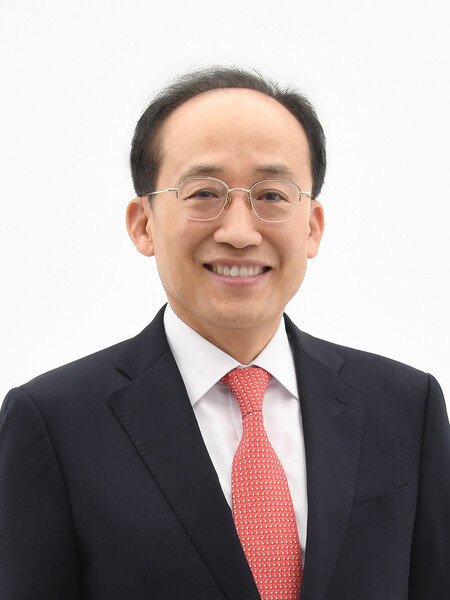
▲필자/ 곽인옥 교수. ©브레이크뉴스 |
북한의 장마당은 종종 ‘자유의 공간’으로 묘사된다. 계획경제가 무너진 자리를 시장이 대신했고, 그 시장이 체제를 잠식하고 있다는 해석이다. 그러나 이 인식은 북한의 현실을 단순화한다. 장마당은 자유시장이 아니다.
자유시장은 가격, 거래, 진입이 비교적 자유롭게 작동하는 체제를 말한다. 그러나 북한의 장마당은 그 어느 하나도 완전히 자유롭지 않다. 판매 품목은 제한되고, 거래 시간은 통제되며, 자리는 허가와 등록을 통해 관리된다. 국가는 시장을 없애지 않았지만, 항상 곁에 머물렀다.
그럼에도 장마당은 사라지지 않았다. 이유는 단순하다. 국가가 더 이상 주민의 생존을 전적으로 책임질 수 없었기 때문이다. 배급 체계가 무너진 이후, 장마당은 선택이 아니라 필수적인 생존 장치가 되었다. 국가는 이를 알고 있었고, 그래서 제거 대신 관리와 조절을 택했다.
여기서 중요한 점은, 장마당이 체제에 ‘맞서는 공간’이 아니라는 사실이다. 장마당은 체제 밖에서 생겨났지만, 곧 체제 안으로 흡수되었다. 국정가격과 시장가격은 병존했고, 단속과 묵인은 반복되었다. 주민들은 규칙을 어기기보다 규칙 사이를 이동하는 법을 배웠다.
이 구조는 체제의 약화를 의미하지 않는다. 오히려 국가는 시장을 통해 자신이 감당할 수 없었던 생존 부담을 분산시켰다. 시장은 통제를 무너뜨리지 않았고, 통제 역시 시장을 완전히 억압하지 않았다. 이 긴장된 공존이 바로 북한 생존경제의 핵심이다.
 ▲북한의 장마당은 자유가 아니라 질서다. ©브레이크뉴스 |
그래서 장마당을 자유의 상징으로 해석하는 순간, 분석은 멈춘다. 장마당은 자유가 아니라 질서다. 비공식적이지만 반복되고, 제한적이지만 예측 가능하다. 그리고 이 질서 위에서 주민들은 하루를 계산하고, 국가는 체제를 유지한다.
다음 질문은 자연스럽게 이어진다. 이 질서를 실제로 움직이는 사람들은 누구인가. 그 답은, 흔히 생각하는 ‘자본가’와는 다른 모습으로 등장한다. <이 글은 필자의 “평양 하이브리드 생존경제” 연구의 일부이다.>
*필자/곽인옥 교수.
*아래는 위 기사를 '구글 번역'으로 번역한 영문 기사의 [전문]입니다. '구글번역'은 이해도 높이기를 위해 노력하고 있습니다. 영문 번역에 오류가 있을 수 있음을 전제로 합니다.<*The following is [the full text] of the English article translated by 'Google Translate'. 'Google Translate' is working hard to improve understanding. It is assumed that there may be errors in the English translation.>
North Korea's Jangmadang is Not a Free Market!... "North Korea's Survival Economy: The Most Common Misconception"
"The Appearance of a Free Market and Its Actual, Regulated Operational Structure"
- Professor Kwak In-ok
North Korea's Jangmadang is often described as a "space of freedom." The interpretation is that the market has taken the place of the collapsed planned economy, and that the market is encroaching on the system. However, this perception simplifies the reality of North Korea. The Jangmadang is not a free market.
A free market refers to a system in which prices, transactions, and entry operate relatively freely. However, none of North Korea's Jangmadang is completely free. Items for sale are restricted, trading hours are controlled, and locations are managed through permits and registration. The state did not eliminate markets, but they have always been present.
Nevertheless, the Jangmadang persisted. The reason is simple: the state could no longer fully assume responsibility for the survival of its citizens. After the collapse of the rationing system, the Jangmadang became not a choice but a necessary survival mechanism. The state knew this, and so, instead of eliminating them, it opted for management and regulation.
The crucial point here is that the market was not a "space of opposition" to the system. It emerged outside the system, but was soon absorbed into it. State-mandated prices and market prices coexisted, and crackdowns and acquiescence were repeated. Residents learned to navigate between the rules rather than break them.
This structure did not signify a weakening of the system. Rather, the state distributed the burden of survival it could not bear through the market. The market did not dismantle control, nor did control completely suppress the market. This tense coexistence is the core of North Korea's survival economy.
Therefore, the moment the market is interpreted as a symbol of freedom, analysis stops. The market is not freedom, but order. It is informal yet repetitive, limited yet predictable. And within this order, residents calculate their days, and the state maintains the system.
The next question naturally follows: Who are the people who actually drive this order? The answer emerges in a different form than the commonly assumed "capitalists." <This article is part of the author's research on "Pyongyang's Hybrid Survival Economy.">
*Author: Professor Kwak In-ok