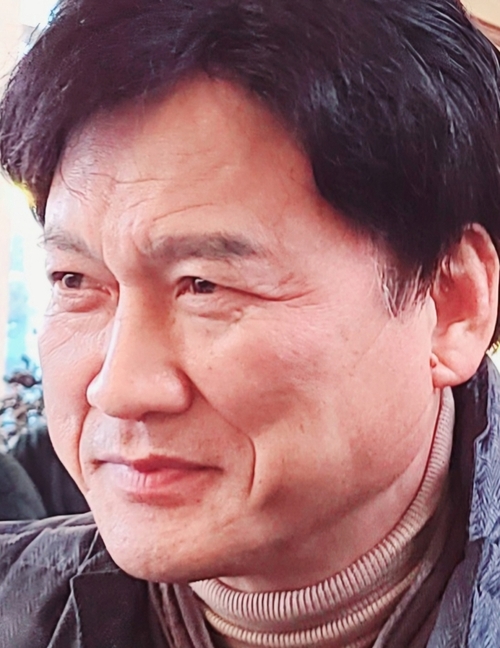
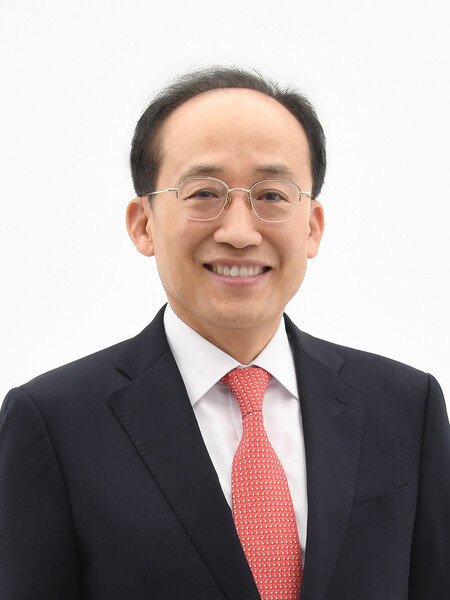
▲필자/ 곽인옥 교수. ©브레이크뉴스 |
북한은 지난 30여 년 동안 세계에서 가장 자주 “곧 무너질 나라”로 예측된 국가였다. 계획경제의 실패, 1990년대 고난의 행군, 국제 제재, 정보 유입. 어느 하나만 보아도 체제 유지가 어려워 보였다. 그러나 결과는 다르다. 북한은 약화되었지만 붕괴하지 않았다. 이 질문에서 출발하지 않으면 북한을 이해할 수 없다.
왜 무너지지 않았는가. 많은 설명이 제시되었다. 강력한 통제, 공포 정치, 외부 정보 차단. 모두 중요한 요소다. 그러나 그것만으로는 충분하지 않다. 통제만으로는 굶주림을 해결할 수 없고, 공포만으로는 일상의 생존을 조직할 수 없다. 북한 사회에는 체제를 지탱하는 또 하나의 작동 원리가 존재한다. 나는 이를 ‘평양 하이브리드 생존경제’라고 부른다.
하이브리드라는 말은 두 체제가 섞였다는 뜻이 아니다. 계획경제가 무너진 자리를 시장이 대체했지만, 그 시장은 자유시장도, 자본주의도 아니다. 국가는 시장을 제거하지 않았다. 제거할 수 없었기 때문이다. 대신 관리하고, 조절하고, 선택적으로 묵인했다.
오늘날 평양을 포함한 북한의 도시에서는 두 개의 경제 질서가 동시에 작동한다. 공식적으로는 여전히 계획경제가 존재하고, 비공식적으로는 시장과 사적 교환이 일상을 지탱한다. 주민들은 이 둘을 오가며 살아간다. 배급이 아니라 장마당에서 먹고, 국정가격이 아니라 시장가격으로 계산하며, 국가가 아닌 네트워크에 의존해 위기를 넘긴다.
그러나 중요한 점은 이것이다. 이 비공식 경제가 체제를 위협하지 않았다는 사실이다. 많은 사람들은 장마당의 확산을 체제 붕괴의 징후로 해석해 왔다. 하지만 현실은 정반대였다. 시장은 체제를 무너뜨리지 않았다. 오히려 국가가 감당하지 못한 생존 부담을 흡수하며 체제를 연장시켰다. 주민은 살아남았고, 국가는 그 생존을 완전히 통제하지 못하면서도 완전히 방치하지도 않았다.
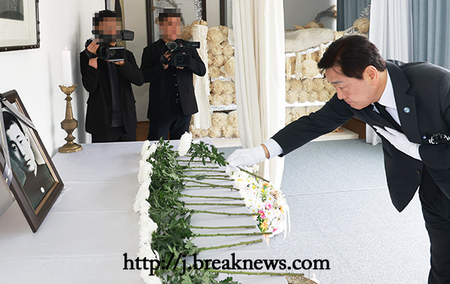
 ▲ 북한 김정은 국무위원장. ©브레이크뉴스 |
 ▲ 북한, 변화는 혁명처럼 폭발하지 않았고, 보이지 않게 누적되었다. ©브레이크뉴스 |
이 구조는 낯설지 않다. 중세 유럽의 장원제 말기에도 비슷한 현상이 나타났다. 공식 질서는 유지되었지만, 실제 생존은 길드와 암시장, 비공식 교환망에 의존했다. 변화는 혁명처럼 폭발하지 않았고, 보이지 않게 누적되었다. 평양 하이브리드 생존경제 역시 마찬가지다. 이것은 개혁도 아니고, 붕괴의 전조도 아니다. 위기 속에서 형성된 생존의 질서다. 그리고 바로 이 질서 위에서 북한 사회는 지난 30년을 버텨왔다.
이 칼럼은 북한의 변화를 예언하지 않는다. 대신 묻고자 한다. 이미 작동하고 있는 구조는 무엇인가. 북한을 이해하려면, 바로 그 지점에서부터 다시 출발해야 한다. <이 칼럼은 필자의 “평양 하이브리드 생존경제” 연구의 일부이다.>
*필자/곽인옥 교수.
*아래는 위 기사를 '구글 번역'으로 번역한 영문 기사의 [전문]입니다. '구글번역'은 이해도 높이기를 위해 노력하고 있습니다. 영문 번역에 오류가 있을 수 있음을 전제로 합니다.<*The following is [the full text] of the English article translated by 'Google Translate'. 'Google Translate' is working hard to improve understanding. It is assumed that there may be errors in the English translation.>
Why Did North Korea Not Collapse?...An Examination of Pyongyang's Hybrid Survival Economy
The Dual Survival Structure That Sustained North Korean Society: "Pyongyang Hybrid Survival Economy"
- Professor Kwak In-ok.
For the past 30 years, North Korea has been the most frequently predicted "country on the verge of collapse" in the world. The failure of the planned economy, the Arduous March of the 1990s, international sanctions, and the influx of information—any single factor seemed to make it difficult to maintain the regime. However, the results were different. North Korea was weakened, but it did not collapse. Without starting with this question, we cannot understand North Korea.
Why didn't it collapse? Many explanations have been proposed: strong control, a reign of terror, and the blocking of external information. These are all important factors. But they alone are not enough. Control alone cannot solve hunger, and fear alone cannot organize daily survival. North Korean society possesses another operating principle that sustains the system. I call this the "Pyongyang Hybrid Survival Economy."
The term "hybrid" does not imply a mixture of the two systems. While the market has replaced the collapsed planned economy, that market is not a fusion of the two. It's neither a free market nor capitalism. The state didn't eliminate the market. It couldn't. Instead, it managed, regulated, and selectively tolerated it. Today, in North Korean cities, including Pyongyang, two economic orders operate simultaneously. Officially, a planned economy still exists, while unofficially, markets and private exchanges sustain daily life. Residents navigate these two dynamics. They eat at the market rather than rely on rations, pay by market prices rather than government-mandated prices, and rely on networks, not the state, to weather crises.
However, the crucial point is this: this informal economy did not threaten the system. Many have interpreted the proliferation of markets as a sign of systemic collapse. But the reality was quite the opposite. The market didn't overthrow the system. Rather, it extended it by absorbing the burden of survival that the state could not bear. Residents survived, and while the state failed to completely control their survival, it didn't completely abandon them either.
This structure is not unfamiliar. A similar phenomenon emerged in the late medieval European manorial system. While formal order was maintained, actual survival depended on guilds and the gentry. They relied on black markets and informal exchange networks. Change didn't explode like a revolution, but accumulated invisibly. The same goes for Pyongyang's hybrid survival economy. It's neither a reform nor a harbinger of collapse. It's a survival order formed in the midst of crisis. And it's on this order that North Korean society has endured for the past 30 years.
This column doesn't predict changes in North Korea. Instead, it asks: What are the structures already in place? To understand North Korea, we must start from that very point. <This column is part of the author's research on the "Pyongyang Hybrid Survival Economy.">
*Author: Professor Kwak In-ok.