브레이크뉴스 김충열 정치전문기자 = 정부가 기후위기 대응과 안정적인 전력 공급을 위해 제11차 전력수급기본계획(이하 전기본)에 반영된 신규 원자력 발전소 2기 건설 프로젝트를 차질 없이 추진하겠다고 공식화했다.
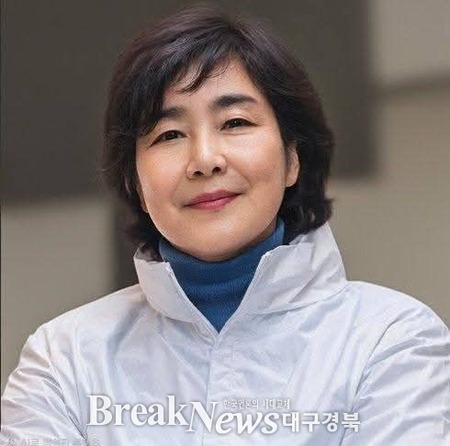
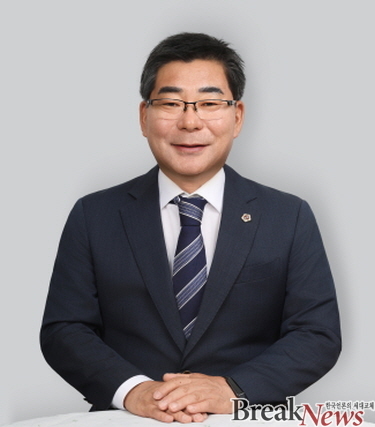
 ▲ 김성환 장관은 “향후에도 다양한 창구를 통해 국민 의견을 경청하고, 과학적이고 객관적인 데이터를 기반으로 차질없이 제12차 전력수급기본계획을 마련하겠다”고 밝혔다. © 사진, 김 장관 페북에서 캡춰 |
국민 여론조사 결과 원전 필요성 80% 상회… 신규 건설 찬성도 60% 넘어
김성환 기후에너지환경부 장관은 기자단 브리핑을 통해 신규 원전 건설에 대한 확고한 의지를 표명했다. 이번 결정은 앞서 실시된 두 차례의 정책토론회와 국민 여론조사 결과를 토대로 내려졌다.
조사 결과에 따르면, 우리 국민의 80% 이상이 에너지 안보와 탄소 중립을 위해 원전이 필요하다고 답했으며, 신규 원전 계획 추진에 찬성한다는 응답도 60%를 상회하는 것으로 나타났다. 기후부는 이러한 국민적 공감대를 바탕으로 에너지 정책의 실행력을 확보한다는 방침이다.
재생에너지와 원전 중심의 ‘투트랙’ 전력 운영
김 장관은 탄소 감축을 위해 기존 석탄 및 LNG 발전을 단계적으로 축소하고, 재생에너지와 원전을 양대 축으로 하는 전력 운영 체계로의 전환을 강조했다.
그런 측면에서 첫째, ‘재생에너지 확대’를 통해 태양광, 풍력 등 재생에너지를 대폭 늘리되, 에너지저장장치(ESS)와 양수발전을 적극 활용해 재생에너지의 고질적 문제인 간헐성(발전량의 변동성)을 보완했다.
둘째, ‘원전의 유연성 확보’를 통해 원전의 경우 과거의 경직된 운영에서 벗어나 수요에 따라 출력을 조절하는 ‘탄력운전’을 도입, 전력 계통을 보다 유연하게 관리할 계획이다.
이번 김성환 장관의 탈원전을 폐기하고 원전 2기를 새로 짓는 것은 원전 수출과 소형 모듈원전(SMR)수출, AI시대 전기먹는 하마로 불리는 데이터센터 가동을 위해 유연한 정책 전환은 문재인 정부 정책 실패를 반면교사로 삼는 것으로 평가된다. 에너지 정책이 이념과 진영에 묶이지 않고 지속 가능한 AI.반도체 전력을 위해 실용주의 정책으로 전환하는 것은 당연한 귀결이다.
12차 전기본, 과학적 근거와 소통으로 수립할 것
기후부는 이번 11차 계획의 추진력을 이어가는 동시에 차기 계획 수립을 위한 준비에도 착수할 예정이다. 김성환 장관은 “향후에도 다양한 창구를 통해 국민 의견을 경청하고, 과학적이고 객관적인 데이터를 기반으로 차질없이 제12차 전력수급기본계획을 마련하겠다”고 밝혔다.
정부의 이번 발표는 전력 분야의 탄소 중립 실현이라는 목표와 실현 가능한 에너지 믹스(Mix) 사이의 균형을 맞추겠다는 강력한 의지로 풀이된다. hpf21@naver.com
*아래는 위 기사를'구글 번역'으로 번역한 영문 기사의[전문]입니다. '구글번역'은 이해도 높이기를 위해 노력하고 있습니다.영문 번역에 오류가 있을 수 있음을 전제로 합니다.*The following is [the full text] of the English article translated by 'Google Translate'. 'Google Translate' is working hard to improve understanding. It is assumed that there may be errors in the English translation.
Minister of Climate Change Kim Sung-hwan: "Two New Nuclear Power Plants Under the 11th Basic Electricity Plan to Proceed as Planned"
Accelerating the Transition to a "Carbon-Free Power System" by Significantly Expanding Renewable Energy and Flexible Operation of Nuclear Power Plants
Break News, Political Reporter Kim Choong-Lyoul = The government has officially announced that it will proceed with the construction of two new nuclear power plants as planned in the 11th Basic Electricity Supply and Demand Plan (hereinafter referred to as the Basic Electricity Plan) to address the climate crisis and ensure a stable power supply.
Public Opinion Poll Shows Over 80% Support for Nuclear Power Plants, With Support for New Construction Also Exceeding 60%
Minister of Climate, Energy and Environment Kim Sung-hwan expressed his firm commitment to the construction of new nuclear power plants in a press briefing. This decision was based on the results of two previous policy debates and a public opinion poll.
According to the poll, over 80% of Koreans believe nuclear power plants are necessary for energy security and carbon neutrality, and over 60% support the new nuclear power plant plan. The Ministry of Climate Change aims to secure the viability of its energy policies based on this national consensus.
A "Two-Track" Power Management Centered on Renewable Energy and Nuclear Power
Minister Kim emphasized the gradual reduction of existing coal and LNG power generation to reduce carbon emissions and the transition to a power management system centered on renewable energy and nuclear power.
In this regard, first, through "Renewable Energy Expansion," the government will significantly increase the use of renewable energy sources such as solar and wind power. Furthermore, the government will actively utilize energy storage systems (ESS) and pumped storage to address the intermittency (variability in power generation), a chronic problem with renewable energy sources.
Second, through "Securing Flexibility in Nuclear Power," the government will move away from the rigid operation of nuclear power plants in the past and introduce "flexible operation," which adjusts output according to demand, thereby enabling more flexible management of the power grid.
Minister Kim Sung-hwan's decision to abandon the nuclear phase-out and build two new nuclear power plants is seen as a flexible policy shift aimed at exporting nuclear power plants, exporting small modular reactors (SMRs), and operating data centers, often called power-hungry hippos in the AI era. This shift is seen as a lesson learned from the Moon Jae-in administration's policy failures. It is a natural consequence of energy policy to shift from being tied to ideology and partisanship to a pragmatic approach for sustainable AI and semiconductor power.
The 12th Basic Electricity Plan will be established based on scientific evidence and communication
The Ministry of Climate Change plans to continue the momentum of the 11th Basic Plan and begin preparations for the next plan. Minister Kim Sung-hwan stated, "We will continue to listen to public opinion through various channels and develop the 12th Basic Electricity Supply and Demand Plan based on scientific and objective data."
The government's announcement is interpreted as a strong commitment to striking a balance between the goal of achieving carbon neutrality in the electricity sector and a feasible energy mix. hpf21@naver.com