▲자료 해설 : 이 그림은 평양시장을 지탱하는 보이지 않는 삼각 구조를 보여준다. 돈주의 자본 도매상의 물류, 환전상의 신뢰가 맞물리며 생존경제를 유지한다. 세 축 중 하나라도 흔들리면 전체 질서가 무너진다. ©브레이크뉴스 |
새벽의 평양 외곽 시장에는 가장 먼저 불이 켜진다. 해가 뜨기 전, 트럭은 이미 멈춰 서 있고, 자루와 상자는 조용히 옮겨진다. 거래는 소리 없이 시작된다. 그 움직임을 지휘하는 얼굴은 없다. 그러나 질서는 분명하다.
이 질서를 만드는 첫 번째 축은 돈주다. 돈주는 권력에 맞서는 자본가가 아니다. 그는 권력과 거리를 계산하는 기술자다. 언제 투자하고, 언제 물러나야 하는지를 누구보다 정확히 안다. 지나친 축적은 위험이고, 과도한 노출은 파멸이라는 사실을 이들은 경험으로 배웠다.
돈주의 자금은 곧바로 시장으로 흘러들지 않는다. 반드시 도매상을 거친다. 도매상은 물자의 경로를 설계하는 사람들이다. 어느 국경이 막혔는지, 어느 검문소가 느슨한지, 어느 노선이 안전한지를 몸으로 기억한다. 그들의 지도에는 공식 도로보다 비공식 경로가 더 촘촘하다.
그리고 그 모든 흐름의 끝에는 환전상이 있다. 환전상은 숫자를 다루는 사람이 아니다. 그는 불안을 다루는 사람이다. 환율이 흔들리는 순간, 거래는 멈춘다. 그래서 환전상은 단순한 환율 중개자가 아니라, 신뢰의 관리자다.
이 세 집단은 보이지 않는 삼각형을 이룬다. 자금은 돈주에게서 나오고, 물자는 도매상을 거쳐 흐르며, 가치는 환전상을 통해 안정된다. 어느 한 축이 무너지면 전체는 곧바로 흔들린다. 그러나 이 구조는 수십 년 동안 거의 붕괴되지 않았다.
그 이유는 단순하다. 이들은 체제 밖의 존재가 아니기 때문이다. 그들은 항상 경계선 안에서만 움직인다. 법을 넘지 않으면서도 법의 빈틈을 이용하고, 통제를 거부하지 않으면서도 통제의 부담을 나눈다. 저항하지 않음으로써, 그들은 가장 큰 영향력을 얻는다.
그래서 돈주는 재벌이 되지 않고, 도매상은 독점자가 되지 않으며, 환전상은 금융가로 성장하지 않는다. 성공의 한계선을 스스로 설정하는 능력, 그것이 이들의 생존 기술이다.
이 삼각 질서는 시장을 자유롭게 만들지 않는다. 오히려 시장을 관리 가능한 상태로 유지한다. 국가는 모든 유통과 금융을 직접 통제하지 않아도 된다. 대신 이 비공식 네트워크가 위험을 흡수한다. 통치는 분산되고, 책임은 개인에게 이전된다.
이 구조 속에서 비공식 경제는 체제를 위협하지 않는다. 오히려 체제를 연장한다. 가장 비공식적인 영역이, 가장 공식적인 질서를 떠받치는 역설이 여기에서 완성된다.
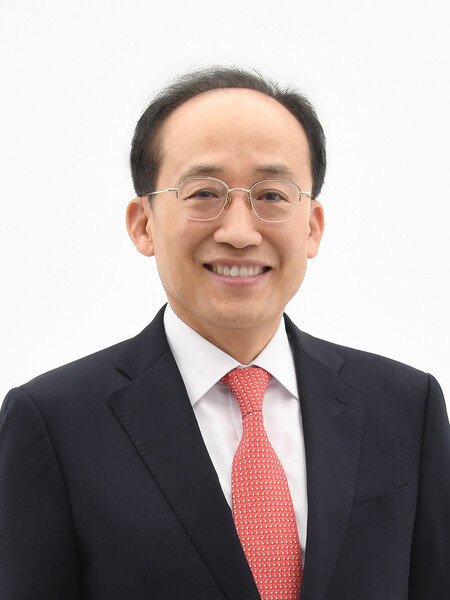
 ▲필자/ 곽인옥 교수. ©브레이크뉴스 |
북한의 생존경제는 무질서의 산물이 아니다. 그것은 수십 년에 걸쳐 축적된 조정의 기술이며, 위험 관리의 역사다. 돈주·도매상·환전상은 개인이 아니라, 하나의 시스템이다.
다음 질문은 자연스럽다. 이 삼각 질서를 실제로 연결하는 사람들은 누구인가. 그리고 이 연결은 어떤 규칙 위에서 유지되는가.<▶이 칼럼은 필자의 ‘평양 하이브리드 생존경제’ 연구의 일부이다.>
*필자/곽인옥 교수
*아래는 위 기사를 '구글 번역'으로 번역한 영문 기사의 [전문]입니다. '구글번역'은 이해도 높이기를 위해 노력하고 있습니다. 영문 번역에 오류가 있을 수 있음을 전제로 합니다.<*The following is [the full text] of the English article translated by 'Google Translate'. 'Google Translate' is working hard to improve understanding. It is assumed that there may be errors in the English translation.>
North Korea, Those Who Move the System - ①... "The Triangular Order of Donju, Wholesalers, and Money Changers"
- Professor Kwak In-ok
Data Commentary: This image illustrates the invisible triangular structure that sustains the Pyongyang market. The donju's capital, the wholesalers' logistics, and the money changers' trust intertwine to maintain the survival economy. If any of these three pillars falter, the entire order collapses.
Lights are turned on first in the Pyongyang outskirts markets at dawn. Before sunrise, trucks are already at a standstill, and sacks and boxes are quietly moved. Transactions begin silently. There is no face directing the movement. Yet, the order is clear.
The first pillar that creates this order is the donju. The donju is not a capitalist who opposes power. He is a technician who calculates the distance between himself and power. He knows better than anyone when to invest and when to retreat. They have learned from experience that excessive accumulation is risky and excessive exposure leads to ruin.
The donju's funds do not flow directly into the market. They must pass through the wholesalers. Wholesalers are the ones who design the routes of goods. They remember firsthand which borders are closed, which checkpoints are loose, and which routes are safe. Their maps are denser with unofficial routes than with official ones.
And at the end of all this flow is the money changer. Money changers don't deal with numbers; they deal with uncertainty. The moment the exchange rate fluctuates, transactions cease. Therefore, money changers are not mere exchange brokers; they are custodians of trust.
These three groups form an invisible triangle. Money comes from the money lenders, goods flow through the wholesalers, and value is stabilized by the money changers. If one axis collapses, the whole system immediately collapses. Yet, this structure has remained largely unbroken for decades.
The reason is simple: they are not outside the system. They always operate within its boundaries. They exploit loopholes without transgressing the law, and they share the burden of control without resisting it. By not resisting, they gain the most influence.
So, donju (donju) don't become chaebols,
wholesale dealers don't become monopolists,
and money changers don't grow into financiers.
The ability to set their own limits for success
is their survival skill.
This triangular order doesn't free the market. Rather, it keeps it manageable. The state doesn't need to directly control all distribution and finance. Instead, this informal network absorbs risk. Governance is decentralized, and responsibility is transferred to individuals.
Within this structure, the informal economy doesn't threaten the system. Rather, it extends it. The paradox of the most informal sector supporting the most formal order is realized here.
North Korea's survival economy is not a product of disorder. It is a skill of coordination accumulated over decades, a history of risk management. Donju, wholesalers, and money changers are not individuals, but a system.
The next question is natural:
Who are the people who actually connect this triangular order? And what rules are these connections maintained? <▶This column is part of the author's research on the "Pyongyang Hybrid Survival Economy.">
*Author/Professor Kwak In-ok