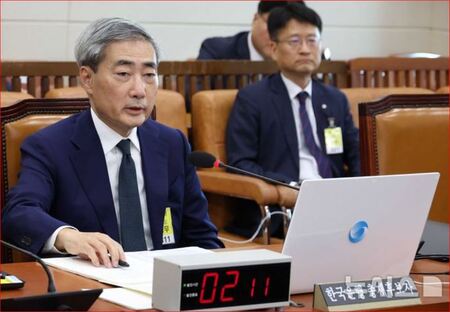
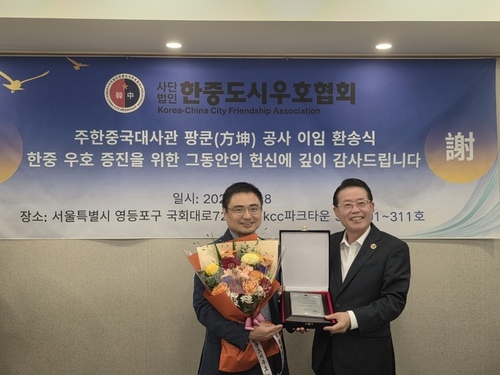
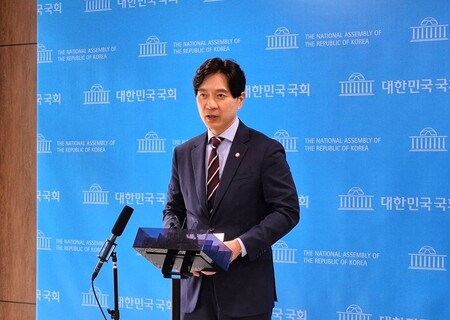
▲ 여수시의회는 9일 제253회 임시회 제2차 본회의에서 김영규 의원이 발의한 「전남 동부권 석유화학·플랜트 산업 재편 대응 및 노동자·소상공인 보호 제도 마련 촉구 건의안」을 채택했다. |
여수시의회는 9일 제253회 임시회 제2차 본회의에서 김영규 의원이 발의한 '전남 동부권 석유화학·플랜트 산업 재편 대응 및 노동자·소상공인보호 제도 마련 촉구 건의안'을 채택했다고 밝혔다.
김영규 의원은 이날 제안 설명에서 "전남 동부권은 여수국가산단과 광양만권을 중심으로 국가 석유화학 및 플랜트 산업의 핵심 거점으로 기능해 왔다"며 "그러나 최근 석유화학 업황 침체의 장기화와 투자 위축, 감산·가동 중단 확대로 산업 현장과 지역경제 전반이 큰 어려움에 놓여 있다"고 말했다.
이어 "석유화학 정규직 노동자들은 고용 불안과 임금·수당 감소를 겪고 있고, 실제 공정의 최전선에 있는 플랜트 노동자들 또한 공사 물량 감소와 단가 하락, 고용 단절이 집중되며 현장을 떠나고 있다"고 말했다.
김 의원은 "산업 침체는 곧바로 지역 상권으로 전이돼 소비 위축과 소상공인 매출 감소, 고정비와 대출 부담 증가, 폐업 확대로 이어지고 있다"며 "현행 제도는 산업 재편 과정에서 발생하는 비용과 충격을 지역과 현장에 떠넘긴 채, 이를 제도적으로 뒷받침할 장치를 충분히 갖추지 못하고 있다"고 지적했다.
특히 김 의원은 "산업 전환은 불가피한 변화일 수 있지만, 그 과정이 노동자와지역 소상공인의 생존을 담보로 추진돼서는 안 된다"며 "전남 동부권 산업 재편으로 어려움을 겪고 있는 노동자와 소상공인을 지원하는 방안이 ‘정의로운전환’의 틀 속에서 전남·광주 통합특별시 출범 과정에서 논의되고 제도화돼야한다"고 힘주어 말했다.
여수시의회는 건의안을 통해 ▲전남·광주 통합특별법에 ‘동부권 정의로운 전환’을 명시하고 석유화학·플랜트 산업 재편 과정에서 발생하는 고용 충격에대한 국가 책임과 지원 근거를 포함할 것 ▲동부권 산업전환·고용안전·안전혁신을 전담할 권역본부급 조직을 설치하고 협력업체·하청노동자까지 포괄하는고용유지·전직훈련·체불방지·표준계약 대책을 마련할 것을 촉구했다.
아울러 출범을 앞둔 전남·광주 통합특별시에 ▲동부권 균형발전 특별회계 또는 정의로운 전환 기금 설치를 통해 안전투자, 상시 감독체계 강화, 산단 통합비상 대응 역량 확충에 필요한 재원을 의무적으로 배정할 것 ▲동부권 산업 침체로 피해를 입은 소상공인을 위한 특례보증, 이자지원, 경영전환, 임대료·공과금 부담 완화 등 상권 회복 대책을 제도화하고 지역화폐, 공공배달앱,상생 소비 촉진 등 매출 회복 장치를 상시 가동할 것을 주문했다.
김영규 의원은 "전남·광주 통합은 행정구조 개편에 그쳐서는 안 되며, 산업 재편의 부담을 현장 노동자와 지역 상권에 떠넘기는 방식이어서는 안 된다"며 "동부권 산업과 지역경제가 함께 회복할 수 있도록 통합특별법 단계에서부터 제도적 보호 장치를 명확히 마련해야 한다"고 밝혔다.
[아래는 구글로 번역한 영문기사 전문입니다. 영문번역에 오류가 있을 수 있음을 전제로 합니다. Below is the full English article translated by Google. It is assumed that there may be errors in the English translation.]
The Yeosu City Council announced on the 9th that it had adopted a motion, "Responding to the Restructuring of the Petrochemical and Plant Industries in Eastern Jeollanam-do and Urging the Establishment of a System to Protect Workers and Small Business Owners," proposed by Councilman Kim Young-gyu at the second plenary session of the 253rd extraordinary session.
In his presentation, Councilman Kim stated, "The eastern Jeollanam-do region, centered around the Yeosu National Industrial Complex and the Gwangyang Bay area, has served as a key hub for the national petrochemical and plant industries. However, the recent prolonged downturn in the petrochemical industry, shrinking investment, and increasing production cuts and shutdowns are posing significant challenges for both the industry and the local economy as a whole."
He continued, "Regular petrochemical workers are facing job insecurity and reduced wages and benefits. Plant workers, who are at the forefront of the actual process, are also leaving the field due to reduced construction volumes, falling unit prices, and employment interruptions."
Rep. Kim stated, "This industrial downturn is directly spreading to local commercial districts, leading to a decline in consumption, declining sales for small businesses, increased fixed costs and loan burdens, and increased business closures." He added, "Despite this, the current system shifts the costs and impacts of industrial restructuring onto local communities and the field, failing to adequately support them."
Rep. Kim emphasized, "Industrial transition may be inevitable, but the process should not be pursued at the expense of the survival of workers and local small businesses." He added, "Measures to support workers and small businesses struggling due to industrial restructuring in eastern Jeollanam-do should be discussed and institutionalized during the launch of the integrated Jeollanam-Gwangju Special City within the framework of a 'just transition.'"
The Yeosu City Council, through its proposal, urged the following: The Jeonnam-Gwangju Special Act on the Integration of the Eastern Region should explicitly state a "just transition" for the region and include a basis for state responsibility and support for the employment shock arising from the restructuring of the petrochemical and plant industries; The council should establish a regional headquarters-level organization dedicated to industrial transition, employment safety, and safety innovation in the eastern region, and develop measures to maintain employment, provide job transfer training, prevent overdue payments, and standardize contracts, encompassing subcontractors and subcontracted workers.
Furthermore, the council urged the newly launched Jeonnam-Gwangju Special City to: Mandatorily allocate funds for safety investment, strengthening the ongoing supervision system, and expanding integrated emergency response capabilities for industrial complexes by establishing a special account or just transition fund for balanced development in the eastern region; Institutionalize commercial recovery measures for small businesses affected by the industrial downturn in the eastern region, including special guarantees, interest subsidies, management transitions, and alleviation of rent and utility burdens; and continual activation of sales recovery mechanisms, such as local currencies, public delivery apps, and the promotion of shared consumption.
Rep. Kim Young-gyu said, “The integration of South Jeolla Province and Gwangju should not be limited to administrative restructuring, and the burden of industrial restructuring should not be passed on to field workers and local businesses.” He added, “Institutional safeguards must be clearly established from the stage of the special integration law so that the industries and regional economy of the eastern region can recover together.”
원본 기사 보기:브레이크뉴스전남동부