우리는 오랫동안 “왜 성장하는가.”라는 질문에 익숙했다. 성장은 성공의 다른 이름이었고, 성장이 멈춘 사회는 실패로 분류되었다. 그러나 오늘의 세계는 그 공식이 더 이상 작동하지 않는 장면들을 반복해서 보여준다. 성장하지 않지만 사라지지 않는 나라들, 합리화되지 않았지만 붕괴하지 않는 체제들이 분명히 존재한다.
북한은 그 가장 극단적인 사례다. 이 현상을 설명하는 기존의 언어는 대부분 예언에 가까웠다. 곧 무너질 것이라는 전망, 전환의 문턱에 서 있다는 해석, 혹은 비정상이라는 규정. 그러나 현실은 늘 그 예측을 비껴갔다.
 ▲ 북한체제. ©브레이크뉴스 |
 ▲ 북한체제. ©브레이크뉴스 |
 ▲ 북한체제. ©브레이크뉴스 |
질문을 바꾸지 않으면 설명도 달라질 수 없다는 사실만 남았다. 19세기 Karl Marx는 산업자본주의의 심장에서 성장이 어떻게 구조화되는지를 설명했다. 20세기 초 Max Weber는 근대 국가가 어떻게 합리적으로 지배되는지를 분석했다. 두 이론은 모두 자기 시대의 ‘정상 상태’를 해부한 작업이었다.
그러나 오늘 우리가 마주한 세계에는 그 정상 상태의 바깥에 놓인 체제들이 있다. 성장을 목표로 하지 않으면서도, 합리화를 완성하지 않으면서도, 어떤 방식으로든 지속되고 있는 질서들이다. 이 영역은 기존 이론으로 충분히 설명되지 않았다. 문제가 이론의 우열이 아니라, 아직 이름 붙여지지 않은 공백의 존재에 있다는 뜻이다.
【평양 하이브리드 생존경제】는 바로 그 공백을 바라보는 하나의 관점이다. 북한의 경제는 국가와 시장, 통제와 자율, 공식과 비공식이 분리된 채 공존하는 구조 속에서 작동해 왔다. 이 요소들은 서로를 제거하지 않았고, 서로를 완전히 흡수하지도 않았다. 대신 긴장 속에서 함께 진화하며 생존을 가능하게 하는 방식을 만들어 왔다.
여기서 중요한 것은 이 체제를 이상화하거나 정당화하는 일이 아니다. 다만 그것이 어떻게 살아남고 있는가를 있는 그대로 설명하려는 시도다. 성장하지 않아도 살아남는다는 사실 자체가
이미 우리가 익숙했던 발전 서사에 균열을 낸다. 그래서 나는 조심스러울 수밖에 없다. 이 관점을 곧바로 “새로운 이론”이라 부르거나, 기존의 거대한 이름들과 나란히 놓고 비교하는 일은 지금 단계에서는 적절하지 않다고 생각한다. 학문에서 중요한 것은 누가 더 뛰어난가가 아니라, 아무도 서 있지 않던 자리에 누가 먼저 들어갔는가이다.
이 글이 하려는 말은 단순하다. 나는 위대한 이론가를 자처하지 않는다. 다만 성장과 붕괴라는 이분법 사이에 비어 있던 공간, ‘성장하지 않으면서도 지속되는 질서’라는 영역에 먼저 발을 들여놓았을 뿐이다. 깃발을 꽂았다는 말은 평가가 아니라 기록에 가깝다. 이 기록이 의미를 갖게 될지는 시간과 독자가 판단할 일이다. 다만 분명한 것은, 오늘의 세계는 더 이상 성장만으로 자신을 설명하지 않는다는 사실이다. 어쩌면 우리는 발전의 시대를 지나 생존의 논리를 이해해야 하는 시대로 들어섰는지도 모른다. 【평양 하이브리드 생존경제】는 그 전환 지점에서 남겨두는 하나의 관찰 기록이다.
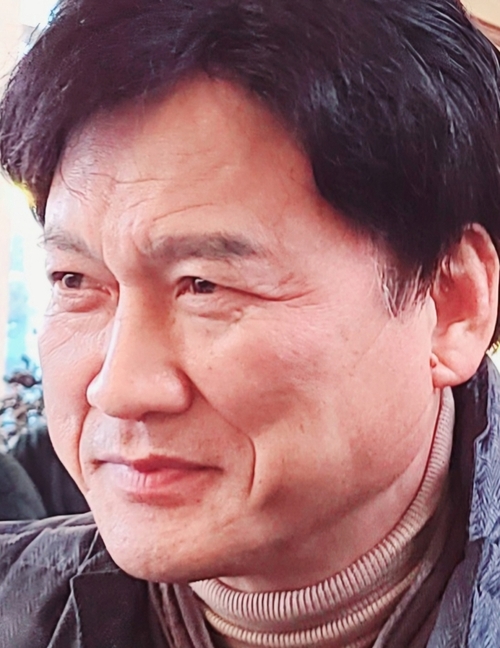
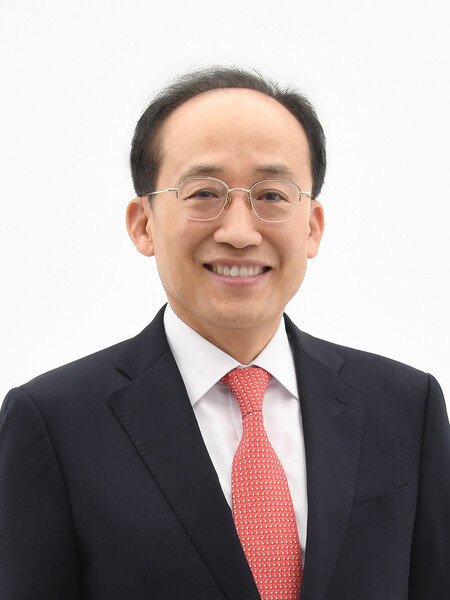
*필자/곽인옥 교수
 ▲ 필자/곽인옥 교수. ©브레이크뉴스 |
*아래는 위 기사를 '구글 번역'으로 번역한 영문 기사의 [전문]입니다. '구글번역'은 이해도 높이기를 위해 노력하고 있습니다. 영문 번역에 오류가 있을 수 있음을 전제로 합니다.<*The following is [the full text] of the English article translated by 'Google Translate'. 'Google Translate' is working hard to improve understanding. It is assumed that there may be errors in the English translation.>
North Korea: A Country Surviving Without Growth... "Pyongyang's Hybrid Survival Economy"
- Professor Kwak In-ok
We have long been familiar with the question, "Why do we grow?" Growth was another name for success, and societies that stopped growing were classified as failures. However, today's world repeatedly shows us scenes where that formula no longer works. Countries that don't grow but don't disappear, systems that aren't rationalized but don't collapse, clearly exist.
North Korea is the most extreme example. The existing language used to explain this phenomenon has often bordered on prophecy: predictions of imminent collapse, interpretations that it's on the threshold of a transition, or a label of abnormality. However, reality has consistently defied these predictions.
The only thing that remains is that without changing the question, the explanation cannot change. In the 19th century, Karl Marx explained how growth is structured at the heart of industrial capitalism. In the early 20th century, Max Weber analyzed how the modern state is rationally governed. Both theories were dissecting the "normal state" of their era.
However, in the world we face today, there are systems that lie outside of this normal state. These are orders that persist in some way, even though they do not aim for growth or achieve complete rationalization. This area has not been adequately explained by existing theories. The problem lies not in the superiority of theories, but in the existence of a void that has yet to be named.
[Pyongyang Hybrid Survival Economy] offers a perspective on this very void. The North Korean economy has operated within a structure where state and market, control and autonomy, formal and informal systems coexist in isolation. These elements have neither eliminated nor completely absorbed each other. Instead, they have evolved together in tension, creating a mechanism that enables survival.
The point here is not to idealize or justify this system. Rather, it is to attempt to explain, as it were, how it survives. The very fact that it survives without growth
cripples the development narrative we have become accustomed to. Therefore, I cannot help but be cautious. I believe it is inappropriate at this stage to immediately label this perspective a "new theory" or to compare it with existing, established names. What matters in scholarship is not who excels, but who first entered a space where no one else stood.
The message of this article is simple. I don't claim to be a great theorist. I simply stepped into the void between the dichotomy of growth and collapse, into the realm of "an order that persists without growth." To say I planted a flag is not an evaluation, but more of a record. Whether this record will hold significance is for time and readers to decide. However, one thing is certain: today's world no longer defines itself solely through growth. Perhaps we have passed the era of development and entered an era where we must understand the logic of survival. "Pyongyang's Hybrid Survival Economy" is an observational record left at that turning point.
*Author/Professor Kwak In-ok