▲ 서울=뉴시스] 북한 조선중앙TV는 김정은 국무위원장(중앙)이 신형 대륙간탄도미사일(ICBM) '화성포-19'형 시험발사를 직접 지도했다고 보도했다. 시험발사 현장에는 딸 김주애(오른쪽)도 동행했다. 북한은 화성포-19형 시험발사에 성공했다고 주장했다. (사진=조선중앙TV) ©뉴시스 |
북한, 아침에 눈을 뜨면 사람들은 먼저 하루를 계산한다. 오늘 무엇으로 버틸 수 있을지, 어떤 길이 열려 있는지, 어디를 피해 가야 하는지를 머릿속으로 그린다. 월급도, 배급도 더 이상 기준이 되지 않는다. 평양에서 살아간다는 것은 국가를 믿는 일이 아니라, 도시의 흐름을 읽는 일이다.
겉으로 보이는 평양은 질서정연하다. 도로는 반듯하고 건물은 가지런하다. 그러나 그 안에서는 전혀 다른 경제가 움직이고 있다. 공식 제도는 외피에 불과하고, 실제 생존은 사람들 사이에 만들어진 비공식 구조 위에서 이루어진다. 이 도시는 오래전에 이중 구조로 바뀌었다.
집은 더 이상 쉬는 공간이 아니다. 거실은 작업장이 되고, 부엌은 공장이 되며, 베란다는 밭이 된다. 어떤 집에서는 철문을 만들고, 어떤 집에서는 빵을 굽고, 어떤 집에서는 채소를 키운다. 주거 공간은 자연스럽게 생산 공간으로 전환된다. 누구의 지시도 없었지만, 모두가 그렇게 살아가기 시작했다.
 ▲자료해설 : 본 자료는 평양의 공식 질서 이면에서 작동하는 비공식 생존 네트워크를 시각화한 것이다. 단속 회피, 연료 확보, 정보 교환, 비공식 시장이 연결되며 도시의 실제 생존 구조를 형성한다. 이는 국가보다 ‘도시의 흐름’을 읽는 능력이 삶을 좌우하는 현실을 보여준다. ©브레이크뉴스 |
 ▲자료해설 : 본 자료는 평양의 공식 질서 이면에서 작동하는 비공식 생존 네트워크를 시각화한 것이다. 단속 회피, 연료 확보, 정보 교환, 비공식 시장이 연결되며 도시의 실제 생존 구조를 형성한다. 이는 국가보다 ‘도시의 흐름’을 읽는 능력이 삶을 좌우하는 현실을 보여준다. ©브레이크뉴스 |
먹는 문제는 개인이 해결해야 한다. 닭을 키우고, 돼지를 기르고, 계란을 팔고, 떡을 만들어 내놓는다. 굶지 않기 위해 장사를 배우고, 장사를 하기 위해 기술을 익힌다. 생존은 의지가 아니라 학습의 결과가 된다.
공간도 곧 자산이 된다. 역전의 방 하나, 대학가의 부엌 하나, 골목의 창고 하나가 모두 돈이 된다. 위치는 소득을 결정하고, 소득은 다시 지위를 만든다. 좋은 자리는 권력이 되고, 나쁜 자리는 빈곤이 된다.
에너지는 도시의 힘이다. 연탄과 석탄을 가진 사람은 겨울을 지배한다. 휘발유를 가진 사람은 이동을 통제한다. 전기가 불안정한 사회에서 연료는 가장 확실한 화폐가 된다. 에너지를 쥔 사람은 항상 중심에 선다.
물류는 이 구조를 연결하는 혈관이다. 개인 용달과 운송망이 도시를 엮는다. 국가 체계보다 빠르고, 공식 조직보다 유연하다. 물건과 정보와 자본은 이 비공식 통로를 따라 흐른다. 평양의 진짜 도로는 지도에 표시되지 않는다.
이 사회에서 돈은 단순한 지폐가 아니다. 그것은 관계이고, 신뢰이며, 접근권이다. 누구와 연결되어 있는가, 누구에게 기대어 있는가가 생존을 결정한다. 자본보다 중요한 것은 네트워크다. 사람들은 이 도시의 규칙을 몸으로 배운다. 어디가 안전한지, 언제가 위험한지, 누구를 조심해야 하는지를 경험으로 익힌다. 책에는 없고, 교과서에도 없다. 기억 속에 축적된 생존 지식이다.
무질서처럼 보이는 이 구조에는 분명한 선이 있다. 넘으면 단속이 오고, 지키면 묵인이 이어진다. 모두가 그 선을 안다. 말하지 않아도 안다. 통제는 항상 보이지 않게 작동한다. 국가는 이 구조를 부수지 않는다. 오히려 관리한다. 모든 것을 직접 책임지는 것보다, 조정하는 편이 훨씬 싸기 때문이다. 완전한 통제도 아니고, 완전한 방임도 아니다. 조율된 혼합 질서다.
이 도시에서 성공한 사람은 특별히 뛰어난 사람이 아니다. 생산, 유통, 에너지, 물류 중 하나의 축에 자리를 잡은 사람이다. 구조 안에 들어간 사람이 오래 산다. 위치가 곧 계급이 된다. 평양의 불평등은 소득보다 접근성에서 만들어진다. 자원에 얼마나 가까운가, 정보에 얼마나 빠른가, 관계망에 얼마나 깊이 들어가 있는가가 인생의 경로를 바꾼다.
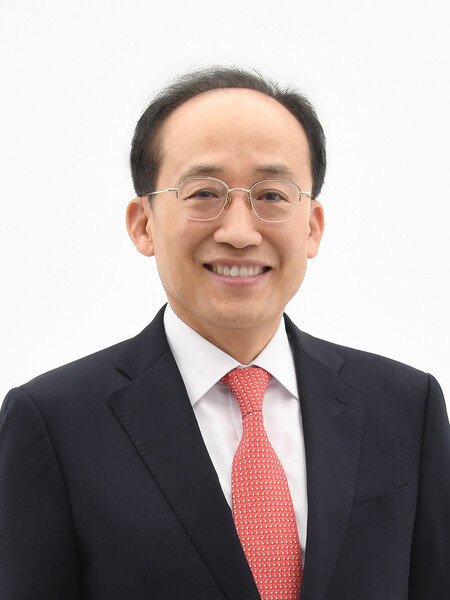
 ▲필자/ 곽인옥 교수. ©브레이크뉴스 |
사람들은 이 구조에 맞서 싸우지 않는다. 대신 적응한다. 틈을 찾고, 우회하고, 비껴간다. 그것이 가장 안전한 생존 방식이기 때문이다. 저항보다 조정이 먼저다. 그래서 평양은 쉽게 무너지지 않는다. 체제가 강해서가 아니다. 사람들이 매일 구조를 보완하기 때문이다. 제도가 흔들릴 때마다, 생활이 대신 받쳐준다.
이 도시는 계획으로 유지되지 않는다. 매일의 조정으로 유지된다. 명령과 거래, 통제와 자율, 공식과 비공식이 끊임없이 균형을 찾는다. 그 반복이 도시를 떠받친다. 우리가 봐야 할 것은 건물이 아니다. 사람들 사이에 놓인 연결망이다. 이 보이지 않는 길들이 도시를 움직인다. 그것이 끊어지는 순간, 안정도 함께 무너진다.
체제를 움직이는 것은 명령이 아니다. 이 구조 속에서 오늘도 하루를 살아내는 사람들이다.
▶본 글은 필자의 『평양 하이브리드 생존경제』 연구의 일부입니다.
*필자/곽인옥 교수
*아래는 위 기사를 '구글 번역'으로 번역한 영문 기사의 [전문]입니다. '구글번역'은 이해도 높이기를 위해 노력하고 있습니다. 영문 번역에 오류가 있을 수 있음을 전제로 합니다.<*The following is [the full text] of the English article translated by 'Google Translate'. 'Google Translate' is working hard to improve understanding. It is assumed that there may be errors in the English translation.>
North Korea, Those Who Move the System - ⑦... Those Who Support the City: Pyongyang's Survival Methods
-Professor Kwak In-ok
Data Commentary: This data visualizes the unofficial survival networks operating behind the scenes of Pyongyang's official order. Evasion of crackdowns, fuel acquisition, information exchange, and informal markets are interconnected to form the city's actual survival structure. This reveals a reality where the ability to read the "urban flow" rather than the state determines one's life.
When people wake up in the morning, they first calculate the day. They envision what they can survive on, what paths are open, and where to avoid. Wages and rations no longer serve as criteria. Living in Pyongyang is not about trusting the state, but about reading the city's flow.
Outwardly, Pyongyang appears orderly. The roads are straight, the buildings neatly arranged. But within, a completely different economy is at work. Official institutions are merely a facade, and real survival relies on the informal structures built among people. This city has long since shifted to a dual structure.
Homes are no longer spaces for relaxation. Living rooms become workshops, kitchens become factories, and balconies become fields. Some homes build iron gates, others bake bread, and others grow vegetables. Living spaces are naturally transformed into productive spaces. Without anyone's direction, everyone began to live that way.
Each individual must solve their own food problem. They raise chickens, raise pigs, sell eggs, and make rice cakes. They learn business to avoid starvation, and acquire skills to do business. Survival is not a matter of will, but a result of learning.
Even space becomes an asset. A room in a train station, a kitchen in a university district, a warehouse in an alleyway—all become money. Location determines income, and income in turn creates status. A good position becomes power, and a bad position becomes poverty.
Energy is the power of a city. Those who possess briquettes and coal control winter. Those who possess gasoline control movement. In a society with unreliable electricity, fuel becomes the most reliable currency. Those who possess energy are always at the center.
Logistics is the artery that connects this structure. Personal deliveries and transportation networks weave the city together. They are faster than state systems and more flexible than formal organizations. Goods, information, and capital flow through these unofficial channels. Pyongyang's real roads are not marked on maps.
In this society, money isn't simply paper currency. It's relationships, trust, and access. Survival depends on who you're connected to and who you rely on. Networks are more important than capital. People learn the rules of this city through experience. They learn where it's safe, when it's dangerous, and who to be wary of. It's not in books or textbooks. It's survival knowledge accumulated in memory.
This seemingly chaotic structure has clear lines. Crossing them leads to crackdowns, and adhering to them leads to acquiescence. Everyone knows these lines, even without speaking about them. Control always operates invisibly. The state doesn't destroy this structure; rather, it manages it. It's much cheaper to coordinate than to take full responsibility for everything. It's neither complete control nor complete neglect. It's a coordinated, mixed order.
Those who succeed in this city aren't exceptionally gifted. They're those who establish themselves in one of the axes of production, distribution, energy, or logistics. Those who fit into the structure live long lives. Position becomes class. Inequality in Pyongyang is created more by accessibility than income. How close you are to resources, how quickly you access information, and how deeply you are embedded in the network of relationships determines the course of your life.
People don't fight this structure. Instead, they adapt. They find loopholes, circumvent them, and sidestep them. This is the safest way to survive. Adjustment takes precedence over resistance. That's why Pyongyang doesn't easily collapse. It's not because the system is strong. It's because people supplement the structure every day. Whenever the system falters, life takes its place.
This city isn't maintained by planning. It's maintained by daily adjustments. Command and transaction, control and autonomy, formal and informal, constantly seek a balance. This repetition sustains the city. What we should focus on is not the buildings, but the networks of connections between people. These invisible paths drive the city. The moment they break, stability collapses as well.
It's not orders that drive the system. It's the people who survive within this structure, day after day.
▶This article is part of the author's research on "Pyongyang's Hybrid Survival Economy."
*Author/Professor Kwak In-ok