북한에서 병은 개인의 문제가 아니다. 그것은 곧 생존의 위기다. 아프다는 것은 쉬어야 한다는 뜻이 아니라, 더 빨리 해결해야 한다는 신호다. 병에 걸릴 여유가 없는 사회에서 사람들은 먼저 계산부터 한다. 치료할 수 있는가, 버틸 수 있는가, 감당할 수 있는가를 따진다.
병원은 존재한다. 의사도 있다. 그러나 약은 부족하고, 치료는 불완전하다. 진단은 가능해도 회복은 개인 몫이다. 의료 체계는 형식으로 남고, 실제 치료는 삶의 현장에서 이루어진다. 아프면 스스로 해결해야 한다. 그래서 사람들은 병원보다 산으로 간다. 약국보다 숲을 찾는다. 산삼, 도라지, 황기, 오미자, 이름 모를 풀뿌리까지 바구니에 담는다. 그것은 약이면서 동시에 생존 수단이다.
 ▲자료해설 : 본 자료는 북한에서 ‘아픔’이 휴식이 아니라 생존 위기로 전환되는 구조를 보여준다. 의료 붕괴 속에서 몸은 치료 대상이 아니라 관리해야 할 자본이 된다. 이는 약초 시장과 비공식 의료가 확대되는 배경을 시각적으로 설명한다. ©브레이크뉴스 |
 ▲자료해설 : 본 자료는 북한에서 ‘아픔’이 휴식이 아니라 생존 위기로 전환되는 구조를 보여준다. 의료 붕괴 속에서 몸은 치료 대상이 아니라 관리해야 할 자본이 된다. 이는 약초 시장과 비공식 의료가 확대되는 배경을 시각적으로 설명한다. ©브레이크뉴스 |
약초는 건강 관리용품이 아니다. 생존 자산이다. 몸을 고치고, 쌀을 바꾸고, 빚을 막는 도구다. 아픈 사람은 환자가 아니라 다시 노동해야 할 생산자다. 회복은 곧 다음 생존을 위한 준비다. 이 과정은 개인 차원에서 끝나지 않는다. 중간상이 붙고, 브로커가 연결되고, 중국 시장과 연동된다. 산에서 캐낸 풀은 곧 상품이 되고, 자연은 시장 체계로 편입된다.
약초 시장에는 가격이 있고, 등급이 있고, 신용이 있다. 어떤 풀은 귀해지고, 어떤 풀은 값이 떨어진다. 건강도 시장 논리에 따라 평가된다. 몸은 하나의 경제 단위가 된다.
이 사회에서 몸은 자본이다. 튼튼한 몸은 자산이고, 병든 몸은 부채다. 오래 아프면 가계가 무너지고, 치료비는 빚으로 전환된다. 병은 곧 파산 위험이 된다. 그래서 사람들은 아파도 쉬지 않는다. 열이 있어도 장사하고, 통증이 있어도 일한다. 약을 먹으며 버티고, 참고 견딘다. 회복은 사치가 된다.
어쩌면 이것은 퇴보가 아니라 복귀다. 눈 덮인 겨울 산에서 멧돼지는 염분을 찾아 수십 리를 이동한다. 소금이 없으면 살 수 없기 때문이다. 그것은 학습이 아니라 본능이다. 인간도 다르지 않다. 지나치게 싱겁게 먹고 몸의 신호를 무시하면, 결국 병원에서 맞는 것은 식염수다. 자연을 거스른 몸은 다시 자연으로 돌아간다. 북한 주민들의 약초 의존도 같은 원리다. 제도가 무너질수록 인간은 가장 오래된 생존 방식으로 되돌아간다.
국가는 이 현실을 알고 있다. 그러나 근본적으로 해결하지 않는다. 대신 자력갱생이라는 언어로 개인에게 책임을 넘긴다. 치료하지 않는 대신 버티게 만든다. 의료 붕괴는 시장 확대로 이어진다. 공식 의료가 약해질수록 민간 치료와 약초 산업은 커진다. 국가의 후퇴가 개인 산업을 만든다.
이 구조는 위험하다. 검증되지 않은 약이 유통되고, 잘못된 치료가 반복된다. 그러나 선택지는 많지 않다. 위험을 감수하지 않으면 생존할 수 없다. 가장 취약한 사람들은 노인과 아이들이다. 노동력이 없는 몸은 시장에서 가치가 낮다. 치료 우선순위에서도 밀린다. 생존의 격차는 건강 격차로 이어진다.
약초 채집은 단순 노동이 아니다. 정보 싸움이다. 어디에 무엇이 있는지, 언제 캐야 하는지, 누구에게 팔아야 하는지를 알아야 한다. 경험은 곧 의료 자산이 된다. 그래서 이 사회에서는 경험이 곧 의료 체계다. 누가 어떤 병에 어떤 풀을 썼는지가 기억으로 전승된다. 비공식 지식이 공동체를 지탱한다. 밖에서 보면 원시적으로 보일 수 있다. 그러나 내부에서는 가장 합리적인 선택이다. 국가가 책임지지 않는 영역을 주민이 대신 채운 결과다.
이 구조는 체제를 유지한다. 사람들이 스스로 치료하고 버티기 때문에 사회는 무너지지 않는다. 고통은 분산되고, 위기는 개인화된다. 그러나 대가는 크다. 몸은 닳고, 정신은 소진되며, 회복하지 못한 피로가 사회에 축적된다. 침묵 속의 상처가 쌓인다.
북한의 약초 경제는 전통이 아니다. 붕괴 이후 만들어진 생존 시스템이다. 의료 실패가 만든 시장이다. 이 사회에서 건강은 권리가 아니다. 관리할 수 있는 사람만이 지킬 수 있는 능력이다. 몸을 지킬 수 있는 사람이 살아남는다. 그래서 병은 끝이 아니다. 또 다른 출발점이다. 더 벌어야 하고, 더 움직여야 하고, 더 견뎌야 한다.
북한의 생존경제는 결국 몸 위에 세워져 있다. 체제를 움직이는 것은 정책이 아니다. 오늘도 아픈 몸을 끌고 나오는 사람들이다. ▶ 본 글은 『평양 하이브리드 생존경제』 연구의 일부입니다.
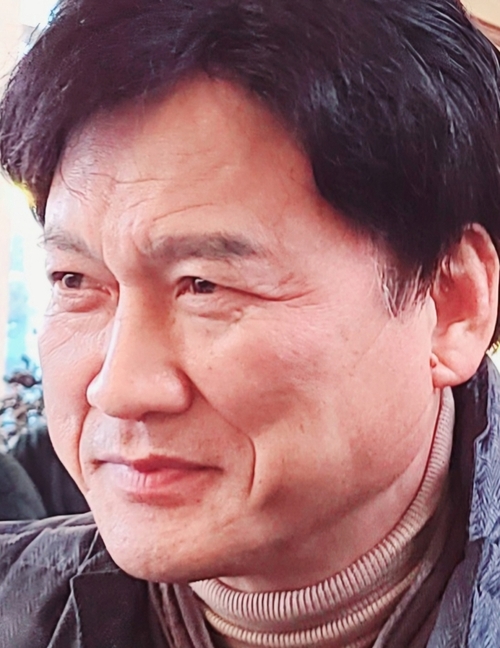
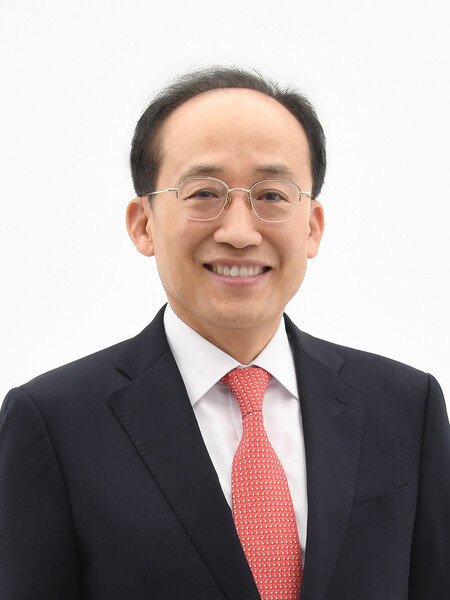
*필자/곽인옥 교수
 ▲필자/ 곽인옥 교수. ©브레이크뉴스 |
*아래는 위 기사를 '구글 번역'으로 번역한 영문 기사의 [전문]입니다. '구글번역'은 이해도 높이기를 위해 노력하고 있습니다. 영문 번역에 오류가 있을 수 있음을 전제로 합니다.<*The following is [the full text] of the English article translated by 'Google Translate'. 'Google Translate' is working hard to improve understanding. It is assumed that there may be errors in the English translation.>
Those Who Move the North Korean System - ⑧... "A Society Surviving on Medicine: A Country Where the Body Becomes Capital"
-Professor Kwak In-ok
Data Commentary: This data illustrates the structure in North Korea where "illness" is transformed from a means of rest to a survival crisis. Amidst the collapse of healthcare, the body becomes capital to be managed, not a subject of treatment. This visually explains the background behind the expansion of the herbal medicine market and informal healthcare.
In North Korea, illness is not an individual problem. It is a survival crisis. Being sick doesn't mean resting, but rather a signal that a swift resolution is needed. In a society where people can't afford to get sick, people first calculate: whether they can be treated, whether they can endure, and whether they can afford it.
Hospitals exist. Doctors exist. However, medicine is scarce, and treatment is incomplete. Diagnosis is possible, but recovery is an individual responsibility. The healthcare system remains a formality, while actual treatment takes place in everyday life. When sick, one must resolve the situation on one's own. That's why people go to the mountains rather than hospitals, and to the forest rather than pharmacies. Wild ginseng, bellflower root, astragalus membranaceus, Schisandra chinensis, and even unknown roots are packed into baskets. They are medicine and, at the same time, a means of survival.
Herbal medicine is not a health care product. It is a survival asset. It is a tool for healing the body, exchanging rice, and preventing debt. A sick person is not a patient, but a producer who must return to work. Recovery is preparation for the next life. This process does not end at the individual level. Middlemen are involved, brokers are connected, and the Chinese market is linked. Herbs dug from the mountains become commodities, and nature is incorporated into the market system.
In the herbal medicine market, there are prices, grades, and credit. Some herbs become rare, while others fall in value. Health is also evaluated according to market logic. The body becomes an economic unit.
In this society, the body is capital. A healthy body is an asset, while an ailing body is a liability. Prolonged illness can lead to household collapse, and medical expenses can turn into debt. Illness can lead to bankruptcy. That's why people don't rest even when they're sick. Even with a fever, they do business, even with pain, they work. They take medicine, endure, and persevere. Recovery becomes a luxury.
Perhaps this isn't regression, but a return. Wild boars in snow-covered winter mountains travel tens of miles in search of salt, for they can't survive without it. This isn't learning, it's instinct. Humans are no different. If you eat too blandly and ignore your body's signals, you'll end up with saline solutions at the hospital. A body that defies nature will return to it. North Koreans' reliance on herbal medicine follows the same principle. As systems crumble, humans revert to their oldest survival methods.
The state recognizes this reality, but doesn't fundamentally address it. Instead, it shifts responsibility to individuals under the guise of self-reliance. Instead of treating, it forces them to endure. The collapse of the medical system leads to market expansion. As official medicine weakens, the private medicine and herbal medicine industries grow. The state's decline creates private industries.
This system is dangerous. Unverified drugs are distributed, and incorrect treatments are repeated. However, options are limited. Unless you take risks, you can't survive. The most vulnerable are the elderly and children. Those without labor are valued less in the market and are also prioritized for treatment. The gap in survival leads to a gap in health.
Herbal medicine gathering isn't just labor. It's an information war. It requires knowing where and what is available, when to dig, and to whom to sell. Experience becomes a medical asset. Therefore, in this society, experience is the very essence of the medical system. Memories of who used which herbs for which ailments are passed down. Informal knowledge sustains the community. From the outside, it may seem primitive, but internally, it's the most rational choice. It's the result of residents filling in for areas the state doesn't take responsibility for.
This structure maintains the system. Society doesn't collapse because people heal and persevere on their own. Pain is distributed, and crises are personalized. But the cost is high. Bodies wear out, minds are exhausted, and unrecovered fatigue accumulates in society. Silent wounds accumulate.
North Korea's herbal medicine economy isn't a tradition. It's a survival system created after collapse. It's a market created by medical failure. In this society, health isn't a right. It's a skill that only those who can manage it can maintain. Those who can protect their bodies survive. So illness isn't the end. It's another starting point. We need to earn more, move more, and endure more.
North Korea's survival economy is ultimately built on physical strength. It's not policy that drives the system. It's the people who come out today, dragging their sick bodies. ▶ This article is part of the research on "Pyongyang's Hybrid Survival Economy."
*Author: Professor Kwak In-ok