▲자료해설 : 첫 그림은 평양 장마당이 단순한 소매장이 아니라, 식료품·의류·가정용품이 구역별로 조직된 종합 유통 플랫폼임을 보여준다. ©브레이크뉴스 |
 ▲자료해설 : 이그림은 허름한 소매상 뒤에 돈주·물주와 물류망이 결합된 이중 구조가 있음을 시각화한다. 즉, 장마당의 판매는 끝이 아니라 전국 유통의 출발점이다. ©브레이크뉴스 |
이 글은 평양 장마당, 특히 평양시 중구역에 있는 중구시장이 단순한 소매시장이 아니라 북한의 전국 유통 질서를 실질적으로 결정하는 핵심 노드임을 보여준다. 겉으로는 소박해 보이는 이 공간이 어떻게 물량·자본·유행의 방향을 설정하며 체제를 떠받치는지를 분석한다.
평양의 장마당을 처음 마주한 외부 관찰자들은 종종 실망한다. 상인들의 옷차림은 수수하고, 좌판은 소박하며, 번듯한 간판도 드물다. 중구역의 중구시장은 특히 그렇다. 그러나 이 허름한 외양은 실제 구조를 가린다. 중구시장은 평양은 물론 전국 유통을 움직이는 핵심 행위자들이 가장 밀집된 장소다.
중구시장의 상인들은 대체로 소매를 한다. 그러나 이 소매는 위장된 얼굴에 가깝다. 이들이 취급하는 물건의 상당수는 전국으로 흘러간다. 이들은 단순한 장사꾼이 아니라 자금과 물량을 동시에 통제하는 돈주이자 물주, 다시 말해 위장된 도매상(hidden wholesalers)이다. 거래는 좌판에서 시작되지만, 결정과 결산은 네트워크에서 이루어진다. 중구시장은 판매의 끝이 아니라 유통의 시작점이다.
이 시장의 힘은 연결성에서 나온다. 평양은 북한 유통의 기준을 만드는 도시이고, 중구시장은 그 기준이 가장 먼저 형성되는 장소다. 어떤 상품이 팔리는지, 어떤 디자인이 통하는지, 어느 가격대가 유지되는지는 이곳에서 시험된다. 지방 상인들은 중구시장의 흐름을 기준으로 움직인다. 좌판에 앉아 있지만, 이 상인들이 상대하는 것은 사실상 전국 시장이다.
평양 장마당의 또 다른 축은 외부와의 연결이다. 북경–평양 국제철도를 통해 오가는 외교관 가족들은 평양 소비시장의 중요한 공급 경로를 형성한다. 이들은 공식 외교 활동의 부속물이 아니라, 고급 소비재가 유입되는 비공식 유통 채널이다. 평양의 생활수준과 미적 기준에 맞는 의류와 잡화는 이 경로를 통해 들어온다. 평양에서 ‘검증된’ 상품의 상당수는 이 라인을 거친다.
이렇게 검증된 상품은 평양의 백화점과 주요 시장으로 진입한다. 흥미로운 점은 이 과정이 충돌 없이 이루어진다는 사실이다. 시장에서 검증된 상품은 제도권 유통으로 흡수되고, 제도권 유통은 다시 시장의 신뢰를 빌린다. 통제와 시장은 대립하지 않는다. 분업한다.
모든 상품이 평양에 머무는 것은 아니다. 유행이 지난 상품이나 대중성이 높은 품목은 평성을 거쳐 다른 형태로 확산된다. 평성에서는 동일한 디자인이 저가형, 이른바 ‘짝퉁’ 형태로 재생산·유통된다. 가격은 평양의 절반 수준이다. 품질은 낮지만 접근성은 높다. 이렇게 평양에서 형성된 유행은 평성을 통해 전국으로 확산된다. 평양이 기준을 만들고, 평성은 확산을 담당한다. 이것이 북한 시장의 위계적 유통 구조다.
중구시장 상인들의 진짜 힘은 드러나지 않는 데 있다. 이들은 축적을 과시하지 않고, 항상 한 단계 낮은 위치에 머문다. 소매상처럼 보이지만, 실제로는 도매와 유통의 방향을 결정한다. 체제에 맞서지 않고, 체제의 리듬을 읽으며 가장 안정적인 자리를 점한다.
그래서 평양 장마당은 혼란의 공간이 아니다. 그것은 국가가 모든 것을 설계하지 않아도 사회가 스스로 작동하게 만드는 또 하나의 질서다. 중구시장의 허름한 상인들은 이 질서의 설계자다. 이들이 좌판을 펼치는 한, 유통은 멈추지 않는다.
이 장마당 유통 구조는, 국가가 직접 생존을 제공하지 못하는 조건에서 사회가 스스로 위험을 흡수하며 작동하는 **PHSE (곽의 하이브리드 생존경제)**의 구체적 사례다. 평양 장마당, 특히 중구시장은 Kwak’s Law of Hybrid Survival이 일상 속에서 작동하는 현장이다.
겉으로는 소박하지만, 안으로는 가장 강력한 시장, 이것이 평양 장마당, 그리고 중구시장의 얼굴이다.
■ 제21회 핵심요약 (Analytical Summary)
Analytical Essays : The People Who Keep the System Running ⑬
평양 장마당의 얼굴 : 중구시장의 허름한 상인, 전국 유통을 움직이는 물주
1. 핵심 질문 (Core Question)
평양 장마당, 특히 중구시장은 단순한 소매시장이 아닌데, 실제로 어떤 기능을 수행하는가?
허름한 소매상은 어떻게 전국 유통을 움직이는 핵심 행위자가 되는가?
2. 주요 발견 (Key Findings)
평양 중구시장은 단순한 소비 공간이 아니라 북한 전국 유통 질서를 결정하는 핵심 노드다.
겉으로 소매를 하는 상인들 다수는 실제로 자금과 물량을 동시에 통제하는 ‘위장된 도매상(hidden wholesalers)’이다.
중구시장에서 검증된 상품은 평양 전역과 제도권 유통망으로 흡수되며, 실패한 상품은 조용히 사라진다.
평양은 기준을 생산하고, 평성은 이를 저가·대중형으로 확산시키는 위계적 분업 구조를 형성한다.
국가 유통망과 장마당 유통망은 충돌하지 않고, 분업과 흡수의 관계로 작동한다.
3. 이론적 함의 (Theoretical Implications)
북한의 장마당은 혼란의 결과물이 아니라, 국가 기능의 공백을 사회가 메우는 대체 질서다.
유통은 국가가 설계하지 않아도, 시장 행위자들의 선택을 통해 자율적으로 조직된다.
중구시장의 사례는, 국가가 생존을 직접 제공하지 못할 때 사회가 스스로 유통·위험·기준을 관리하는 **PHSE(Kwak’s Law of Hybrid Survival)**의 구체적 작동 방식이다.
이는 북한 특수 사례를 넘어, 제도 약화 사회 전반에 비교 적용 가능한 분석 틀을 제공한다.
4. 한 문장 요약 (One-Sentence Summary)
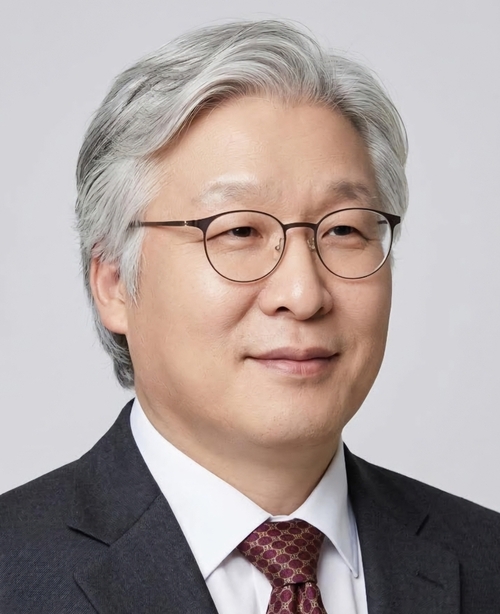
 ▲ 필자/곽인옥 교수. ©브레이크뉴스 |
평양 중구시장은 허름한 소매의 얼굴을 한 채, 북한 전체 유통 질서를 조정하는 하이브리드 생존경제의 핵심 공간이다.
▶ 『Kwak’s Law of Hybrid Survival (PHSE) When the state cannot provide survival, society invents a hybrid economy to keep the system alive.』
본 글은 필자의 【평양 하이브리드 생존경제 (PHSE)】 연구의 일부로, 장기간 현장 연구와 축적된 자료에 기반한 분석이다. 본문에 제시된 개념과 구조는 필자의 연구 성과임을 밝힌다.
*필자/곽인옥 교수
*아래는 위 기사를 '구글 번역'으로 번역한 영문 기사의 [전문]입니다. '구글번역'은 이해도 높이기를 위해 노력하고 있습니다. 영문 번역에 오류가 있을 수 있음을 전제로 합니다.<*The following is [the full text] of the English article translated by 'Google Translate'. 'Google Translate' is working hard to improve understanding. It is assumed that there may be errors in the English translation.>
North Korea, Those Who Move the System - ⑬... "The Face of Pyongyang's Jangmadang"
- Professor Kwak In-ok
Data Commentary: The first image shows that Pyongyang's Jangmadang is not simply a retail space, but a comprehensive distribution platform where groceries, clothing, and household goods are organized by district. The second image visualizes the dual structure behind the shabby retail stores, where money lenders, suppliers, and logistics networks intertwine. In other words, sales at the Jangmadang are not the end of the story, but the starting point of national distribution.
This article demonstrates that Pyongyang's Jangmadang, particularly Jung-gu Market in Pyongyang's Jung District, is not simply a retail market, but a key node that effectively determines North Korea's national distribution system. It analyzes how this seemingly unassuming space sets the direction of goods, capital, and trends, thereby supporting the system.
Outside observers encountering Pyongyang's Jangmadang for the first time are often disappointed. The merchants' attire is plain, the stalls are simple, and elaborate signs are rare. This is especially true for Jung-gu Market in Jung District. However, this shabby exterior conceals its true structure. Jung-gu Market is the most densely populated place for the key players driving distribution, not only in Pyongyang but across the country.
Merchants in Jung-gu Market are largely retailers. However, this retail is more like a disguised facade. A significant portion of their goods flow nationwide. They are not mere merchants; they are both moneylenders and vendors, in other words, hidden wholesalers who control both funds and volume. Transactions begin at the stalls, but decisions and settlements are made within the network. Jung-gu Market is not the end of sales, but the starting point of distribution.
The power of this market stems from its connectivity. Pyongyang is the city that sets the standards for North Korean distribution, and Jung-gu Market is where those standards are first established. It is here that the testing grounds are laid for what products sell, what designs work, and what price ranges are maintained. Local merchants operate based on the trends of Jung-gu Market. While they may sit at the stalls, they are actually dealing with the national market.
Another pillar of Pyongyang's marketplace is its connection to the outside world. Diplomats' families traveling via the Beijing-Pyongyang International Railway form a crucial supply chain for Pyongyang's consumer markets. They are not an accessory to official diplomatic activities, but rather an unofficial distribution channel for high-end consumer goods. Clothing and accessories that fit Pyongyang's standard of living and aesthetic standards enter the country through this route. A significant portion of Pyongyang's "verified" products pass through this network.
These verified products then enter Pyongyang's department stores and major markets. Interestingly, this process is non-conflicting. Products verified in the market are absorbed into the institutional distribution system, which in turn earns the market's trust. Control and the market are not in conflict; they are a division of labor.
Not all products remain in Pyongyang. Out-of-style or popular items pass through Pyongsong and are disseminated in different forms. In Pyongsong, identical designs are reproduced and distributed in lower-priced, so-called "knockoffs." Prices are half those in Pyongyang. While quality is lower, accessibility is high. Trends formed in Pyongyang then spread nationwide through Pyongsong. Pyongyang sets the standards, while Pyongsong handles expansion. This is the hierarchical distribution structure of North Korea's markets.
The true power of the Jung-gu Market merchants lies in their invisibility. They don't flaunt their accumulation, always remaining a step below. They appear to be retailers, but in reality, they dictate the direction of wholesale and distribution. They don't challenge the system, but rather, follow its rhythms, occupying the most stable positions.
Therefore, the Pyongyang market is not a place of chaos. It is another order, one in which society operates on its own, without the state having to design everything. The shabby merchants of Jung-gu Market are the architects of this order. As long as they set up shop, distribution continues uninterrupted.
This market distribution structure is a concrete example of **PHSE (Kwak's Hybrid Survival Economy)**, where society absorbs risks and operates independently in situations where the state cannot directly provide survival. Pyongyang's markets, and Jung-gu Market in particular, are a place where Kwak's Law of Hybrid Survival is put into practice in everyday life.
Outwardly humble, yet internally powerful, this is the face of Pyongyang's Jangmadang, and Jung-gu Market.
■ 21st Analytical Summary
Analytical Essays: The People Who Keep the System Running ⑬
The Face of Pyongyang's Jangmadang: The Shabby Merchants of Jung-gu Market, the Key Players of National Distribution
1. Core Questions
Pyongyang's Jangmadang, and especially Jung-gu Market, are not simply retail markets. What functions do they actually perform?
How do shabby retailers become key players in national distribution?
2. Key Findings
Pyongyang's Jung-gu Market is not simply a place for consumption; it is a key node that determines the national distribution system in North Korea.
Many merchants who appear to be engaged in retail are actually "hidden wholesalers" who control both funds and volume. Products verified in Jung-gu Market are absorbed into Pyongyang's wider distribution network and the institutionalized distribution system, while failed products quietly disappear.
Pyongyang produces standards, while Pyongsong disseminates them to lower-priced, mass-market markets, forming a hierarchical division of labor.
The state distribution network and the market distribution network do not conflict, but rather operate through a relationship of division and absorption.
3. Theoretical Implications
North Korea's markets are not the product of chaos, but rather an alternative order where society fills the void left by the state's functions.
Distribution is organized autonomously through the choices of market actors, without the need for state design.
The case of Jung-gu Market exemplifies the specific operation of **PHSE (Kwak's Law of Hybrid Survival)**, where society manages distribution, risk, and standards when the state fails to directly provide survival.
This provides an analytical framework applicable beyond the specific case of North Korea and can be compared across societies with weakened institutions.
4. One-Sentence Summary
Pyongyang's Jung-gu Market, with its shabby appearance, is a key space in the hybrid survival economy that regulates North Korea's entire distribution system.
▶ 『Kwak's Law of Hybrid Survival (PHSE) When the state cannot provide survival, society invents a hybrid economy to keep the system alive.』
This article is part of the author's research on the Pyongyang Hybrid Survival Economy (PHSE), an analysis based on long-term field research and accumulated data. The concepts and structures presented in this article are the author's own research findings.
*Author: Professor Kwak In-ok