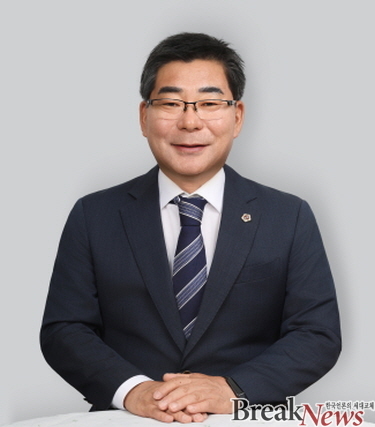
▲ 이재혁 부위원장, 대구 동구청장 출마선언 © 진예솔 기자 |
【브레이크뉴스 대구】진예솔 기자=국민의힘 이재혁 대구시당 부위원장이 3일 오전 11시 동구청장 출마를 공식 선언했다.
이 예비후보는 “동구를 대한민국 미래산업 국가전략거점으로 전환하겠다”고 강조하며, AI 데이터센터 유치와 탄소중립 항공혁신 특구 조성 등 산업 재편 청사진을 내놨다.
이날 이 후보는 동구가 공항 이전, 혁신도시, 동대구역, 팔공산, 금호강 등 핵심 자산을 두루 갖춘 전략적 입지임을 강조했다. 그러면서 “지금까지는 각 요소가 따로 움직여왔지만, 앞으로는 ‘AI+탄소중립 항공’이라는 하나의 큰 축으로 동구를 다시 설계하겠다”고 밝혔다.
핵심 추진 과제는 산업과 일자리 창출이다. 이 예비후보는 1~3조 원 규모의 AI 데이터센터를 유치해 청년 일자리 3천 개를 만들겠다는 목표를 내걸었다. 또, 혁신도시·의료복합단지·대학과 연계한 AI 산업 생태계 구축, K2 공군기지 후적지에는 전기·수소 기반 항공모빌리티, 지속가능항공연료, 저탄소 항공부품 산업이 집적된 특구 조성 방안을 내놓았다.
환경·관광 분야에서는 ‘보존과 활용의 균형’을 기치로 내세웠다. 팔공산은 국가숲길 지정으로 산림치유와 체류형 관광 인프라를 확충하고, 구름다리와 갓바위 케이블카는 경제성, 환경성, 안전성을 종합적으로 검토한 뒤 추진 여부를 결정하겠다는 입장이다. 금호강은 국가정원 조성과 동촌유원지 연계로 수변경제벨트로 발전시킨다는 계획도 제시했다.
이밖에도 다양한 지역 현안에 대한 해법을 내놨다. 공산댐 문제는 안전성과 환경성을 중심에 두고 재논의하되, 과학적이고 협력적인 접근을 강조했다. 공산동 상권은 규제 완화와 관광 전략을 동시에 추진해 회복을 꾀하겠다고 밝혔다. 경부선 철도와 고속도로 소음 문제는 정밀 소음지도 작성과 중앙정부 협력을 통해 국비를 확보하겠다는 계획이다.
전통상권 활성화를 위해서는 공공기관과 상권을 연결하는 소비 매칭 플랫폼, 전통시장 온라인 판매와 공동 마케팅, 야시장 확대 등 디지털 전환 전략도 내놓았다. 행정 전반에는 AI 기반 시스템을 도입해 소음·상권 소비·복지 수요를 데이터로 분석, ‘전략 설계형 행정’을 구현하겠다고 밝혔다.
이 후보는 “지방정부에 필요한 건 관리자가 아니라 전략 설계자”라며 “지역 국회의원들과 힘을 합쳐 국비 확보와 정책 실행력을 높이겠다”고 말했다.
한편 지역 정치권에서는 대규모 투자와 특구 지정의 실현 가능성, 전력과 부지, 환경영향 등 선결 과제들이 적지 않다는 지적이 나온다.
K2 후적지 개발 역시 군사·주민 동의와 환경영향평가 등 복잡한 절차가 필요해, 구체적인 로드맵 마련이 관건으로 꼽힌다.
데이터센터 유치의 경우 전력·냉각 인프라와 주민 수용성 문제가 선행되어야 한다는 의견도 있다.
다만 소음 저감과 상권 회복 같은 생활 밀착형 공약은 주민들의 체감도가 높을 것이란 평가가 나온다.
산업화 전략이 환경 보전 요구와 어떻게 균형을 이룰지, 그리고 제시한 청사진이 실제 실행계획으로 이어질지가 이번 선거의 주요 검증 포인트가 될 전망이다.
<구글 번역으로 번역한 영문 기사의 전문 입니다. 번역에 오류가 있을 수 있음을 밝힙니다.>
Lee Jae-hyuk, Vice Chairman of the People Power Party's Daegu City Chapter, officially announced his candidacy for Dong-gu Mayor at 11:00 AM on the 3rd.
Lee, the preliminary candidate, emphasized, "I will transform Dong-gu into a national strategic hub for Korea's future industries," and laid out a blueprint for industrial restructuring, including attracting an AI data center and establishing a carbon-neutral aviation innovation special zone.
Lee emphasized Dong-gu's strategic location, boasting key assets such as the airport relocation, innovation city, Dongdaegu Station, Palgongsan Mountain, and the Geumho River. He added, "Until now, each element has operated independently, but going forward, I will redesign Dong-gu with a single, overarching axis of 'AI + carbon-neutral aviation.'"
The core priorities are industry and job creation. Lee has set a goal of attracting an AI data center worth 1 to 3 trillion won and creating 3,000 jobs for young people. Furthermore, the government proposed establishing an AI industry ecosystem linked to innovation cities, medical complexes, and universities, and establishing a special zone on the former site of the K2 Air Force Base to focus on electric and hydrogen-based aviation mobility, sustainable aviation fuel, and low-carbon aviation parts.
In the areas of environment and tourism, the government advocated a "balance between conservation and utilization." Palgongsan Mountain will be designated a national forest trail to expand forest healing and residential tourism infrastructure. The decision on whether to proceed with the Cloud Bridge and Gatbawi Cable Car will be made after a comprehensive review of economic, environmental, and safety considerations. The government also proposed developing the Geumho River into a waterfront eco-belt by creating a national garden and linking it with Dongchon Recreation Area.
The government also proposed solutions to various local issues. Regarding the Gongsan Dam issue, the government emphasized a scientific and cooperative approach, emphasizing the need for a re-discussion focused on safety and environmental considerations. The government also announced plans to simultaneously pursue deregulation and tourism strategies to revitalize the Gongsan-dong commercial district. The plan is to secure national funding through the creation of precise noise maps and cooperation with the central government to address the noise issues on the Gyeongbu Line and highways.
To revitalize traditional commercial districts, the government also unveiled a digital transformation strategy, including a consumer matching platform connecting public institutions and commercial districts, online sales and joint marketing at traditional markets, and the expansion of night markets. Furthermore, the government announced plans to implement an AI-based system across the administration, analyzing data on noise, commercial consumption, and welfare needs to implement a "strategic planning-based administration."
Candidate Lee stated, "Local governments need strategic planners, not administrators," and added, "I will work with local lawmakers to secure national funding and enhance policy implementation."
Meanwhile, local politicians point out that numerous prerequisites remain, including the feasibility of large-scale investment and special zone designation, power and land management, and environmental impact.
The K2 development project also requires complex procedures, including military and resident consent and an environmental impact assessment, making the development of a detailed roadmap crucial.
Some argue that securing power and cooling infrastructure, as well as resident acceptance, should be prioritized for data center development.
However, it is expected that pledges closely related to daily life, such as noise reduction and commercial district revitalization, will resonate deeply with residents.
How the industrialization strategy balances environmental conservation demands and whether the proposed blueprint translates into actual implementation plans will be key points of verification in this election.
원본 기사 보기:브레이크뉴스 대구경북