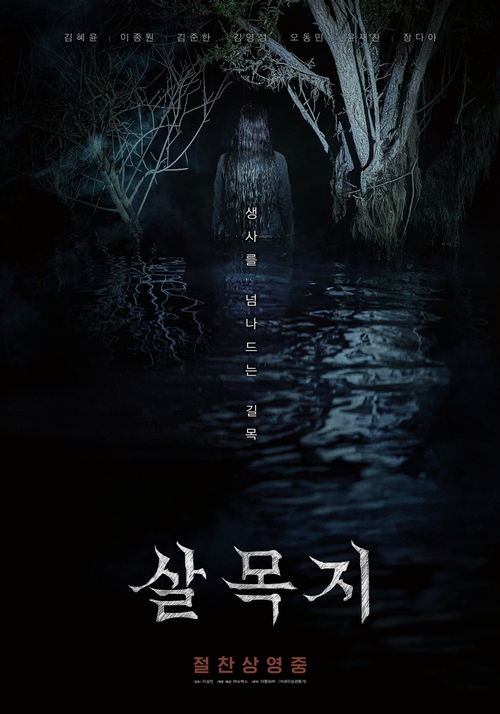
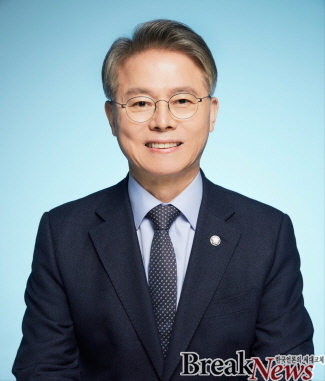
▲이석연 대통령 직속 국민통합위원장의 저서 표지. ©브레이크뉴스 |
대한민국 정치에서 권력구조 개편 논의는 늘 반복되어 왔다. 특히 “제왕적 대통령제”라는 표현이 상징하듯 강력한 대통령 권한은 한국 정치의 고질적인 논쟁거리였다. 최근 출간된 이석연 대통령 직속 국민통합위원장의 책 ‘소신(所信)’은 이러한 문제의식을 다시 환기시키는 계기를 제공한다. 이 책은 단순한 정치 회고록이 아니라 민주주의와 헌법의 의미, 권력의 책임성, 그리고 정치 지도자의 태도를 성찰하는 일종의 헌정 철학서에 가깝다.
법조인 출신인 이석연 위원장은 책에서 “권력은 국민을 두려워해야 한다”는 원칙을 강조한다. 그는 권력이 한 사람에게 집중될 때 민주주의가 왜 흔들리는지를 역사적 사례와 헌정 원리를 통해 설명하면서, 권력과 책임이 분리된 정치 구조가 결국 정치적 비극을 낳을 수 있다고 지적한다. 특히 그는 대통령 탄핵을 정치적 보복이 아니라 헌법이 스스로를 지키기 위한 자기 통제 장치로 해석하며, 민주주의는 갈등이 없는 체제가 아니라 헌법의 틀 안에서 갈등을 관리하는 체제라는 점을 강조한다.
이 책에서 특히 주목되는 부분은 대통령 연임제를 통한 권력구조 개편 주장이다. 그는 첫 임기 동안 대통령이 국민의 평가를 받고, 그 결과에 따라 연임 여부가 결정되는 구조가야말로 책임정치를 제도화하는 가장 정직한 방식이라고 주장한다. 권력은 행사되지만 그에 대한 정치적 책임이 제대로 묻지 못하는 한국 정치의 구조적 문제를 제도적으로 해결해야 한다는 문제의식이다.
실제로 한국의 현행 제도인 5년 단임제는 역사적 맥락 속에서 만들어졌다. 군사정권 시절 장기 집권을 막기 위한 장치였다는 점에서 당시에는 분명한 의미가 있었다. 그러나 민주화 이후 수십 년이 지난 지금, 단임제는 또 다른 한계를 드러내고 있다. 대통령은 취임 직후부터 사실상 재선이 불가능한 상태에서 임기를 시작하기 때문에 정치적 인센티브 구조가 약하다. 정책 성과에 대한 국민의 재평가가 제도적으로 연결되지 못하고, 임기 중반을 넘어서면 차기 권력 경쟁이 시작되면서 조기 레임덕 현상이 반복되는 것도 이러한 구조와 무관하지 않다.
이런 점에서 미국식 대통령 연임제는 하나의 대안으로 논의될 수 있다. 미국의 경우 대통령은 4년 임기 후 한 차례 재선을 통해 최대 8년까지 집권할 수 있다. 이 제도의 핵심은 단순히 임기를 늘리는 것이 아니라 권력과 책임을 연결하는 정치적 인센티브 구조에 있다. 첫 임기 동안 정책 성과가 좋지 않으면 국민은 재선을 허용하지 않을 수 있고, 반대로 성과가 있다면 두 번째 임기를 통해 정치적 보상을 제공할 수 있다. 즉, 선거를 통해 권력에 대한 사후 평가가 제도적으로 작동한다.
또한 연임제는 정책의 시간 지평을 넓힌다는 장점도 있다. 단임제에서는 정권 교체 때마다 정책이 급격히 바뀌는 경우가 많다. 경제 정책이나 산업 전략처럼 장기적인 계획이 필요한 분야에서는 이러한 불연속성이 국가 경쟁력을 약화시킬 수 있다. 반면 연임제에서는 최소 8년의 정책 시계를 가질 수 있어 국가 전략의 일관성을 확보하는 데 도움이 될 수 있다.
물론 연임제가 모든 문제를 해결하는 것은 아니다. 미국 정치가 비교적 안정적으로 작동하는 이유는 연임제뿐 아니라 강력한 의회 권한, 사법부 독립, 권력 분산 구조가 함께 존재하기 때문이다. 따라서 한국이 연임제를 도입하려면 단순히 임기 구조만 바꾸는 것이 아니라 국회의 견제 기능 강화와 권력기관 독립 같은 제도적 보완도 함께 논의해야 한다.
 ▲필자/ 이양승 군산대 교수. ©브레이크뉴스 |
결국 권력구조 개편 논의의 핵심은 ‘임기’가 아니라 권력과 책임을 어떻게 연결할 것인가라는 질문에 있다. 이석연의 ‘소신’이 던지는 메시지도 여기에 있을 것 같다. 권력은 강하지만 책임을 묻기 어려운 정치 구조는 민주주의를 건강하게 만들기 어렵다. 국민이 권력을 평가하고 다시 선택할 수 있는 구조, 즉 책임정치가 작동하는 제도를 고민해야 한다는 것이다.
개헌 논의는 특정 정권의 유불리를 따지는 정치적 논쟁이 되어서는 안 된다. 그것은 대한민국 민주주의의 다음 단계를 설계하는 문제다. 그런 의미에서 ‘소신’은 단순한 정치 담론을 넘어, 한국 정치가 어떤 권력 구조 위에서 미래를 설계해야 하는지를 다시 생각하게 만드는 하나의 문제 제기라고 할 수 있다. yslee1992@hotmail.com
*필자/이양승
군산대 교수. 국제경제, 게임이론 그리고 지역 발전전략에 대해 연구하는 학자이다. 현재 국립 군산대 무역학과 교수로 재직 중이다. 이전엔 캐나다 앨버타 대학교(University of Alberta) 경제학과에서 ‘게이임(gaming)’에 대해 연구와 강의를 했으며, 한국건설산업연구원에서 연구위원으로 근무했다.
전북 남원에서 출생해 전주한일고와 전북대 상과대학을 졸업했다. 이후 미국으로 건너가 노스 캐롤라이나 주립대학교 (North Carolina State University)에서 통계학과 경제학을 공부해 석사를 받았으며, 캔자스 대학교(The University of Kansas)에서 산업조직과 게임이론에 대한 연구로 경제학 박사를 받았다.
저서로는 '메트로 이코노미 (타임라인)'과 ‘와일드 게임이론 (박영사)’, ‘무역학개론(공저, 두남)’, ‘문화지체에 빠진 건설산업 (공저, 한국건설산업연구원)’ '자유무역론(박영사)' 등이 있고, 36편의 단독연구 학술논문이 있다.
*아래는 위 기사를 '구글 번역'으로 번역한 영문 기사의 [전문]입니다. '구글번역'은 이해도 높이기를 위해 노력하고 있습니다. 영문 번역에 오류가 있을 수 있음을 전제로 합니다.<*The following is [the full text] of the English article translated by 'Google Translate'. 'Google Translate' is working hard to improve understanding. It is assumed that there may be errors in the English translation.>
The Book "Soshin (所信)" Raises Questions... "Responsible Politics and the Discussion of Constitutional Amendments for the Presidential Two-Term System"
Lee Seok-yeon, a former lawyer, emphasizes the principle that "power must fear the people."
- Professor Lee Yang-seung, Kunsan National University
Discussions on restructuring the power structure have been recurring in Korean politics. In particular, as symbolized by the term "imperial presidency," the strong presidential authority has been a persistent source of debate in Korean politics. The recently published book "Soshin (所信)" by Lee Seok-yeon, chairman of the Presidential Committee for National Unity, offers a renewed awareness of these issues. This book is not a mere political memoir; it is more like a constitutional philosophy that reflects on the meaning of democracy and the Constitution, the accountability of power, and the attitudes of political leaders.
Lee Seok-yeon, a former lawyer, emphasizes the principle that "power must fear the people." He explains why democracy falters when power is concentrated in a single person, drawing on historical examples and constitutional principles. He points out that a political structure that separates power and responsibility can ultimately lead to political tragedy. He interprets presidential impeachment not as political retaliation but as a self-regulating mechanism for the Constitution to protect itself. He emphasizes that democracy is not a system free from conflict, but rather a system that manages conflict within the constitutional framework.
A particularly noteworthy aspect of this book is his argument for restructuring the power structure through a two-term presidential system. He argues that a system in which the president is evaluated by the public during his first term, and whether he is reappointed based on that evaluation, is the most honest way to institutionalize responsible politics. He recognizes the need for institutional solutions to the structural problem of Korean politics, where power is exercised but political accountability is lacking.
Indeed, Korea's current five-year single-term system was created within a historical context. It had clear significance at the time, as a device to prevent long-term rule under military rule. However, decades after democratization, the single-term system has revealed yet another limitation. Because the president begins his term with virtually no reelection possible immediately after taking office, the political incentive structure is weak. This lack of institutional connection to public reevaluation of policy performance, coupled with the onset of a power struggle after the midpoint of his term, often leads to repeated instances of early lame-duck presidency.
In this context, the American-style two-term presidential system can be considered as an alternative. In the United States, a president can serve a four-year term and then be re-elected for a maximum of eight years. The core of this system lies not in simply extending the term, but in the political incentive structure that links power and responsibility. If policy performance is poor during the first term, the public may reject re-election, while conversely, if performance is positive, a second term can provide political rewards. In other words, ex post facto evaluation of power through elections is institutionally implemented.
The two-term system also has the advantage of broadening the time horizon of policy. Under single-term systems, policies often change rapidly with each change in administration. In areas requiring long-term planning, such as economic policy or industrial strategy, this discontinuity can weaken national competitiveness. On the other hand, a two-term system allows for a policy horizon of at least eight years, which can help ensure consistency in national strategy.
Of course, a two-term system doesn't solve all problems. The relative stability of American politics stems not only from the two-term system but also from the strong legislative power, an independent judiciary, and a structure of decentralized power. Therefore, if Korea were to introduce a two-term system, it would require not simply changing the term structure but also discussing institutional improvements, such as strengthening the National Assembly's checks and balances and the independence of power agencies.
Ultimately, the core of the discussion on power structure reform lies not in "terms," but in the question of how to connect power and accountability. This is likely the message conveyed by Lee Seok-yeon's "conviction." A political structure that empowers power but makes it difficult to hold accountable undermines a healthy democracy. We must consider a system that allows the people to evaluate and re-elect those in power—in other words, a system that fosters responsible politics.
The discussion on constitutional amendment should not be a political debate about the pros and cons of a particular administration. It is about designing the next stage of South Korean democracy. In that sense, "Conviction" goes beyond mere political discourse; it raises a question that forces Korean politics to reconsider the power structure within which it should plan its future. yslee1992@hotmail.com
*Author/Yangseung Lee
Professor at Kunsan National University. He researches international economics, game theory, and regional development strategies. He currently serves as a professor in the Department of International Trade at Kunsan National University. Previously, he researched and lectured on "gaming" in the Department of Economics at the University of Alberta, Canada, and served as a research fellow at the Construction and Economy Research Institute of Korea.
Born in Namwon, North Jeolla Province, he graduated from Jeonju Hanil High School and the College of Commerce at Chonbuk National University. He later moved to the United States, where he earned a master's degree in statistics and economics from North Carolina State University and a doctorate in economics from the University of Kansas, focusing on industrial organization and game theory.
His books include 'Metro Economy (Timeline),' 'Wild Game Theory (Parkyoungsa),' 'Introduction to Trade Studies (co-authored, Doonam),' 'The Construction Industry in Cultural Lag (co-authored, Korea Construction Industry Research Institute),' and 'Free Trade Theory (Parkyoungsa),' and he has published 36 independent academic papers.