▲자료해설 : 돈주 침묵을 구매하는 자본. 돈주는 권력을 직접 장악하지 않지만 자본을 통해 행정과 단속 구조와 협상하며 경제 활동의 공간을 확보한다. 이 과정에서 돈은 단순한 뇌물이 아니라 체제의 마찰을 줄이고 시장 활동을 가능하게 하는 비용 구조로 작동한다. ©브레이크뉴스 |
 ▲자료해설 : 인민반장 가장 먼저 감지하는 센서. 인민반장은 북한 사회의 가장 기초적인 감시·조정 장치로서 주민들의 일상 활동과 변화를 가장 먼저 감지하는 역할을 수행한다. 그는 단순한 감시자가 아니라 지역 내 갈등과 문제를 외부로 확산시키기 전에 내부에서 조정하려는 체제의 1차 완충 장치로 기능한다. ©브레이크뉴스 |
 ▲자료해설 : 안전원 위반보다 파장을 관리하는 통제 장치. 안전원은 모든 위반 행위를 즉각 단속하기보다 사회적 파장이 발생하는지를 우선적으로 판단한다. 평양의 질서가 유지되는 한 개입을 최소화하지만, 질서가 흔들릴 경우 개입하는 최종 통제 장치로 기능한다. ©브레이크뉴스 |
평양에서 질서는 명령으로만 유지되지 않는다. 명령은 위에 있지만, 질서는 아래에서 정리된다. 이 글이 보여주고자 하는 것은 바로 그 정리의 메커니즘이다. 평양의 일상은 돈주–인민반장–안전원이라는 세 행위자가 단계적으로 작동하는 구조 속에서 하루씩 넘어간다.
돈주는 자본을 가진 사람이다. 그러나 그는 권력을 갖지 않는다. 평양에서 돈은 드러나는 순간 위험해진다. 그래서 돈주는 조용해야 하고, 조용하기 위해 관계를 관리한다. 돈주는 규칙을 바꾸지 않는다. 대신 상황을 바꾼다. 문제가 커지기 전에, 소란이 되기 전에 비용을 투입한다.
인민반장은 그 상황을 가장 먼저 감지하는 사람이다. 누가 장사를 키우는지, 어느 집이 눈에 띄기 시작했는지, 어떤 움직임이 시끄러워질 가능성이 있는지 그는 알고 있다. 인민반장은 감시자이면서 동시에 중개자다. 문제가 내부에서 정리될 수 있으면 그렇게 한다. 정리되지 않을 것 같을 때만 위로 올린다.
안전원은 마지막 단계에 있다. 그는 법과 규정을 들고 움직이지만, 모든 위반을 동일하게 다루지 않는다. 안전원이 보는 것은 위반 그 자체가 아니라 파장이다. 조용하면 깊이 들어가지 않고, 시끄러워지면 새벽에 들어온다. 평양에서 단속은 차단이 아니라 타이밍의 문제다.
이 셋의 관계는 문서로 합의되지 않는다. 계약도 없고, 규정표도 없다. 대신 감각이 있다. 어디까지 허용되는지, 언제 멈춰야 하는지, 누가 대신 부담해야 하는지에 대한 생활 감각이다. 이 감각은 일상 속에서 축적된다.
문제가 생기면 인민반장이 먼저 움직인다. 내부에서 해결될 수 있으면 그렇게 한다. 이때 돈주가 개입한다. 휘발유를 대신 내고, 동원비용을 부담하고, 시끄러움을 돈으로 눌러 놓는다. 이것은 뇌물이 아니다. 조용함을 유지하기 위한 거래비용이다. 법을 사는 돈이 아니라, 사건을 만들지 않기 위한 비용이다.
그래도 조용해지지 않으면 그때 안전원이 등장한다. 새벽 검열이 시작되고, 숙박 기록이 열리며, 전기와 영상, 관계가 점검된다. 이 단계까지 오면 누구도 이득이 없다. 그래서 대부분의 문제는 그 이전 단계에서 정리된다. 평양의 질서는 이렇게 단계적으로 관리된다.
이 구조에서 중요한 것은 힘의 크기가 아니라 위치와 순서다. 돈주는 아래에 있지만 현실을 움직이고, 인민반장은 가운데에서 흐름을 조정하며, 안전원은 위에 있지만 가장 늦게 등장한다. 셋은 서로를 경쟁자로 보지 않는다. 각자의 역할을 알고 있다.
그래서 평양은 겉보기보다 조용하다. 통제가 강해서가 아니다. 조용함을 유지하는 관계와 비용, 그리고 순서가 촘촘하기 때문이다. 큰 사건보다 작은 조정이 많고, 공개 처벌보다 사전 정리가 많다. 이것이 평양의 일상이다.
평양은 무너지지 않는 것이 아니다. 소란이 커지기 전에 눌러 두는 구조를 갖고 있을 뿐이다. 돈주, 인민반장, 안전원은 그 구조의 서로 다른 층에 서 있다. 그리고 이 층위들이 하루씩 체제를 넘긴다.
■ 제26회 핵심요약 (Analytical Summary)
Analytical Essays : The People Who Keep the System Running ⑱
질서를 관리하는 사람들 : 인민반장은 평양을 어떻게 하루씩 넘기게 하는가.
1. 핵심 질문 (Core Question)
북한, 특히 평양에서 질서는 명령이나 강제만으로 유지되는가?
아니면 일상 속에서 작동하는 비공식적 관리 메커니즘이 체제를 실제로 떠받치고 있는가?
2. 주요 발견 (Key Findings)
평양의 일상 질서는 돈주–인민반장–안전원이라는 세 행위자가 단계적으로 작동하는 구조를 통해 유지된다.
이들은 공식 조직표에 함께 등장하지 않지만, 실제 생활에서는 항상 연결되어 작동한다.
문제는 즉각 처벌되지 않고, ① 인민반장의 내부 조정 → ② 돈주의 비용 투입 → ③ 안전원의 최종 개입이라는 순서를 거쳐 관리된다.
평양에서 중요한 것은 위반 행위 자체가 아니라 파장과 소란의 크기다.
3. 이론적 함의 (Theoretical Implications)
북한의 통치는 전면적 억압이 아니라 단계적 조정과 비용 분산 메커니즘으로 작동한다.
여기서 돈은 뇌물(bribe)이 아니라 **조용함을 유지하기 위한 거래비용(transaction cost)**이다.
질서는 위에서 강제되는 것이 아니라, 아래에서 관리되고 흡수되는 과정을 통해 유지된다.
이는 『평양 하이브리드 생존경제(PHSE)』가 설명하는 생활 단위 기반 하이브리드 통치 구조의 핵심 사례다.
4. 한 문장 요약 (One-Sentence Summary)
평양의 질서는 명령으로 유지되지 않으며, 돈주·인민반장·안전원이 순차적으로 개입하는 생활 기반 조정 구조를 통해 하루씩 관리된다.
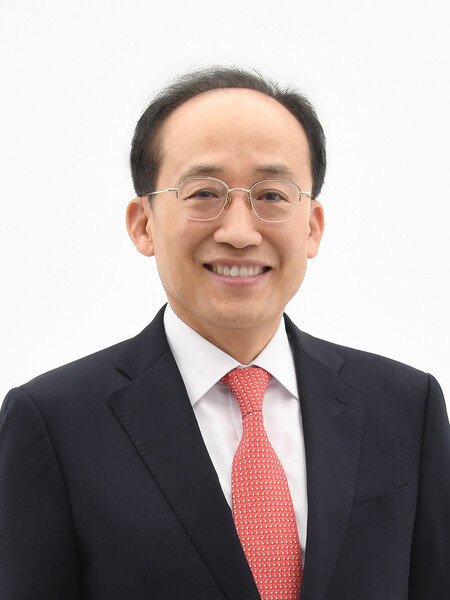
 ▲필자/ 곽인옥 교수. ©브레이크뉴스 |
▶ 『Kwak’s Law of Hybrid Survival (PHSE) When the state cannot provide survival, society invents a hybrid economy to keep the system alive.』
<본 글은 필자의 【평양 하이브리드 생존경제 (PHSE)】 연구의 일부로, 장기간 현장 연구와 축적된 자료에 기반한 분석이다. 본문에 제시된 개념과 구조는 필자의 연구 성과임을 밝힌다. >
*필자/곽인옥 교수
*아래는 위 기사를 '구글 번역'으로 번역한 영문 기사의 [전문]입니다. '구글번역'은 이해도 높이기를 위해 노력하고 있습니다. 영문 번역에 오류가 있을 수 있음을 전제로 합니다.<*The following is [the full text] of the English article translated by 'Google Translate'. 'Google Translate' is working hard to improve understanding. It is assumed that there may be errors in the English translation.>
People Who Move the North Korean System - ⑱ "The People's Unit Leader: Pyongyang's Day Management Method"
- Professor Kwak In-ok
Explanation: Capital Buys the Silence of the Donju
Donju do not directly control power, but use capital to negotiate with administrative and regulatory structures, securing space for economic activity. In this process, money is not simply a bribe; it functions as a cost structure that reduces friction within the system and enables market activity.
Explanation: The People's Unit Leader: The First Sensor to Detect Changes
The People's Unit Leader is the most fundamental surveillance and coordination mechanism in North Korean society, acting as the first to detect changes in residents' daily activities. He is not a mere watchdog; he serves as the system's primary buffer, seeking to internally coordinate local conflicts and issues before they escalate externally.
Explanation: The Safety Commission: A Controlling Device, Managing Repercussions Rather than Immediately Cracking Down on All Violations
The Safety Commission prioritizes assessing whether social repercussions will occur rather than immediately cracking down on all violations. Intervention is minimized as long as order is maintained in Pyongyang, but acts as the final control mechanism, intervening when order is disrupted.
In Pyongyang, order isn't maintained solely through command. Command comes from above, but order is established from below. This article seeks to illustrate the very mechanism of this ordering. Everyday life in Pyongyang unfolds within a structure where three actors—the donju, the inminban leader, and the security agent—operate in stages.
The donju possesses capital. However, he doesn't hold power. In Pyongyang, money becomes dangerous the moment it's exposed. Therefore, the donju must remain quiet, and to maintain this quietness, he manages relationships. The donju doesn't change the rules. Instead, he changes the situation. He invests money before problems escalate, before they become disturbances.
The inminban leader is the first to sense the situation. He knows who is expanding their business, which houses are beginning to stand out, and which movements are likely to become troublesome. The inminban leader is both a watchdog and a mediator. If a problem can be resolved internally, he does so. Only when it seems impossible is it escalated.
The security agent is the final tier. He enforces laws and regulations, but not all violations are treated equally. What the security officers see isn't the violation itself, but the repercussions. If it's quiet, they don't delve deep, but if it gets noisy, they come in at dawn. In Pyongyang, crackdowns aren't about blocking, but about timing.
The relationship between these three isn't agreed upon in writing. There are no contracts or rules. Instead, there's a sense of what's allowed, when it should stop, and who should shoulder the burden. This sense accumulates over time.
When a problem arises, the inminban leader takes the initiative. If it can be resolved internally, they do. This is where the donju (donju) intervene. They pay for gasoline, shoulder mobilization costs, and suppress the noise with money. This isn't bribery; it's a transaction cost for maintaining peace. It's not about buying the law, but about preventing incidents.
If silence persists, then the security officers step in. Dawn inspections begin, lodging records are opened, and electricity, video, and communication are inspected. At this stage, no one benefits. Therefore, most problems are resolved at an earlier stage. This is how order in Pyongyang is managed in stages.
In this structure, what matters is not the size of power, but position and order. The donju are at the bottom, but they control reality; the inminban chief is in the center, controlling the flow; and the security agents are at the top, but they come in last. These three don't see each other as competitors. They understand their roles.
That's why Pyongyang is quieter than it appears. This isn't because control is tight. It's because of the relationships, costs, and meticulous procedures that maintain this calm. Small-scale interventions outnumber major incidents, and preemptive measures outnumber public punishments. This is everyday life in Pyongyang.
Pyongyang isn't indestructible. It simply has a structure that suppresses disturbances before they escalate. The donju, inminban chief, and security agents occupy different levels of this structure. And these layers keep the system running, day by day.
■ 26th Key Summary (Analytical Summary)
Analytical Essays: The People Who Keep the System Running ⑱
People Who Maintain Order: How Do Inminban Chiefs Keep Pyongyang Running, Day by Day?
1. Core Question
Is order maintained solely through command or coercion in North Korea, especially in Pyongyang?
Or are informal management mechanisms operating in everyday life actually the foundation of the system?
2. Key Findings
Pyongyang's everyday order is maintained through a structure in which three actors—the donju, the inminban (people's unit leader), and the security agents—operate in a tiered manner.
While these actors do not appear together in the official organizational chart, they are always interconnected in real life.
Problems are not immediately punished, but rather managed through a sequence of actions: ① internal coordination by the inminban (people's unit leader), ② infusion of funds by the donju, and ③ final intervention by the security agents.
What matters in Pyongyang is not the violation itself, but the magnitude of the repercussions and disturbance.
3. Theoretical Implications
North Korean rule operates not through all-out oppression, but through tiered coordination and cost-sharing mechanisms.
Here, money is not a bribe, but rather a transaction cost for maintaining peace. Order is not imposed from above, but is maintained through a process of management and absorption from below.
This is a core example of the hybrid governance structure based on living units described in "Pyongyang Hybrid Survival Economy (PHSE)".
4. One-Sentence Summary
Order in Pyongyang is not maintained by command, but is managed daily through a living-based coordination structure in which the donju (donju), inminban (people's unit) leaders, and security agents sequentially intervene.
▶ "Kwak's Law of Hybrid Survival (PHSE) When the state cannot provide survival, society invents a hybrid economy to keep the system alive."
<This article is part of the author's research on "Pyongyang Hybrid Survival Economy (PHSE)" and is an analysis based on long-term field research and accumulated data. The concepts and structures presented in this article are the author's own research findings.>
*Author: Professor Kwak In-ok