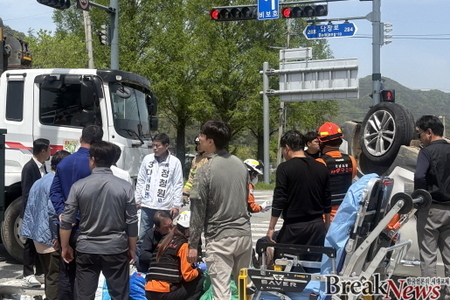
▲ 경상남도가 올해 1,162억 원의 예산을 투입해 ‘경남형 지역혁신 대학지원체계(라이즈, RISE)’를 본격 추진한다. |
[브레이크뉴스=이성용 기자] 경상남도가 대학 교육의 패러다임을 '공급자(대학)' 중심에서 '수요자(기업·지역)' 중심으로 완전히 뒤바꾼다. 경남도는 6일 박완수 도지사 주재로 ‘경남지역혁신대학지원위원회’를 열고, 총 1,162억 원 규모의 2026년도 경남 라이즈(RISE) 시행계획을 최종 확정했다.
지난해 국립창원대와 LG전자가 보여준 냉난방공조(HVAC) 협력 모델이나 경남대·인제대의 미래차 채용 약정 같은 성공 사례를 도내 모든 대학으로 확대한다.
24개 기업이 참여하는 주문식 트랙을 항공 제조 등 전략 산업 전반으로 넓혀, 학생이 입학과 동시에 본인의 '미래 직장'을 체감하며 공부할 수 있는 구조를 만든다. 이를 위해 원전, 방산 등 주력 산업별 협의체가 대학 커리큘럼 설계에 직접 참여하는 '기업 주문형 교육'이 상설화된다.
디지털 전환 시대에 발맞춰, 경남도는 도내 모든 대학 사업에 인공지능(AI) 융합 교육을 필수 요소로 배치했다. 이제 경남의 대학생들은 전공에 상관없이 산업 현장에서 즉시 활용 가능한 AI 실무 역량을 갖추게 된다.
여기에 더해 ‘전주기 취업 지원 체계’가 도입된다. 입학부터 취업 후 지역 정착까지 학생의 이력을 도가 직접 관리한다. 이는 대학의 '유지취업률'을 높이는 동시에 청년들이 경남을 떠나지 않고 정착하게 만드는 강력한 '지역 락인(Lock-in) 효과'를 노린 포석이다.
경남도는 이번 사업의 컨트롤타워 역할을 강화하기 위해 ‘지산학연 온라인 네트워크 플랫폼’을 구축한다. 도청과 대학, 경남테크노파크, 한국산업단지공단이 실시간으로 구인·구직 정보와 연구 자원을 공유하는 '디지털 협력 지도'를 만든다.
평가 방식도 파격적이다. 기존의 '돈을 얼마나 썼는가'라는 정량적 평가를 과감히 버리고, ▲청년 인구 유출 감소율 ▲산업 인력 미스매치 해소도 ▲지역 변화 파급효과(Impact) 등 실질적인 변화를 측정하는 혁신 지표를 도입해 사업의 긴장감을 높일 계획이다.
박완수 도지사는 “경남은 최근 지역 주력산업이 활성화되면서 경제와 인구 등 여러 지표에서 긍정적인 변화가 나타나고 있다”며 “일자리가 늘면서 특히 30대를 중심으로 인구 유입이 증가하는 등 지역에 희망적인 흐름이 이어지고 있다”고 말했다. 이어 “이러한 변화 속에서 대학과 산업 간 연계도 점차 강화되고 있으며, 라이즈 사업이 이러한 흐름을 더욱 체계적으로 뒷받침하는 역할을 할 것”이라고 강조했다.
또 “지역 산업이 성장하면 대학도 산업 수요에 맞는 인재 양성과 교육 혁신으로 경쟁력을 높이고, 이는 다시 지역 발전으로 이어지는 선순환 구조를 만들 수 있다”며 “대학과 산업계, 전문가들의 다양한 의견을 정책 추진 과정에 적극 반영해 지역 혁신과 인재 양성 기반을 더욱 강화해 나가겠다”고 밝혔다.
*아래는 위 기사를 '구글 번역'으로 번역한 영문 기사의 [전문]입니다. '구글번역'은 이해도 높이기를 위해 노력하고 있습니다. 영문 번역에 오류가 있을 수 있음을 전제로 합니다.
*Below is the [full text] of the English article translated using ‘Google Translate’.‘Google Translate’ is working to increase understanding.It is assumed that there may be errors in the English translation.
Gyeongsangnam-do Province Accelerates 'RISE Revolution' with KRW 116.2 Billion Investment
Implementation Plan Finalized on the 6th… LG-KAI-Style 'Recruitment Guaranteed Model' Expands to All Universities in the Province
Gyeongsangnam-do Province is completely shifting the paradigm of higher education from a 'supply (universities)'-centered approach to a 'demand (companies and regions)'-centered approach. On the 6th, Gyeongsangnam-do Province held a meeting of the 'Gyeongsangnam-do Regional Innovation University Support Committee' presided over by Governor Park Wan-soo and finalized the 2026 Gyeongsangnam-do RISE Implementation Plan, totaling KRW 116.2 billion.
Successful examples, such as the HVAC collaboration between Changwon National University and LG Electronics last year and the future vehicle recruitment agreement between Kyungnam University and Inje University, will be expanded to all universities in the province.
The on-demand track, involving 24 companies, will be expanded to strategic industries, including aerospace manufacturing, creating a structure where students can experience their future workplaces and learn from the moment they enroll. To this end, "Corporate On-Demand Education" will be established, with key industry consultative bodies, such as nuclear power and defense, directly participating in university curriculum design.
In line with the era of digital transformation, Gyeongsangnam-do Province has incorporated artificial intelligence (AI) convergence education into all university programs in the province. Now, regardless of their major, Gyeongsangnam-do university students will be equipped with practical AI skills immediately applicable to industrial settings.
Furthermore, a "Full-Cycle Employment Support System" will be introduced. The province will directly manage student records from admission through employment and settlement in the region. This initiative aims to increase universities' retention rates while also creating a powerful "regional lock-in effect" that encourages young people to remain in Gyeongsangnam-do.
To strengthen the control tower role of this project, Gyeongsangnam-do Province is establishing a "Jisan-Academic-Research Online Network Platform." This platform will create a "Digital Collaboration Map" where the provincial government, universities, Gyeongnam Technopark, and the Korea Industrial Complex Corporation will share real-time job and employment information and research resources.
The evaluation method is also unconventional. The plan is to boldly abandon the existing quantitative evaluation of "how much money was spent" and introduce innovative indicators that measure tangible changes, such as the rate of reduction in youth population outflow, the resolution of industrial workforce mismatches, and the impact of regional change. This will increase the project's urgency.
Governor Park Wan-soo stated, "Gyeongnam has recently seen positive changes in various indicators, including the economy and population, due to the revitalization of key regional industries. Job creation is increasing, and the population influx, particularly among those in their 30s, is creating a hopeful trend for the region." He emphasized, "Amidst these changes, connections between universities and industry are gradually strengthening, and the RISE project will play a more systematic role in supporting this trend."
He added, "As regional industries grow, universities can also enhance their competitiveness through education innovation and talent development tailored to industry needs. This, in turn, can foster a virtuous cycle that fosters regional development. We will actively incorporate diverse opinions from universities, industry, and experts into our policy implementation process to further strengthen the foundation for regional innovation and talent development."
원본 기사 보기:브레이크뉴스경남