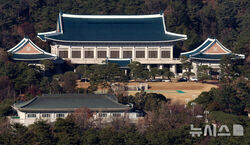
▲ 학생들의 배움과 성장ㆍ지역사회와 학교의 관계ㆍ시대별 교육환경 변화를 보여주는 통폐합 학교의 자료가 전시ㆍ교육ㆍ연구용으로 활용된다. (전북특별자치도교육청 전경) / 사진 = 브레이크뉴스 전북취재본부 DB © 김종진 기자 |
학생들의 배움과 성장ㆍ지역사회와 학교의 관계ㆍ시대별 교육환경 변화를 보여주는 통폐합 학교의 자료가 전시ㆍ교육ㆍ연구용으로 활용된다.
전북교육청은 통폐합 학교의 자료는 단순한 옛 물품이 아니라 학교가 사라지더라도 그 안에 담긴 기억과 기록을 보존해 다음 세대와 공유할 수 있도록 총 5개교에서 교육자료 196건 445점을 이관 수집했다고 10일 밝혔다.
지난 1일 자로 교육유물을 이관한 학교는 ▲ 부안 상서초 ▲ 남원 금지동초 ▲ 무주 부당초 ▲ 군산 선유도중학교 등 5개교다.
이들 학교에서 수집한 교육 유물은 학교비품ㆍ학습용구ㆍ학교 자료 등 학교 현장의 역사와 교육활동 변천을 보여주는 자료다.
특히 각 학교별 고유한 교육 문화와 지역의 생활사를 함께 담고 있다는 점에서 의미가 크다.
대표적인 수집 유물은 살펴보면 ▲ 일제강점기 문부성에서 편찬한 음악 교과용 '심상소학창가(尋常小學唱歌) 레코드판' ▲ 1960~70년대 학교 현장에서 사용한 '등사기와 등사판' ▲ 1950년대 사용한 '운크라 지원 교과서' 등이 있다.
전북교육청은 이번에 수집한 교육유물을 향후 분류ㆍ정리ㆍ목록화 등의 절차를 통해 보존 가치를 검토해 전북교육의 역사와 정체성을 보여주는 기록콘텐츠로 활용할 계획이다.
양성화 정책기획과장은 "통폐합 학교의 교육유물은 한 학교의 물건이 아니라 전북교육의 역사이자 지역공동체의 기억"이라며 "앞으로도 현장 중심의 발굴과 체계적인 이관을 통해 사라져가는 교육자료를 보존하고 이를 교육ㆍ전시ㆍ연구 자원으로 적극 활용하겠다"고 말했다.
☞ 아래는 위 기사를 구글 번역이 번역한 영문 기사의 '전문' 입니다.
구글 번역은 이해도를 높이기 위해 노력하고 있으며 영문 번역에 오류가 있음을 전제로 합니다.
【Below is the 'full text' of the English article translated by Google Translate.
Google Translate is working hard to improve understanding, and assumes that there are errors in the English translation.】
Jeonbuk Office of Education Establishes Exhibition and Research Utilization Foundation
Five schools merged… 445 educational artifacts to be used for archival content
Reporter Kim Jong-jin
Materials from merged schools, which showcase student learning and growth, the relationship between schools and local communities, and changes in the educational environment over time, will be utilized for exhibition, education, and research purposes.
The Jeonbuk Office of Education announced on the 10th that the materials from the merged schools are not simply old artifacts; they are intended to preserve the memories and records contained within and share them with future generations even after the schools disappear.
A total of 445 items, representing 196 educational materials, were transferred from five schools.
As of the 1st, the five schools that transferred educational artifacts are: Buan Sangseo Elementary School, Namwon Geumjidong Elementary School, Muju Budang Elementary School, and Gunsan Seonyudo Middle School.
The educational artifacts collected from these schools, including school supplies, learning materials, and materials, illustrate the history of these schools and the evolution of educational activities.
They are particularly significant because they capture the unique educational culture of each school and the history of local life.
Representative artifacts include: ▲ a record of 'Simsang Elementary School Songs' (尋常 Elementary School Songs), compiled by the Ministry of Education during the Japanese colonial period for use in music textbooks; ▲ mimeograph machines and mimeograph plates used in schools in the 1960s and 1970s; and ▲ 'Unkra Support Textbooks' used in the 1950s.
The Jeonbuk Office of Education plans to review the collected educational artifacts for preservation value through classification, organization, and cataloging processes, utilizing them as archival content that showcases the history and identity of Jeonbuk education.
Seung-hwa Yang, Director of Policy Planning, stated, "The educational artifacts from the merged schools are not just the property of a single school; they represent the history of Jeonbuk education and the memory of the local community."
He added, "We will continue to preserve disappearing educational materials through field-oriented excavations and systematic transfers, actively utilizing them as educational, exhibition, and research resources."
원본 기사 보기:브레이크뉴스 전북판