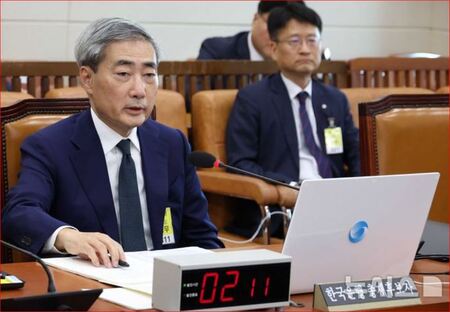
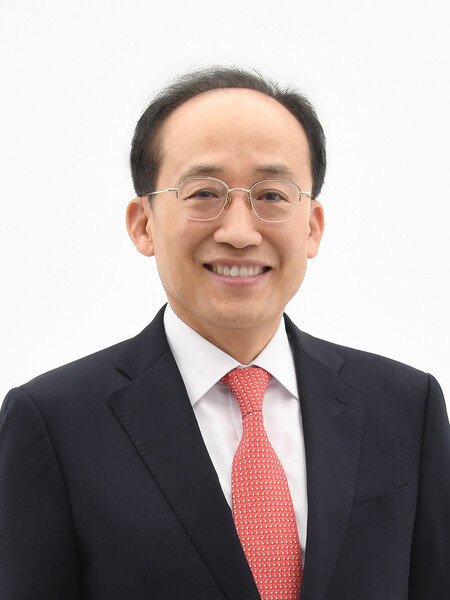
▲ 부산시의회 서지연 의원이 12일 제2차 본회의에서 시정질문을 하고 있다. © 배종태 기자 |
[브레이크뉴스=배종태 기자] 부산시의회 서지연 의원은 12일 제2차 본회의 시정질문에서 부산경남 행정통합은 중앙정부 주도가 아닌 지역이 설계한 2028 로드맵을 기반으로 추진해야 한다고 주장했다.
서 의원은 최근 국회를 통과한 전남 광주 통합특별시 설치 특별법을 분석하며 핵심 재정 권한이 빠진 정부 방식의 통합은 실질적 자치가 불가능한 빈 껍데기 법안이라고 비판했다.
재정 권한 빠진 통합특별법 실효성 논란
서 의원은 지난 3월 1일 국회 본회의를 통과한 전남 광주 통합특별시 설치 특별법을 분석한 결과 법안의 핵심 재정 조항이 대부분 삭제됐다고 지적했다.
삭제된 내용에는 국세의 지방세 전환 조항과 보통교부세 기준재정수요액 25퍼센트 가산, 예비타당성 조사 면제, 총액인건비 규제 배제 등이 포함됐다.
국회 법제사법위원회 검토보고서 역시 지방재정법 개정이 동반되지 않아 통합특별시의 지방채 발행이 법적으로 어려운 상태라고 지적했다. 서 의원은 법을 만들어 놓고도 작동할 재정 기반을 마련하지 않은 것은 사실상 간판만 바꾼 빈 건물과 같다고 비판했다.
헌법 개정 없는 통합 자치권 한계
서 의원은 진정한 지방분권을 위해서는 헌법과 지방자치법 지방재정법 개정이 선행돼야 한다고 주장했다.
그는 현행 헌법의 지방자치 규정이 제헌 이후 두 조항에 불과하고 조세법률주의로 인해 지방정부가 독자적인 과세권을 갖지 못하는 구조라고 설명했다.
이 같은 구조에서는 행정통합이 이루어져도 실질적인 자치 확대는 어렵고 이름만 바뀐 행정 구조에 그칠 가능성이 높다고 지적했다.
부산경남 2028 로드맵 재정 분권 제시
현재 부산시 재정자립도는 37.3퍼센트로 세입의 절반 이상이 중앙 의존 재원이다. 국세와 지방세 비율 역시 약 8대2 수준이다.
서 의원은 정부가 국세 지방세 비율을 6대4 수준으로 조정하겠다고 밝힌 바 있지만 관련 내용은 통합특별법에 명시되지 않았다고 밝혔다.
반면 부산과 경남이 제시한 2028 로드맵에는 양도소득세 100퍼센트와 법인세 30퍼센트 부가가치세 5퍼센트 이양 등이 구체적인 법률 조문 형태로 포함돼 있다고 설명했다. 서 의원은 선언적 약속과 실제 제도 설계의 차이가 여기에서 드러난다고 강조했다.
교육 재정 논의 부재 우려 제기
서 의원은 이날 질의에서 김석준 부산시교육감에게 행정통합과 관련한 정부와의 구체적 협의 여부를 질문했다.
김 교육감은 통합과 관련한 별도의 논의나 협의는 없었다고 답했다. 서 의원은 통합 과정에서 교육 재정과 전입금 구조 감소 가능성이 있지만 정부 차원의 대안이 제시되지 않고 있다고 우려했다. 김 교육감도 교육 정책과 재정이 배제된 통합은 지역 발전 전략이 될 수 없다며 우려에 공감했다.
부산시 주민 의견 기반 통합 원칙 강조
박형준 시장은 부산의 행정통합 원칙은 주민 의사를 충분히 반영하고 분권에 기반한 통합이라고 밝혔다. 그는 선거를 앞두고 추진되는 하향식 통합은 사회적 부작용을 초래할 수 있다고 지적했다.
또 부산시는 시민 행복과 도시 성장 잠재력을 고려해 장기간 논의를 거쳐 2028 로드맵을 마련했다며 이는 단기 정치 일정이 아닌 장기 도시 전략이라고 설명했다.
"부산.경남 통합 원칙 정부 추진방식과 근본적으로 달라"...절차적 정당성을 최우선 원칙
서 의원은 부산과 경남이 추진하는 2028 행정통합 로드맵은 정부가 추진하는 방식과 근본적으로 다르다고 강조했다. 서 의원은 “2028 로드맵은 메가시티의 기형적 구조를 인정하고, 이를 현실적으로 보완하기 위해 경제동맹 형태로 전환한 모델”이라며 “형식적인 통합이 아니라 실질적 협력 구조를 만들겠다는 접근”이라고 설명했다.
그는 특히 시민 참여 과정을 강조했다. 서 의원은 “공론화위원회를 통해 초기에는 반대가 45퍼센트에 달했지만, 충분한 논의와 정보 제공을 거치면서 찬성 여론이 53.6퍼센트까지 올라섰다”며 “시민이 직접 참여하고, 시민 스스로 판단을 바꾼 과정이 바로 이 로드맵의 핵심”이라고 말했다.
또한 2028 로드맵은 절차적 정당성을 최우선 원칙으로 삼고 있다고 밝혔다. 그는 “이 로드맵은 주민투표를 필수 절차로 규정하고 있으며, 재정과 자치 분권의 법제화를 통합 이전에 완성하겠다는 원칙 위에 서 있다”고 강조했다.
서 의원은 글로벌허브도시특별법 역시 시민 요구에서 출발한 정책이라고 설명했다. 그는 “글로벌허브도시특별법도 시민의 염원 속에서 추진되고 있다”며 “부산의 미래 경쟁력을 확보하기 위한 제도적 기반을 만드는 과정”이라고 말했다.
이어 중앙정부 주도의 통합 방식에 대해서도 비판적인 입장을 밝혔다. 서 의원은 “중앙이 설계도를 쥐고 지방에 끼워 맞추는 통합이 아니라 부산이 스스로 설계하고 시민과 함께 만들어 가는 통합이 필요하다”고 말했다. 그는 “일방적으로 밀어붙이는 통합이 아니라 전문가와 시민이 함께 논의한 전문적인 통합, 졸속이 아니라 충분한 고민과 준비 위에 세워진 통합이 바로 부산이 가야 할 길”이라고 강조했다.
[Here’s an English version of the article] Seo Ji-yeon criticizes government-led integration, calls Busan–South Gyeongsang 2028 roadmap the answer
Busan Metropolitan Council member Seo Ji-yeon on Wednesday argued that administrative integration between Busan and South Gyeongsang should follow a locally designed 2028 roadmap rather than a blueprint driven by the central government.
During a city council question session, Seo criticized the government’s approach, saying the recently passed special act for integrating Gwangju and South Jeolla lacks the fiscal authority necessary for real autonomy and amounts to little more than an empty framework.
Questions raised over lack of fiscal authority
Seo said an analysis of the Special Act on the Establishment of the Gwangju–South Jeolla Integrated Special City, passed by the National Assembly on March 1, shows that key fiscal provisions were removed from the final bill.
Among the deleted provisions were measures to convert national taxes into local taxes, add a 25 percent increase to the standard fiscal demand used for general grants, exempt large projects from preliminary feasibility studies, and remove caps on total personnel expenses.
A review report by the National Assembly’s Legislation and Judiciary Committee also noted that, without revisions to the Local Finance Act, the integrated special city would not be legally able to issue local government bonds.
Seo criticized the legislation as creating a law without the institutional foundation required for it to function, comparing it to changing the signboard on an empty building.
Constitutional limits on local autonomy
Seo said genuine decentralization requires amendments to the Constitution as well as the Local Autonomy Act and the Local Finance Act.
She noted that the Constitution contains only two provisions on local autonomy and that the principle of taxation by law leaves local governments without independent taxing authority.
Under such a system, she argued, administrative integration would bring little real expansion of local autonomy and would remain largely symbolic.
Busan–South Gyeongsang roadmap proposes fiscal decentralization
Busan’s fiscal self-reliance rate currently stands at 37.3 percent, meaning more than half of its revenue depends on central government transfers. The ratio of national to local tax revenue is about 8 to 2.
Seo said the government has pledged to adjust that ratio to 6 to 4 but noted that the promise does not appear anywhere in the special integration legislation.
In contrast, the Busan–South Gyeongsang 2028 roadmap includes detailed legal provisions to transfer specific tax powers, including 100 percent of capital gains tax, 30 percent of corporate tax, and 5 percent of value-added tax to local governments. “This shows the difference between a declaration and an actual institutional design,” Seo said.
Concerns over lack of discussion on education funding
Seo also asked Busan Superintendent of Education Kim Seok-joon whether the government had held any substantive discussions with the education office about the proposed administrative integration.
Kim replied that no such discussions or consultations had taken place. Seo warned that integration could lead to structural reductions in education funding and transfer payments, yet no government plan has been presented to address the issue.
Kim agreed, saying integration that excludes education policy and financing cannot serve as a genuine regional development strategy.
Busan mayor stresses citizen-based integration
Busan Mayor Park Heong-joon said the city’s position on administrative integration is clear: it must reflect the will of residents and be grounded in decentralization.
Top-down integration driven by electoral considerations could create significant social side effects, he said.
Park added that the city developed the 2028 roadmap after extensive discussion and planning aimed at maximizing the well-being of Busan residents and the city’s long-term growth potential.
“Busan–South Gyeongsang integration principles fundamentally differ from the government’s model… procedural legitimacy comes first.”
Council member Seo Ji-yeon said the Busan–South Gyeongsang 2028 administrative integration roadmap differs fundamentally from the model currently promoted by the central government.
“The 2028 roadmap acknowledges the structural limitations of the existing megacity model and shifts toward an economic alliance framework as a more realistic alternative,” Seo said. “It is not a symbolic merger but an approach aimed at building a practical system of regional cooperation.”
Seo also highlighted the role of citizen participation in shaping the plan. “Through the public deliberation committee process, initial opposition stood at 45 percent. After extensive discussion and information sharing, support rose to 53.6 percent,” she said. “Citizens directly participated in the process and ultimately changed their own judgment. That is the core of this roadmap.”
According to Seo, procedural legitimacy is a central principle of the 2028 plan. “The roadmap requires a local referendum as a mandatory step and is built on the principle that fiscal and administrative decentralization must be legally secured before integration takes place,” she said.
Seo added that the proposed Global Hub City Special Act is also being pursued in response to strong public demand. “The Global Hub City Special Act reflects the aspirations of Busan’s citizens,” she said. “It is part of the broader effort to establish an institutional foundation for the city’s future competitiveness.”
She also criticized the top-down integration approach led by the central government. “What we need is not a model where the central government holds the blueprint and forces regions to fit into it,” Seo said. “Busan must design its own framework and build integration together with its citizens.”
“This is not a one-sided push,” she added. “It is an integration shaped through professional expertise and public participation — not a rushed decision, but one built on serious deliberation. That is the path Busan should take.”
원본 기사 보기:부산브레이크뉴스