지난해 11월 14일 경기 파주시 운정·금촌·조리 일대에서 발생한 광역상수도 단수 사고와 관련해, 사고 원인 제공자인 한국수자원공사가 제시한 보상안이 거센 반발에 직면했다.
지난 13일 열린 ‘단수사고 보상협의체 제4차 회의’에서 공사 측은 “증빙 영수증이 있는 경우에만 생수 구입비를 보상하겠다”는 입장을 밝혔고, 이에 협의체 위원들은 “시민의 고통을 외면한 처사”라며 강하게 반발했다.
이날 논란의 핵심은 공사가 내세운 ‘증빙 우선 원칙’이었다. 공사는 사고 당시 생수를 구입한 영수증을 제출한 경우에 한해 보상금을 지급하겠다는 방침을 설명했지만, 위원들은 현실을 외면한 탁상행정이라고 비판했다.
 ▲ 사진제공=파주시 |
한 위원은 “단수 복구 시점조차 불확실했던 긴급 상황에서 시민들은 생존을 위해 물을 구하기에 급급했다”며 “그 와중에 영수증을 챙기라는 것은 사실상 보상을 하지 않겠다는 것과 다름없다”고 지적했다.
이어 “이 문제는 단순한 비용 보전이 아니라 시민 고통에 대한 최소한의 책임과 태도의 문제”라고 강조했다.
공사 측이 시공사 등을 상대로 한 구상권 청구 등 내부 절차를 이유로 증빙 필요성을 설명하자, 위원들은 “공기업의 행정 편의를 위해 시민에게 입증 책임을 떠넘기는 것”이라며 책임 회피라고 비판했다.
소상공인 피해 대책 부재도 주요 쟁점으로 떠올랐다.
단수 사태로 인해 영업이 사실상 중단된 목욕업, 세탁업, 요식업 등은 물론 화장실 사용이 어려워 운영에 차질을 빚은 학원과 체육시설 등 다양한 피해 사례가 제기됐다.
위원들은 “소상공인들이 입은 경제적 손실은 생수 구입비와는 비교할 수 없을 정도로 심각하다”며 “그러나 공사는 아직 피해 실태조차 제대로 파악하지 못하고 있다”고 비판 수위를 높였다.
회의는 2시간 넘게 이어졌지만 공사 측은 명확한 보상 기준이나 개선안을 제시하지 못한 채 소극적인 태도로 일관했다는 지적이 나왔다.
이에 협의체는 공사에 대해 사고에 대한 공식 사과와 시민 요구를 반영한 생수 구입비 일괄 보상, 소상공인 피해 보상 계획을 포함한 수정안을 3월 말까지 제출할 것을 요구했다.
협의체는 “요구 사항이 반영되지 않은 수정안이 제출될 경우 더 이상의 협의는 의미가 없다”며 “5차 회의는 열리지 않을 것”이라고 밝혔다.
이어 “요구가 받아들여지지 않을 경우 상급 기관 감사 청구와 국민권익위원회 조사 요청 등 강력한 집단행동에 나설 것”이라고 경고했다.
*아래는 위 기사를 '구글 번역'으로 번역한 영문 기사의 [전문]입니다. '구글번역'은 이해도 높이기를 위해 노력하고 있습니다. 영문 번역에 오류가 있을 수 있음을 전제로 합니다.<*The following is [the full text] of the English article translated by 'Google Translate'. 'Google Translate' is working hard to improve understanding. It is assumed that there may be errors in the English translation.>
“Must Bring Bottled Water Receipts for Compensation?”… Paju Citizens Explode with Anger Over K-Water’s ‘Bureaucratic’ Compensation Plan
Shouting and Criticism Continued at the 4th Compensation Consultative Meeting… “Receipt Submission Condition is a Mockery to Citizens”
Criticism Also Raised of Complete Lack of Measures for Damages to Small Business Owners… Consultative Committee Issues ‘Ultimatum’ to Submit Revised Plan by End of March
Regarding the regional water supply cutoff incident that occurred on November 14 of last year in the Unjeong, Geumchon, and Jori areas of Paju, Gyeonggi Province, the compensation plan proposed by the Korea Water Resources Corporation (K-Water), the party responsible for causing the accident, is facing fierce backlash.
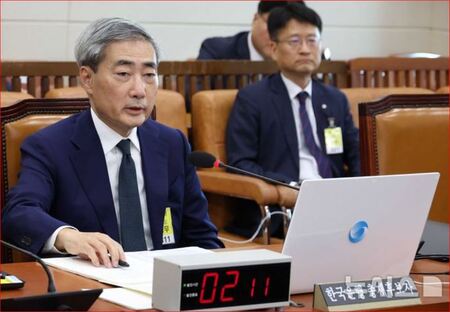
At the ‘4th Meeting of the Water Cutoff Accident Compensation Consultative Committee’ held on the 13th, the Corporation stated its position that it would “compensate for bottled water purchase costs only if proof receipts are provided.” In response, committee members strongly protested, calling it “an action that ignores the suffering of citizens.”
The core of the controversy that day was the ‘principle of prioritizing proof’ put forward by the Corporation. The Corporation explained its policy to provide compensation only to those who submitted receipts for bottled water purchased at the time of the accident, but committee members criticized this as bureaucratic inefficiency that ignores reality.
One member pointed out, “In an emergency situation where even the timing of water restoration was uncertain, citizens were scrambling to find water for survival,” adding, “Demanding receipts amidst that chaos is virtually no different from refusing to provide compensation.”
The member further emphasized, “This issue is not merely about covering costs, but about a minimum level of responsibility and attitude regarding the suffering of citizens.”
When the Corporation explained the need for proof by citing internal procedures, such as claims for indemnity against construction companies, the members criticized it as an evasion of responsibility, stating, “This is shifting the burden of proof onto citizens for the administrative convenience of a public enterprise.”
The lack of measures to address the damages suffered by small business owners also emerged as a major point of contention.
Various cases of damage were raised, including bathhouses, laundries, and restaurants whose operations were virtually suspended due to the water cutoff, as well as private academies and sports facilities that faced operational disruptions due to difficulties in using restrooms. The committee members raised the level of criticism, stating, “The economic losses suffered by small business owners are so severe that they cannot be compared to the cost of purchasing bottled water,” and adding, “However, the Corporation has not yet even properly assessed the extent of the damage.”
Critics pointed out that although the meeting lasted for over two hours, the Corporation maintained a passive attitude without presenting clear compensation standards or improvement plans.
Consequently, the consultative body demanded that the Corporation submit a revised proposal by the end of March that includes an official apology for the accident, lump-sum compensation for bottled water purchase costs reflecting citizens' demands, and a plan to compensate for the damages suffered by small business owners.
The consultative body stated, “If a revised proposal that does not reflect our demands is submitted, further consultation will be meaningless,” and declared, “The fifth meeting will not be held.”
They further warned, “If our demands are not accepted, we will resort to strong collective action, such as requesting an audit by a higher authority and asking the Anti-Corruption and Civil Rights Commission to investigate.”
원본 기사 보기:브레이크뉴스 경기서부