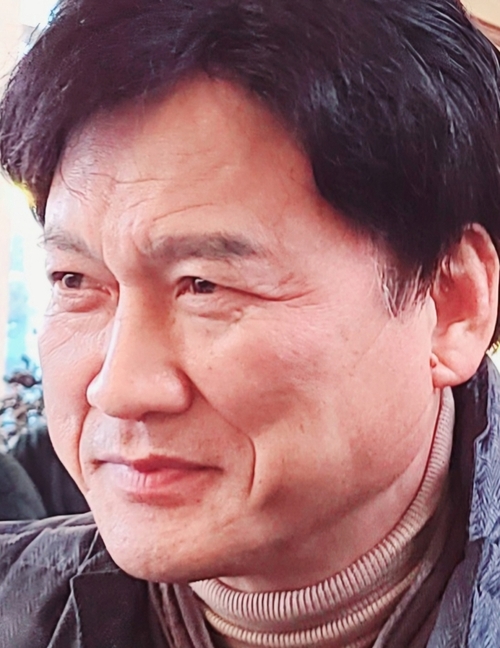
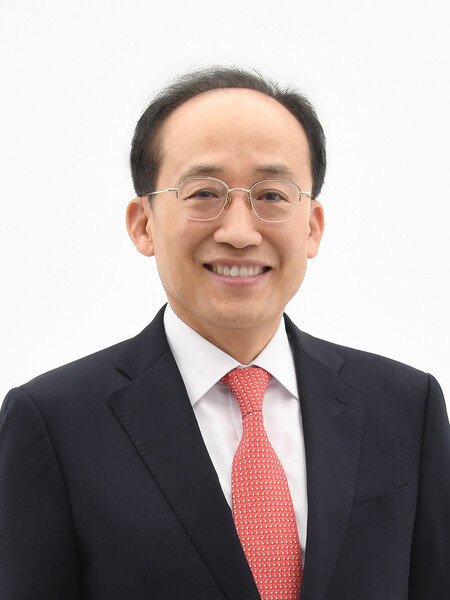
▲ 안승대 포항시장 예비후보 © 안승대 |
【브레이크뉴스 포항】박영재 기자=안승대 포항시장 예비후보가 24일 오전 11시 포항시청 브리핑룸에서 ‘농촌·어촌도 잘 사는 정원도시 포항’ 구상을 발표하고, 도시와 산림·농촌·어촌을 연결한 생태경제권 구축을 통해 지속가능한 지역 발전 기반을 마련하겠다고 밝혔다.
안 예비후보는 “포항은 철강 산업 중심의 도시이면서도 넓은 산림과 농촌, 동해안을 품은 어촌을 함께 가진 복합 구조의 도시”라며 “산림은 탄소흡수와 재해 대응 자원, 농촌은 식량과 공동체 기반, 어촌은 해양 산업과 문화의 중심”이라고 강조했다. 이어 “이 세 공간을 유기적으로 연결해 생태·산업·생활이 결합된 새로운 발전 구조를 만들겠다”고 말했다.
산림 분야에서는 기후 대응형 산림도시 조성을 목표로 소나무재선충 피해지역의 수종 전환과 활엽수 중심 내화수림대 조성, 산불 차단숲 확대 등을 추진한다. 또한 임도 확충과 인공지능(AI) 기반 산불 감시 시스템 구축 등 산불 대응 인프라를 강화하고, 임산물 생산·가공·유통과 체험 관광을 결합한 ‘산림 6차 산업’도 확대할 계획이다.
농업 분야에서는 농업데이터 플랫폼 구축을 통해 스마트농업 전환을 본격화한다. 스마트팜 확대와 노지 스마트농업 도입으로 생산성을 높이고, 딸기·사과·멜론 등 주요 작목별 특화단지를 육성해 경쟁력을 강화하겠다는 구상이다.
어촌 분야에서는 어촌뉴딜사업을 통해 어항 정비와 생활 SOC를 확충하고, 수산물 가공·유통 산업과 식품산업 연구개발(R&D) 클러스터 조성을 추진한다. 이를 통해 포항을 동해안 스마트양식 중심지로 육성하고, 아열대작물연구소와 과메기 연구소 유치 등 연구 기능도 강화할 방침이다.
인구 감소와 고령화에 대응하기 위해 ‘압축도시(콤팩트 시티)’ 개념도 도입한다. 병원·복지시설·행정센터·문화시설 등 공공서비스를 거점에 집중 배치하고 주변 농어촌 마을과 연결해 생활 인프라 접근성을 높인다는 계획이다. 농촌협약을 통해 교통·복지 인프라 개선과 생활환경 정비도 지속 추진한다.
이와 함께 도심 유휴공간을 활용한 도시숲 조성과 생활권 정원 확대, 빈집 정비를 통한 생활정원 및 주민 텃밭 조성 등 ‘정원도시 포항’ 조성도 병행한다. 파크골프장 등 생활형 녹색 여가 공간도 확충할 예정이다.
관광 분야에서는 내연산과 화진해수욕장, 호미곶 해상정원 등을 연계해 산악레포츠와 해양 관광을 결합한 ‘산·바다 레포츠 관광벨트’ 구축을 추진한다.
안 예비후보는 “플랫폼 도시가 구현되면 재택근무와 원격의료가 가능해지고, 빈집을 정원형 스테이로 리모델링해 워케이션 거점으로 활용할 수 있다”며 “생태 관광과 로컬푸드, 농어촌 체험, 산림 휴양 산업이 함께 성장하는 새로운 지역경제 구조를 만들겠다”고 말했다. 이어 “포항의 농어촌을 치유와 힐링 공간으로 전환해 생태·산업·삶이 공존하는 21세기형 정원도시를 완성하겠다”고 밝혔다.
<구글 번역으로 번역한 영문 기사의 전문 입니다. 번역에 오류가 있을 수 있음을 밝힙니다.>
[Break News Pohang] Reporter Park Young-jae = Ahn Seung-dae, a preliminary candidate for Mayor of Pohang, announced his vision for "Pohang, a Garden City Where Rural and Fishing Villages Also Prosper" at the Pohang City Hall briefing room at 11:00 AM on the 24th. He stated that he would lay the foundation for sustainable regional development by establishing an ecological economic zone that connects the city with forests, rural areas, and fishing villages.
Candidate Ahn emphasized, "Pohang is a city with a complex structure that is centered on the steel industry, yet also possesses vast forests, rural areas, and fishing villages embracing the East Coast." He added, "Forests serve as resources for carbon absorption and disaster response, rural areas as a foundation for food and community, and fishing villages as the center of marine industries and culture." He continued, "I will organically connect these three spaces to create a new development structure that combines ecology, industry, and daily life."
In the forestry sector, with the goal of creating a climate-responsive forest city, he plans to promote the conversion of tree species in areas affected by pine wilt disease, the establishment of fire-resistant forest belts centered on broadleaf trees, and the expansion of forest fire barriers. In addition, plans include strengthening forest fire response infrastructure by expanding forest roads and establishing AI-based monitoring systems, as well as expanding the "Forest 6th Industry," which combines the production, processing, and distribution of forest products with experiential tourism.
In the agricultural sector, the transition to smart agriculture will be accelerated through the establishment of an agricultural data platform. The plan envisions increasing productivity through the expansion of smart farms and the introduction of open-field smart agriculture, while strengthening competitiveness by fostering specialized complexes for major crops such as strawberries, apples, and melons.
In the fishing village sector, the Fishery Village New Deal project will be implemented to improve fishing ports and expand living infrastructure, while promoting the creation of R&D clusters for the seafood processing and distribution industries as well as the food industry. Through these initiatives, Pohang will be developed into a hub for smart aquaculture on the East Coast, and research capabilities will be strengthened by attracting the Subtropical Crop Research Institute and the Gwamegi Research Institute.
To address population decline and aging, the concept of a "Compact City" will also be introduced. The plan is to concentrate public services, such as hospitals, welfare facilities, administrative centers, and cultural facilities, at key locations and connect them with surrounding rural villages to improve accessibility to living infrastructure. Through rural agreements, improvements to transportation and welfare infrastructure, as well as the maintenance of living environments, will also be continuously pursued.
In parallel, the creation of "Garden City Pohang" will be implemented through initiatives such as establishing urban forests utilizing idle urban spaces, expanding gardens within residential areas, and creating living gardens and community vegetable gardens by renovating vacant houses. Plans also include expanding green leisure spaces for daily life, such as park golf courses.
In the tourism sector, the establishment of a "Mountain-Sea Leisure Tourism Belt" will be pursued, combining mountain leisure sports with marine tourism by linking Mt. Naeyeon, Hwajin Beach, and the Homigot Marine Garden. Preliminary Candidate Ahn stated, “Once a platform city is realized, telecommuting and telemedicine will become possible, and vacant houses can be remodeled into garden-style stays and utilized as hubs for workcations.” He added, “I will create a new regional economic structure where eco-tourism, local food, rural experiences, and forest recreation industries grow together.” He further declared, “I will transform Pohang’s rural areas into spaces for healing and relaxation to complete a 21st-century garden city where ecology, industry, and life coexist.”
원본 기사 보기:브레이크뉴스 대구경북