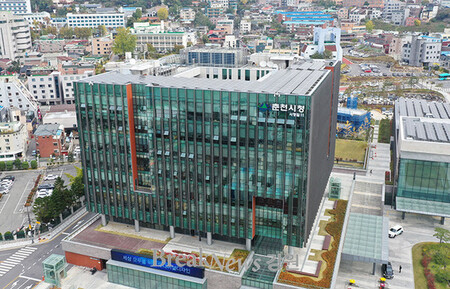
▲ 사진=고양시청 |
경기 고양특례시의 오랜 숙원 사업인 ‘고양시립박물관(가칭)’ 건립이 시의회 추가경정예산 삭감으로 중단 위기에 놓였다.
5,000년 전 한반도 농경사의 상징으로 평가받는 가와지 볍씨와 유네스코 세계유산인 조선왕릉 등 풍부한 역사 자산을 보유하고도 이를 체계적으로 보존·전시할 공간이 부재하다는 점에서 도시 정체성 확립에 차질이 우려된다는 지적이 나온다.
현재 대한민국 5대 특례시 가운데 시 직영 종합박물관이 없는 곳은 고양시가 유일하다.
시는 그동안 도시의 역사성과 문화적 뿌리를 정립하기 위해 박물관 건립을 추진해 왔으나, 최근 사업의 출발점인 타당성 조사 용역 예산이 시의회 문턱을 넘지 못하면서 계획 전반이 불투명해졌다.
전문가들은 이번 예산 삭감이 단순한 사업 지연을 넘어 박물관 건립의 필요성과 재정적 타당성을 객관적으로 검증할 기회 자체를 차단한 결정이라고 비판한다.
이는 미래 세대에 계승해야 할 문화유산에 대한 행정적 책임을 미루는 것이며, 시민의 문화 향유 권리를 제약하는 결과로 이어질 수 있다는 지적이다.
박물관 부재로 인한 가장 큰 문제는 유물 보존과 관리다.
현재 고양시에서 발굴된 다수의 유물은 시 직영 수장고가 없어 타 지역 시설에 분산 보관되고 있는 실정이다.
이로 인해 지역 문화유산의 체계적 관리가 어려울 뿐 아니라, 향후 전시와 연구 활용에도 제약이 따를 수밖에 없다.
특히 지역 문중과 기증 희망자들의 상실감이 커지고 있다.
조상의 유산을 지역에 남기고자 하는 기증 문의는 이어지고 있지만, 박물관 건립이 불확실한 상황에서 실제 기증으로 이어지지 못하는 사례가 늘고 있다.
한 문중 관계자는 “고향인 고양시에 유산을 남기고 싶어 오랫동안 기다려왔지만, 이를 보관하고 전시할 공간조차 마련되지 않은 현실이 안타깝다”며 “행정에 대한 신뢰를 회복하기 위해서라도 조속한 건립 결정이 필요하다”고 호소했다.
고양시는 박물관 건립을 위해 학예연구 인력을 확보하고 유물을 직접 구입하는 등 사전 준비를 꾸준히 진행해 왔다.
시는 박물관이 단순한 전시시설을 넘어 도시의 역사와 미래를 연결하는 핵심 문화 인프라가 될 것이라는 입장이다.
시 관계자는 “박물관 건립은 고양시가 어떤 도시로 기억될 것인가에 대한 시민과의 공적 약속”이라며 “기증을 희망하는 시민들의 뜻이 헛되지 않도록 예산 확보와 사업 추진 기반이 조속히 마련되길 기대한다”고 밝혔다.
유물은 한 번 흩어지면 다시 모으기 어렵다.
지역의 역사와 정체성을 담아낼 공간이 부재한 상황에서, 고양시가 가진 문화적 자산을 지켜낼 수 있는 시간은 그리 많지 않다.
시의회와 행정부가 초당적으로 협력해 ‘문화적 골든타임’을 놓치지 않기 위한 결단이 요구되고 있다.
*아래는 위 기사를 '구글 번역'으로 번역한 영문 기사의 [전문]입니다. '구글번역'은 이해도 높이기를 위해 노력하고 있습니다. 영문 번역에 오류가 있을 수 있음을 전제로 합니다.<*The following is [the full text] of the English article translated by 'Google Translate'. 'Google Translate' is working hard to improve understanding. It is assumed that there may be errors in the English translation.>
“Where Is 5,000 Years of History?” Goyang City’s Long-Awaited ‘Public Museum’ Project Adrift Due to Budget Cuts
Goyang City Is the Only One of the Five Special Cities Without a City-Operated Comprehensive Museum
Will Offers to Donate Artifacts Follow, But Lack of Storage Space… Is the ‘Cultural Golden Time’ Being Missed?
The construction of the ‘Goyang City Museum (tentative name),’ a long-cherished project of Gyeonggi Goyang Special City, is facing a crisis of suspension due to cuts in the supplementary budget by the City Council.
Critics point out that despite possessing rich historical assets—such as the Kawaji rice seeds, considered a symbol of agricultural history on the Korean Peninsula 5,000 years ago, and the Royal Tombs of the Joseon Dynasty, a UNESCO World Heritage site—the absence of a space to systematically preserve and exhibit them raises concerns about setbacks in establishing the city’s identity.
Currently, Goyang City is the only one among South Korea’s five special cities that lacks a city-operated comprehensive museum. The city has been pursuing the construction of a museum to establish the city's historical significance and cultural roots; however, the overall plan has become uncertain after the budget for the feasibility study—the starting point of the project—recently failed to pass the City Council.
Experts criticize this budget cut as a decision that goes beyond a mere project delay, effectively blocking the very opportunity to objectively verify the necessity and financial feasibility of the museum's construction.
Critics point out that this amounts to shirking administrative responsibility regarding cultural heritage that must be passed down to future generations and could result in restricting citizens' right to enjoy culture.
The biggest problem arising from the absence of a museum is the preservation and management of artifacts.
Currently, many artifacts excavated in Goyang City are being stored in dispersed facilities in other regions due to the lack of a city-run storage facility.
As a result, not only is the systematic management of local cultural heritage difficult, but limitations on future exhibitions and research utilization are also inevitable.
In particular, local clans and prospective donors are feeling a growing sense of loss. While inquiries regarding donations to leave ancestral heritage in the region continue, an increasing number of cases are failing to translate into actual donations due to the uncertainty surrounding the construction of the museum.
An official from a clan appealed, “We have waited a long time to leave our legacy in our hometown of Goyang, but it is regrettable that there is not even a space to store and exhibit it. A prompt decision on construction is necessary to restore trust in the administration.”
Goyang City has been steadily making preliminary preparations for the museum's construction, including securing curatorial research personnel and directly purchasing artifacts.
The city maintains that the museum will go beyond a mere exhibition facility to become a core cultural infrastructure connecting the city's history and future.
A city official stated, “The construction of the museum is a public promise to the citizens regarding how Goyang will be remembered,” adding, “We hope that the budget will be secured and the foundation for the project established promptly so that the wishes of citizens hoping to donate will not be in vain.”
Once artifacts are scattered, it is difficult to gather them again. In a situation where spaces capable of capturing the region's history and identity are absent, there is not much time left to preserve Goyang City's cultural assets.
A decisive move is required from the City Council and the administration to cooperate across party lines to avoid missing this "cultural golden time."
원본 기사 보기:브레이크뉴스 경기서부