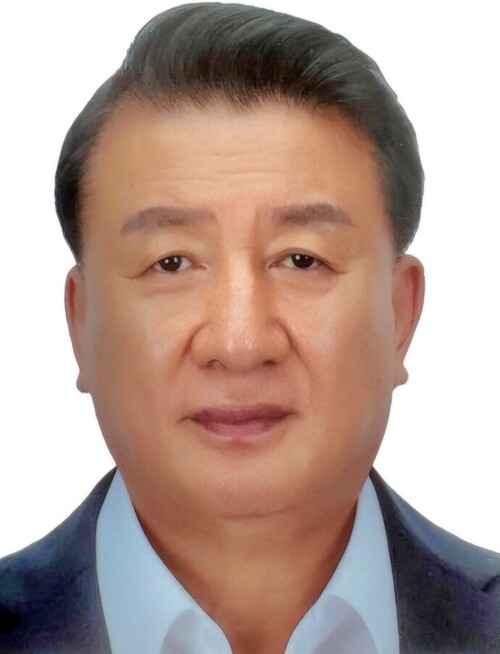
▲필자/김정기. 청와대 대통령(김대중 대통령) 수행부장. 대통령직속 국민통합위원회 정치갈등 해소분과 위원장. 칼럼니스트. ©브레이크뉴스 |
대한민국은 교육을 통해 성장해 온 나라다. 가난을 벗어나기 위한 가장 확실한 수단이 교육이었고, 그 선택은 오늘날 국가 경쟁력의 토대가 되었다. 지금도 그 믿음은 유효하다. 문제는 그교육이 이제는 기회를 넓히는 수단이 아니라, 특정 지역으로 사람을 빨아들이는 구조로 작동하고 있다는 점이다. 수도권 집중의 가장 강력한 원인 중 하나는 교육이다.
더 나은 대학, 더 나은 교육 환경을 찾아 학생과 학부모는 수도권으로 이동한다. 혁신도시로 이전한 공공기관 직원들조차 자녀 교육문제로 가족과 떨어져 지내는 ‘주말부부’를 선택하는 현실은 이를 단적으로 보여준다. 이는 개인의 선택이라기보다 구조가 만들어 낸 결과다. 지방의 인재는 교육을 이유로 수도권으로 떠나고, 한 번 떠난 인재는 돌아오지 않는다.
이 단순한 흐름이 반복되면서 지방은 점점 더 비어가고 있다. 지방 소멸은 어느 날 갑자기 찾아오는 재난이 아니라, 이미 진행 중인 구조적 결과다. 문제는 교육 자원의 배치에 있다. 우리 사회의 주요 대학과 교육 인프라는 수도권에 집중되어 있다. 지방에도 대학은 존재하지만, 이른바 ‘명문대’로 불리는 상위권 교육 기회는 여전히 수도권에 편중되어 있다.
그 결과 입시 시기마다 지방 학생들의 수도권 이동이 반복되고, 이는 지역 인재 유출을 고착화시키고 있다. 해외의 경우 주요 명문대들이 특정 지역에 과도하게 집중되기보다는 여러 지역에 걸쳐 분산되어 있는 경우가 많다.
이는 교육 기회가 지역 간 균형을 이루는 데 일정 부분 기여하고 있다. 반면 우리나라는 ‘본교는 서울, 지방은 캠퍼스’라는 구조가 고착되면서 교육의 중심이 수도권에 더욱 쏠리는 결과를 낳고 있다. 이제는 단순한 지원 정책으로는 한계가 분명하다.
지역에 예산을 투입하고 시설을 짓는 것만으로는 사람을 붙잡을 수 없다. 사람은 환경이 아니라 ‘기회’를 따라 움직인다. 그리고 그 기회의 핵심에는 교육이 있다. 해법은 분명하다. 교육 구조를 바꿔야 한다. 서울에 집중된 상위 대학과 교육 기능을 과감하게 분산시키는 논의를 시작해야 한다.
단순한 지방 캠퍼스 확장이 아니라, 본교 기능의 이전과 정원 조정 같은 실질적인 변화가 필요하다. 교육의 중심이 이동하지 않는 한, 인구의 이동 역시 바뀌지 않는다. 물론 이는 단기간에 실행할 수 있는 정책이 아니다. 이해관계도 복잡하고 사회적 저항도 클 것이다. 그러나 지금과 같은 구조를 방치한다면 지방 소멸은 피할 수 없는 미래가 된다.
선택의 문제가 아니라 시간의 문제에 가깝다. 이제는 질문을 바꿔야 한다. 어떻게 사람을 지방으로 보낼 것인가가 아니라, 왜 사람들은 지방에 머물지 않는가를 물어야 한다. 그 답이 교육에 있다면, 해법 또한 교육에서 찾아야 한다.
수도권 대학의 성장은 지방의 쇠퇴와 맞물려 있다. 이 불균형을 해소하지 않는 한 어떤 지역정책도 근본적인 해결책이 될 수 없다.
공공기관 이전이 물리적 분산이었다면, 이제는 교육이라는 ‘기회의 중심’을 분산시켜야 할 때다. 지방을 살리기 위한 해법은 이미 우리 앞에 있다. 다만 그것을 실행할 결단이 부족할 뿐이다. pss2242@naver.com
*필자/김정기
청와대 대통령(김대중 대통령) 수행부장. 대통령직속 국민통합위원회 정치갈등 해소분과 위원장. 칼럼니스트.
*아래는 위 기사를 '구글 번역'으로 번역한 영문 기사의 [전문]입니다. '구글번역'은 이해도 높이기를 위해 노력하고 있습니다. 영문 번역에 오류가 있을 수 있음을 전제로 합니다.<*The following is [the full text] of the English article translated by 'Google Translate'. 'Google Translate' is working hard to improve understanding. It is assumed that there may be errors in the English translation.
The Solution to Overcoming Regional Extinction: We Must Find the Answer in Education!
- Columnist Kim Jeong-gi
South Korea is a nation that has grown through education. Education was the surest means to escape poverty, and that choice became the foundation of today's national competitiveness. That belief remains valid even now. The problem is that education is no longer a means to expand opportunities, but rather operates as a structure that sucks people into specific regions. Education is one of the most powerful causes of the concentration in the capital area.
Students and parents move to the capital area in search of better universities and better educational environments. The reality where even employees of public institutions relocated to innovation cities choose to live apart from their families as "weekend couples" due to their children's education clearly demonstrates this. This is a result created by the structure rather than an individual choice. Talented individuals from the provinces leave for the capital area for the sake of education, and once they leave, they do not return.
As this simple flow repeats, the provinces are becoming increasingly empty. The decline of regional areas is not a disaster that strikes out of nowhere, but a structural consequence already in progress. The problem lies in the distribution of educational resources. Major universities and educational infrastructure in our society are concentrated in the Seoul metropolitan area. While universities exist in the provinces, opportunities for top-tier education—often referred to as "prestigious universities"—remain heavily skewed toward the capital region.
As a result, the migration of provincial students to the capital area repeats every college entrance exam season, solidifying the brain drain from the regions. In other countries, major prestigious universities are often dispersed across various regions rather than being excessively concentrated in a specific area.
This contributes to some extent to achieving a balance of educational opportunities between regions. In contrast, in Korea, the entrenched structure of "the main campus in Seoul and the provinces as campuses" is causing the center of education to shift even further toward the capital area. It is now clear that simple support policies have reached their limits.
Simply investing budgets and building facilities in the regions cannot retain people. People move following "opportunities," not the environment. And at the core of those opportunities lies education. The solution is clear: the educational structure must be changed. We must begin discussions on boldly dispersing top universities and educational functions currently concentrated in Seoul.
We need substantial changes, such as the relocation of main campus functions and adjustments to student quotas, rather than mere expansion of provincial campuses. Unless the center of education shifts, population migration patterns will not change. Of course, this is not a policy that can be implemented in the short term. Interests are complex, and social resistance will be significant. However, if we leave the current structure unchecked, the extinction of provincial regions will become an inevitable future.
It is less a matter of choice and more a matter of time. We must now change our question. Instead of asking how to send people to the provinces, we must ask why people do not stay in the provinces. If the answer lies in education, the solution must also be found in education.
The growth of universities in the capital region is intertwined with the decline of the provinces. Unless this imbalance is resolved, no regional policy can serve as a fundamental solution.
If the relocation of public institutions was a matter of physical dispersion, it is now time to disperse the "center of opportunity" known as education. The solution to revitalizing the provinces is already before us. We simply lack the determination to implement it. pss2242@naver.com
*Author/Kim Jeong-gi
Chief of Staff to the President (President Kim Dae-jung) at the Blue House. Chairman of the Political Conflict Resolution Subcommittee of the Presidential Committee for National Unity. Columnist.