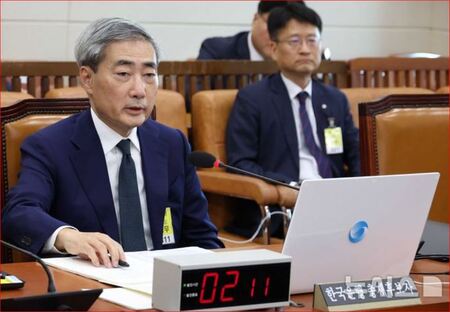
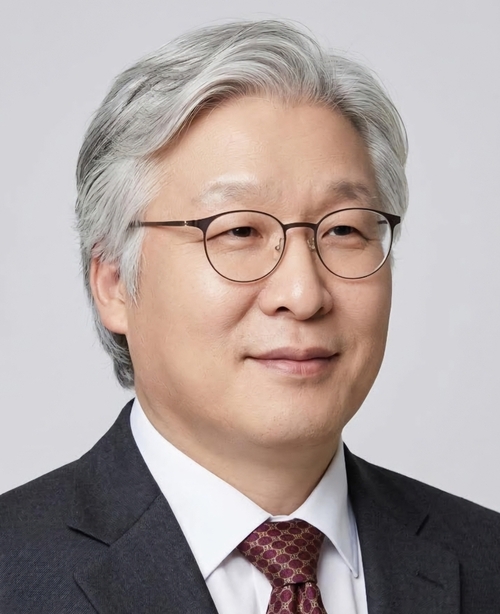
▲ 전주시가 25일 청사 본관 4층 회의실에서 도내 건설 관련 9개 협회 회장단과 간담회를 개최하고 공동주택 건설 시 지역업체 참여도에 따라 용적률 인센티브를 부여하는 '전주시 지구단위계획 수립 지침 일부개정(안)'에 대한 현장 의견을 수렴했다. / 사진제공 = 전주시청 © 김종진 기자 |
전북 전주시가 지역 인력 고용 증가ㆍ지역 자재 장비 사용 활성화 등 지역 건설산업 전반의 경쟁력 강화에 시동을 걸었다.
전주시는 지역 건설산업의 지형도를 바꾸기 위해 지역업체의 건설 공사 참여도에 따라 파격 인센티브를 제공할 계획이라고 25일 밝혔다.
이날 전주시는 청사 본관 4층 회의실에서 도내 건설 관련 협회 회장단과 간담회를 개최하고 공동주택 건설 시 지역업체 참여도에 따라 용적률 인센티브를 부여하는 '전주시 지구단위계획 수립 지침 일부개정(안)'에 대한 현장 의견을 수렴했다.
간담회는 김성수 건설안전국장을 비롯 도시계획과장ㆍ건축과장ㆍ재개발재건축과장ㆍ시정연구원장ㆍ전주시의회 도시건설위 의원ㆍ도내지역 건설 관련 9개 협회장 등이 한자리에 앉아 개정 지침의 주요 내용을 공유하고 지역건설 산업 활성화 방안을 논의하는 형식으로 진행됐다.
특히 대한건설협회 전북도회ㆍ대한전문건설협회 전북도회ㆍ대한주택건설협회 전북도회ㆍ전북특별자치도 건축사회ㆍ한국소방시설협회 전북도회ㆍ대한건설기계협회 전북도회ㆍ한국정보통신공사협회 전북도회ㆍ대한기계설비건설협회 전북도회ㆍ한국공인중개사협회 전북도회 등 9개 협회 회장단이 참석해 각별한 의미를 담아냈다.
참석자들은 이번 지침 개정이 그동안 브랜드를 앞세운 외지 대형 건설사들이 사실상 독점한 아파트 건설 시장에 지역 업체 참여를 실질적으로 보장하기 위한 제도적 장치로 지역건설 산업 활성화에 실질적으로 기여할 수 있을 것으로 기대했다.
이번 지침 개정은 기존에 권고 수준에 그쳐 실효성이 미흡했던 지역 자재 사용과 하도급 참여를 '용적률 인센티브'와 '의무비율 제도'로 강제성을 담은 혜택으로 전환했다.
개정안의 핵심은 지구단위계획 수립 대상인 공동주택 건설 사업에 지역 건설업체의 참여 비율에 따라 최대 20%까지 용적률 인센티브를 차등 부여하는 것이 골자로 담겼다.
특히 실효성을 높일 수 있도록 ▲ 종합건설업 ▲ 전문건설업 ▲ 전기ㆍ소방ㆍ정보통신공사업 ▲ 설계용역업 ▲ 지역 건설자재 및 장비 사용 등 총 5개 분야로 구체화했다.
아울러, 예측 가능한 사업 계획 수립을 위해 건설 분야 항목을 총공사비 비율로 일원화하는 등 건설사들이 수월하게 지침을 이행할 수 있도록 지역 내 건설자재와 장비 항목도 통합했다.
또 주거지역은 건설경기 위축을 방지하기 위해 기준 용적률을 유지하되 '주차장'이나 '완충녹지 확보' 등 공공 기여 시 적용되는 상한 용적률을 종전보다 상향해 사업성을 높였다.
김성수 건설안전국장은 "이번 간담회 결과를 반영해 법제 심사 등 예규 입안 절차를 마무리하고, 오는 4월 내에는 개정된 지침을 최종 확정한 후 즉시 시행할 계획"이라고 말했다.
그러면서 "지역 건설업계와 충분한 공감대를 형성할 수 있었던 만큼, 전북특별자치도 지침과 연계해 전주시 실정에 최적화된 개정 지침이 지역 건설산업의 동반 성장과 경제 활성화를 이끌어 내는데 큰 힘이 될 것으로 기대한다"고 덧붙였다.
한편, 전북자치도는 지난해 지역건설 산업 활성화를 위한 지구단위계획 수립 지침을 새롭게 제정했다.
전주시의회도 관련 토론회 개최 등 제도 개선의 필요성에 따른 대책 마련을 요구했다.
☞ 아래는 위 기사를 구글 번역이 번역한 영문 기사의 '전문' 입니다.
구글 번역은 이해도를 높이기 위해 노력하고 있으며 영문 번역에 오류가 있음을 전제로 합니다.
【Below is the 'full text' of the English article translated by Google Translate.
Google Translate is working hard to improve understanding, and assumes that there are errors in the English translation.】
Jeonju City Amends 'Guidelines for Establishing District Unit Plans'
'Up to 20% Floor Area Ratio' Unprecedented Incentives… Meeting with Presidents of Related Associations
Reporter Kim Jong-jin
Jeonju City, Jeonbuk Province, has set in motion efforts to strengthen the overall competitiveness of the local construction industry, including increasing local employment and promoting the use of local materials and equipment.
On the 25th, Jeonju City announced plans to provide exceptional incentives based on the level of participation by local companies in construction projects in order to transform the landscape of the local construction industry.
On the same day, Jeonju City held a meeting with the heads of construction-related associations in the province at the conference room on the 4th floor of the city hall's main building to gather feedback on the 'Proposed Partial Amendment to the Jeonju City District Unit Planning Guidelines,' which grants floor area ratio incentives based on the participation of local companies in the construction of multi-unit housing.
The meeting was conducted in a format where Kim Seong-su, Director of the Construction Safety Bureau, along with the heads of the Urban Planning, Architecture, and Redevelopment/Reconstruction Divisions, the Director of the Municipal Research Institute, members of the Jeonju City Council's Urban Construction Committee, and the presidents of nine local construction-related associations, gathered to share the key contents of the revised guidelines and discuss measures to revitalize the local construction industry.
In particular, the event held special significance as the presidents of nine associations attended, including the Jeonbuk Branch of the Korea Construction Association, the Jeonbuk Branch of the Korea Specialized Construction Association, the Jeonbuk Branch of the Korea Housing Construction Association, the Jeonbuk Special Self-Governing Province Architects Association, the Jeonbuk Branch of the Korea Fire Facilities Association, the Jeonbuk Branch of the Korea Construction Machinery Association, the Jeonbuk Branch of the Korea Information and Communication Construction Association, the Jeonbuk Branch of the Korea Mechanical and Equipment Construction Association, and the Jeonbuk Branch of the Korea Licensed Real Estate Agents Association.
Attendees expressed their expectation that this revision of the guidelines would contribute substantially to the revitalization of the local construction industry by serving as an institutional mechanism to practically guarantee the participation of local companies in the apartment construction market, which has been virtually monopolized by large out-of-town construction firms leveraging their brands.
The revision transforms the use of local materials and subcontracting participation—previously limited to recommendations with insufficient effectiveness—into mandatory benefits through 'Floor Area Ratio (FAR) incentives' and a 'mandatory ratio system.'
The core of the amendment is to grant differential FAR incentives of up to 20% based on the participation rate of local construction companies in multi-unit housing construction projects subject to district unit planning.
In particular, to enhance effectiveness, the guidelines have been specified into five categories: general construction, specialized construction, electrical, fire protection, and ICT construction, design services, and the use of local construction materials and equipment.
Furthermore, to facilitate predictable business planning, items related to local construction materials and equipment have been integrated, such as unifying construction sector items into a ratio of total construction costs, to enable construction companies to comply with the guidelines more easily.
In addition, to prevent a contraction in the construction market, the standard floor area ratio for residential areas will be maintained; however, the maximum floor area ratio applicable when public contributions, such as securing parking lots or buffer green spaces, are raised compared to the previous limit to enhance project feasibility.
Kim Seong-su, Director General of the Construction Safety Bureau, stated, "We plan to finalize the drafting procedures for regulations, including legislative review, by reflecting the results of this meeting, and implement the revised guidelines immediately after finalizing them within this coming April."
He added, "Since we were able to form a sufficient consensus with the local construction industry, we expect that these revised guidelines, optimized for the specific circumstances of Jeonju City in conjunction with the Jeonbuk Special Self-Governing Province guidelines, will be a significant driving force in driving the co-growth of the local construction industry and revitalizing the economy."
Meanwhile, the Jeonbuk Special Self-Governing Province newly enacted guidelines for establishing district unit plans last year to revitalize the local construction industry.
The Jeonju City Council also demanded the preparation of measures, such as holding related forums, to address the need for institutional improvements.
원본 기사 보기:브레이크뉴스 전북판