대한민국이 살기 위해서는 정치의 두 축, 즉 검찰 권력과 586 운동권 권력이 함께 무너져야 한다. 지난 30여 년 동안 이 둘은 서로 대립하는 듯 보였지만 실제로는 한국 정치의 적대적 공존 구조를 떠받쳐 온 양대 축이었다. 보수는 검찰과 법조 엘리트를 중심으로 권력을 유지했고, 진보는 586 운동권과 그로부터 파생된 노조, 시민단체, 언론, 학계, 문화계 네트워크를 통해 사회 전반의 주도권을 확장해 왔다. 정권은 바뀌었지만 권력의 문법은 바뀌지 않았다. 국민은 선택하는 주체인 듯 보였지만 실제로는 이 두 세력이 설계한 전장 속에서 동원되는 객체에 가까웠다. 지금 그 한 축인 검찰이 해체 국면에 들어섰다. 나는 보수 진영에 몸담아온 사람으로서 단언한다. 이 변화는 옳다. 그렇다면 다음 단계는 명확하다. 남은 한 축인 586 운동권 사령부 역시 폭파해야 한다.
 ▲ 검찰청사 ©브레이크뉴스 |
나는 26년간 정치인, 교수, 변호사, 외교관, 저술가, 칼럼니스트로 살아온 경험 위에서 이 결론을 단언한다. 이것은 단순한 의견이 아니라 축적된 판단이다.
2000년, 40세의 나이에 최연소 대학 총장으로 선임됐다. 연세대학교와 조선일보가 설립한 4년제 대학인 한국사이버대학교(현 숭실사이버대학교)였다. 교육 현장에서 조직을 이끌며 쌓은 경험은, 자연스럽게 더 큰 공적 영역에 대한 책임 의식으로 이어졌다. 그 선택의 결과가 정치였다.
2004년, 한나라당의 전략공천을 받아 서울 노원병에 출마했다. 그러나 현실은 냉혹했다. 노무현 탄핵 역풍이 전국을 휩쓸던 시기였다. 선거는 개인의 역량을 넘어 시대의 흐름이 좌우했다. 나는 그 거대한 파도 앞에서 낙선했다. 그러나 그 패배가 나를 정치로 밀어 넣었다. 그때부터 정치는 선택이 아니라 운명이 되었다. 이후 나는 이명박 대통령 후보 캠프에서 국제위원장으로 활동하며, 국내 정치의 시야를 넘어 국제 질서 속에서 대한민국의 위치를 고민하기 시작했다.
2008년, 주상하이 대한민국 총영사로 임명되었다. 세계 금융의 흐름이 요동치던 시기, 상하이에서 나는 국가와 시장, 그리고 권력의 관계를 현장에서 체득했다.
2011년, 대형 로펌의 중국 총괄 미국 변호사로 활동하는 한편 여러 대학에서 교수로 강단에 섰다. 전공인 법학과 정치학을 넘어 경제학, 역사학, 사회학, 미래학, 협상학에 이르기까지 사회과학 분야 전반을 두루 강의하며 대한민국과 세계에 대한 소찰은 물론 대관할 수 있는 안목을 키울 수 있었다. 내가 저술하여 대통령학 교과서로 불리는 "대한민국과 세계 이야기"는 그 사유와 통찰을 집대성한 완결판이다.
2017년, 박근혜 탄핵이라는 격변 속에서 나는 다시 정치의 전면으로 돌아왔다. 실로 9년 만의 복귀였다. 한나라당 후신인 자유한국당 노원병 당협위원장으로 선출되었고, 서울을 대표하는 전국위원회 상임위원으로 활동했다. 동시에 당의 방송국 역할을 했던 팟캐스트 ‘적반하장’에서 고정 패널이자 앵커로 나서며, 정치의 최전선에서 다시 목소리를 냈다. 돌이켜보면, 나의 정치 여정은 한 번도 평탄하지 않았다. 가장 빠른 출발, 가장 빠른 좌절, 그리고 가장 긴 우회, 그러나 그 모든 과정은 하나로 이어진다. 정치는 선택이 아니라, 결국 다시 돌아오게 되는 길이었다.
그 시기 박근혜 탄핵 이후 문재인 정권이 출범했고, 정치권의 핵심 화두는 검찰개혁이었다. 나는 여야를 떠나 내 고향 거제도 선배이기도 한 문재인의 검찰개혁 방향 자체에는 찬성하는 방송을 단독으로 내보냈다. 당시 당 대표였던 홍준표와 갈등이 있었다. 보수 인재풀이 검사들인데 왜 비판하느냐는 논리였다. 그러나 나는 그때 검찰은 인재풀이 아니라 권력 그 자체였다는 사실을 확신했다.
문재인은 검찰개혁을 외쳤지만 끝내 완성하지 못했고, 그래서 그에 대한 심한 배신감을 느끼기도 했다. 나는 그 미완의 배경에 정치적 계산이 있었다고 본다. 그는 퇴임 이후 자신의 안전을 보장받기 위한 선택을 했고, 결과적으로 윤석열을 대통령으로 만드는 데 결정적 역할을 했다. 양자 간 묵계가 있었는지는 확인할 수 없지만, 결과는 분명했다. 윤석열은 자신을 일개 부장검사에서 검찰총장으로, 다시 대통령으로 끌어올린 정치적 경로 속에서 문재인과 그 가족을 끝내 건드리지 않았다. 그의 행동대장 한동훈도 눈을 감았다. 문재인의 검찰개혁은 미완이었다. 권한을 남겨둔 채 멈춘 개혁은 결국 윤석열이라는 형태로 되돌아왔다. 그러나 윤석열 대통령은 그 칼을 끝까지 휘두르지 않았고, 그 선택은 역설적으로 문재인을 지켜내는 결과를 낳았다.
이 문제는 개인의 선택을 넘어 구조의 문제다. 내가 존경하는 김영삼 전 대통령이 하나회를 숙청하며 정치군인과 군부 잔재를 제거한 이후, 그 빈 공간을 채워 온 것은 군사정권의 충견 역할을 하던 검찰이었다. 검찰은 질서 유지라는 명분 아래 성장했지만, 시간이 지나면서 권력 자체로 변질됐다. 그리고 그 정점이 윤석열이었다. 그러나 정치는 수사가 아니고, 국가는 기소로 운영되는 것이 아니다. 정치검사는 대관하지 못하고 소찰하는 부류로 국가를 통치하는 그릇으로 진화하는데 태생적인 한계를 가지고 있다. 그 한계는 윤석열의 계엄령 선포라는 반헌법적 행위로 나타났고, 결국 그는 역사의 죄인이 됐다. 이 지점에서 검찰의 운명도 함께 결정됐다. 정치검사 출신 최고 권력의 정점에서 드러난 구조적 결함과 일탈은 제도의 문제로 귀결됐고, 검찰은 결국 몰락의 길에 들어섰다.
최근 공소청과 중대범죄수사청 신설 법안이 국무회의를 통과하면서, 78년 검찰청 체제는 역사 속으로 사라지게 됐다. 나는 이 방향에 찬성한다. 그러나 분명히 말한다. 이것은 개혁의 완성이 아니라 시작에 불과하다. 지금의 개편은 구조를 바꾸는 것이 아니라 이름을 바꾸는 수준에 머물 위험도 있다. 껍데기만 바꾸고 권력을 남겨두면, 그 권력은 반드시 되살아난다. 한국 검찰은 이미 그 역사를 반복해 왔다.
한국이 지향해야 할 모델은 분명하다. 검찰의 보완수사권까지 완전히 박탈해야 비로소 미국식 구조에 근접한다. 미국에는 한국의 대검찰청처럼 검찰권을 중앙집중적으로 장악한 조직이 없고, 각 지역 단위의 연방지방검찰청으로 분산되어 있다. 법무부는 이를 지배하거나 통제하는 권력 기관이 아니라 법무부의 한 부서인 지방검찰행정지원실을 통해 보조하는 역할에 그친다. 더 중요한 것은 기능이다. 미국의 94개 연방지방검찰청은 기소와 공소 유지에만 집중한다. 수사는 전적으로 경찰의 몫이며, 필요할 경우 경찰의 요청에 따라 검찰이 초기부터 자문과 협력을 제공할 뿐이다. 기소권 역시 대배심과 나누어 행사되며, 검찰이 수사를 지휘하는 개념 자체가 존재하지 않는다. 권력 집중 자체를 원천적으로 차단하는 구조다.
반면 한국은 어떤가. 검찰은 수사권과 기소권을 동시에 쥔 채 권력을 유지해 왔다. 검경 수사권 조정이 완결될 시점에 보완수사권이라는 이름으로 여지를 남기려 한다. 이것은 개혁이 아니다. 권력의 우회로를 열어주는 것이다. 권력은 절대 스스로를 해체하지 않는다. 빈틈이 있으면 반드시 파고든다. 1%의 권한이 남으면, 그것은 다시 100%로 복원된다. 이것이 권력의 속성이다. 따라서 답은 명확하다. 검찰의 수사권은 완전히 분리되어야 한다. 보완수사권조차 남겨서는 안 된다. 검찰은 기소와 공소 유지에만 집중하는 구조로 전환해야 한다.
이런 맥락에서 이재명이 검찰 개편을 일정 기간 유보하려 했던 태도 역시 정치적 의도가 깔려 있다고 본다. 정권 초반 검찰을 도구로 활용해 당내 경쟁 세력인 친문세력과의 권력 투쟁에서 우위를 점하려는 계산이었을 가능성이 크다. 그러나 검찰은 누구의 도구도 아니다. 검찰은 손에 쥔 칼처럼 보이지만, 결국 그 칼이 주인을 해친다. 그래서 검찰 개혁은 중간에 멈출 일이 아니라 끝까지 마무리해야 한다.
그러나 여기서 멈추면 한국 정치의 구조는 바뀌지 않는다. 보수 권력의 축이었던 검찰이 무너졌다면, 이제 진보 권력의 축인 586 운동권도 함께 역사 속으로 퇴장해야 한다. 586 운동권은 1987년 민주화의 주역이었다. 그러나 지금은 기득권이다. 정치권, 노동계, 언론계, 학계, 문화계, 시민단체 전반에 걸쳐 독버섯처럼 깊숙이 자리 잡은 구조적 권력이다. 과거에는 저항 세력이었지만, 지금은 지배 세력이다. 문제는 이들이 여전히 민주화의 도덕적 면허증을 들고 책임을 회피한다는 점이다.
이들의 진화 과정은 명확하다. 1987년 이후 노동, 교육, 언론, 법조, 시민단체 등으로 확산되며 사회 전반을 장악했고, 문재인 정권에서 그 정점에 올랐다. 청와대, 국회, 행정부, 사법부, 헌법재판소, 선관위, 지방정부, 교육청까지 코드 인사로 채워졌다. 이들은 스스로를 정의의 주체로 규정하고, 반대 세력을 적폐로 규정했다. 그 결과 정치는 협상과 타협의 공간이 아니라 도덕 전쟁으로 변질됐다. 광우병 사태, 세월호, 촛불 정국은 사회적 사건이 정치적 동원 자산으로 활용된 대표적 사례다. 공영방송 노조, 시민단체, 교육기관 등은 특정 이념의 확산 기지로 기능했다. 민주화 세력이 아니라 운동권 기득권 구조가 형성된 것이다. 그러나 이 구조 역시 영원하지 않다. 이제 586은 60대에 진입했다. 사회적 은퇴기에 들어섰다. 길어야 10년이다. 검찰이 무너졌듯, 이들도 역사 속으로 사라질 것이다. 중요한 것은 그 과정을 어떻게 만들 것인가다.
2028년 총선의 시대정신은 분명하다. 정치권에 남아 있는 586 운동권을 대청소하는 유권자 혁명이다. 그것은 단순한 선거가 아니라 권력 구조를 바꾸는 첫 번째 단계다. 그러나 진짜 변화는 그 이후다. 2030년까지 이어질 두 번째 단계, 즉 시민에 의한 전면적 정화운동이 필요하다. 노동계, 언론계, 학계, 문화계, 시민단체에 뿌리내린 운동권 기득권을 걷어내지 않는 한 정치만 바꿔서는 아무것도 달라지지 않는다.
이것은 정권 교체가 아니라 질서 교체다. 권력의 주인을 바꾸는 것이 아니라 권력의 구조를 바꾸는 일이다. 그 중심에는 시민이 있어야 한다. 투표로 시작하고, 감시로 이어지며, 참여로 완성되는 민주주의가 필요하다.
대한민국은 지금 두 번의 혁명을 동시에 요구받고 있다. 하나는 검찰 권력 해체로 시작된 국가 권력 구조의 개편이고, 다른 하나는 586 운동권이라는 사회 전반의 기득권 구조를 걷어내는 시민 혁명이다. 이 두 축이 함께 무너질 때 비로소 이 나라는 정상적인 민주공화국으로 다시 태어날 수 있다.
우리는 다음 세대에게 무엇을 남길 것인가. 기득권의 잔해인가, 아니면 책임과 자유가 균형 잡힌 국가인가. 2030년대는 그 답이 완성되는 시간이다. 그리고 그 답은 지금 우리의 선택에 달려 있다.
자랑스러운 대한민국의 민주 시민이여, 이제 행동할 때다. 검찰 권력의 해체가 시작됐다면, 이제 남은 586 운동권 기득권 구조를 걷어낼 차례다. 그래야 대한민국이 산다.
Jeongkeekim@naver.com
*필자/김정기
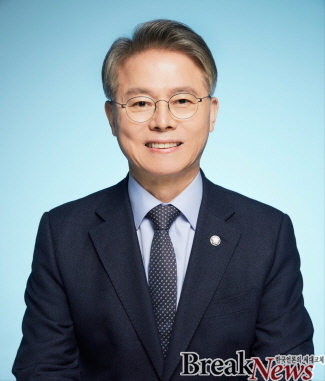
 ▲ 필자/김정기 칼럼니스트. ©브레이크뉴스 |
● 학력
- 뉴욕주립대학교(Stony Brook) 정치학과 수석 졸업
- 마케트대학교(Marquette) 로스쿨 법학박사
- 하버드대학교(Harvard) 케네디스쿨 최고위 과정
- 베이징대학교(Peking) 북한학 연구학자
● 경력
- 세계스마트시티기구(WeGO) 사무총장 (현)
- 유엔 국제전기통신연합 (UN ITU) 가상세계 및 AI 글로벌 이니셔티브 집행위원(현)
- 법무법인 대륙아주 중국 총괄 미국변호사
- 동국대학교 경영전문대학원 석좌교수
- 숭실사이버대학교 총장
- 칼럼니스트
● 저서
1. 대학생을 위한 거로영어연구[전 10권](거로출판사)
2. 나는 1%의 가능성에 도전한다(조선일보사)
3. 한국형 협상의 법칙(청년정신사)
4. 대한민국과 세계 이야기 (도서출판 책미듬)
5. Korea and the World (Advance Reader Copy).
*아래는 위 기사를 '구글 번역'으로 번역한 영문 기사의 [전문]입니다. '구글번역'은 이해도 높이기를 위해 노력하고 있습니다. 영문 번역에 오류가 있을 수 있음을 전제로 합니다.<*The following is [the full text] of the English article translated by 'Google Translate'. 'Google Translate' is working hard to improve understanding. It is assumed that there may be errors in the English translation.>
Complete Dismantling of the Prosecution: Now It Is the Turn of the 586 Activist Generation to Exit into History
- Columnist Kim Jeong-gi
For the Republic of Korea to survive, the two pillars of politics—namely, the power of the prosecution and the power of the 586 activist generation—must collapse together. For the past 30 years or so, these two appeared to be in opposition to each other, but in reality, they were the two major axes supporting the structure of hostile coexistence in Korean politics. Conservatives maintained power centered on the prosecution and legal elites, while progressives expanded their dominance across society through the 586 activist generation and the networks of labor unions, civic groups, the media, academia, and the cultural sector derived from them. The administration has changed, but the grammar of power has not. The people appeared to be the subjects of choice, but in reality, they were closer to objects mobilized within a battlefield designed by these two forces. Now, the prosecution, one of these pillars, has entered a phase of dismantling. As someone who has been a member of the conservative camp, I assert that this change is right. Therefore, the next step is clear. The headquarters of the 586 activist generation, the remaining pillar, must also be blown up.
Complete Dismantling of the Prosecution: Now It Is the Turn of the 586 Activist Generation I assert this conclusion based on my 26 years of experience as a politician, professor, lawyer, diplomat, author, and columnist. This is not merely an opinion, but a judgment built upon accumulated experience.
In 2000, at the age of 40, I was appointed the youngest university president. It was Korea Cyber University (now Soongsil Cyber University), a four-year university established by Yonsei University and the Chosun Ilbo. The experience I gained leading organizations in the field of education naturally led to a sense of responsibility for the larger public sphere. The result of that choice was politics.
In 2004, I ran for office in Seoul's Nowon-B district after receiving a strategic nomination from the Grand National Party. However, reality was harsh. It was a time when the backlash against the impeachment of Roh Moo-hyun was sweeping the nation. Elections were determined by the currents of the times, beyond individual capabilities. I lost the election in the face of that massive wave. Yet, that defeat pushed me into politics. From then on, politics became my destiny, not a choice. Subsequently, while serving as the Chairman of the International Committee in presidential candidate Lee Myung-bak's campaign, I began to contemplate the position of the Republic of Korea within the international order, extending beyond the scope of domestic politics.
In 2008, I was appointed Consul General of the Republic of Korea in Shanghai. During a time when global financial flows were in turmoil, I experienced firsthand in Shanghai the relationship between the state, the market, and power.
In 2011, while working as the U.S. attorney overseeing China for a major law firm, I also served as a professor at various universities. By lecturing across the entire spectrum of social sciences—ranging beyond my majors of law and political science to economics, history, sociology, futurology, and negotiation—I was able to cultivate not only a keen insight into the Republic of Korea and the world but also a broad perspective to view them comprehensively. "The Story of the Republic of Korea and the World," which I authored and is referred to as a textbook on presidential studies, is the culmination of those thoughts and insights.
In 2017, amidst the upheaval of the impeachment of Park Geun-hye, I returned to the forefront of politics. It was truly a return after nine years. I was elected as the chairman of the Nowon-B district chapter of the Liberty Korea Party, the successor to the Grand National Party, and served as a standing member of the National Committee representing Seoul. At the same time, I stepped forward as a regular panelist and anchor on the podcast "Jeokbanhajang," which served as the party's broadcasting station, raising my voice once again on the front lines of politics. Looking back, my political journey was never smooth. The fastest start, the fastest setback, and the longest detour; however, all these processes are connected as one. Politics was not a choice, but a path one eventually returns to.
During that period, the Moon Jae-in administration was inaugurated following the impeachment of Park Geun-hye, and the key topic in the political arena was prosecution reform. Regardless of party affiliation, I exclusively aired a broadcast supporting the direction of prosecution reform itself, led by Moon Jae-in, who was also a senior from my hometown of Geojedo. I clashed with Hong Joon-pyo, the party leader at the time. His logic was, "Prosecutors are the pool of conservative talent, so why criticize them?" However, I was convinced at that time that the prosecution was not a talent pool, but power itself.
Moon Jae-in called for prosecution reform but ultimately failed to complete it, which led to a deep sense of betrayal. I believe there was political calculation behind that incompleteness. He made a choice to guarantee his own safety after leaving office, and consequently, played a decisive role in making Yoon Suk-youl president. While it cannot be confirmed whether there was a tacit agreement between the two, the outcome was clear. Throughout the political path that propelled him from a mere chief prosecutor to Prosecutor General, and then to President, Yoon Suk-youl never touched Moon Jae-in or his family. His enforcer, Han Dong-hoon, also passed away. Moon Jae-in’s prosecution reform was incomplete. The reform, halted while leaving authority intact, eventually returned in the form of Yoon Suk-youl. However, President Yoon Suk-youl did not wield that sword to the very end, and that choice paradoxically resulted in protecting Moon Jae-in.
This issue goes beyond individual choice and is a structural one. After former President Kim Young-sam, whom I respect, purged the Hanahoe and eliminated political soldiers and the remnants of the military, the void was filled by the prosecution, which had acted as the loyal dog of the military regime. The prosecution grew under the pretext of maintaining order, but over time, it degenerated into power itself. And the pinnacle of this was Yoon Suk-yeol. However, politics is not investigation, and the state is not run by indictment. Political prosecutors are a class that fails to engage in grand investigations and instead focuses on superficial matters; they possess an inherent limitation in evolving into vessels capable of governing the state. This limitation manifested in Yoon Suk-yeol’s unconstitutional act of declaring martial law, and ultimately, he became a criminal of history. At this point, the fate of the prosecution was also decided. The structural flaws and deviations revealed at the apex of power held by a former political prosecutor culminated in systemic issues, and the prosecution eventually embarked on a path of downfall.
With the recent passage of bills establishing the Public Prosecution Service and the Serious Crimes Investigation Agency through the Cabinet, the 1978-year-old Prosecutors' Office system has vanished into history. I agree with this direction. However, I state clearly: this is not the completion of reform, but merely the beginning. There is a risk that the current reorganization will remain at the level of changing names rather than transforming the structure. If power is left behind while only the shell is changed, that power will inevitably be revived. The Korean prosecution has already repeated that history.
The model Korea must pursue is clear. Only by completely stripping the prosecution of even its supplementary investigative powers can it approach the American-style structure. In the United States, there is no organization that centrally controls prosecutorial power like Korea's Supreme Prosecutors' Office; instead, it is decentralized among federal district attorneys' offices at the regional level. The Ministry of Justice is not a power institution that dominates or controls this structure, but rather plays a supporting role through the Office of Support for District Prosecutors, a department within the Ministry. What is more important is function. The 94 federal district attorneys' offices in the U.S. focus solely on indictment and maintaining prosecutions. Investigation is entirely the responsibility of the police, and the prosecution merely provides advice and cooperation from the initial stages at the police's request when necessary. The power to indict is also exercised jointly with the grand jury, and the very concept of the prosecution directing an investigation does not exist. It is a structure that fundamentally blocks the concentration of power.
On the other hand, what about Korea? The prosecution has maintained power by holding both investigative and indictment powers simultaneously. At the time the adjustment of investigative powers between the prosecution and the police is finalized, it intends to leave room for maneuver under the name of supplementary investigative powers. This is not reform. It is opening a detour for power. Power never dismantles itself. If there is a loophole, it will inevitably exploit it. If even 1% of authority remains, it will be restored to 100%. This is the nature of power. Therefore, the answer is clear. The investigative powers of the prosecution must be completely separated. Not even the power of supplementary investigation should be retained. The prosecution must transition to a structure that focuses solely on indictment and maintaining prosecution.
In this context, I believe Lee Jae-myung’s attitude of attempting to postpone the reorganization of the prosecution for a certain period also has underlying political motives. It is highly likely that his calculation was to use the prosecution as a tool in the early stages of his administration to gain an advantage in the power struggle against the pro-Moon faction, a rival force within the party. However, the prosecution is not anyone's tool. The prosecution may appear like a sword in one's hand, but ultimately, that sword harms its master. Therefore, prosecution reform is not something to be stopped halfway; it must be completed to the very end.
However, if it stops here, the structure of Korean politics will not change. If the prosecution, which was the axis of conservative power, has collapsed, then the 586 generation of activists, the axis of progressive power, must also exit into history along with it. The 586 generation of student activists were the leading figures of the 1987 democratization movement. However, they are now the establishment. They represent a structural power deeply embedded like a poisonous mushroom across the political, labor, media, academic, cultural, and civic sectors. While they were once a force of resistance, they are now the ruling class. The problem is that they still evade responsibility by wielding the moral license of democratization.
Their evolutionary path is clear. Since 1987, they have expanded into labor, education, the media, the legal profession, and civic groups, seizing control of society as a whole, and reached their peak under the Moon Jae-in administration. The Blue House, the National Assembly, the executive and judicial branches, the Constitutional Court, the National Election Commission, local governments, and education offices have all been filled with cronyism. They define themselves as agents of justice and label opposing forces as deep-rooted evils. As a result, politics has degenerated from a space for negotiation and compromise into a moral war. The Mad Cow Disease crisis, the Sewol Ferry disaster, and the Candlelight Protests are prime examples of social events being utilized as assets for political mobilization. Public broadcasting unions, civic groups, and educational institutions functioned as bases for the dissemination of specific ideologies. Instead of a pro-democracy force, a structure of vested interests rooted in the activist movement was formed. However, this structure, too, is not eternal. The 586 generation has now entered their 60s and is entering a period of social retirement. At most, they have ten years left. Just as the prosecution collapsed, they too will disappear into history. The important thing is how we shape that process.
The zeitgeist of the 2028 general election is clear. It is a voter revolution to thoroughly cleanse the 586 activist faction remaining in the political sphere. This is not merely an election, but the first step in changing the power structure. However, the real change comes after that. A second stage, which will continue until 2030—a comprehensive purification movement by citizens—is required. Unless the vested interests of the activist movement, deeply rooted in the labor, media, academia, culture, and civic groups, are uprooted, nothing will change by merely changing politics.
This is not a change of regime, but a change of order. It is not about changing the masters of power, but about changing the structure of power. Citizens must be at the center of this. We need a democracy that begins with voting, leads to oversight, and is completed through participation.
This is not a change of regime, but a change of order. It is not about changing the masters of power, but about changing the structure of power. Citizens must be at the center of this. We need a democracy that begins with voting, leads to oversight, and is completed by participation.
The Republic of Korea is currently being called upon to undergo two revolutions simultaneously. One is the restructuring of the state power structure, initiated by the dismantling of prosecutorial power, and the other is a civic revolution to dismantle the vested interest structure pervasive throughout society, represented by the 586 generation of student activists. Only when these two axes crumble together can this country be reborn as a normal democratic republic.
What will we leave behind for the next generation? The remnants of vested interests, or a nation where responsibility and freedom are balanced? The 2030s are the time when that answer will be fully realized. And that answer depends on our choices now.
Proud democratic citizens of the Republic of Korea, it is time to act. If the dismantling of prosecutorial power has begun, it is now time to dismantle the remaining vested interest structure of the 586 generation of student activists. Only then will the Republic of Korea survive.
Proud democratic citizens of the Republic of Korea, it is time to act. If the dismantling of prosecutorial power has begun, it is now time to dismantle the remaining vested interest structure of the 586 generation. Only then will the Republic of Korea survive. Jeongkeekim@naver.com
*Author/Kim Jeong-ki
● Education
- Graduated with honors from the Department of Political Science, State University of New York (Stony Brook)
- Juris Doctor from Marquette Law School
- Executive Program at Harvard Kennedy School
- North Korean Studies Scholar at Peking University
● Career
- Secretary General of the World Smart Cities Organization (WeGO) (Current)
- Executive Committee Member for the Global Initiative on Virtual Worlds and AI, United Nations International Telecommunication Union (ITU) (Current)
- US Attorney General for China at Daeryuk Aju Law Firm
- Distinguished Professor at Dongguk University Graduate School of Business
- President of Soongsil Cyber University
- Columnist
● Publications
1. Georo English Research for University Students [10 Volumes] (Gero Publishing)
2. I Challenge the 1% Possibility (Chosun Ilbo)
3. The Rules of Korean-Style Negotiation (Cheongnyeonjeongsinsa)
4. Stories of the Republic of Korea and the World (Book Publisher Chaekmidum)
5. Korea and the World (Advance Reader Copy).