■ 현대차, 불량품은 용납 못 하면서 죽음은 용납했다
■ 납품 단가엔 안전비용이 없었다— 대전 참사, 현대차에 세 가지를 묻는다
박철성 기자〈리서치센터 국장ㆍ칼럼니스트〉
 © 호주브레이크뉴스 |
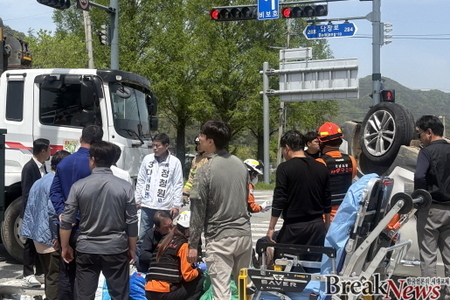
▲도면에도 없던 공간, 탈출구도 없던 공장— 화재 이후 사고조사팀이 현장을 살피고 있다.
납기가 하루 늦으면 패널티. 사람이 14명 죽었는데, 침묵.
오상열 씨는 43년을 이 공장에서 일했다. 마지막 날도 평소처럼 출근했다. 손녀는 할아버지가 저녁에 퇴근할 줄 알았다.
2026년 3월 20일 오후 1시 17분. 대전 대덕구 문평동. 점심시간이었다. 공장 안 헬스장에서 쉬던 직원들은 연기가 들어오는 걸 느꼈다.
탈출구를 찾았다. 없었다. 도면에 없는 공간이었다. 9명이 그 자리에서 죽었다. 14명이 끝내 살아 나오지 못했다.
그들은 이날도 평소처럼 출근했다. 14명 모두.
■ 안전공업 화재가 아니다— 현대차 공급망 참사다
안전공업. 1953년 설립. 직원 350여 명. 연매출 1,351억 원.
자동차·선박용 엔진밸브를 만드는 중견기업이다. 하이브리드 차량용 중공밸브를 국산화한 공로로 은탑산업훈장을 받은 회사다. 수출은 20여 개국에 이른다.
그리고 현대모비스, 현대위아 등 현대차그룹 계열사에 납품하는 1차 협력사다.
이 사실이 중요하다. 대부분의 보도는 이 지점에서 멈췄다.
안전공업 대표가 입건됐다. 경찰이 압수수색을 했다. 중대재해처벌법이 적용됐다. 보도는 그 선에서 끝났다. 원청의 이름은 제대로 불리지 않았다.
■ 현대차는 무엇을 관리ㆍ감독했는가
현대차는 공식 문서에 이렇게 명시해 뒀다. "협력사 진단·교육·협의 등 현장 밀착관리로 재해예방을 강화한다." 2026년에는 1,000개 이상의 2·3차 협력사를 대상으로 무상 안전진단을 실시하겠다고도 공지했다.
1차 협력사 안전공업은 그 진단 대상조차 아니었다. 더 직접적인 관리 대상이었다.
그렇다면 현장은 어땠나.
공장 안에는 절삭유 기름때가 바닥에 쌓여 미끄러울 정도였다는 증언이 나왔다. 직원들이 퇴사 전에 불안감을 직장인 커뮤니티에 올린 글이 2023년에 이미 있었다.
"폐 질환과 폭발화재 등 사고가 빈번한, 목숨을 담보로 하는 생산활동이 너무 불안하다." 그 글이 올라온 지 2년 뒤에 14명이 죽었다.
납품 품질은 촘촘히 관리한다. 불량품 하나도 용납하지 않는다. 납기가 하루라도 늦으면 패널티가 따른다.
품질은 관리ㆍ감독했다. 안전은 하지 않았다. 구조가 그랬다.
납품 단가에 안전 투자비용은 없었다. 안전 책임만 협력사에 떠넘겼다. 원청이 설계한 시스템이다.
사람 14명의 목숨값은 그 단가에 없었다.
■ 노조는 외쳤다, 회사는 묵살했다
황병근 한국노총 안전공업 노조위원장은 참사 이후 이렇게 말했다.
노조는 집진시설과 공조·배관 등 화재 위험 요소 개선을 줄기차게 요구해왔다고. 유증기와 기름 찌꺼기 축적 가능성을 지적했다고. 주기적인 점검과 청소를 요구했다고.
묵살됐다. 전부.
화재경보기는 인위적으로 차단됐다는 정황이 드러났다. 한국전기안전공사는 지난해 점검에서 전선로 절연 기능이 심각하게 저하됐다고 지적했다. 그런데도 A등급을 줬다.
15년간 화재가 최소 30번 발생했다는 현직 직원 증언도 나왔다. 회사는 매번 자체 진화했다. 기록도 남기지 않았다.
노조가 외쳤다. 회사가 막았다. 원청은 몰랐는가. 알고도 눈감았는가.
■ 차는 챙겼다, 유족은 챙기지 않았다
참사 직후 현대차의 움직임을 보자.
엔진밸브 재고를 점검했다. 대체 공급처를 모색했다. 생산 중단 차종을 즉각 발표했다.
제네시스 전 차종. 아반떼 하이브리드. 그랜저 2.5L. 싼타페 2.5T. 팰리세이드. 6월까지 생산을 멈춘다.
차 걱정은 발 빠르게 움직였다.
유족은 어땠는가.
유가족 대표 송영록 씨는 3월 30일 기자회견장에서 이렇게 말했다. 사측에 1차 협의안을 보냈다고. 답변이 오지 않았다고.
이건 안전공업을 향한 말이었다.
원청 현대차가 유족을 찾아갔는지. 어떤 위로를 전했는지. 어느 언론도 확인하지 못했다. 현대차도 밝히지 않았다.
차종 목록은 즉각 나왔다. 유족을 찾았다는 말은 없었다.
그 침묵이 답이다.
■ 중대재해처벌법은 처벌법이지, 예방법이 아니다
아리셀 화재 이후 중대재해처벌법이 강화됐다고 했다. 대표에게 실형이 선고됐다. 그런데 14명이 또 죽었다.
중대재해처벌법은 처벌법이다. 참사 이후 가해자를 벌하는 법이다. 참사 이전 예방 체계를 바꾼 법이 아니다.
14명이 죽기 전에 무단 증축을 적발하고, 절삭유 축적을 시정하고, 스프링클러를 강제할 수 있는 사전 감독 체계는 어디에 있었는가. 법은 사후에 작동한다. 사전에 작동해야 할 감독. 그것은 원청의 몫이다.
■ 현대차에 세 가지를 묻는다
2025년 현대차의 영업이익은 11조4,679억 원이었다. 그룹 전체로는 20조5,460억 원이었다. 그 이익의 일부는 안전공업이 만든 엔진밸브에서 나왔다. 그 엔진밸브를 만들던 노동자들이 도면에도 없는 공간에서 탈출구를 찾다 죽었다.
기자는 현대차에 세 가지를 묻는다.
첫째, 참사 이후 현대차는 유족을 찾아갔는가.
둘째, 현대차는 1차 협력사 안전관리 실태를 자체 점검했는가. 납품 단가에 안전 투자 비용이 반영돼 있는지 검토했는가.
셋째, 협력사 안전을 납품 품질처럼 감시하는 시스템을 만들 의지가 있는가.
대전 대덕구 문평동. 43년을 이 공장에서 일한 오상열 씨는 출근 후 돌아오지 못했다. 아내는 운구차에 실리는 남편의 관을 보며 주저앉아 오열했다. 손녀는 할아버지가 저녁에 퇴근할 줄로만 알고 있었다.
손녀는 할아버지를 기다렸다. 우리는 현대차의 답을 기다리지 않는다. 요구한다.
아래는 위 기사를 구글 번역을 통해 영문으로 옮긴 전문입니다. 이해를 돕기 위한 참고용 번역으로, 일부 표현에는 원문의 뉘앙스와 차이가 있을 수 있습니다.
The following is a reference translation generated for reader convenience. Some nuances may differ from the original Korean text.
■ Hyundai Rejects Defective Parts—But Accepted 14 Deaths
■ No Safety Costs in the Supply Price—Three Questions for Hyundai Over the Daejeon Disaster
By Park Cheol-seong, Veteran Journalist / 〈Director of the Research Center · Columnist〉
|
▲ ©호주브레이크뉴스 |
▲The accident investigation team surveys the ruins—a factory with no escape routes, in a space that existed on no blueprint.
A day's delay in delivery means penalties. Fourteen people died—and there was silence.
Oh Sang-yeol had worked at this factory for 43 years. He clocked in that last day, just like any other. His granddaughter expected him home by evening.
March 20, 2026. 1:17 p.m. Munpyeong-dong, Daedeok-gu, Daejeon. It was lunchtime. Workers resting in the factory gym began to smell smoke.
They looked for a way out. There was none. The space appeared on no blueprint. Nine died on the spot. Fourteen never made it out.
They had all come to work that day, just like any other. All fourteen.
■ This Is Not an Anjeon Gongup Fire—This Is a Hyundai Supply Chain Disaster
Anjeon Gongup. Founded 1953. Some 350 employees. Annual revenue of 135.1 billion won. A mid-sized manufacturer of engine valves for automobiles and ships. A company decorated with the Silver Tower Order of Industrial Service Merit for domesticating hollow valves for hybrid vehicles. Exports reach more than 20 countries.
And a Tier 1 supplier to Hyundai Motor Group affiliates including Hyundai Mobis and Hyundai Wia.
That fact matters. Most coverage stopped right there. The CEO of Anjeon Gongup was booked. Police conducted a search and seizure. The Serious Accidents Punishment Act was invoked. Reporting ended at that line. The name of the prime contractor was never properly called out.
■ What Did Hyundai Actually Manage and Supervise?
Hyundai has this written into its official documents: "We strengthen disaster prevention through on-site management of suppliers, including diagnosis, training, and consultation." It also announced plans to conduct free safety assessments for more than 1,000 Tier 2 and Tier 3 suppliers in 2026.
Anjeon Gongup, a Tier 1 supplier, was not even on that list. It was supposed to be under more direct oversight.
So what was the actual state of the workplace?
Witnesses said cutting oil residue had accumulated on the factory floor to the point of being slippery. As far back as 2023, employees posted their anxieties on a workplace community forum before resigning. "Accidents involving lung disease, explosions, and fires are frequent. Working here feels like gambling with your life." Two years after those words were written, fourteen people were dead.
Delivery quality is managed meticulously. Not a single defective part is tolerated. Miss a deadline by one day and penalties follow.
Quality was managed and supervised. Safety was not.
There was no budget for safety investment in the supply price. Safety responsibility was offloaded entirely onto the supplier. A system designed by the prime contractor.
The lives of fourteen people were not in that price.
■ The Union Cried Out—The Company Ignored It
Hwang Byeong-geun, chairman of the FKTU Anjeon Gongup union, said this after the disaster.
The union had persistently demanded improvements to dust collection facilities, ventilation systems, and piping—all fire hazards. It had flagged the risk of oil mist and residue accumulation. It had called for regular inspections and cleaning.
All of it was ignored.
Evidence emerged that fire alarms had been manually disabled. The Korea Electrical Safety Corporation flagged serious deterioration of wire insulation during a inspection last year—yet the facility received an A rating.
A current employee testified that at least 30 fires had broken out over the past 15 years. Each time, the company put them out itself. No records were kept.
The union cried out. The company silenced it. Did the prime contractor not know? Or did it know—and look away?
■ They Looked After the Cars—Not the Bereaved
Look at Hyundai's movements immediately after the disaster.
Inventory of engine valves was checked. Alternative suppliers were sought. A list of production halts was announced without delay.
All Genesis models. Avante Hybrid. Grandeur 2.5L. Santa Fe 2.5T. Palisade. Production stops through June.
Moving fast—for the cars.
What about the families of the dead?
Song Yeong-rok, representative of the bereaved families, said this at a press conference on March 30. The families had sent a first proposal to the company. No reply had come.
That was directed at Anjeon Gongup.
Whether Hyundai—the prime contractor—visited the families. What words of condolence it offered. No media outlet confirmed it. Hyundai said nothing.
The list of suspended models came out immediately. There was no word of anyone visiting the bereaved.
That silence is the answer.
■ The Serious Accidents Punishment Act Punishes—It Does Not Prevent
After the Aricel fire, we were told the Serious Accidents Punishment Act had been strengthened. The CEO received a prison sentence. And then fourteen people died again.
This question cannot be avoided. The Serious Accidents Punishment Act is a punishment law. It is a law that penalizes perpetrators after a disaster. It is not a law that transformed the prevention system before a disaster.
Where was the advance supervisory system that could have caught the illegal extension before fourteen people died at Anjeon Gongup—that could have addressed the cutting oil buildup, that could have mandated sprinklers? The law operates after the fact. The oversight that must operate before the fact. That too is the prime contractor's responsibility.
■ Three Questions for Hyundai
In 2025, Hyundai Motor's operating profit was 11.4679 trillion won. Across the group, it was 20.5460 trillion won. Part of that profit came from the engine valves made at Anjeon Gongup. The workers who made those valves died searching for an exit in a space that appeared on no blueprint.
This reporter has three questions for Hyundai.
First: After the disaster, did Hyundai visit the bereaved families?
Second: Has Hyundai conducted its own review of safety management conditions at its Tier 1 suppliers? Has it examined whether safety investment costs are reflected in supply prices?
Third: Does Hyundai have the will to build a system that supervises supplier safety the way it supervises supplier quality?
Munpyeong-dong, Daedeok-gu, Daejeon. Oh Sang-yeol, who had worked at this factory for 43 years, clocked in one morning and never came home. His wife collapsed in tears watching her husband's casket loaded into the hearse. His granddaughter thought her grandfather would walk through the door by evening.
His granddaughter waited for her grandfather. We are not waiting for Hyundai's answer. We demand it.
원본 기사 보기:호주브레이크뉴스