몰타의 교통 환경은 방문자나 거주자 모두에게 적지 않은 혼란을 안겨준다.
신호등이 상대적으로 부족하고, 라운드어바웃 중심의 도로 구조 속에서
차량·자전거·보행자가 동시에 진입하는 상황이 빈번하게 발생한다.
이러한 환경은 운전자에게 높은 수준의 주의와 즉각적인 판단을 요구하며,
그 과정에서 경적 사용이나 차선 갈등과 같은 긴장된 장면이 일상적으로 나타난다.
실제 도로에서는 속도를 내기 어려울 정도로 혼잡한 상황이 반복된다.
그럼에도 불구하고 차량 간 접촉사고나 경미한 충돌은
비교적 자주 발생하는 편이다.
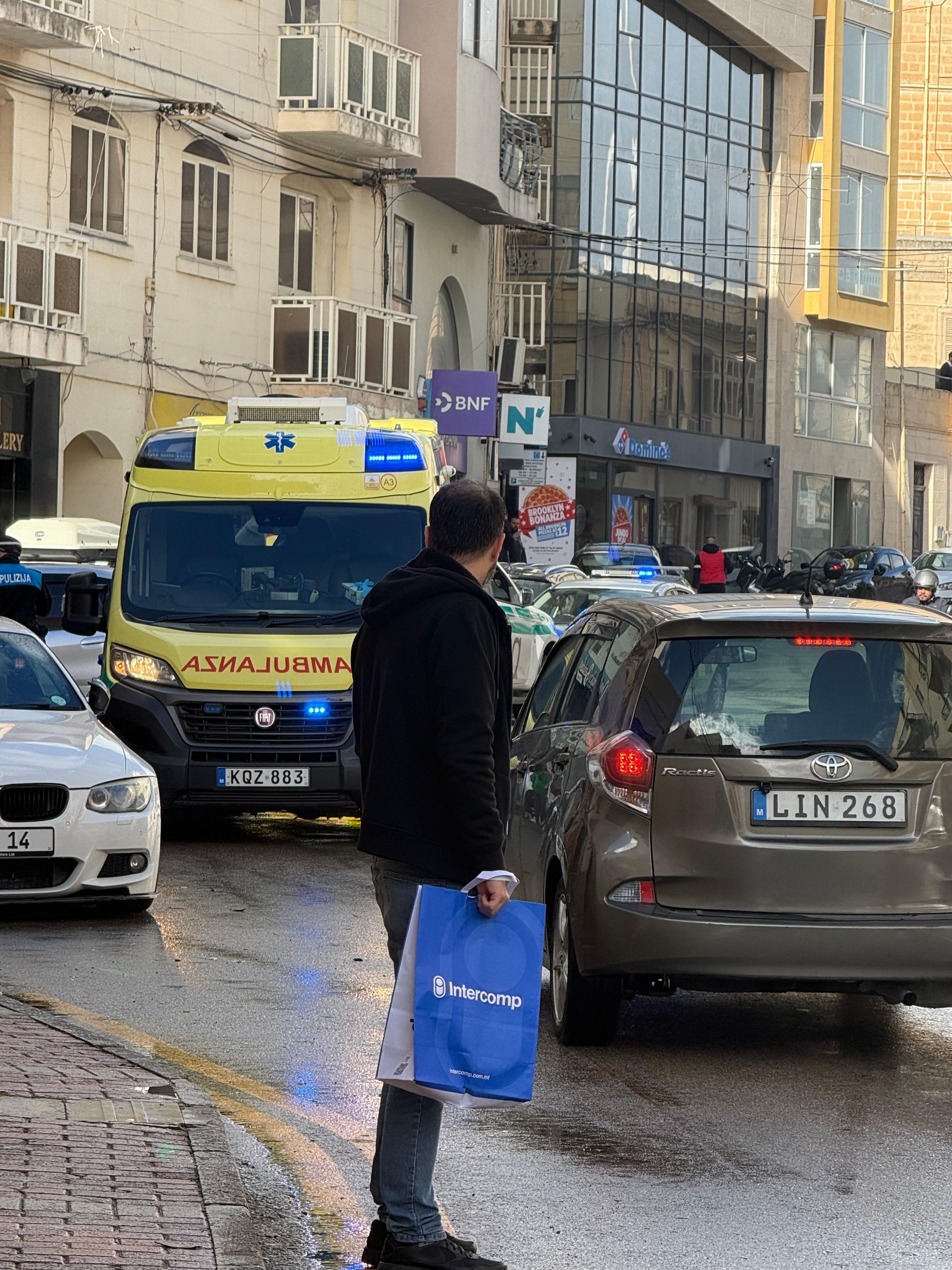
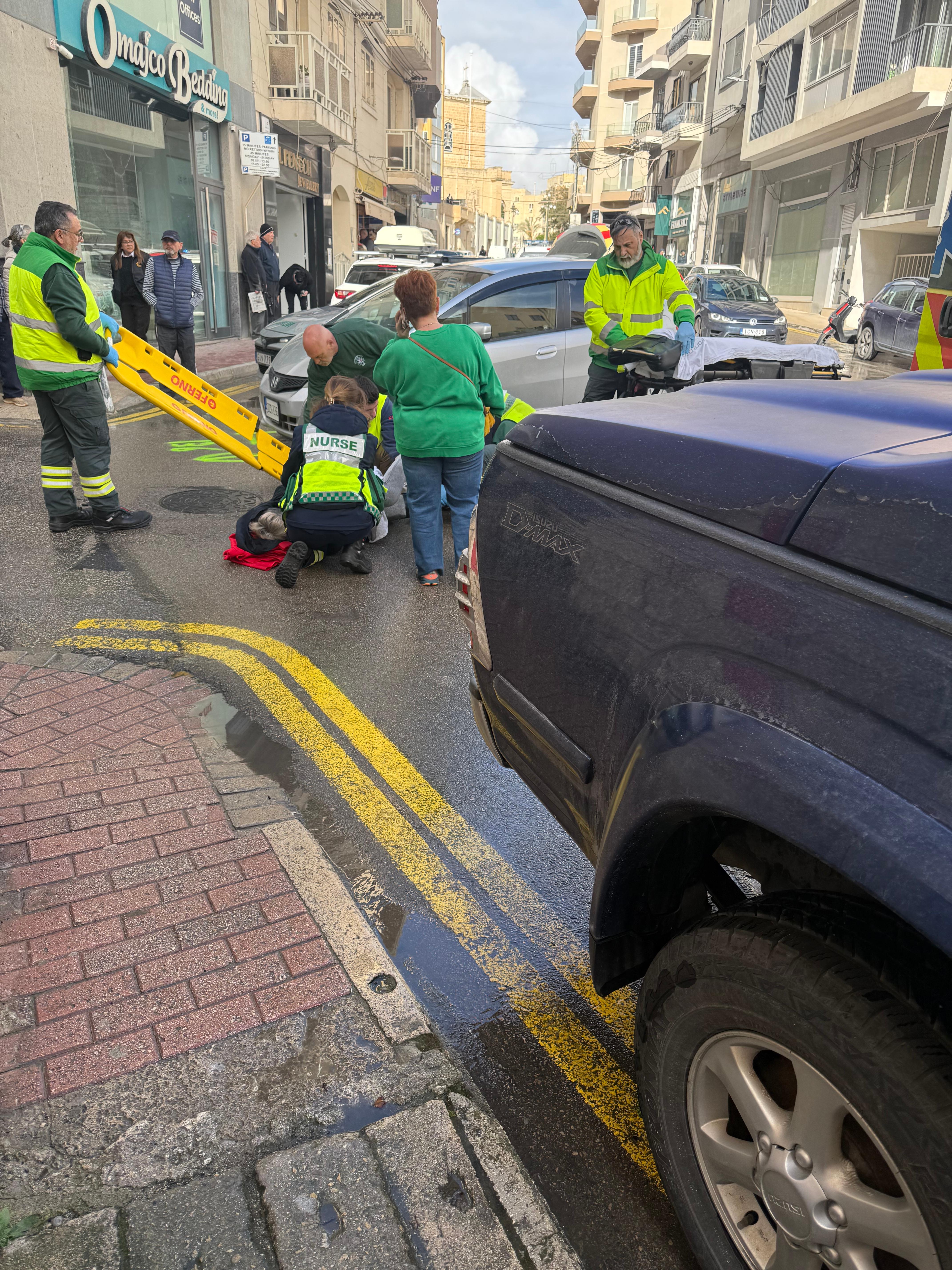
필자 역시 최근 복잡한 도로 상황 속에서 사고로 이어지는 장면을 직접 목격한 바 있다.
이는 몰타 교통의 특징이 ‘과속’이 아닌 ‘혼잡과 비체계성’에 있음을 보여준다.
통계 역시 이러한 인식을 일정 부분 뒷받침한다.
몰타에서는 연간 약 1만 4천 건에서 1만 6천 건에 이르는
교통사고가 발생하는 것으로 알려져 있다.
2023년 기준 약 1만 6천 건 이상의 사고가 보고되었으며,
이는 인구 규모를 고려할 때 적지 않은 수준이다.
다만 주목할 점은 사망자 수가 상대적으로 낮다는 점이다.
같은 해 교통사고 사망자는 10명대에 머물렀으며,
인구 대비 사망률은 국제적으로 낮은 수준에 속한다.
이러한 수치는 몰타 교통 환경의 이중적인 특성을 보여준다.
사고 발생 빈도는 높은 반면,
도로 폭이 좁고 평균 주행 속도가 낮은 구조적 특성으로 인해
대형 사고로 이어질 가능성은 상대적으로 제한적이다.
즉, 위험이 ‘치명성’보다는 ‘빈도’의 형태로 나타난다고 볼 수 있다.
한편 운전면허 취득 과정과 관련한 불신 역시 일부 존재한다.
반복적인 교습 요구나 절차의 불투명성에 대한 지적은 현지에서도 종종 제기된다.
이러한 요소는 개인이 운전을 선택하기보다
대중교통이나 차량 호출 서비스를 선호하게 만드는 요인으로 작용하기도 한다.
결과적으로 몰타의 교통 문제는 단순한 인프라 부족을 넘어,
체계와 질서의 문제로 이해할 필요가 있다.
사고의 빈도를 줄이기 위한 제도적 개선과 더불어,
도로 이용 전반에 대한 인식 변화가 병행될 때보다
안전한 교통 환경이 마련될 수 있을 것이다.
Malta’s traffic environment presents a unique set of challenges
for both residents and visitors.
With relatively few traffic lights and a road system heavily reliant on roundabouts,
vehicles, cyclists, and pedestrians often converge simultaneously.
This creates a driving environment that demands constant attention
and quick decision-making, where the use of horns
And lane-related disputes are not uncommon.
In practice, congestion is a defining feature of Malta’s roads.
Even in areas where high speeds are unlikely,
minor collisions and vehicle contact occur with notable frequency.
The issue is not excessive speed,
but rather the lack of systematic flow and coordination.
Statistics support this observation.
Malta records approximately 14,000 to 16,000 traffic accidents annually,
a considerable figure given its population size. In 2023 alone,
over 16,000 incidents were reported.
However, the number of fatalities remains relatively low,
with deaths in the low double digits.
Compared internationally,
Malta’s fatality rate per capita is below the global average.
This contrast highlights a dual characteristic of Malta’s road conditions:
While accidents are frequent, they are less likely to be fatal.
Narrow roads and generally low driving speeds limit the severity of collisions.
In this sense, the primary risk lies in frequency rather than lethality.
Concerns have also been raised regarding the transparency of the driving license process.
Reports of repeated lesson requirements
and administrative ambiguity contribute to a degree of public skepticism.
As a result, many individuals opt for ride-hailing services rather than personal driving.
Ultimately, Malta’s traffic issues extend beyond infrastructure alone.
They reflect broader challenges in organization, regulation,
and road-use culture. Addressing these issues will require not only structural
improvements but also a shift in collective awareness and driving practices.
マルタの交通環境は、居住者や訪問者にとって独特の難しさを伴っている。
信号機が比較的少なく、ラウンドアバウトを中心とした道路構造の中で、
自動車・自転車・歩行者が同時に進入する場面が多く見られる。
このような状況は、運転者に常に高い注意力と瞬時の判断を求め、
クラクションの使用や車線をめぐるトラブルも日常的に発生している。
実際の道路では、速度を出すことが難しいほどの混雑が続いている一方で、
軽微な接触事故は比較的頻繁に起きている。
問題の本質は速度ではなく、
交通の流れにおける秩序や体系の不足にあると言える。
統計的にもこの傾向は裏付けられている。
マルタでは年間約1万4千件から1万6千件の交通事故が発生しており、
人口規模を考慮すると決して少ない数ではない。
2023年には1万6千件以上の事故が報告されているが、
死亡者数は十数人程度にとどまり、
人口当たりの死亡率は国際的に見ても低い水準にある。
このことは、マルタの交通環境が持つ二面性を示している。
事故の発生頻度は高いものの、道路が狭く平均速度が低いため、
重大事故に至るケースは比較的少ない。
すなわち、リスクは「致死性」ではなく「頻度」に現れているのである。
また、運転免許取得の過程に対する不信感も一部で指摘されている。
追加教習の繰り返し要求や手続きの不透明さが、
制度への懐疑を生む要因となっている。
その結果、自家用車の運転を避け、
配車サービスを利用する傾向も見られる。
総じて、マルタの交通問題は単なるインフラの不足にとどまらず、
制度や秩序、そして交通文化全体に関わる課題である。
より安全な環境を実現するためには、
制度改善と意識改革の双方が求められている。