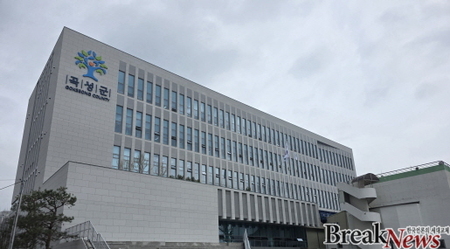
▲ 전라남도교육청 전경 |
(무안=브레이크뉴스) 이학수 기자=전라남도교육청과 광주광역시교육청이 40년 만에 이뤄지는 교육행정 통합에 발맞춰 자치법규 정비에 본격적으로 나선다. 양 교육청은 이원화된 자치법규의 충돌을 해소하고 단일 행정체계를 구축해 통합교육청의 정책 일관성을 확보한다는 방침이다.
현재 전남교육청(361건)과 광주교육청(318건)이 보유한 자치법규는 총 679건에 달한다. 양 교육청은 실무협의체를 통해 이 중 통합 즉시 시행이 필요한 필수 자치법규 100건을 우선 선정했다.
정비 사업은 ‘필수 → 안정화 → 일원화 → 정비 완료’라는 4단계 원칙에 따라 추진된다. 출범 이전에는 기관 운영과 재정 관리 등 행정의 핵심이 되는 법규를 우선 손질하고, 출범 이후 지역별 특수성과 이해관계를 반영해 점진적으로 일원화할 계획이다.
통합 로드맵에 따르면, 양 교육청은 오는 ▲4월 통합안 마련 ▲5월 입법예고 및 합동 심의 ▲6월 인수위원회 보고를 거쳐, 7월 1일 통합교육청 출범과 동시에 자치법규를 공포·시행한다.
특히 이번 정비 과정에서는 행정 효율성을 높이기 위한 파격적인 조치도 도입된다. 개별 소관 부서에서 담당하던 입법예고, 성별영향평가, 부패영향평가 등 사전 절차를 양 교육청 법제업무 부서가 일괄 수행함으로써 일선 부서의 업무 부담을 대폭 줄였다.
통합교육청의 전문성과 자율성을 뒷받침할 법적 근거도 마련된다. 양 교육청은 ▲영재학교 지정·설립 및 운영 ▲외국교육기관 설립 운영 ▲부교육감 사무분장 및 조직권 ▲지역교육발전위원회 구성 등 특별법 위임 사항을 담은 자치법규를 함께 제정해 교육 자치권을 강화할 예정이다.
이선국 전라남도교육청 행정국장은 “자치법규 통합은 단순한 제도 정비를 넘어 광주와 전남이 하나의 교육공동체로 나아가는 실질적인 첫걸음”이라며, “7월 1일 새로운 교육 자치 시대가 차질 없이 열릴 수 있도록 입법과 행정적 준비에 만전을 기하겠다”고 밝혔다.
한편, 정무적 판단이 필요한 일부 법규는 별도 계획에 따라 추진되며, 행정 공백을 막기 위해 필수 항목 외에도 추가적인 통합 대상 발굴 작업을 지속할 방침이다.
아래는 위 기사를 '구글 번역'으로 번역한 영문 기사의 [전문] 입니다. '구글번역'은 이해도를 높이기를 위해 노력하고 있습니다. 영문 번역에 오류가 있을 수 있음을 전제로 합니다. The following is [the full text] of the English article translated by 'Google Translate'. 'Google Translate' is working hard to improve understanding. It is assumed that there may be errors in the lish translation.
Jeonnam and Gwangju Offices of Education Accelerate Overhaul of Local Ordinances for ‘Integration After 40 Years’
Priority Integration of 100 Essential Ordinances to Coincide with Launch of Integrated Offices on July 1; Phased Overhaul to Minimize Administrative Confusion; Special Provisions to Strengthen Educational Autonomy Also Enacted
(Muan = Break News) Reporter Lee Hak-su = The Jeollanam-do Office of Education and the Gwangju Metropolitan Office of Education are embarking on a full-scale overhaul of local ordinances to align with the integration of educational administration, which is taking place for the first time in 40 years. Both offices plan to resolve conflicts arising from the bifurcated local ordinances and establish a unified administrative system to ensure policy consistency for the integrated offices.
Currently, the Jeonnam Office of Education (361 cases) and the Gwangju Office of Education (318 cases) hold a total of 679 local ordinances. Through a working-level consultative body, both offices prioritized the selection of 100 essential local ordinances that require immediate implementation upon integration. The reorganization project will be implemented according to a four-stage principle: "Essential → Stabilization → Unification → Completion of Reorganization." Prior to the launch, regulations that are central to administration—such as institutional operations and financial management—will be revised first. After the launch, the plan is to gradually unify these regulations by reflecting regional specificities and interests.
According to the integration roadmap, the two Offices of Education will proceed through the following steps: preparing an integration plan in April, issuing legislative notice and conducting joint deliberations in May, and reporting to the Transition Committee in June. Consequently, the integrated Office of Education will launch on July 1, simultaneously promulgating and implementing autonomous ordinances.
In particular, unconventional measures to enhance administrative efficiency will be introduced during this reorganization process. By having the legislative affairs departments of both Offices of Education collectively handle preliminary procedures—such as legislative notice, gender impact assessments, and corruption impact assessments—which were previously managed by individual departments, the workload on frontline departments has been significantly reduced.
Legal grounds will also be established to support the expertise and autonomy of the integrated Office of Education. Both Offices of Education plan to strengthen educational autonomy by jointly enacting autonomous ordinances that include matters delegated by the Special Act, such as the designation, establishment, and operation of gifted schools; the establishment and operation of foreign educational institutions; the division of duties and organizational authority of the Deputy Superintendent; and the formation of the Regional Education Development Committee.
Lee Seon-guk, Director of the Administrative Bureau at the Jeollanam-do Office of Education, stated, “The integration of autonomous ordinances goes beyond mere institutional overhauls; it is a practical first step toward Gwangju and Jeollanam-do moving forward as a single educational community.” He added, “We will make every effort in legislative and administrative preparations to ensure that a new era of educational autonomy opens without setbacks on July 1.”
Meanwhile, some ordinances requiring political judgment will be pursued according to a separate plan, and the office intends to continue identifying additional targets for integration beyond the essential items to prevent any administrative gaps.
원본 기사 보기:브레이크뉴스 전남