트럼프 미 대통령이 이란에 다시 최후통첩(ultimatum)을 보냈다. 이란에 호르무즈 해협 개방 시한으로 미 동부시간 7일 오후 8시를 제시하고, 이를 이행하지 않을 경우 발전소 등 핵심 인프라를 타격하겠다고 밝혔다. 월스트리트저널 인터뷰에서 그는 “호르무즈 해협을 열지 않으면 공격하겠다”며 “이란은 전국에 있는 모든 발전소와 다른 모든 시설을 잃게 될 것”이라고 경고했다.
겉으로 보면 협상이다. 시한이 있고 조건이 있으며 합의 가능성도 열려 있다. 그러나 본질은 협상이 아니다. 협상의 형식을 빌린 강압적 압박이다.
 ▲ 도널드 트럼프 미국 대통령. 워싱턴=AP/뉴시스 |
협상(negotiation)은 상대를 굴복시키는 기술이 아니다. 충돌을 새로운 질서로 전환하는 과정이다. 내가 저술한 『한국형 협상의 법칙(The Art of K-Negotiation)』이 말하듯 협상은 서로를 만족시키는 구조를 창조하는 행위다. 이 점에서 트럼프의 접근은 출발부터 어긋나 있다.
지금 그가 던진 것은 이익(interests)이 아니라 입장(position)이다. “해협을 열어라. 그렇지 않으면 파괴한다.”는 것이다. 이란 역시 “위협 속에서는 물러설 수 없다”는 입장으로 맞설 것이다. 이렇게 되면 협상은 시작조차 못 한다. 서로의 요구만 충돌할 뿐이다.
협상은 입장의 충돌이 아니라 이익의 조정이어야 한다. 미국의 이익은 해협 개방, 유가 안정, 확전 방지다. 이란의 이익은 체제 생존, 타격 회피, 경제 완화다. 이익으로 접근하면 길이 보이지만, 입장으로 접근하면 충돌만 남는다.
문제는 여기서 끝나지 않는다. 트럼프가 간과한 더 근본적인 요소가 있다. 신뢰(trust)다. 협상은 힘으로 시작되는 것이 아니라 신뢰 위에서 시작된다. 신뢰가 없으면 어떤 제안도 지속되지 못하고, 어떤 합의도 유지될 수 없다. 그러나 지금 트럼프의 방식은 신뢰를 쌓는 것이 아니라 상호 불신을 극대화하는 구조다.
“해협을 열지 않으면 발전소를 파괴하겠다”는 말은 협상의 언어가 아니다. 상대를 협상장으로 끌어오는 말이 아니라, 협상장 밖으로 밀어내는 말이다. 이란의 선택지는 굴복하거나, 버티거나로 단순해진다. 이 순간 협상은 사실상 끝난다. 협상은 선택지를 넓히는 과정인데, 지금은 선택지를 제거하고 있기 때문이다.
트럼프의 접근은 전형적인 윈-루즈(win-lose) 구조다. 상대를 굴복시켜야 끝나는 협상이다. 그러나 국제정치는 다르다. 상대를 무너뜨린 합의는 오래가지 않는다. 특히 이란과 같은 신정체제는 공개적 굴복을 감당할 수 없다. 협상의 핵심은 상대를 벽으로 모는 것이 아니라, 상대가 스스로 걸어 나올 수 있는 출구를 만드는 것이다.
이번 발언은 강한 앵커링(anchoring) 전략이기도 하다. “모든 발전소를 파괴하겠다”는 극단적 기준을 먼저 던져 협상장의 기준점을 끌어올린다. 그러나 앵커링은 과도하면 독이 된다. 위협이 지나치면 상대는 협상장에 나오지 않는다. 오히려 “차라리 버티겠다”는 선택을 하게 만든다.
더 중요한 것은 배트나(BATNA), 즉 선택적 대안이다. 미국의 대안은 군사 공격이다. 그러나 그 비용은 결코 가볍지 않다. 호르무즈 해협은 세계 에너지의 핵심 통로다. 긴장만으로도 국제 유가는 출렁인다. 군사 행동은 유가 상승, 동맹 부담, 중동 확전으로 이어진다. 이란 역시 봉쇄 장기화는 체제 자체를 흔든다. 양측 모두 대안을 갖고 있지만, 그것은 지나치게 비싼 선택이다. 이럴 때 협상은 선택이 아니라 필수다.
또 하나 간과할 수 없는 것이 있다. 정당성(legitimacy)이다. 발전소와 교량 같은 민간 인프라를 공격 대상으로 공개적으로 언급하는 순간, 국제법적인 측면은 물론 도덕적 정당성은 크게 흔들린다. 힘은 유지할 수 있어도 명분을 잃는다. 국제정치는 힘만으로 움직이지 않는다. 명분이 결합된 힘만이 지속된다.
그리고 이 문제는 이란만의 문제가 아니다. 트럼프의 발언은 동맹국과 국제사회 전체를 향한 메시지다. 문제는 그 메시지가 신뢰를 강화하는 것이 아니라 불확실성을 확대한다는 데 있다. 동맹은 군사력으로 유지되는 것이 아니라 예측 가능성과 신뢰로 유지된다. 지금의 방식은 그 기반을 약화시키고 있다.
더 나아가 이 접근은 단기적 압박을 통해 협상력을 높이려는 정치적 계산일 수 있다. 그러나 국제정치는 국내 정치와 다르다. 국내에서는 강경한 언어가 지지층 결집을 가져올 수 있지만, 국제 무대에서는 신뢰의 비용으로 돌아온다. 강한 메시지가 곧 강한 협상력을 의미하지는 않는다.
나는 협상의 본질을 이렇게 본다. 협상은 상대를 무너뜨리는 기술이 아니라, 상대가 움직일 수 있는 안전한 공간을 만들어 주는 기술이다. 그 첫 번째 공간의 이름이 바로 신뢰다.
트럼프는 강한 압박이 상대를 굴복시킨다고 믿는다. 그러나 국가 간 협상은 다르다. 외부 압박이 강해질수록 상대의 내부 결속은 더 강해진다. 위협(threat)은 양보(concession)를 만드는 것이 아니라 저항을 강화하는 촉매가 된다.
결국 해법은 분명하다. 입장이 아니라 이익을 보라. 압박이 아니라 출구를 설계하라. 힘이 아니라 신뢰를 구축하라. 군사적 선택의 비용을 계산하라. 이것이 협상의 기본이다.
나는 분명히 말한다. 이 방식은 협상이 아니다. 충돌을 필연으로 만드는 구조다. 그리고 그 비용은 이란만이 아니라, 미국과 동맹국, 그리고 국제질서 전체가 함께 치르게 된다.
협상은 협박으로 완성되지 않는다. 협상은 신뢰로 완성된다. 지금 중동에 필요한 것은 더 강한 무기가 아니다. 더 강한 신뢰다. 그것이 위기의 시대에 지도자가 반드시 회복해야 할 첫 번째 조건이다. Jeongkeekim@naver.com
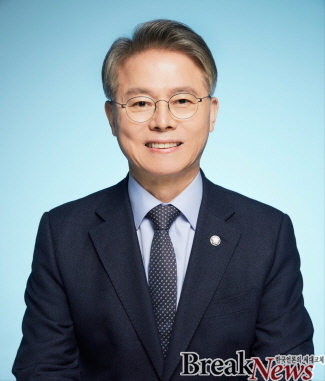
*필자/김정기
 ▲필자/ 김정기 '한국형 협상의 법칙(청년정신사)'의 저자. ©브레이크뉴스 |
● 학력- 뉴욕주립대학교(Stony Brook) 정치학과 수석 졸업- 마케트대학교(Marquette) 로스쿨 법학박사- 하버드대학교(Harvard) 케네디스쿨 최고위 과정- 베이징대학교(Peking) 북한학 연구학자
● 경력
세계스마트시티기구(WeGO) 사무총장 (현) -유엔 국제전기통신연합 (UN ITU) 가상세계 및 AI 글로벌 이니셔티브 집행위원(현) -제8대 주상하이 대한민국 총영사 -2010 상하이 세계 엑스표 대한민국관 정부대표 -법무법인 대륙아주 중국 총괄 미국변호사 -동국대학교 경영전문대학원 석좌교수 –숭실사이버대학교 총장 –칼럼니스트.
● 저서
1. 대학생을 위한 거로영어연구[전 10권](거로출판사) 2. 나는 1%의 가능성에 도전한다(조선일보사) 3. 한국형 협상의 법칙(청년정신사) 4. 대한민국과 세계 이야기 (도서출판 책미듬) 5. Korea and the World (Advance Reader Copy).
[영문 칼럼]Trump Delays Ultimatum — Negotiation Is Not Power, but Trust
(By Jeong-kee Kim, Political Columnist; Author of The Art of K-Negotiation)
Donald Trump has once again issued an ultimatum to Iran. He set a deadline of 8:00 PM Eastern Time on the 7th for reopening the Strait of Hormuz, warning that failure to comply would result in strikes on critical infrastructure, including power plants. In an interview with The Wall Street Journal, he stated, “If they don’t open the Strait, we will attack,” adding that “Iran will lose all its power plants and other facilities across the country.”
At first glance, this appears to be negotiation. There is a deadline, conditions, and even the appearance of a possible agreement. But in substance, it is not negotiation. It is coercion disguised in the form of negotiation.
Negotiation is not a technique to force submission. It is a process of transforming conflict into a new order. As I argued in The Art of K-Negotiation, negotiation is the act of creating a structure that satisfies both sides. From this perspective, Trump’s approach is flawed from the outset.
What he has presented is not interests, but positions. “Open the Strait, or face destruction.” Iran, in turn, will respond with its own position: “We will not yield under threat.” In such a structure, negotiation cannot even begin. Only a collision of demands remains.
Negotiation must move beyond positions and focus on interests. The United States seeks open sea lanes, stable oil prices, and avoidance of escalation. Iran seeks regime survival, avoidance of strikes, and economic relief. When viewed through interests, pathways emerge. When reduced to positions, only confrontation remains.
But the deeper flaw lies elsewhere: trust.
Negotiation does not begin with power; it begins with trust. Without trust, no proposal is sustainable, and no agreement endures. Yet Trump’s approach does not build trust—it maximizes mutual distrust.
“Open the Strait or we destroy your infrastructure” is not the language of negotiation. It does not bring the other party to the table; it pushes them away from it. Iran’s choices become binary: submit or resist. At that moment, negotiation effectively ends. Negotiation is about expanding options, yet here options are being eliminated.
This is a classic win-lose framework—one side must lose for the other to win. But international politics does not function that way. Agreements built on humiliation do not last. A theocratic regime like Iran cannot afford visible capitulation. The essence of negotiation is not to corner the opponent, but to create an exit through which they can walk out on their own terms.
This statement also reflects an extreme anchoring strategy—setting an initial benchmark so high that it shifts the entire negotiation range. But when anchoring becomes excessive, it backfires. If the threat is too severe, the counterpart simply refuses to engage. Instead of negotiation, it produces defiance.
More critically, we must examine BATNA—the Best Alternative to a Negotiated Agreement. The U.S. alternative is military action. But the cost is far from trivial. The Strait of Hormuz is a vital artery of global energy supply. Even tension alone destabilizes oil markets. Military escalation risks soaring energy prices, allied burden-sharing, and regional war. Iran, too, faces severe consequences from prolonged closure. Both sides have alternatives—but they are prohibitively expensive. In such cases, negotiation is not optional; it is necessary.
There is also the issue of legitimacy. Publicly threatening to strike civilian infrastructure such as power plants and bridges undermines both legal and moral standing. Power may be maintained, but legitimacy is lost. International politics does not operate on power alone; only power combined with legitimacy endures.
And this is not just about Iran. Trump’s message is directed at allies and the broader international community. The problem is that it does not reinforce trust—it amplifies uncertainty. Alliances are not sustained by military capability alone, but by predictability and trust. This approach weakens that foundation.
One might argue this is a calculated political move—to increase leverage through pressure. But international politics is not domestic politics. Strong rhetoric may consolidate domestic support, but it comes at the cost of trust on the global stage. Strong words do not necessarily translate into strong negotiation power.
My view of negotiation is clear: it is not the art of breaking the opponent, but the art of creating a safe space in which the opponent can move. The name of that space is trust.
Trump appears to believe that greater pressure yields greater submission. But in state-to-state relations, the opposite is often true. The stronger the external pressure, the stronger the internal cohesion of the opponent. Threats do not produce concessions—they reinforce resistance.
The solution is clear. Shift from positions to interests. Replace pressure with fear. Build trust instead of fear. Calculate the true cost of military alternatives. This is the foundation of negotiation.
Let me be clear: this is not negotiation. It is a structure that makes conflict inevitable. And the cost will not be borne by Iran alone, but by the United States, its allies, and the international order as a whole.
Negotiation is not completed by coercion. Negotiation is completed by trust. What the Middle East needs today is not stronger weapons, but stronger trust. That is the first condition any leader must restore in an age of crisis.
Jeongkeekim@naver.com
*Author / Jeong-kee Kim
● Education
-B.A. in Political Science (Summa Cum Laude), State University of New York at Stony Brook -Doctor of Jurisprudence, Marquette University Law School -Senior Executive Program, Harvard Kennedy School -Research Scholar in North Korean Studies, Peking University
● Professional Experience
-Secretary-General, World Smart Sustainable Cities Organization (Current) -Executive Committee Member, Virtual World & AI Global Initiative, International Telecommunication Union (Current) -8th Consul General of the Republic of Korea in Shanghai -Commissioner General, Korea Pavilion, Expo 2010 Shanghai China -Senior Attorney-at-Law, DR& Aju LLC -Distinguished Chair Professor, Graduate School of Business, Dongguk University -President, Soongsil Cyber University -Columnist
● Publications
-Georo English Studies Series for College Students (Georo Publishing) -I Challenge the Possibility of One Percent (Chosun Ilbo) -The Art of K-Negotiation (Cheongnyeonjeongsin Publishing) -Korea and the World (Chaekmideum Publishing)
*Email: Jeongkeekim@naver.com