▲필자/ 이래권 작가. ©브레이크뉴스 |
국가는 존재와 발전역량은 “국토 인구 자원”의 세 요소로 전제된다. 여기에 교육 인프라 애국심 국민통합이 합해져야 선진국이 될 수 있다. 물론, 벨기에 네덜란드 룩셈부르크 스위스 오스트리아처럼 우리나라 일개 도(都)처럼 작은 나라지만 이미 선진 복지국가에 진입한 경우도 있다. 이 나라들은 프랑스 독일어를 양용(兩用)하는 대국의 일부로서 중립국으로서, 원래는 독·프 제국과 역사와 경제를 함께 했다 분국(分國) 한 유럽의 사촌형제라 역사 문화적 동질정체다.
우리는 만주와 대마도를 거느린 당당한 대국이었으나, 중국의 인해전술식 침략과 일본의 해군력을 앞세운 끊임없는 침습(侵襲)으로 중·일에 소중한 영토를 내주고 말았다. 조선 조정이 그럴 수밖에 없었던 이유는 무능한 왕과 탐관오리들 “방안의 퉁소” 사대주의로 먼저 비열하게 무릎을 꿇은 결과다. 이 건 역사적 평가지만, 실상 국토를 바늘에 찔린 풍선으로 만든 것은 사실 “영토 자원 인구”가 인접 침략국에 비해 절대 열세였던 탓이다. 당시 상황이 강요한 국가와 국민의 생존책으로 조공(朝貢)과 협상 외엔 딴 선택지도 압박용 카드도 전혀 없었다.
핵을 빼놓곤, 이재명 정부 들어 한국의 위상은 반도체 자동차 가전 방산 석유 재가공 수출 K-POP 한류 등으로 일등국가로 진입 세계가 부러워하게 됐다. 물론 6,25 후 60년대 독일로 광부 간호사 수출, 70년 초까지 중동 건설과 월남전 참전비로 자주국방을 이뤘고, 80년대는 오일 배럴당 10달러 저가로 경공업에서 중공업으로 전환시키는 데는 애국심으로 무장한 70~90대 어르신들의 노고가 기초된 것은 역사가 증명한다.
필자 또한 농촌 출신의 상급 흙수저로서 1979년에 용접기능사 자격증을 취득 평생 철판 틈을 때우는 것을 천직(天職)으로 삼고 어언 65세가 돼 산업현장에서 축출됐다. 무기력하지만, 인생을 흙먼지 날리는 땡볕 아래 살아온 것이 자랑스럽지 않지만 부끄럽지도 않다. 할 수 있는 최선을 다했다고 자부하는 것을 동년배 혹은 선배들도 그렇게 여기며 불안한 노후를 보내며, “국가안위 노심초사(國家安危 勞心焦思) 심정으로 자식들의 앞날과 생계를 매일 새기며 기도하듯 산다. 고려장의 대상도 아니요 늙어 고기나 남기고 사라질 돼지 고깃덩어리도 아니다.
이런 과거와 애국심으로 사는 노인들을 20대들이 우경화되어 혐오와 빨리 사라져야 할 극우적 쉰내 나는 노인으로 비하하는데 이들 또한 곧 노인이 된다. 인생만사는 생로병사 흥망성쇠를 벗어날 수 없다. 의학적 경제적 굴레는 누구에게나 공평하다. 재벌도 가난은 벗겠지만, 공평한 죽음의 세례는 피할 수 없다. 근거 없는 비난과 혐오는 그리 오래되지 않아 제 얼굴에 뱉은 가래침으로 돌아올 것이다. 이것이 생명의 시작과 끝이다. 경계와 대립의 아메바적 사고를 버리고 세대 통합과 융합적 연대에 우리 20~30이 나서주길 간곡히 당부하고 싶다.
60대 중반에 이른 이재명 대통령은 70년대 초에 초등학교를 겨우 마치고 어머니의 손에 이끌려 성남 영세 공장에 13살 나이로 궁박한 살림과 동생들 허기를 채우려 두려움을 안고 당당히 들어갔다. 프레스 작업 중 왼쪽 손목과 팔꿈치를 빼내지 못해 뼈와 근육을 절단당해 영구장애를 입었다. 프레스는 위아래의 무거운 압착틀이 지옥의 아가리를 벌리는데 그 틈새에 철판을 넣으면 눌러 정형화된 형상을 얻어내는 작업이다. 대부분 의 노동자가 팔이 잘리는데, 당시 어린 나이로 반응력이 높아 왼팔을 빼내다 끝에 걸려 부분 상해로 팔의 형상을 건져낸 것이다.
70년대 초기 당시 온 나라는 가난의 공통분모를 가지고 있었다. 필자의 고향 김제에서 한 마을에 대학가는 사람이 한 사람만 나와도 합격자 부모와 이웃이 낸 막걸리 서너 통을 밤새도록 마시며 꽹과리 징 장구를 치며 축하행진을 고샅마다 훑었다. 사람들은 알고 있었다. 그놈이 대학 가고 나서 돌아와 양노당에 술과 고기를 낼 때쯤이면 노인들이 거의 다 죽고 난 다음이란 것을. 그런데도 입만 열면 그 잘난 대학생을 배출한 격조 높은 마을 이란 것,마이크로 버스 탈 때 혹은 마차 뒤에 장날 장사 마치고 돌아오는 달빛 아래 삼십 리 길 내내 덜컹거리는 마차 위에서 칭찬과 자랑을 늘어놓았다. 자기 자식들은 거의 다 도시로 공돌이 공순이 버스 차장 식모들로 팔려갔어도, 명절에 만나면 그 대학생이 된 놈이 차별하지 않고 친구로 다정하고 인생 내내 관계를 유지하란 갈망을 품은 까닭이었다.
이재명 대통령은 전술(前述)한 70년대 가난의 한복판에서 생산된 흙수저의 금자탑이요, 전무후무한 역경 돌파 자로서 우리 민족과 후손에겐 큰 거울이 아닐 수 없다. 극우에선 북한에 돈을 보낸 빨갱이요 전과 4범이요, 자신의 퇴임 후 재판을 피하기 위해서 사법개혁이란 명분으로 입법, 검사의 공소권 제거 혹은 삼심제를 고치고 헌법재판관 수를 늘려 무죄를 획책하려는 파렴치한 독재자라 호도하며 국론을 분열시키는데 광분하고 있다.
엄연한 다수결 원칙의 민주국가이자 국민의 대리인 집단인 국회에 입법을 맡기면 될 일을 야당이 나서서 이념 지역 세대 논쟁으로 6월 지선을 치르려는 것은 근시안적 철 지난 녹슨 메가폰 소동으로 큰 패배로 정당 존립마저 위협받을 하책이다. 비판은 대안제시가 전제돼야 한다.
대기업 주력산업과 방산 등으로 세계 일등의 씨앗을 키워냈는데 야당이 앞서서 농약과 우박을 대외적으로 보란 듯이 쳐대는 것은 국익에 대한 테러행위다. 50%의 지지층이 17%로 쪼그라든 상황에서 자해하듯 철 지난 대북송금 대통령의 과거 사생활을 꺼내 국민 전체를 대상으로 물귀신 작전을 벌이는 것은 치졸하다. 대통령 퇴임 후 적법한 절차에 의거 고소해서 시시비비를 가리면 될 일을 대책 없이 분열공작을 벌이는 것은 구한말 친일파들의 매국행위에 버금가는 짓이다.
지금은 분열보다 통합과 희망에 전 국민이 중지(衆志)를 모아야 할 절체절명의 경제적 국난 시기다. 미국의 핵 패권과 정권교체를 통한 민주주의 이식 및 이스라엘의 이란 핵 불능화 요구로 촉발된 대 이란전 협공은 전쟁이 끝나도 후유증이 크고 그 여파는 엄청날 것이다. 중동 석유 주력 수입국인 우리나라는 오래 유가 폭등에서 국민 모두에겐 불편과 고물가로 생선 소비 측면 다 고통을 3~5년 시달려야 한다. 가스 석유 생산 제조 저장시설이 이미 많이 파괴되었고, 미국은 이란의 에너지 전기시설을 박살 내겠다고 공개선언 백기투항을 2500년 페르시아 대제국 후예이자 가스 2위 석유 4위 매장국인 이란에 협박하는 상황이다. 이중 절반만 파괴돼도 복구하고 재생산하는 데 수년이 걸린다. 국제 석유시장에 그만큼 입찰량이 줄어들면 가격은 폭등해서 인상분은 우리 생산자 소비자에게 고루 전가된다. 비닐하우스 냉난방 어선 봄철 채소 이랑에 씌울 비닐하우스 용달업자 여름 에어컨 전기료 등등에 두세 배 가까이 전가될 절체절명의 위기상황이다.
이미 편의점 쓰레기봉투 발주가 안 되는 상황에서 일부 시민들이 사재기 욕심을 내고 있다. 급기야 편의점에서 제한판매로 돌아서고, 정부가 한시적으로 일반 비닐봉투를 사용해도 된다는 성명을 내고서야 시민들 불안소동이 겨우 가라앉았다. 어부 농부 운송업자들은 고유가와 원자재 품귀로 고통을 호소하고 있다.
와중에, 그나마 살만한 중산층 노동자들도 주차장에 차를 놓고 지하철 버스를 타 기름값 폭탄에 뚜벅이를 자청한다. 모든 원인이 호르무즈 해협 봉쇄로 인한 후유증 치곤 너무 아프다. 옛말에 쌈구경 불구경이 젤 재밌다고 전해온다. 이번엔 다르다. “이란:미국+이스라엘 핵 무력화 전쟁”에 전 세계가 경제적 내상(內傷) 크게 입었고, 종전 후에도 당분간 3~5년간 복원기간 동안 고유가 장기적 경제 보릿고개가 아가리를 벌리고 있다.
중동전으로 인한 참기 힘든 국민 고통을 다 해결할 순 없겠지만, 이재명 대통령이 27조 원 추경을 통해서 국민 70% 이하에게 10~60만 원 민생회복지원금을 지급한다는 덴 수혜 국민 대부분이 수긍하고 환영한다. 야당은 이를 놓고 퍼주기니 국가부채 증가니, 호도하는 것은 우는 어린애에게서 야멸차게 입에 든 알사탕을 뺏어 다시 울리는 냉혈한의 심보이자 몰인정의 극치다. 고유가 여파로 불황이 장기화하면 추경 2, 3차가 계속 이어져야 한다. 54조 더 준다고 국가 예산 700조 경제대국이 무너지지 않는다. 놀이동산 안에서 돌고 도는 돈이므로 외환에 리스크를 발생시키지도 않고, 무너진 골목상권에 크게 도움 된다. 중동전 여파 오래 간다. 추경 반드시 시기와 상황을 봐가며 더 세원을 찾아내서라도 꾸릴 준비를 해둬야 한다.
우리는 역사적으로 미국의 제의로 월남전에 30만을 보내 많은 사상자를 냈지만, 그 파병 동기는 1인당 월급 2천달러와 사망자당 15,000달러란 엄청난 경제적 씨드 머니를 받았다. 따꿍총인 M1 대신 자동소총인 M16으로 국군 소총을 바꾸고 비행기를 제외한 군함 중화기를 참전 대가로 바꿔 자주국방의 기틀을 닦았다.
아무 이익이 없고 24억 이슬람권과 척질 트럼프의 대이란전 파병요구를 대통령이 거부한 것은 잘한 결정이다. 우리 경제가 석유를 쓰는 한 호르무즈 안에 틀어 앉은 중동 산유국의 종교적 동질체인 이슬람 국가들에 적대적 국가로 낙인찍히는 것은 국익 영구 파괴이자 자살골이다. 이런 문제는 앞으로도 미국 주도 중동전에 참전과 핵우산을 지렛대로 자주 발생할 수 있다. 지도자는 국민의 생명과 재산을 보호하는 제일의 의무를 다하기 위해 그 어떤 외세의 권유나 윽박에도 사생결단의 각오로 “NO! SORRY!”라고 하면 될 일이다.
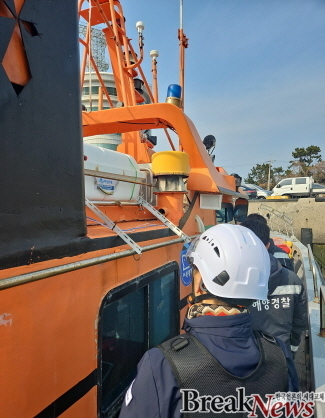
대통령과 NSC에서 4월에 미국 권유 대이란전에는 참전불가를 말했다. 문제는 우리 선박 항해와 유조선 위협 시 제한적인 전투 위험 요소에 대응한다는 완곡한 어법에 본 필자는 크게 우려한다. 무엇 하러 쌈질 근처에 청해부대 전투함을 접근시킨다는 것인지 심히 유감이다. 자칫 이란이 오해하여 대함 미사일 드론을 쏘면 대응사격하겠단 의지인지 되묻고 싶다. 유조선 한 척을 잃는 것이 낫지, 지키겠다고 최전선에 한국 전함을 접근시킨다는 것은 미국 동맹임을 아는 이란이 한국을 적대적 교전국으로 지명할 것은 자명한 일이다.
해서, 대통령과 NSC는 평소보다 페르시아만 홍해 아덴만 근해에서 더 멀찍이 뒤로 물릴 것을 주문한다. 미국 따랐다가 죽는 것보다 일단 비겁하게라도 살아남아 후일을 도모하는 게 훨씬 이득이다. 정권은 5년 만에 끝나지만 역사는 영구히 흘러야 하기 때문이다. “옥에 티”처럼 너무 감상적 추측 및 예상으로 청해부대 군함을 “일부 위험요소를 감수할 수밖에 없다”며 전장 일선에 상황 봐서 접근 전투를 불가피하면 마지막에 벌이는 것을 고려하고 있다는 발상은 크게 위험하다. 유조선 한 척 잃는 게 낫지, 석유 주수입처인 중동 이슬람 국가들의 반영구적 적을 만드는 것은 지극히 감성적 애국심에 다름아니다. 국민 대다수는 필자의 이런 주장을 비겁하다 수군대겠지만, 영원한 조국과 역사 앞에선 그 누구도 도박해서는 안 된다는 신념에 목숨을 걸고 싶다. 말이 필요 없다. 청해부대를 “미+이스라엘:이란전” 쌈판 멀리 뒤로 빼기를 권면한다! 지각 있는 국민의 요구일 수 있다! samsohun@naver.com
*필자/이래권 작가
*아래는 위 기사를 '구글 번역'으로 번역한 영문 기사의 [전문]입니다. '구글번역'은 이해도 높이기를 위해 노력하고 있습니다. 영문 번역에 오류가 있을 수 있음을 전제로 합니다.<*The following is [the full text] of the English article translated by 'Google Translate'. 'Google Translate' is working hard to improve understanding. It is assumed that there may be errors in the English translation.>
We should actually pull the Cheonghae Unit warships far back from the Red Sea!
“It is far more advantageous to survive, even cowardly, and plan for the future.”
- Author Lee Rae-kwon
A nation’s existence and capacity for development are predicated on three elements: “land, population, and resources.” To become a developed nation, education, infrastructure, patriotism, and national unity must be combined with these elements. Of course, there are cases like Belgium, the Netherlands, Luxembourg, Switzerland, and Austria, which are small countries comparable to a single province in our country, yet have already entered the ranks of advanced welfare states. These nations share a historical and cultural homogeneity; as neutral states and part of major powers that use both French and German, they are European cousins who originally shared history and economies with the German-French empires before splitting off.
We were once a proud great nation commanding Manchuria and Tsushima, but due to China’s human wave tactics and Japan’s ceaseless invasions spearheaded by naval power, we ended up ceding precious territories to China and Japan. The reason the Joseon court had no choice but to act that way was the result of the incompetent king and corrupt officials cowardly kneeling first due to the "trumpet in the room" subservience to a great power. While this is a historical assessment, the reality is that the country was reduced to a balloon pricked by a needle because its "territory, resources, and population" were at an absolute disadvantage compared to neighboring aggressor nations. As a survival strategy forced upon the nation and its people by the circumstances of the time, there were absolutely no other options or pressure cards available other than tribute and negotiation.
Excluding nuclear weapons, under the Lee Jae-myung administration, Korea’s status has risen to that of a top-tier nation through semiconductors, automobiles, home appliances, defense, petroleum reprocessing, exports, K-POP, and the Korean Wave, becoming the envy of the world. Of course, history proves that the export of miners and nurses to Germany in the 1960s following the Korean War, the achievement of self-reliant national defense through construction in the Middle East and Vietnam War contributions until the early 1970s, and the transition from light to heavy industry in the 1980s driven by low oil prices of $10 per barrel were all underpinned by the hard work of elders in their 70s and 90s, armed with patriotism.
I, too, am a high-ranking "dirt spoon" from a rural background who obtained a welding technician certification in 1979. I made it my lifelong calling to patch gaps in steel plates, only to be expelled from the industrial field at the age of 65. Though I feel powerless, I am not proud of having lived my life under the scorching sun amidst swirling dust, nor am I ashamed. Just as they take pride in having done their absolute best, their peers and seniors share this sentiment as they spend their anxious old age. With a heart filled with deep anxiety over national security, they live as if in prayer, constantly reflecting on the future and livelihoods of their children. They are neither subjects of the ancient practice of abandoning the elderly, nor are they mere lumps of pork destined to vanish after leaving behind only meat.
While the 20-somethings—who have become increasingly right-wing—denigrate these elderly people, who live with such a sense of history and patriotism, as repulsive, far-right extremists who must disappear quickly, these same people will soon become old themselves. In life, nothing can escape the cycle of birth, aging, sickness, death, rise, and fall. Medical and economic constraints are fair to everyone. Even the chaebols may escape poverty, but they cannot avoid the baptism of death that is all the same to them. Baseless accusations and hatred will soon return like spit spitting into one's own face. This is the beginning and end of life. Let us, the 20- and 30-somethings, cast aside the amoeba-like thinking of boundaries and conflict and embrace generational integration and convergent solidarity. I would like to earnestly implore him to step forward.
President Lee Jae-myung, now in his mid-60s, barely finished elementary school in the early 1970s. Led by his mother's hand, he entered a small factory in Seongnam at the age of 13, carrying fear with him, to fill the gaps in their meager household and feed his younger siblings. During press work, he was unable to free his left wrist and elbow, resulting in the severance of his bones and muscles and a permanent disability. Pressing is a process where heavy upper and lower compression frames open like a hellish maw; a steel plate is inserted into the gap and pressed to produce a standardized shape. Most workers lose their arms, but due to his young age and heightened reflexes, he managed to free his left arm, getting it caught at the end. He was able to preserve the shape of his arm with only partial injury.
In the early 1970s, the entire nation shared the common denominator of poverty. In my hometown of Gimje, if even a single student from a village was accepted into university, the student's parents and neighbors would drink three or four bottles of makgeolli (rice wine) throughout the night, beating gongs, cymbals, and drums as they held celebratory processions in every alleyway. I scanned the room. People knew. They knew that by the time that fellow returned from college and served liquor and meat at the elderly care center, most of the old people would have already passed away. Yet, whenever they opened their mouths, they would lavish praise and boast about the high-class village that had produced that illustrious college student. Whether riding a microbus or the back of a horse-drawn carriage returning from market day business, they would rattle along the thirty-mile journey under the moonlight. This was because, even though most of their own children had been sold off to the city as factory workers, bus conductors, or housekeepers, they harbored a yearning for that college student to treat them affectionately as a friend without discrimination when they met during the holidays, and to maintain the relationship for the rest of their lives.
President Lee Jae-myung is a monument of the "dirt spoon" generation, produced in the midst of the aforementioned poverty of the 1970s, and as an unprecedented conqueror of adversity, he is undeniably a great mirror for our nation and future generations. To the far right, he is a "commie" who sent money to North Korea, a four-time convicted criminal, and someone who [advocates] judicial reform to avoid trial after his retirement... They are frantically dividing national opinion by misleading the public into believing he is a shameless dictator plotting acquittals under the pretext of legislation, the removal of prosecutors' indictment rights, or the overhaul of the three-trial system and an increase in the number of Constitutional Court justices.
In a democratic nation adhering strictly to the principle of majority rule, the National Assembly is the representative body of the people. For the opposition party to step forward and contest the June local elections with ideological, regional, and generational debates is a short-sighted, outdated, rusty megaphone commotion—a poor strategy that will lead to a crushing defeat and threaten even the party's very existence. Criticism must be predicated on the presentation of alternatives.
We have nurtured the seeds of becoming a world leader through major conglomerate industries and the defense sector, yet the opposition party is taking the lead in blatantly striking with pesticides and hail for external spectacle; this constitutes an act of terrorism against the national interest. In a situation where their support base has shrunk from 50% to 17%, it is petty to engage in a "dragging down the entire nation" strategy by digging up the President's past private life regarding outdated remittances to North Korea, as if in a self-destructive act. After the President leaves office, [he/she] should file a lawsuit in accordance with legal procedures... Engaging in divisive tactics without a proper plan, when the matter could simply be resolved by determining right from wrong, is an act comparable to the treason committed by pro-Japanese collaborators during the late Joseon Dynasty.
We are currently in a critical period of economic national crisis where the entire nation must unite its collective will for unity and hope rather than division. The pincer offensive against Iran, triggered by U.S. nuclear hegemony, the transplantation of democracy through regime change, and Israel's demand for Iran's nuclear disablement, will leave significant aftereffects even after the war ends, with massive repercussions. As a major importer of Middle Eastern oil, our country will have to endure three to five years of suffering due to skyrocketing oil prices, resulting in inconvenience for all citizens and significant hardship in terms of consumption. Many gas and oil production, manufacturing, and storage facilities have already been destroyed, and the United States is threatening Iran—a descendant of the 2,500-year Persian Empire and the nation with the second-largest gas and fourth-largest oil reserves—with a public declaration that it will destroy Iran's energy and electrical infrastructure, effectively forcing a white flag surrender. Even if only half of these facilities are destroyed, it will take years to restore and resume production. If the volume of bids in the international oil market decreases by that amount, the price... Prices have skyrocketed, and the increases are being passed on evenly to our producers and consumers. It is a desperate crisis where the burden will be passed on by nearly two or three times to items such as greenhouse heating and cooling, fishing boats, greenhouses for spring vegetable rows, freight carriers, and summer air conditioner electricity bills.
With orders for garbage bags already halted at convenience stores, some citizens are showing greed by hoarding. It was only after convenience stores eventually switched to limited sales and the government issued a statement allowing the temporary use of regular plastic bags that the public's anxiety finally subsided. Fishermen, farmers, and transporters are complaining of suffering due to high fuel prices and raw material shortages.
Amidst this, even middle-class workers who are relatively better off are leaving their cars in parking lots and taking subways and buses, voluntarily choosing to walk to escape the gas price bomb. It is far too painful to consider all these causes as aftereffects of the blockade of the Strait of Hormuz. There is an old saying that watching a fight or a fire is the most entertaining. This time, however, it is different. The entire world has suffered significant economic internal damage from the "Iran vs. US + Israel nuclear disarmament war," and Even after the war ends, a long-term economic lean period caused by high oil prices is expected to gape open for the next 3 to 5 years during the recovery phase.
While it may not be possible to completely resolve the unbearable suffering of the people caused by the Middle East war, the majority of beneficiaries accept and welcome President Lee Jae-myung's plan to provide livelihood recovery support funds ranging from 100,000 to 600,000 won to less than 70% of the population through a 27 trillion won supplementary budget. For the opposition party to mislead the public by claiming this is "giveaways" or an increase in national debt is the epitome of heartlessness and the mindset of a cold-blooded person who cruelly snatches a hard candy from a crying child's mouth to make them cry again. If the recession persists due to the aftermath of high oil prices, second and third supplementary budgets must continue. An economic powerhouse with a national budget of 700 trillion won will not collapse just because an additional 54 trillion won is provided. Since this money circulates within the "amusement park," it does not create foreign exchange risks and provides significant help to collapsed local businesses. The aftermath of the Middle East war will last for a long time. Regarding supplementary budgets, we must carefully monitor the timing and situation, and find additional tax sources if necessary. We must be prepared to organize.
Historically, we sent 300,000 troops to the Vietnam War at the suggestion of the United States, suffering heavy casualties; however, the motivation for that deployment was the receipt of enormous economic seed money: a monthly salary of $2,000 per person and $15,000 per death. We laid the foundation for self-reliant defense by replacing the ROK Armed Forces' rifles from the M1 (a small-caliber gun) to the M16 (an automatic rifle) and exchanging heavy naval weapons (excluding aircraft) as compensation for participation.
It was a wise decision for the President to reject Trump's demand for troop deployment to a war against Iran, which would yield no benefits and alienate the 2.4 billion people of the Islamic world. As long as our economy relies on oil, being branded as a hostile state by Islamic nations—which share a religious homogeneity with the Middle Eastern oil-producing countries holed up in the Strait of Hormuz—would be the permanent destruction of national interests and a self-goal. Such issues could frequently arise in the future, using participation in U.S.-led Middle Eastern wars and the nuclear umbrella as leverage. To fulfill the primary duty of protecting the lives and property of the people, a leader must face any perilous persuasion or intimidation from foreign powers. All that is needed is to resolvely say, “NO! SORRY!”
In April, the President and the NSC stated that participation in a war against Iran, as recommended by the U.S., was unacceptable. The problem is that I am deeply concerned about the euphemistic rhetoric used, which implies responding to limited combat risks in the event of threats to our ships' navigation or oil tankers. It is deeply regrettable that they intend to bring the Cheonghae Unit's warships so close to the point of conflict. I would like to ask again if this is their intention to return fire if Iran misunderstands and fires anti-ship missile drones. It is better to lose one oil tanker than to bring Korean warships close to the front lines to defend it; it is self-evident that Iran, knowing Korea is an ally of the U.S., will designate Korea as a hostile belligerent.
Therefore, the President and the NSC order a move further back from the waters near the Persian Gulf, Red Sea, and Gulf of Aden than usual. It is far more advantageous to survive, even if cowardly, and plan for the future than to die following the U.S. This is because while an administration ends in five years, history must flow forever. The idea that the Cheonghae Unit warships are being considered for close-quarters combat only at the very end—if unavoidable—depending on the situation on the front lines, based on overly sentimental speculation and predictions like a "blemish" on an archetype, is extremely dangerous. It is better to lose a single oil tanker than to create a semi-permanent enemy of the Middle Eastern Islamic nations, the primary sources of oil, which is nothing more than purely sentimental patriotism. The majority of the public will whisper that my argument is cowardly, but I want to stake my life on the conviction that no one should gamble before their eternal homeland and history. Words are unnecessary. I urge the Cheonghae Unit to be pulled far back from the "U.S. + Israel vs. Iran" brawl! This may be the demand of a sensible citizen! samsohun@naver.com
*Author/Writer Lee Rae-kwon