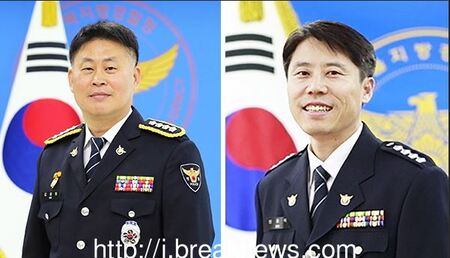
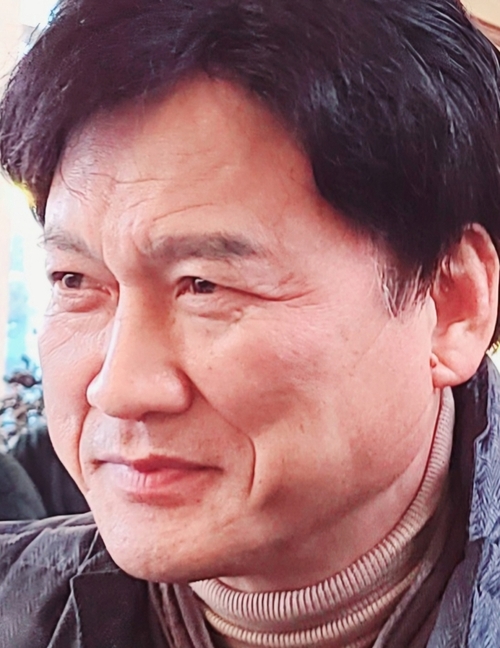
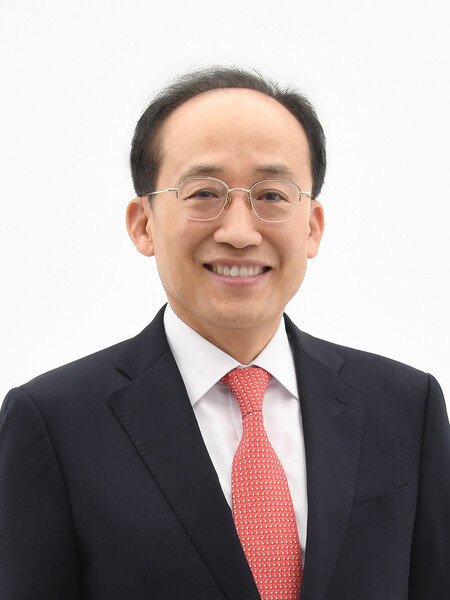
▲ 남진근 대전 동구청장 예비후보.=정치부기자 제공 ©김정환 기자 |
동구 재설계 공약 발표 “시설 정비 넘어 구조를 바꾼다”…
6대 통합 패키지 정책 제시
유성복합터미널과 차별화 ‘대전의 메인 관문’ 위상 강화 선언
더불어민주당 남진근 대전 동구청장 예비후보가 대전의 관문인 대전복합터미널 일대를 전면 재구조화하는 ‘동부권 광역환승생활허브’ 조성 공약을 발표하며 정책 행보에 박차를 가했다.
남진근 예비후보의 이번 공약은 단순한 노후 시설 정비를 넘어 교통과 보행, 상권과 안전을 하나의 시스템으로 통합해 동구의 정주 여건을 근본적으로 바꾸겠다는 의지로 해석된다.
남 후보는 7일 보도자료를 통해 “동구의 관문을 바꾸는 것이 곧 시민의 삶을 바꾸는 길”이라며, 대전복합터미널을 중심으로 한 동부권 생활구조 재편 계획을 공개했다.
그는 특히 최근 개장한 유성복합터미널과의 차별성을 강조하며, 유성이 서북부권의 새로운 관문이라면 대전복합터미널은 이미 전국 교통망이 집적된 대전의 ‘메인 관문’으로서 위상을 재정립해야 한다고 역설했다.
현재 대전복합터미널은 막대한 유동인구에도 불구하고 사람들이 머물지 않고 스쳐 지나가는 구조라는 것이 남 후보의 분석이다.
그는 “시설이 부족한 것이 아니라 환승과 보행, 상권이 서로 단절되어 작동하는 것이 문제”라고 지적하며, 이제는 건물을 더 짓는 하드웨어 중심의 정치에서 벗어나 시민의 일상을 바꾸는 소프트웨어 중심의 구조 개편이 필요하다고 주장했다.
이를 위해 남 후보는 주차·보행·상권·안전을 통합하는 ‘6대 실행 과제’를 제시했다. 터미널 내 교통 동선을 전면 재설계해 환승 효율을 높이는 것은 물론, 용전동·성남동·가양권으로 이어지는 보행축을 정비해 차 중심의 공간을 사람 중심으로 전환하겠다는 계획이다.
또한 유휴부지를 활용한 공영주차장 확충과 공유주차 시스템 도입으로 고질적인 주차난을 해결하고, 야간 조명 및 CCTV 확충을 통해 ‘안심 생활권’을 구축하겠다고 약속했다.
지역 경제 활성화를 위한 복안도 내놓았다. 공실 상가를 활용해 청년과 소상공인의 진입 장벽을 낮추는 ‘빈 점포 선사용-후정비’ 방식을 도입하고, 향후 트램 2호선 개통에 맞춰 버스와 보행이 유기적으로 연결되는 스마트 환승 체계를 완성하겠다는 방침이다.
남 후보는 “동구가 통과하는 도시가 아니라 체류와 소비가 일어나는 머무는 도시가 되어야 미래가 열린다”며, 대전시가 광역교통체계를 담당하고 동구청이 보행과 안전 등 생활 밀착형 인프라를 책임지는 협력 모델을 통해 공약의 실효성을 높이겠다고 밝혔다.
그는 대전의 관문을 새롭게 디자인함으로써 동구민이 체감할 수 있는 실질적인 삶의 변화를 반드시 이끌어내겠다는 의지를 거듭 강조했다.
*아래는 위 기사를 '구글 번역'으로 번역한 영문 기사의 [전문]입니다. '구글번역'은 이해도를 높이기를 위해 노력하고 있습니다. 영문 번역에 오류가 있을 수 있음을 전제로 합니다.<*The following is [the full text] of the English article translated by 'Google Translate'. 'Google Translate' is working hard to improve understanding. It is assumed that there may be errors in the English translation.>
Preliminary Candidate Nam Jin-geun: “Transforming Daejeon Complex Terminal from a ‘Passage Station’ into a ‘Living Hub’”…
Announcement of Pledges to Redesign Dong-gu: “Changing the Structure Beyond Facility Maintenance”…
Presentation of a 6-Point Integrated Policy Package
Declaration to Strengthen the Status of ‘Daejeon’s Main Gateway’ by Differentiating It from the Yuseong Complex Terminal
Nam Jin-geun, the Democratic Party of Korea’s preliminary candidate for Mayor of Daejeon’s Dong-gu District, has accelerated his policy initiatives by announcing a pledge to create an ‘Eastern Region Metropolitan Transfer Living Hub’ that will comprehensively restructure the area around the Daejeon Complex Terminal, the gateway to Daejeon.
Candidate Nam’s pledge is interpreted as a determination to fundamentally change the living conditions of Dong-gu by going beyond simple maintenance of aging facilities and integrating transportation, pedestrian access, commercial areas, and safety into a single system.
In a press release on the 7th, Candidate Nam stated, “Changing the gateway to Dong-gu is the way to change the lives of citizens,” and unveiled plans to reorganize the living structure of the eastern region centered around the Daejeon Complex Terminal. He particularly emphasized the distinction between his new facility and the recently opened Yuseong Complex Terminal, asserting that while Yuseong serves as a new gateway for the northwestern region, the Daejeon Complex Terminal must re-establish its status as Daejeon's "main gateway," where the national transportation network is already concentrated.
Candidate Nam’s analysis is that despite the massive flow of people, the current structure of the Daejeon Complex Terminal is one where visitors merely pass through without lingering.
He pointed out that "the problem is not a lack of facilities, but rather that transfers, pedestrian access, and commercial areas operate in a disconnected manner." He argued that it is now necessary to move away from hardware-centric politics focused on constructing more buildings and instead implement a software-centric structural reform that transforms the daily lives of citizens.
To this end, Candidate Nam presented "six key implementation tasks" that integrate parking, pedestrian access, commercial areas, and safety. His plan involves completely redesigning traffic flow within the terminal to improve transfer efficiency, as well as reorganizing pedestrian axes connecting Yongjeon-dong, Seongnam-dong, and the Gayang area to transform the space from a car-centric environment into a people-centric one. He also pledged to resolve the chronic parking shortage by expanding public parking lots utilizing idle land and introducing a shared parking system, and to establish a "safe living zone" by expanding nighttime lighting and CCTVs.
He also presented plans to revitalize the local economy. He plans to introduce a "pre-use, post-renovation" approach utilizing vacant commercial spaces to lower entry barriers for young entrepreneurs and small business owners, and to complete a smart transfer system that organically connects buses and pedestrians in time for the future opening of Tram Line 2.
Candidate Nam stated, "The future of Dong-gu will only open up if it becomes a city where people stay and consume, rather than a city that people merely pass through." He announced that he would enhance the effectiveness of his pledges through a cooperative model in which Daejeon City manages the metropolitan transportation system while the Dong-gu Office takes charge of life-oriented infrastructure such as pedestrian access and safety.
He repeatedly emphasized his determination to bring about tangible changes in the lives of Dong-gu residents by redesigning the gateway to Daejeon.
원본 기사 보기:브레이크뉴스대전세종충청